REVIEW · SAN PEDRO DE ATACAMA
From San Pedro de Atacama: El Tatio Geyser Field & Wetlands
Book on GetYourGuide →Operated by Feel Atacama · Bookable on GetYourGuide
El Tatio turns cold dawn into a must-see moment. This is the big geothermal show in North Chile, paired with wetlands stops and a chance to connect with the small community of Machuca.
I love the sunrise timing and the way the geysers look at that first light. I also like the extra wetlands and village pieces, so the day feels more than just a quick stop at steam.
One consideration: it’s a tough morning—very early pickup, freezing temperatures, and real altitude. If you know you’re sensitive to height or cold, plan carefully.
In This Review
- Key things that make this tour worth your time
- El Tatio at sunrise: why this place feels so different
- The 4:30 a.m. start and the cold reality check
- Walking the geysers: what you’ll actually do on the ground
- Breakfast in the open Altiplano: simple, but perfectly timed
- Putana and Machuca wetlands: where the wildlife stories start
- Machuca village: empanadas, llama skewers, and a real community stop
- Price and value: what you get for $76
- Altitude and comfort tips that actually help
- Logistics you should plan for (so the day runs smoothly)
- Who this tour fits best
- Should you book this El Tatio sunrise and wetlands tour?
- FAQ
- What time does pickup start and when do you return?
- How much does it cost?
- What’s included in the tour price?
- Do I need to pay a separate park entrance fee?
- What should I bring for the early morning?
- Is it okay for everyone?
Key things that make this tour worth your time
- 4:30–5:10 a.m. pickup so you’re at El Tatio before the best light
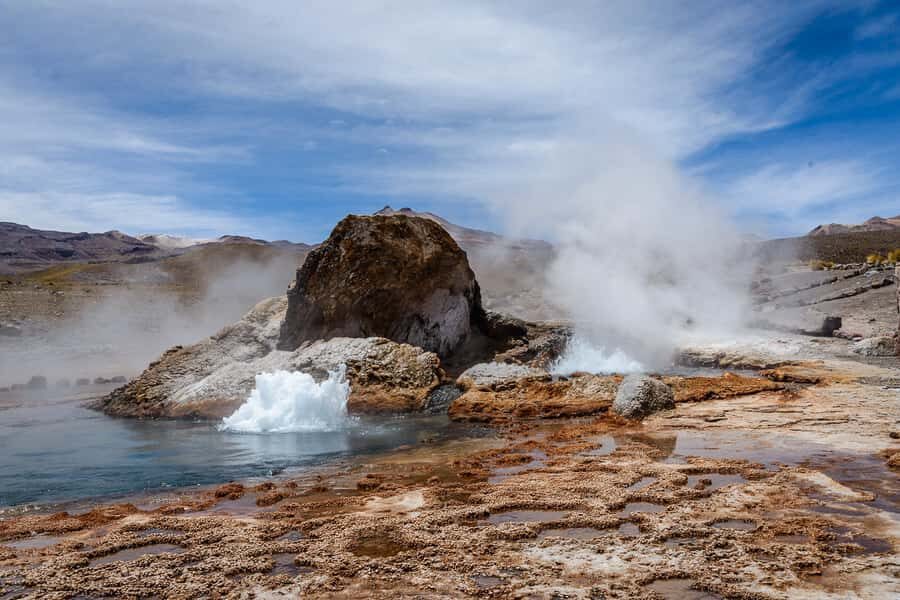
- 80+ active geysers in one of the world’s largest fields
- Outdoor breakfast on the Altiplano after you’ve seen the vents up close
- Putana and Machuca wetlands for wildlife viewing, including flamingos
- Machuca village cultural stop with cheese empanadas and llama meat skewers
- English or Spanish guide with hands-on explanations as you walk the area
El Tatio at sunrise: why this place feels so different
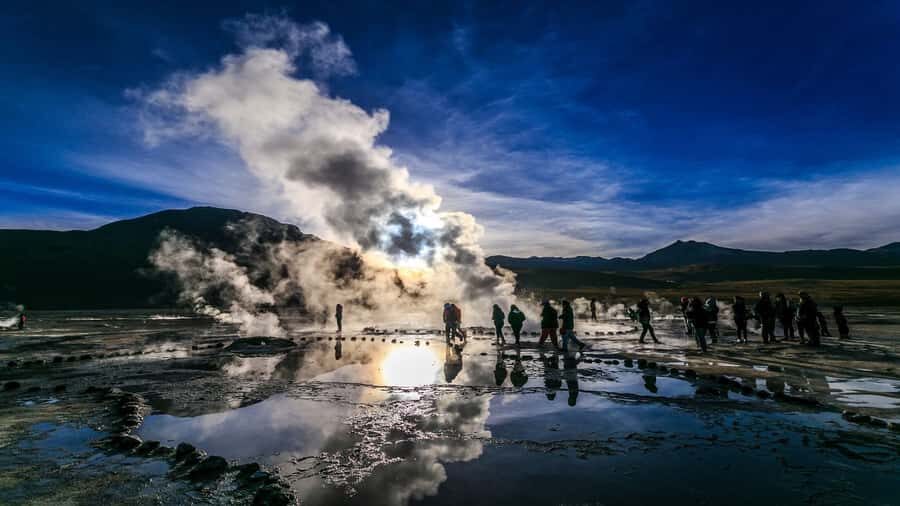
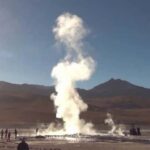
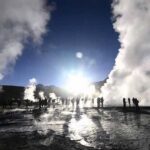
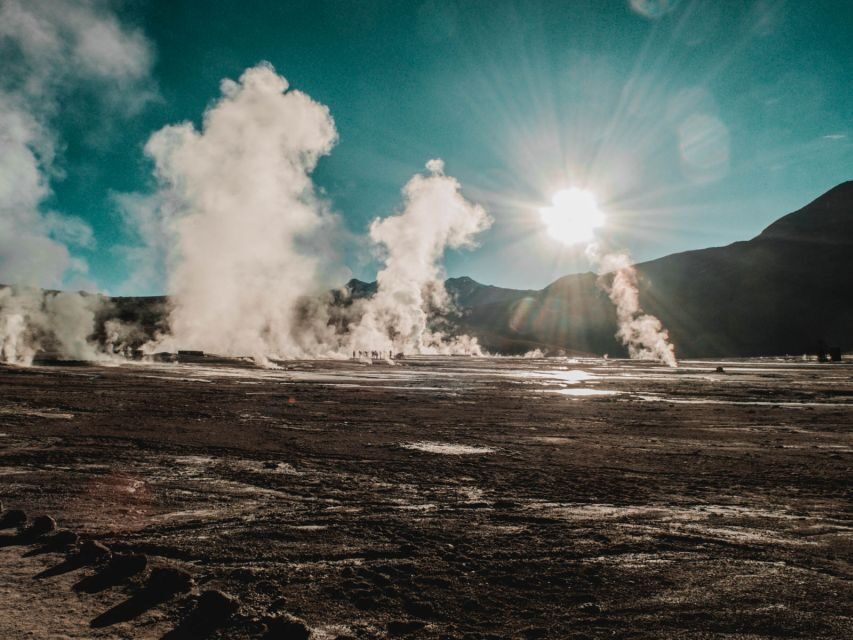
El Tatio is one of the most famous geothermal areas in the Andes, and the timing is everything. The tour is built around a sunrise arrival, so you get that rare mix of steam, pale light, and cold air. It’s the kind of sight that looks almost unreal until you’re standing close enough to feel the geothermal activity in the ground.
What I like most is that the day doesn’t stay locked in one mode. You start with the geysers, then you shift to a calmer set of views and habitats—wetlands in Putana and Machuca, and then the small village of Machuca. You end up with a more complete picture of what the Atacama region offers beyond the geothermal spectacle.
If you come hoping for an easy, relaxed morning: you’ll need to lean into the early start and dress for cold. But if you want a real “wow” moment plus a day that keeps moving, this delivers.
You can also read our reviews of more tours and experiences in San Pedro De Atacama.

The 4:30 a.m. start and the cold reality check
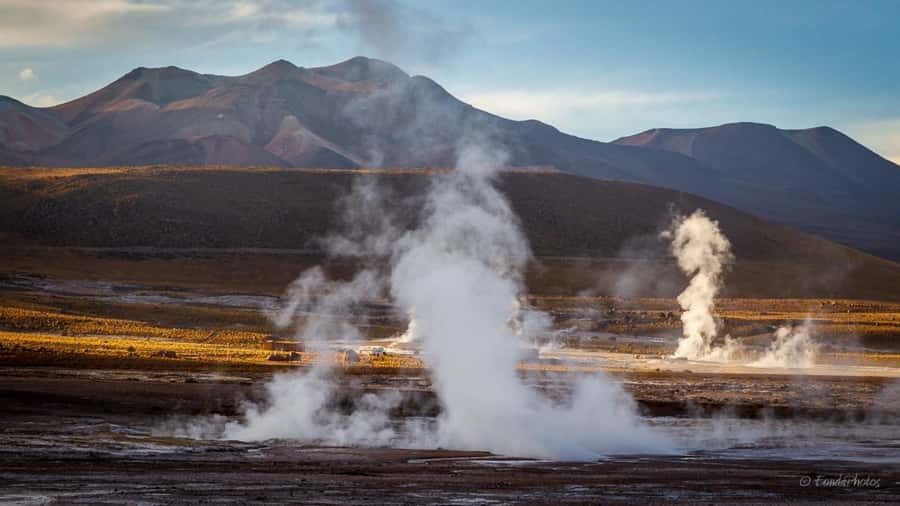
Pickup starts at 4:30 a.m., with hotel pickup happening in an early window (around 4:30–5:10 a.m.). You’ll be dropped back at the center (Plaza Apacheta) around 12:00 p.m., and the whole experience runs about 7 hours. That early timing matters because El Tatio looks best when the air is still fresh and the geothermal steam is dramatic.
Here’s the practical part: be ready the moment pickup is supposed to happen. The guide may make phone contact before the pickup time, and they won’t wait more than about 5 minutes after the scheduled pickup. It sounds small, but when you’re waking up in the dark, those minutes feel like hours.
Temperatures are cold year-round, and one important pattern shows up in people’s experiences: it’s not just chilly. It can be around freezing before the sun comes up. Bring warm clothing, warm shoes, and ideally something you can layer without feeling bulky. Water matters too. The tour is an altitude experience, and staying hydrated helps you feel steadier while you’re out in the cold.
Walking the geysers: what you’ll actually do on the ground
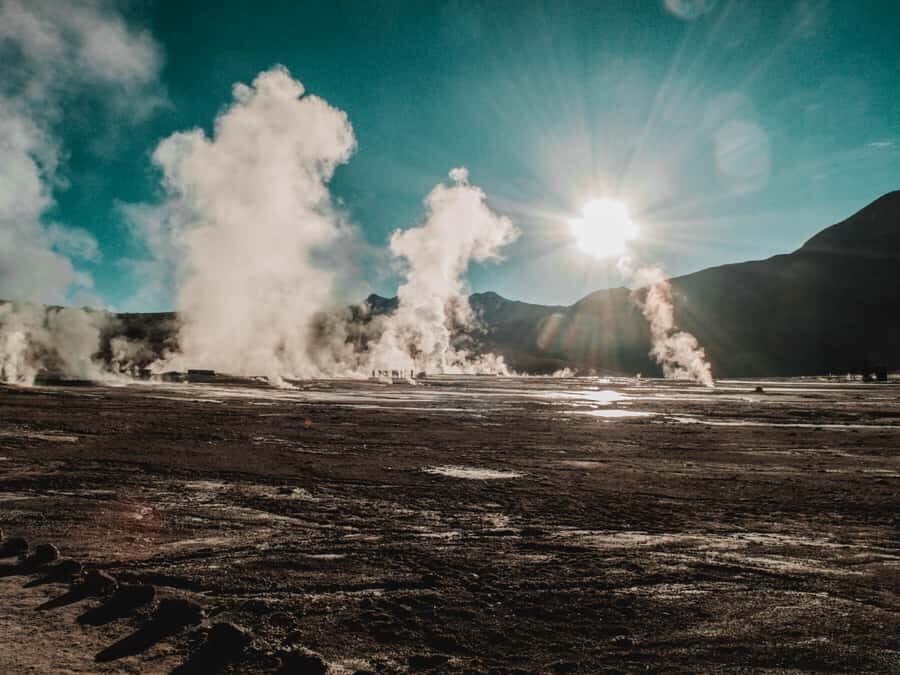
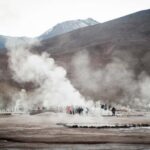
Once you arrive, the core of the morning is walking among active vents in the El Tatio geyser field. You’ll explore an area with more than 80 active geysers, and you’ll have a guide to help you understand what you’re looking at—how geothermal features form, and what to watch for as conditions change with time and temperature.
A good guide also sets the pace. In this region, you’re moving in chilly air, and you’ll want time to stop, look, and take photos without feeling rushed. People also point out how guides help with safety and respectful behavior around the vents. One driver named Izakis was specifically praised for gentle, ethical reminders that protect the natural area while keeping everyone safe.
What to expect visually: steam columns, bubbling ground, and the sense that the terrain is alive. It’s not a theme park. It’s an active geothermal field. That’s part of the charm—and why the sunrise timing pays off.
Breakfast in the open Altiplano: simple, but perfectly timed
After the geysers, you get an outdoor breakfast in the middle of the Altiplano. This matters more than it sounds. In the morning cold, warm food feels like a reset button—especially after walking and waiting for the light to change.
The breakfast also breaks the emotional rhythm of the day. Instead of pushing straight from geysers to more viewing, you get a structured pause. That helps you stay alert when you shift toward the wetlands later, where you’ll likely do more scanning for birds and animals than you will photographing steaming ground.
I also like that the day is balanced: the geothermal spectacle is intense, then you step into a quieter set of landscapes and communities. It keeps the morning from feeling like one long scramble.
Putana and Machuca wetlands: where the wildlife stories start
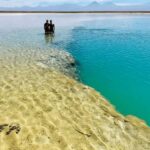
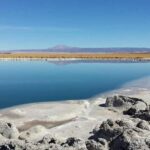
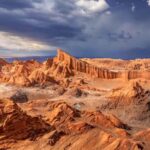
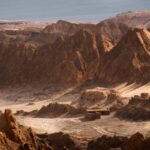
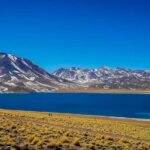
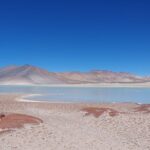
After breakfast, the tour continues to the Putana and Machuca wetlands, plus stops tied to Machuca and its surroundings. Wetlands at altitude are different from what most people imagine back home. They can be surprisingly full of life, but you have to look slowly and wait for movement.
This is where wildlife sightings often happen. In the experiences I read, people talked about flamingos during the return route, plus other desert-altitude fauna like vicuñas and vizcachas. You may not see every species, but the tour is positioned to give you time and eyes for those moments.
A strong guide helps here. People named Danny and Dani for being attentive, talking through what’s happening in the wetlands, and spotting wildlife along the way. That’s not just a nice extra—when you’re at altitude and you’re standing on uneven ground, it’s helpful to have someone guiding your attention so you don’t miss the small things.
What I’d tell you to do: bring patience for wildlife. The best sightings often show up when you slow down and stop chasing movement with your camera.
Machuca village: empanadas, llama skewers, and a real community stop
The Machuca portion of the day is small and human-scaled. Machuca village is described as a very small native community, and the tour focuses on sharing the experience and learning about the area’s daily culture and food.
Food highlights in Machuca include cheese empanadas and llama meat skewers. Even if you’re not sure you’ll want to eat everything, this is valuable because it turns your time here from sightseeing into interaction. You’re not just driving through a place. You’re spending part of your day with a community that lives in this landscape year-round.
One thing I like about this approach: it keeps the day grounded. After steam vents and freezing air, you get something warmer in more ways than one—food, conversation, and the rhythm of a village that isn’t built around tourist speed.
Price and value: what you get for $76
At $76 per person for about 7 hours, this tour is priced like a full-service excursion, not a bare-bones transfer. You get hotel pickup, transportation, an English-speaking guide (also Spanish), breakfast, and a ticket tied to the activity.
The value shows up in the structure:
- you’re paying for the early schedule (that’s real labor and logistics)
- you’re paying for guided explanations while you walk among geothermal features
- you’re paying for the food and the multi-stop routing (geyser field plus wetlands plus Machuca)
If El Tatio is your main target, going at sunrise is what turns it into a memorable experience rather than a routine visit. This tour’s pricing makes sense when you treat it as a guided full morning rather than a quick photo run.
One extra note for your budget: there’s also a park entrance fee that visitors must pay in the park, with cash or credit/debit card. Even if you see the word ticket included, plan to budget that entrance fee separately so you don’t get stuck at the counter.
Altitude and comfort tips that actually help
This is an altitude tour, and the tour info is clear that it isn’t recommended if you have certain health risks. It’s not suitable for pregnant women, people with high blood pressure issues, or heart disease concerns. The tour is also not recommended for young children under 6, and it’s not suitable for children under 2.
If you’re generally healthy, you still want to treat the morning with respect. A safe plan is:
- Hydrate well before pickup and keep sipping water during the day.
- Avoid alcohol and drugs the night before, since the tour is working at altitude and cold.
- Layer up. Warm clothing and warm shoes are mandatory for comfort, not just style.
- Move carefully around wet or uneven ground near vents and wetlands.
Also remember: the temperature drop before sunrise can be intense. If you show up under-dressed, you’ll spend your time fighting the cold instead of enjoying the geysers.
Logistics you should plan for (so the day runs smoothly)
A few small details can make the difference between enjoying the day and feeling annoyed by it.
- Pickup order and timing: some people report being picked up in the order shared the night before. Still, it’s early. Keep your phone available and be in the lobby during the pickup window.
- Time buffer: allow extra time getting ready. One recurring complaint was confusion around pickup details, and when you’re waking at 4:00 a.m., every delay feels bigger.
- Payment at the entrance: plan to pay the park fee with cash or a card in the park. One person noted Apple Pay worked for their entrance ticket, but don’t count on digital wallets unless you see it’s accepted at the entrance.
One more practical point: bring some cash just in case. It’s listed as part of what to bring, and in remote areas, that habit keeps things simple.
Who this tour fits best
This is a good match if:
- you’re excited by the combination of geothermal sights + wildlife rather than only one kind of attraction
- you can handle a very early morning and sub-freezing temperatures with the right layers
- you want a guided day where someone explains what you’re seeing as you walk around active vents
You might want a different plan if:
- you have altitude-sensitive health conditions (the tour specifically flags pregnancy, heart issues, and high blood pressure problems)
- you’re traveling with very young children
- you’re hoping for a late start or a warm, cushy morning
Should you book this El Tatio sunrise and wetlands tour?
If El Tatio is on your Atacama checklist, I think you should book this. The sunrise timing, the guided walk through 80+ active geysers, the outdoor breakfast, and the added wetlands and Machuca village stop give you a full day that feels worth the early wake-up call.
Just go in with the right expectations. It’s cold. It’s high. You’ll be moving through several types of terrain. If you dress warmly, hydrate, and keep a patient eye for wildlife, you’ll get a morning that’s memorable for the right reasons: steam, light, fauna, and real community time in Machuca.
FAQ
What time does pickup start and when do you return?
Pickup starts at 4:30 a.m. and happens within an early pickup window. You’ll be dropped off in the center around 12:00 p.m., and the total duration is about 7 hours.
How much does it cost?
The price is $76 per person.
What’s included in the tour price?
The tour includes hotel pick up, breakfast, an English-speaking guide (also Spanish), transportation, and a ticket.
Do I need to pay a separate park entrance fee?
Yes. All visitors must pay the park entrance fee in the park, with cash or credit/debit card.
What should I bring for the early morning?
Bring your passport or ID card, water, warm clothing, and cash.
Is it okay for everyone?
No. It is not recommended for pregnant women, and it’s also not recommended for young children under 6. It’s not suitable for people with heart problems or high blood pressure issues, and children under 2 aren’t suitable.