REVIEW · RAPA NUI NATIONAL PARK
Tongariki Sunrise: Half Day Private Tour
Book on GetYourGuide →Operated by KAVA KAVA TOURS · Bookable on GetYourGuide
One sky, one set of moai, and a lot of patience. The Tongariki Sunrise tour is a focused, half-day-style experience built around one magical moment: watching the sun rise over Easter Island’s most famous ceremonial platform at Ahu Tongariki.
What I like most is how direct and timed it is, so you’re in the right place for the light show, and how the guide connects the moai setting to Rapa Nui culture instead of treating it like a photo stop.
I also really enjoy the small “extras” that make a difference at dawn: the tour includes coffee at the site plus water, and you get a true private-vehicle ride with hotel pickup in Hanga Roa. It feels like someone planned for the reality of morning on Rapa Nui, not just the Instagram version of sunrise.
If you’re expecting a long, slow wander in full daylight afterward, consider this: the tour is only 2 hours, and you may have limited time on the platform after sunrise.
In This Review
- Key highlights I’d plan around
- First light at Ahu Tongariki: why this sunrise works
- Timing and pickup: the early start is real
- What you do at the site: coffee, moai, and a guided light show
- Ahu Tongariki vs Poike: how the season changes your morning
- Park logistics you should know: tickets and timing
- The cultural angle: why the guide matters at sunrise
- Comfort and what to pack for a dawn moai moment
- Reviews in one picture: what people love most
- Price and value: what $128 is really buying
- Who this tour suits best
- Should you book Tongariki Sunrise with Kava Kava Tours?
- FAQ
- What time is hotel pickup for Tongariki Sunrise?
- How long is the tour?
- Is the tour private?
- Are national park entrance fees included?
- Does the tour include coffee?
- Is the tour available for cruise ship passengers?
- Are drones allowed at Parque Nacional Rapa Nui?
Key highlights I’d plan around
- Ahu Tongariki at sunrise: one of the best places on Easter Island to see the moai meet morning light.
- Coffee + waiting time: you’ll have something warm while the sky changes.
- Private guide in English or Spanish: no guessing, and you’ll get cultural context along the way.
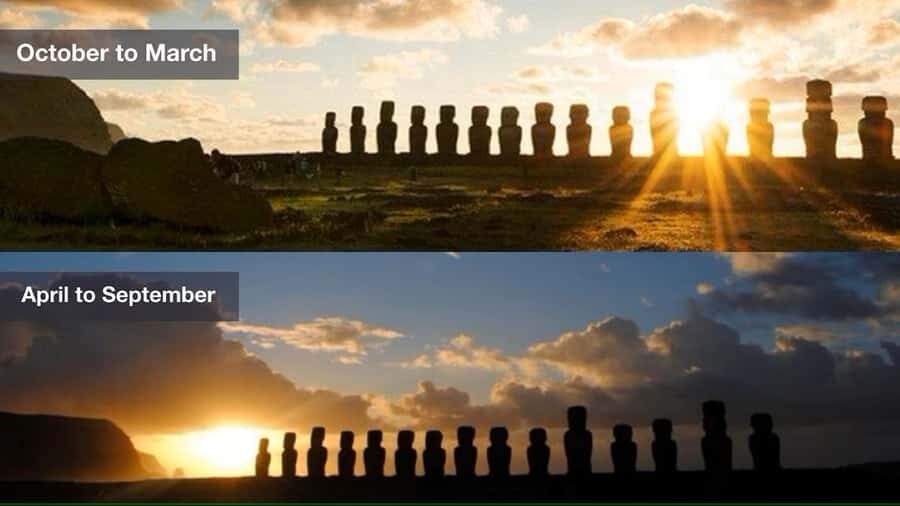
- Season-based viewing: sunrise is at Ahu Tongariki in summer months, with Poike referenced for other parts of the year.
- Hotel pickup from Hanga Roa: early start made easier with transport and drop-off.
First light at Ahu Tongariki: why this sunrise works
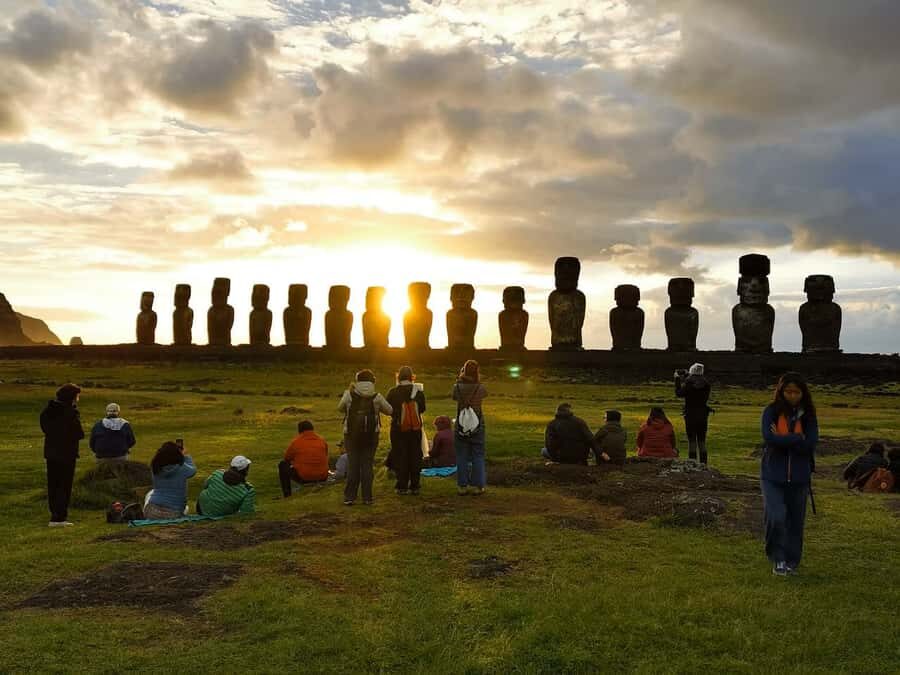
Easter Island is famous for moai. But most of the time you see them in the middle of the day—bright, harsh light that flattens everything. This tour is built to do the opposite. You’re going for that narrow window when the sky shifts from dark blue to pale colors and the stone structures start to look like they belong to the landscape again.
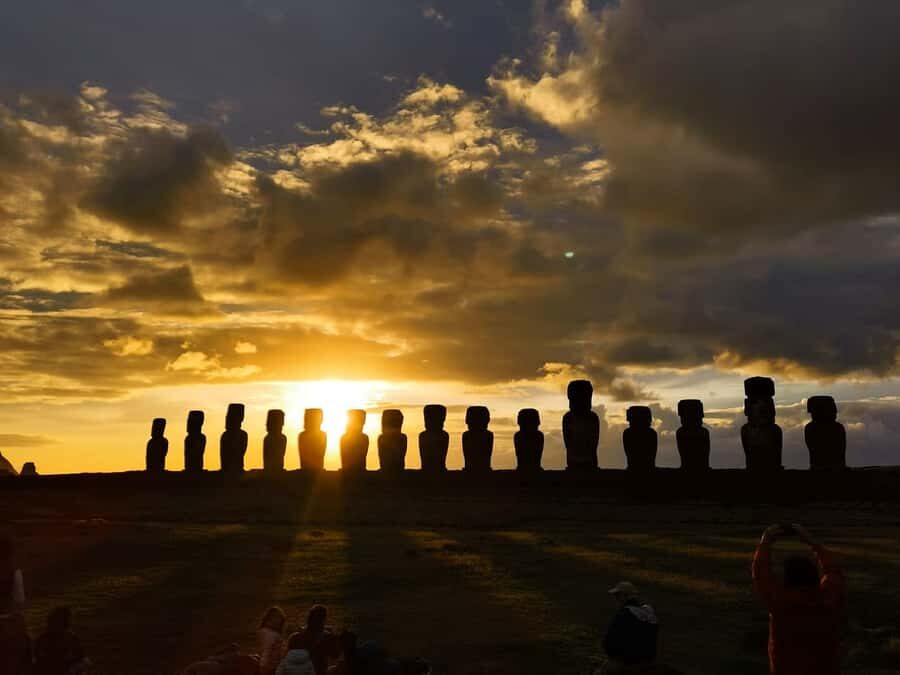
Ahu Tongariki is the big draw. It’s the ceremonial platform where the moai line up in a way that makes the sunrise feel like it has a direction. As the sun comes up, you get a blend of tones—sea, sky, and the moai surfaces all changing at once. That color shift is the whole point of going early, and the timing is what makes the experience feel special instead of rushed.
Also, you’re not standing there alone with your phone. A guide is with you, and that matters because the moai aren’t just statues. They connect to Rapa Nui beliefs, community life, and the way people organized ceremonial space on the island. When you hear the story while you watch the light arrive, the moment lands differently.
This is a private tour, so you’re not fighting for a spot, and you don’t have to wait for a group that’s half a step behind.
You can also read our reviews of more tours and experiences in Rapa Nui National Park.
Timing and pickup: the early start is real
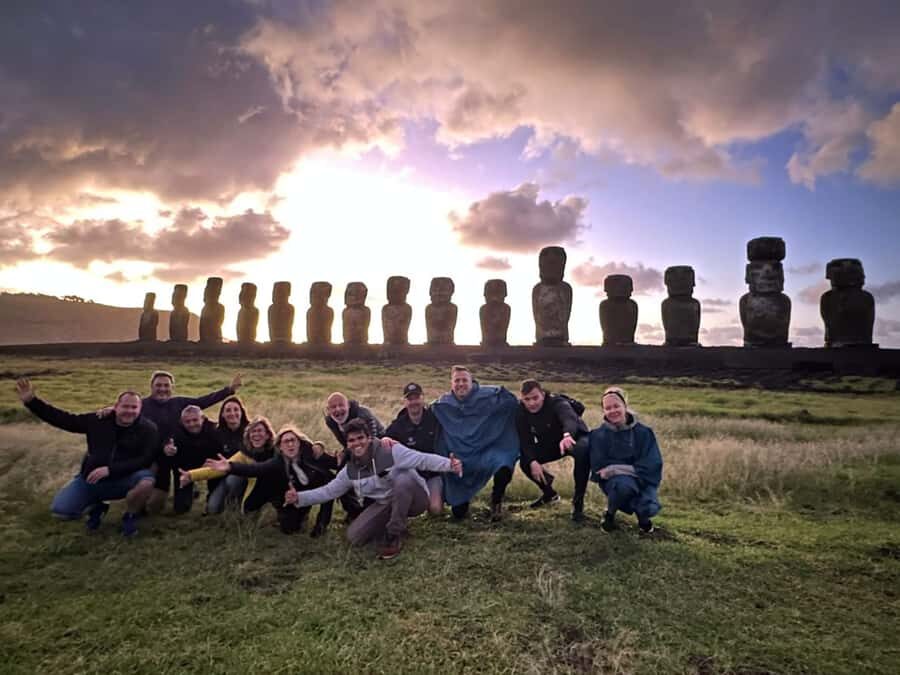
This is a 2-hour private tour with hotel pickup and drop-off in Hanga Roa. The pickup time depends on the season: 06:00 local time from November to March, and 06:30 from April to October.
That early pickup is what allows the tour to hit the sunrise window. The trade-off is that you’re working on a schedule, not a roam schedule. One review feedback point that you should take seriously: after pickup, you arrive about an hour before sunrise, you wait, then you’re asked to leave shortly after sunrise so you’re back in town within the overall 2-hour block. That means you might not get much extra daylight time for lingering.
If you love sunrise as an event rather than a whole-day sightseeing plan, this timing will suit you. If your ideal morning is wandering around longer after the big moment, you may feel a bit compressed.
What you do at the site: coffee, moai, and a guided light show
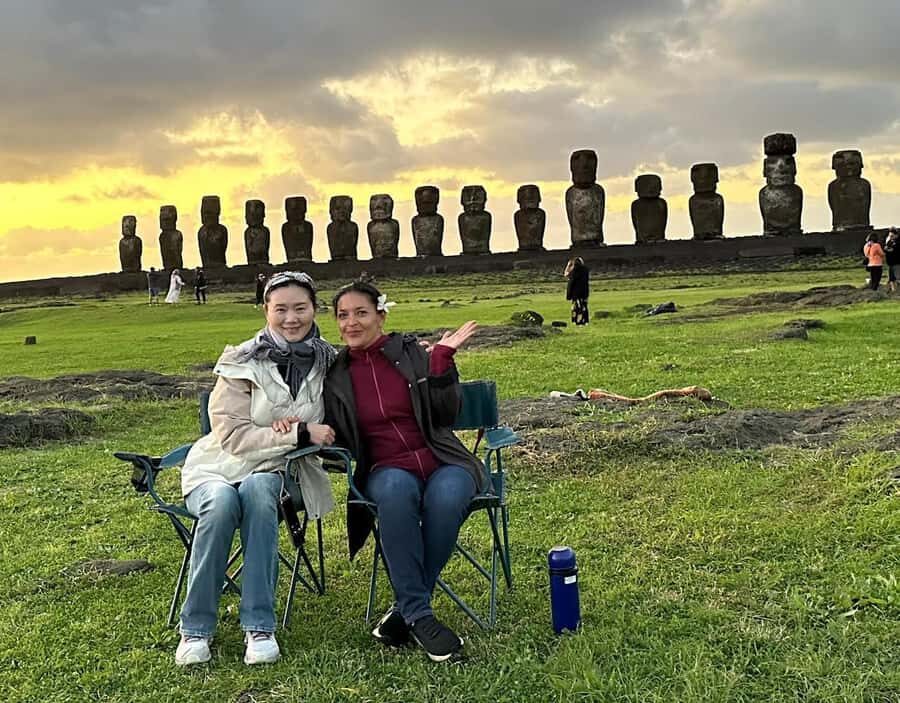
Once you get to the ceremonial platform, the vibe turns quiet in a good way. You’ll likely sit under a dark sky for a bit while the predawn hours do their thing. Then the colors begin. The tour includes coffee at the site, which is a simple but smart detail. Dawn on the island can feel cold enough that a warm drink keeps you comfortable while you wait for the exact moment.
Your guide leads the experience, and that’s where the tour goes beyond a simple arrival-and-snap photos setup. You’ll get a guided explanation tied to what you’re seeing: the moai at Ahu Tongariki and the meaning of this ceremonial space in Rapa Nui culture.
You’ll also see the sunrise arranged by season. The tour is set up so that in the summer season (October to March), you witness sunrise directly at Ahu Tongariki. For the rest of the year, the description notes sunrise viewing from Poike volcano. That matters because the island’s orientation changes how sunrise hits major landmarks, and your guide is positioning you for the best sightline available in that time of year.
This “right place, right season” approach is one of the best reasons to book instead of trying to wing it.
Ahu Tongariki vs Poike: how the season changes your morning
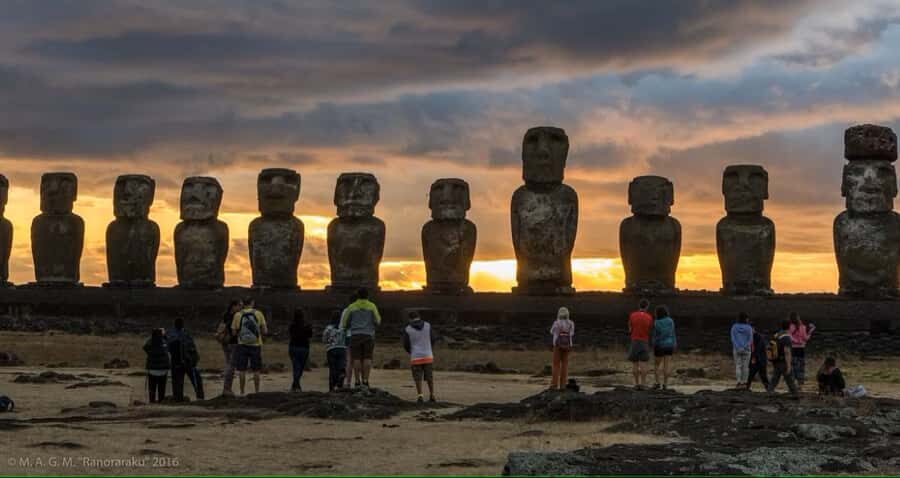
I like when tours admit reality. Here, the reality is simple: the sun doesn’t always rise the same way relative to every iconic monument, depending on the month. So the experience adapts.
In October through March, the tour focuses on Ahu Tongariki for sunrise. In the other months, the tour indicates sunrise from Poike volcano. Even if you mainly care about moai, it’s useful to know this up front so you don’t show up expecting the exact same scene year-round.
From a planning standpoint, the practical value is that you’re not spending your trip doing guesswork. A sunrise tour lives or dies on alignment, and this tour is designed to get that alignment.
One more small practical point: since this is a private setup, you’ll be better positioned than you would be if you were trying to manage your own route in the dark, then relocate once you realize the light angle isn’t working.
Park logistics you should know: tickets and timing
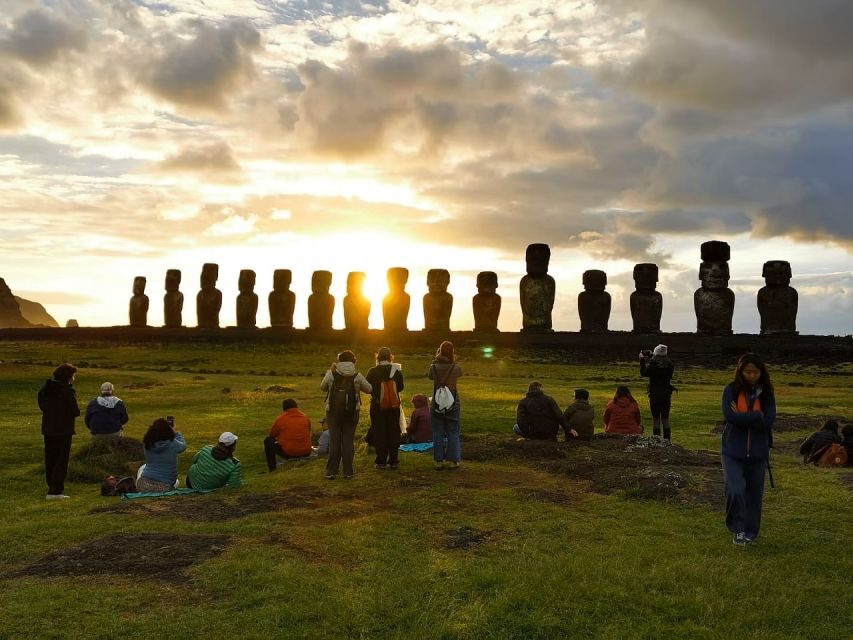
There’s one cost item you should budget for: National Park entrance fees are not included. The ticket is listed as $80 USD. That means the tour price of $128 per person plus the park fee is what you should treat as your realistic total cost.
Is it still good value? For a private guided sunrise with hotel pickup, transport in a private vehicle, water, and coffee at the site, yes, it can be. You’re paying for early timing, a guide, and logistics that are hard to coordinate casually on Easter Island.
But you don’t want a surprise bill. If you compare to options that seem cheaper, make sure you check whether park tickets are included. On Easter Island, that one line item can flip the math fast.
Also note that port pickup is not included. If you’re arriving some other way besides a hotel in Hanga Roa, you’ll need to arrange that separately.
The cultural angle: why the guide matters at sunrise
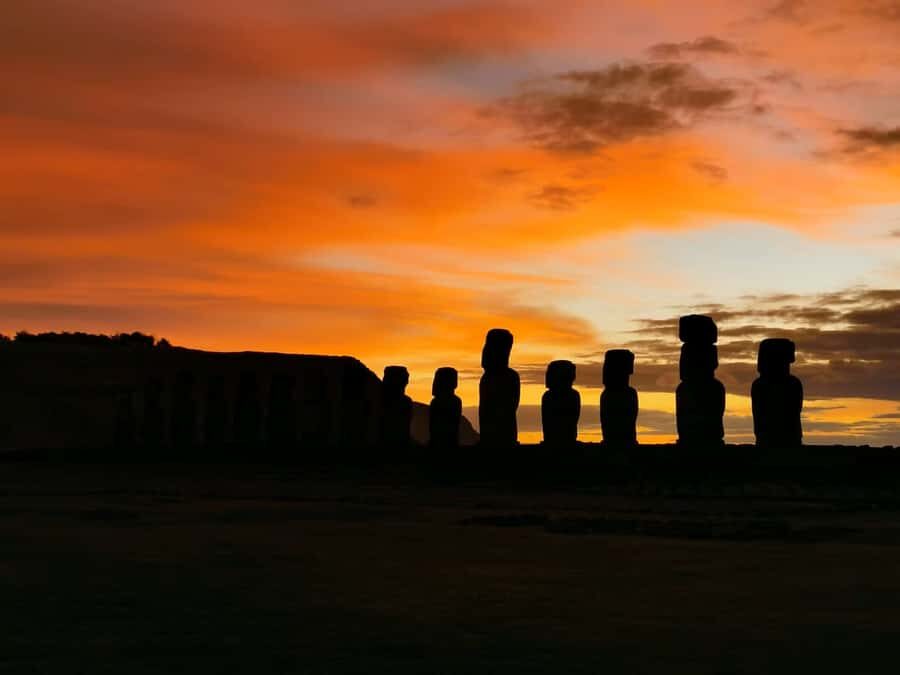
Moai are dramatic. Sunrise is dramatic. Together, they’re cinematic. But the tour’s real advantage is that the guide provides context so you understand what you’re looking at.
A standout detail from guide feedback in the available reviews: one guest specifically thanked Miguel and mentioned his safety focus and the depth of his knowledge, plus the way he added something extra beyond the standard script. When a guide takes time here, it changes the feel from quick sightseeing to a meaningful experience.
Since sunrise is short and you’re often watching the sky more than your feet, it helps when your guide can manage pacing and help you notice details you’d otherwise miss. You don’t just want the picture—you want the moment to make sense.
This kind of cultural framing also fits Easter Island well. The island’s history is complex, and it’s easy to treat moai like pure scenery. A good guide keeps it human—ceremony, community space, and how the islanders shaped meaning into stone.
Comfort and what to pack for a dawn moai moment
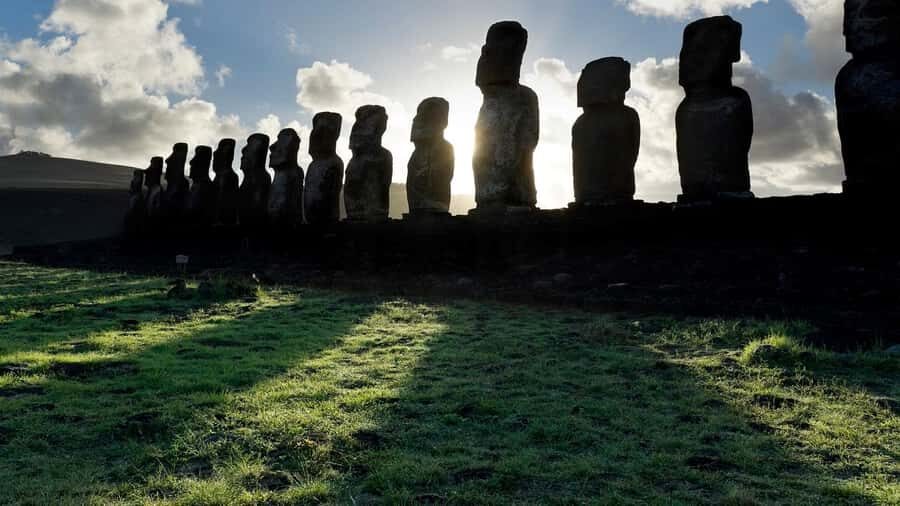
This is a short tour, but it’s still outdoors. You’ll be at the site around early morning, waiting for sunrise and then watching the transition from darkness to light. You’ll get coffee and water, which helps with comfort, but you should still think like a dawn person, not a midday person.
Bring layers. Even with coffee, you’ll be standing and waiting. If you’re sensitive to cold, plan accordingly.
Also, remember the tour is not suitable for wheelchair users and people with mobility impairments. The description indicates it isn’t designed for those needs, so if mobility is an issue, you’ll want to look for a different format.
And if you’re thinking about filming: drones are not allowed in Parque Nacional Rapa Nui unless you have a special filming permit. Don’t assume your drone plans will work—handle permits in advance if you truly need them.
Reviews in one picture: what people love most
The overall rating is solid, and the pattern in the positive feedback is clear. Guests consistently highlight the experience as magical—especially the moment when the moai appear in the light. One review described sitting under the stars in near-total blackness for about 30 minutes before sunrise, then watching the moai come into view as dawn arrived. That matches exactly what a sunrise-first tour should deliver: anticipation, then payoff.
People also appreciate the guide style: thoughtful pacing, cultural context, and in some cases an extra touch beyond the basic tour outline. Naming Miguel specifically is a strong signal that the guides here can make the experience feel personal instead of automatic.
The main negative point is also consistent: the 2-hour structure can feel tight if you want more daylight time around the site. You might do a lot of “waiting + sunrise + leaving.” If that sounds fine to you, great. If you want a long, slow day at the monuments, this might not be the best match.
Price and value: what $128 is really buying
Let’s break down value in a way that helps you decide.
You pay $128 per person for:
- Private tour (not a shared bus)
- Professional guide
- Hotel pickup and drop-off in Hanga Roa
- Private vehicle transport
- Water
- Coffee at the site
- A true sunrise-timed experience that’s hard to self-coordinate in the dark
Then add:
- National Park entrance fee at $80 USD (not included)
So, you’re looking at roughly $208 USD total before any extras you might choose. Is it worth it? Often yes, because sunrise is a timing game. You’re not just paying for a location—you’re paying for the early logistics and guided interpretation that turns a viewpoint into an experience.
If you’re traveling with a group and splitting costs, private tours can also start to feel less expensive relative to what you’d pay for transport plus a guide separately.
If you’re solo and comparing to cheaper group sunrise options, the real question is whether you care about having control over pacing and photos. If you do, private is often worth the difference.
Who this tour suits best
This tour is a strong match if:
- You love sunrise as a priority rather than a bonus.
- You want the best sightline with a guide handling timing.
- You’re staying in Hanga Roa and prefer hotel pickup.
- You care about the meaning of the moai setting, not just a scenic stop.
It’s less ideal if:
- You want extended time roaming in daylight.
- You need accessibility accommodations (the tour is listed as not suitable for wheelchair users and mobility impairments).
- You’re arriving by cruise ship (it’s not available for cruise ship passengers).
- You want a multi-stop itinerary in one morning. This one is focused by design.
Should you book Tongariki Sunrise with Kava Kava Tours?
I’d book it if sunrise is one of the main reasons you’re on Easter Island. The combination of Ahu Tongariki (or seasonally Poike), a guided cultural frame, and dawn comfort like coffee makes it feel like time well spent—even though the schedule is tight.
Skip it or look elsewhere if you need more than 2 hours on-site after sunrise. This tour is not pretending to be a full-day monument program. It’s a clean, concentrated sunrise experience. If you want slow sightseeing, plan that separately.
One final piece of advice: budget for the $80 USD national park ticket before you fall in love with the $128 number. Then you can make a decision with clear eyes—and arrive at dawn ready to enjoy the light show, not do math in the dark.
FAQ
What time is hotel pickup for Tongariki Sunrise?
Pickup is at 06:00 am local time from November to March, and 06:30 am local time from April to October.
How long is the tour?
The duration is 2 hours, including pickup and drop-off.
Is the tour private?
Yes. It’s listed as a private group tour.
Are national park entrance fees included?
No. The national park entrance fee ticket is listed as $80 USD and is not included.
Does the tour include coffee?
Yes. Coffee is provided at the site.
Is the tour available for cruise ship passengers?
No. The tour is not available for cruise ship passengers.
Are drones allowed at Parque Nacional Rapa Nui?
Drones are not allowed within Parque Nacional Rapa Nui unless you obtain a special filming permit from the park in advance.