REVIEW · EASTER ISLAND
Easter Island: Moai Full Day Private Tour
Book on GetYourGuide →Operated by Kapua Tours & Experience · Bookable on GetYourGuide
Moai can feel mysterious from the first moment you see one. This private Easter Island day strings together the island’s most iconic ritual sites, plus lesser-known spots where the stonework tells a different story. I especially like how the route mixes major ahu complexes with quieter, more secretive stops, and I also like that the guide explains what these statues meant to Rapa Nui people.
You’ll spend the day moving through high-impact places like Ahu Tongariki (the biggest cluster of Moai) and the so-called Moai factory at Rano Raraku, but you also get time for off-the-main-road moments like One Makihi, a supine Moai you’re meant to slow down and notice. One drawback to consider: it’s a full 7 hours, and food plus park entrances are not included, so you’ll want to plan for extra costs and bring snacks or money for meals.
In This Review
- Key Highlights That Make This Tour Worth Your Day
- A 7-hour Moai Marathon With Real Variety
- Hotel Pickup, Private Group, and the Practical Start
- Ahu Vinapu: Stonework That Looks Like It Belongs to Another World
- Ahu Ahahanga: Moai in Their Original Ceremonial Position
- Te Pito Kura: Sacred Ground and One of the Largest Moai
- One Makihi and the Value of the Unexpected Stop
- Ahu Tongariki: The Island’s Biggest Moai Grouping
- Rano Raraku: The Moai Factory and Walking Among the Stones
- Ovahe Rose Sand and Anakena Beach: Finish With Ocean Time
- Price and Value: Is $219 Per Person a Smart Move?
- Who This Tour Suits Best
- Should You Book This Easter Island Private Moai Tour?
- FAQ
- How long is the Easter Island Moai full day private tour?
- Is hotel pickup and return included?
- Is this tour private?
- What languages are the live guides available in?
- What is not included in the tour price?
- Can I get a full refund if I cancel?
Key Highlights That Make This Tour Worth Your Day
- Private guide, private pacing so you’re not stuck with someone else’s timetable
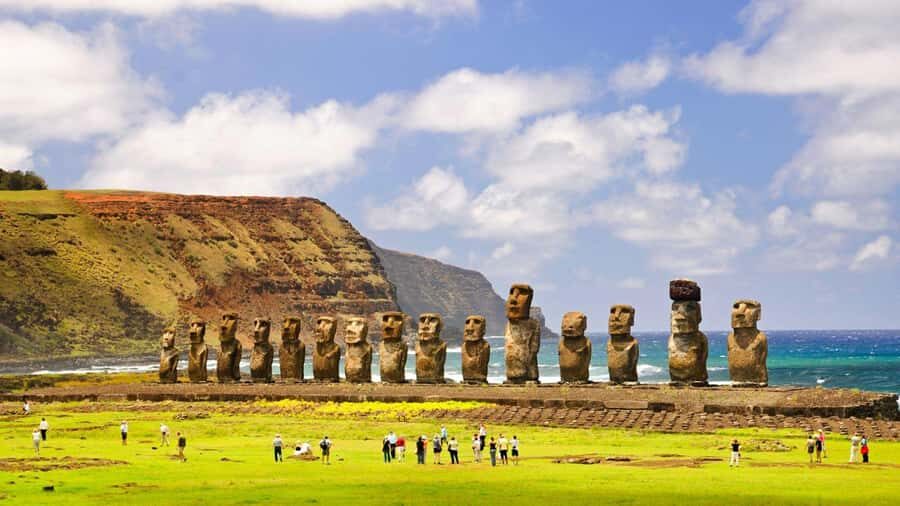
- Ahu Tongariki’s 15 Moai in their original place, built for big-sky photos
- Rano Raraku (the Moai factory) where you can walk among statues in the making
- One Makihi stop featuring a supine, finely chiseled Moai that many routes skip
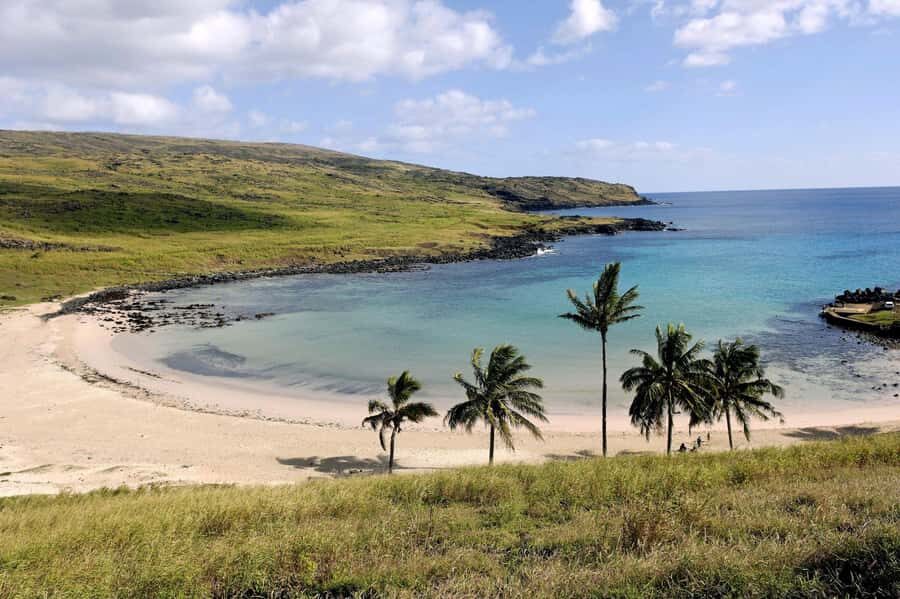
- Rose-sand Ovahe and Anakena beach time for relaxation and possible snorkeling
- Clear cultural context as the guide ties each site to Rapa Nui meaning
A 7-hour Moai Marathon With Real Variety
Easter Island is small on the map, but the culture is spread out in different kinds of sacred space: ceremonial platforms, quarry slopes, and shoreline rituals. This tour feels efficient because it keeps changing the “type” of place you’re visiting—stonework, ceremony, making-of-the-statues, then ocean time.
The big win for me is the balance between the obvious must-sees and the spots that feel more hidden in plain sight. You’re not just collecting photos of Moai; you’re moving from one setting to the next so you can start to see how the Rapa Nui world worked—where power was displayed, where people gathered, and where the stone came from.
You should also know the day is full. If you’re the type who likes long pauses with zero driving and zero scheduling, you might find the pace a lot. But if you want one strong day that hits the island’s most important Moai locations, private makes it easier to keep your questions going.
You can also read our reviews of more private tours in Easter Island
Hotel Pickup, Private Group, and the Practical Start
This is set up as a private group tour with hotel pickup and return, plus an individual bottle of water. That matters on Rapa Nui because the distances are real and the day can feel long; reducing friction at the start and finish keeps your energy for the sacred sites.
The guide is live and comes in English, French, or Spanish, which is a comfort if you want real understanding rather than just seeing stone and guessing at meaning. One more detail I like: you’re asked to wait in the hotel lobby about 10 minutes before pickup, so you’re not left standing around the whole morning.
Price-wise, the tour is listed at $219 per person for a 7-hour private experience. Whether it feels like a deal depends on your travel style: if you’re going with just a few people and you value a full, guided route, private can turn into the most cost-effective way to cover the key sites in one day.
Ahu Vinapu: Stonework That Looks Like It Belongs to Another World
The day starts at Ahu Vinapu, a place known for a wall that visually resembles the kind of stone fitting associated with Inca-style masonry. Even if you’re not chasing theories, this stop is worth it because it gives you a different kind of “wow” than a giant Moai silhouette.
At Vinapu, the conversation becomes about craftsmanship and how stone gets joined, not just the statues themselves. I like that the tour begins here, because it helps you train your eye: once you notice how carefully the edges meet, you’re better prepared for the next stops where the Moai and platforms are part of a bigger engineering-and-ceremony system.
If you tend to get impatient with short stops, this is one to pay attention to even if the time feels brief. The stone wall is an anchor detail—something you can point to later when you’re comparing how platforms were built across the island.
Ahu Ahahanga: Moai in Their Original Ceremonial Position
Next is Ahu Ahahanga, where you can see Moai raised and placed on a ceremonial platform in their original position. This is one of those “don’t rush it” locations because the meaning changes when you can clearly see the placement—how the statue sits in relation to the platform and the way the site was meant to be viewed.
I like this stop because it feels more “complete” than a statue that’s fallen or isolated. You’re seeing the intended lineup—Moai as part of a ritual setting rather than as a lone monument.
The best approach here is simple: take a moment to locate where you’re standing, then look where the Moai are facing. The guide’s explanation is meant to help you connect that orientation and setting to Rapa Nui cultural life, not just to aesthetics.
Te Pito Kura: Sacred Ground and One of the Largest Moai
Then you’ll head to Te Pito Kura, described as a sacred place where one of the largest Moai on the island is located. This stop works because it gives you scale, and scale changes your understanding. A big statue isn’t only impressive; it’s a clue about the effort, organization, and meaning behind the stone.
The tour guide is there for the key part: not only pointing out the Moai, but giving a deeper understanding of why these statues mattered to Rapa Nui culture. I find that if you listen during moments like this, the entire day starts to click—suddenly you’re not just seeing stone, you’re seeing communication.
One practical note: if you’re sensitive to sun and wind, it’s smart to keep water handy and plan for the fact that open-air sites don’t pause for your comfort. This day is outdoors for most of it.
A few more Easter Island tours and experiences worth a look

One Makihi and the Value of the Unexpected Stop
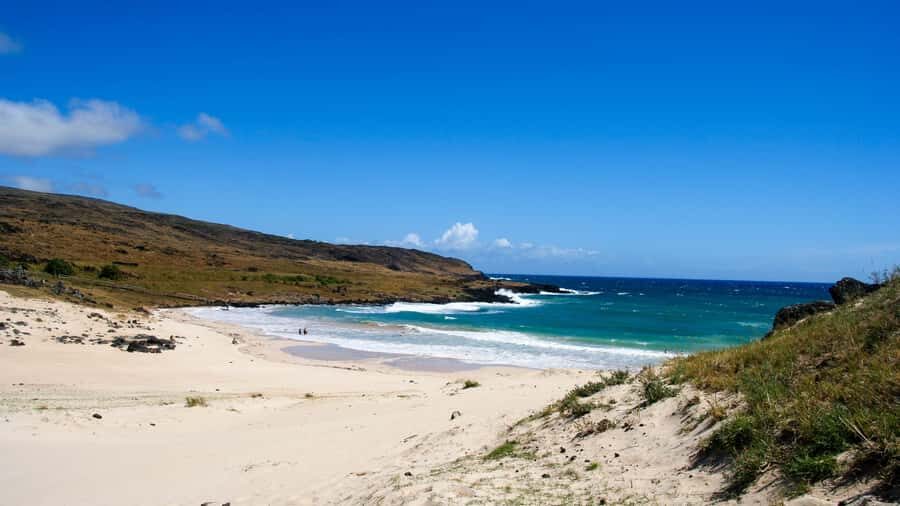
Before Ahu Tongariki, you stop to contemplate an older Ahu called One Makihi, a supine form of a finely chiseled Moai. This is the kind of detail-driven moment that often gets skipped on faster tours, and it’s exactly why it’s valuable.
A supine Moai forces a different kind of viewing. Standing statue interpretations are one thing; lying-down figures shift the focus to craftsmanship, age, and change over time—how the island’s sacred spaces have been altered.
I like that the tour gives a pause here. It’s not only about seeing more; it’s about learning to read what the island shows you when it’s not at its most “postcard perfect.”
Ahu Tongariki: The Island’s Biggest Moai Grouping
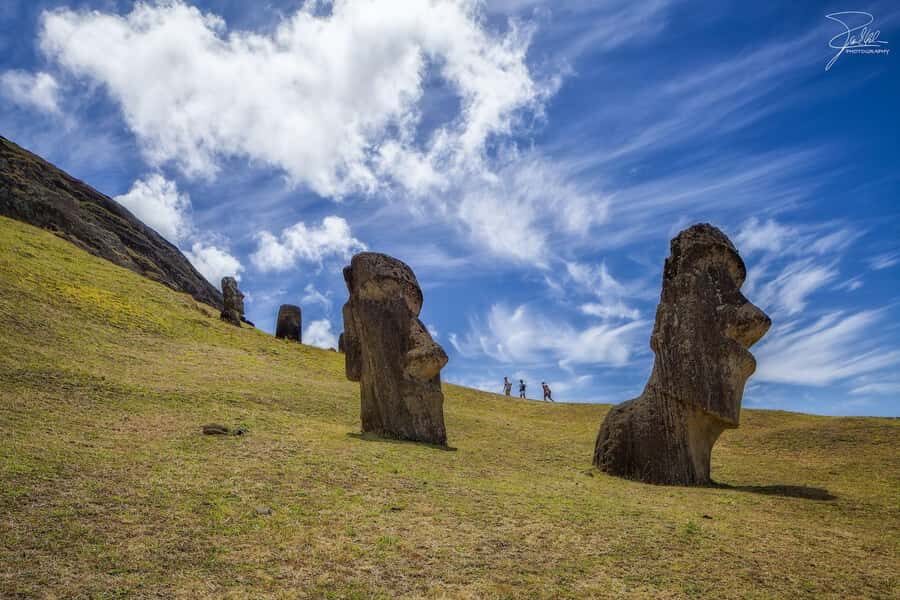
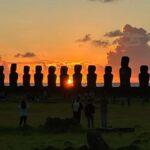
Ahu Tongariki is the headline stop: the largest group of Moai on the island, with 15 imposing Moai in their original place. This is the moment where your mental image of Easter Island snaps into something you can’t unsee.
What makes Tongariki especially effective on a private tour is the chance to spend time without feeling rushed. You can take in the repeating forms of the statues and then listen to the guide’s insight into the history and meaning of the site. That combo—pattern plus explanation—helps your brain understand why Tongariki mattered enough to become the island’s most famous ceremonial scene.
If you’re traveling for photography, this is also one of your best bets for classic Moai framing. Just remember: the best photos often come after a minute of looking, not right at the first second you arrive.
Rano Raraku: The Moai Factory and Walking Among the Stones
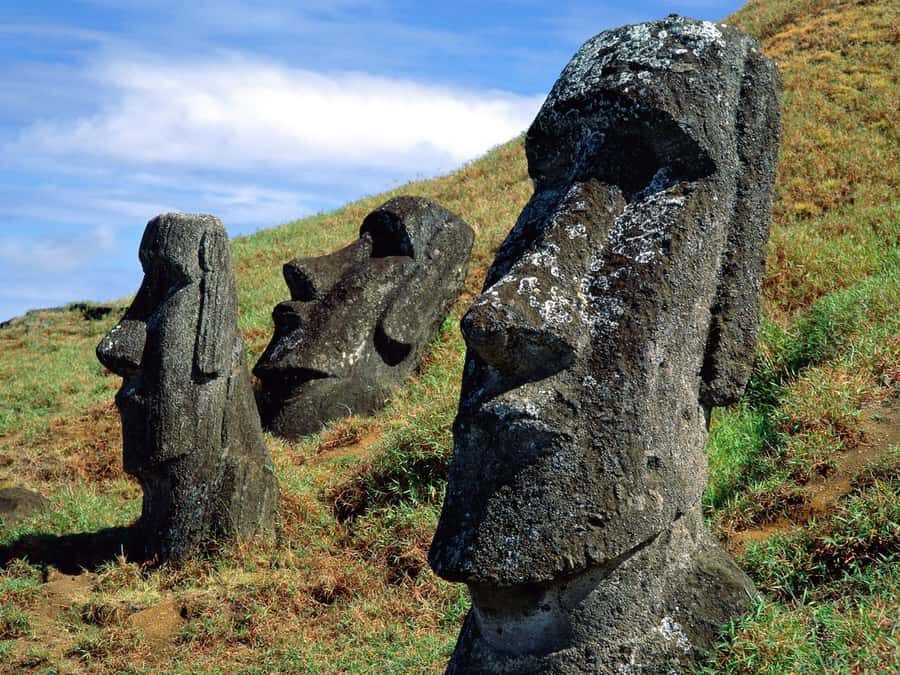
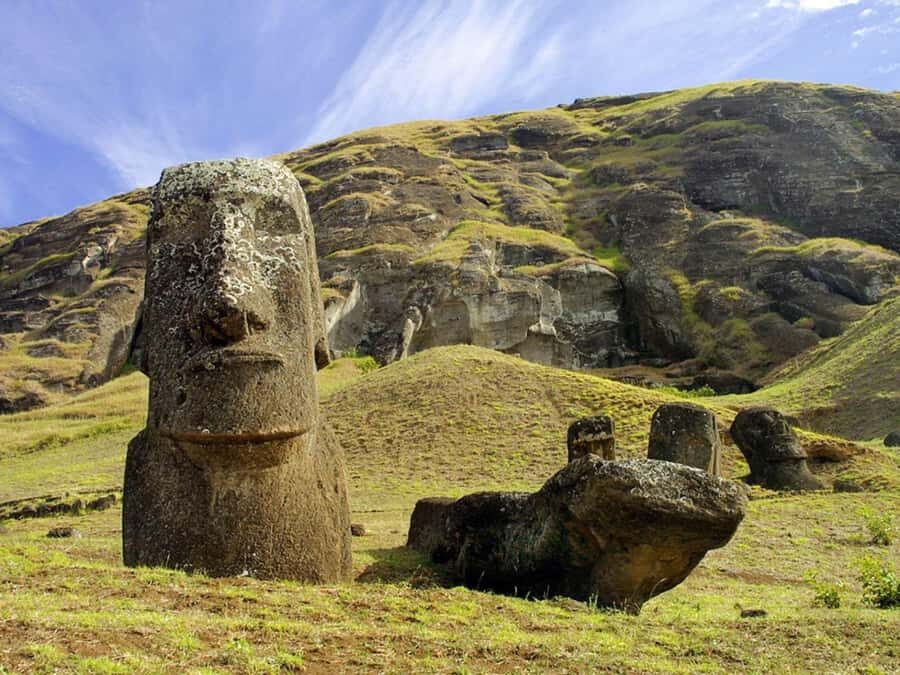
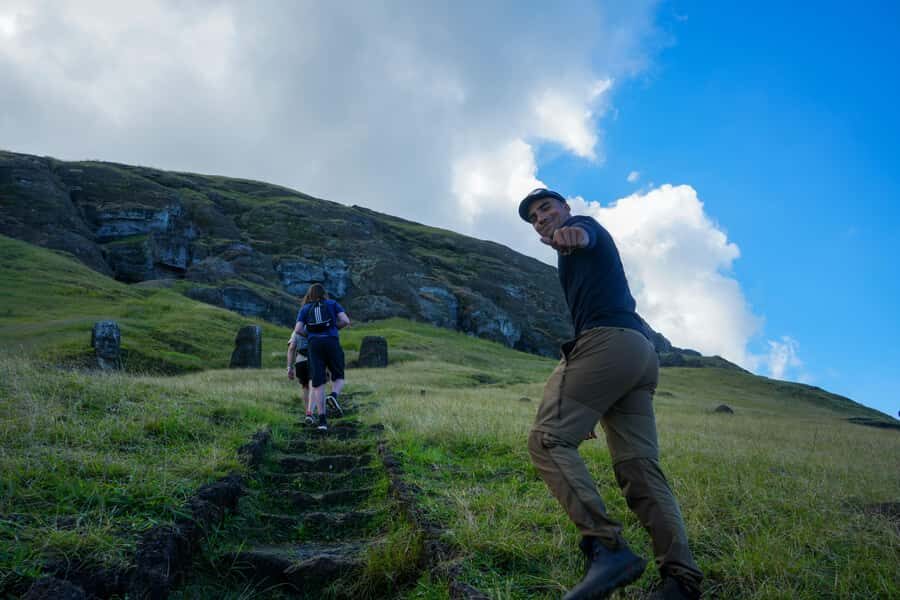
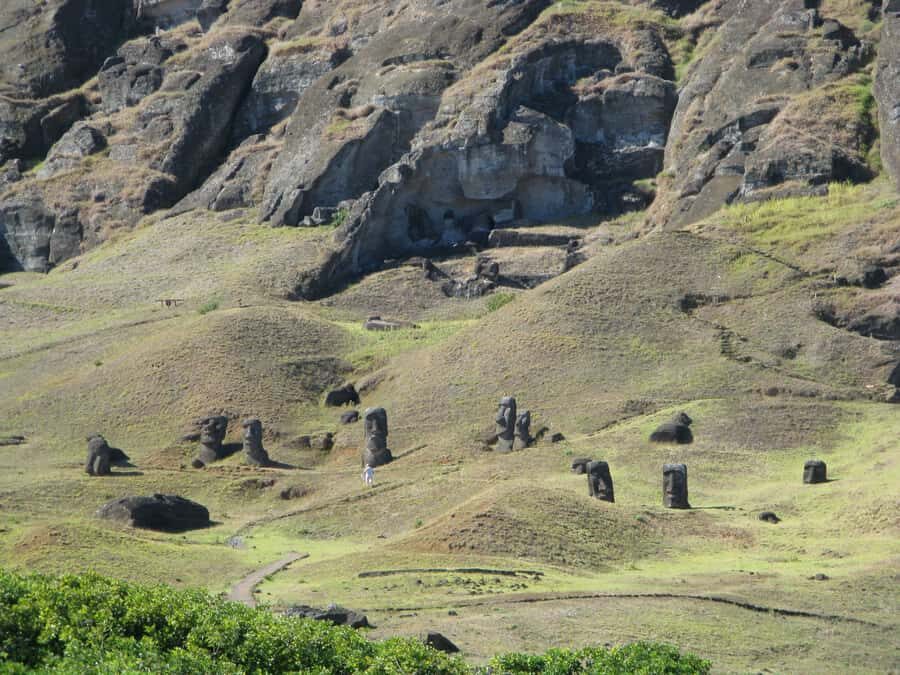
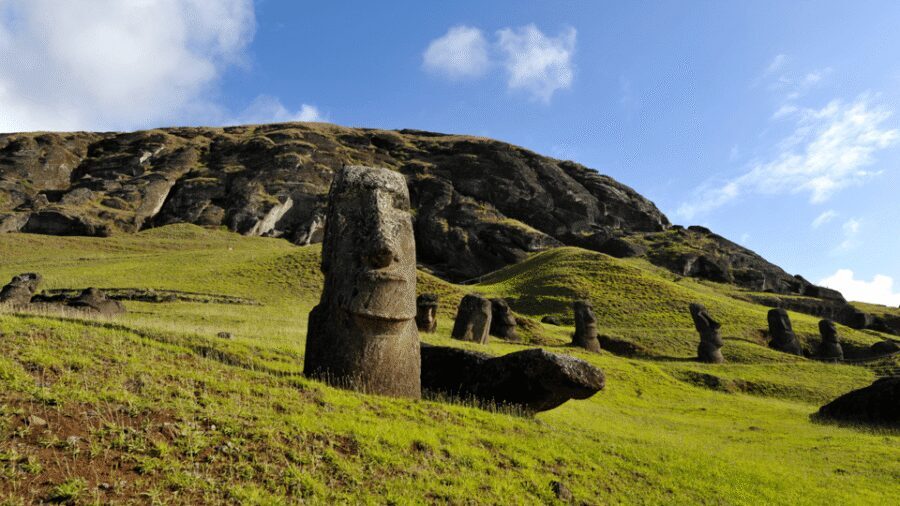
Next comes Rano Raraku, a volcano site often called the Moai factory because it’s where the famous statues were built. The standout here is that you get the unique opportunity to walk among the Moai in the process of being made.
This stop changes your perspective fast. When you’re close to the stone and you can see that some statues are shaped but incomplete, the Moai become real objects rather than distant legends. You start thinking about work, tools, and the decisions required to move from raw volcanic stone to recognizable figures.
The guide adds context about the statues’ significance in Rapa Nui culture, and that’s what makes Rano Raraku more than a quarry tour. It’s the place that answers the question: how did this happen, and what did it mean for the people doing it?
Ovahe Rose Sand and Anakena Beach: Finish With Ocean Time
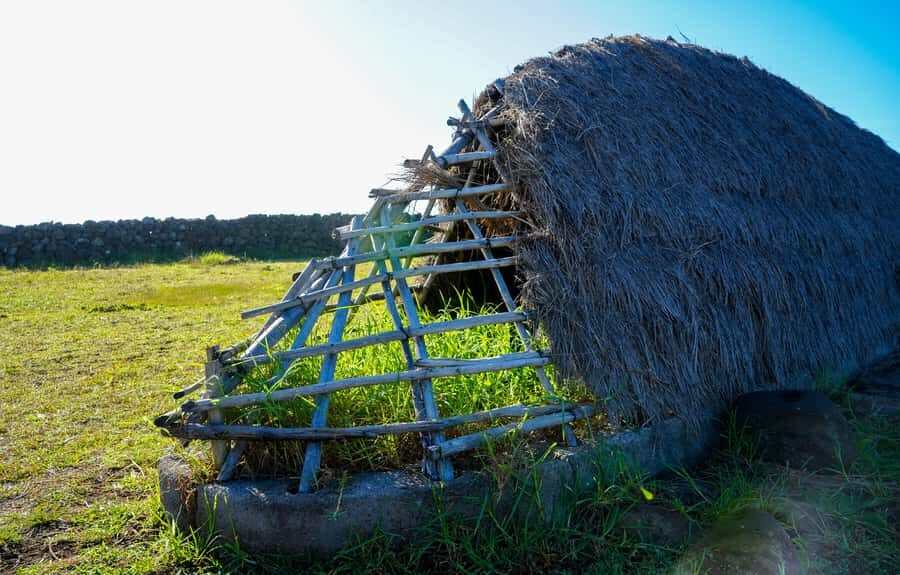
After the stone stops, the day turns gentler with a visit to Ovahe beach to see rose sand. It’s a nice shift because you’re changing from monumental weight to something light and visual. Even if you don’t spend long here, the color detail gives you a different Easter Island memory than “only Moai.”
Finally, the tour arrives at Anakena beach, described as having crystal clear waters and a wide variety of water activities such as snorkeling. It’s an ideal place to relax, and the tour setup includes time to enjoy an open-air picnic while taking in the views.
If you’ve spent hours looking at stone, beach time is not just a treat—it’s recovery. Your brain gets to cool down, and you’ll enjoy snorkeling or just floating more because you’re not rushing.
One small consideration: snorkeling and beach time depend on conditions, so keep expectations flexible. Even without water activities, Anakena is still a strong way to end the day.
Price and Value: Is $219 Per Person a Smart Move?
At $219 per person for a 7-hour private tour, the question isn’t only what you’re paying—it’s what you’re buying. You’re paying for a guided route through multiple major sites plus hotel pickup and a water bottle. You’re also paying for the advantage of a private setting, which usually means more time for questions and a better match to your pace.
Two costs are specifically not included: food and entrance to the parks. That’s the main thing that can change the final total in a meaningful way. If you’re someone who likes to eat out while sightseeing, you’ll want to budget for meals anyway. If you prefer carrying snacks, you may find it easier to manage the day comfortably.
When it comes to value, I think this tour makes the most sense if:
- you want to see the island’s top Moai sites in one day without piecing everything together yourself
- you care about interpretation, not just the view
- you’d rather pay for private guidance than share a bus with lots of stops
Who This Tour Suits Best
This private full-day Moai tour is a great fit for couples, small groups, and anyone who wants a clear, guided story across the island’s most important sacred spots. It’s also ideal if you enjoy hands-on learning moments like walking among the statues at Rano Raraku.
It may be less ideal if you’re traveling with a very tight attention span for driving time, because this day covers a lot of ground. And if you’re hoping for a slow beach-forward itinerary, you’ll probably want a different tour plan.
Guide quality looks like it’s a strong point. One verified booking highlighted Enrique as a wonderful guide who tailored the tour to fit the group’s needs. That’s the kind of flexibility you want on a day where you’re moving between so many meaningful places.
Should You Book This Easter Island Private Moai Tour?
Yes, I’d book it if you want one full day that balances iconic Moai with surprising, less obvious stops—and you like having a guide connect the dots. The route is built for people who want to understand what they’re seeing: Vinapu’s distinctive stonework, Ahahanga’s original ceremonial placement, Tongariki’s big grouping, Rano Raraku’s making-of reality, then the calm break at Ovahe and Anakena.
Hold off if you prefer a lighter day with no park fees to worry about, or if you don’t want to manage meals that aren’t included. But for most visitors aiming to make Easter Island count, this private format is a smart, efficient choice.
FAQ
How long is the Easter Island Moai full day private tour?
The tour duration is 7 hours.
Is hotel pickup and return included?
Yes. Pickup and return to your hotel are included, and you should wait in the hotel lobby about 10 minutes before the scheduled pickup time.
Is this tour private?
Yes. It’s a private group tour.
What languages are the live guides available in?
The live tour guide is available in English, French, and Spanish.
What is not included in the tour price?
Food is not included, and entrance to the parks is also not included.
Can I get a full refund if I cancel?
Free cancellation is available up to 24 hours in advance for a full refund.