REVIEW · AHU TONGARIKI
Private tour: where the history of the Moai was born
Book on GetYourGuide →Operated by Hotumatur Rapa Nui · Bookable on GetYourGuide
Moai started in a quarry, not legend. This 7-hour small-group tour on Easter Island turns the mystery into a route you can follow, with hospitality that keeps things friendly from stop to stop.
I really like the human touch here: a native guide who tells the stories in a way that makes the sites feel connected, not like a checklist. Guides like Tete, Sophia, and Hella are known for making the day feel paced, with room for questions and even day-to-day Rapa Nui life, not just statues.
One thing to keep in mind: the schedule can feel tight if you’re expecting a super clearly timed plan at each site. If you’re the type who hates being rushed, ask ahead how they handle timing between quarry, platforms, and the beach, and whether your pickup and drop-off times line up with a full day.
In This Review
- Key points worth knowing
- Moai were made here: how the route teaches the story
- Vaihu and Akahanga: moai on the ground, not on pedestals
- Rano Raraku quarry: the birthplace stop you shouldn’t rush
- Tongariki: standing moai and the sunrise-facing layout
- Te Pito Kura: enormous moai and the spherical stone
- Anakena Beach: where the day turns calm
- Native guides, English or Spanish, and small-group pacing
- Transportation and the “7 hours” reality check
- Price and value: is $150 per person fair?
- Who should book this tour
- Should you book the tour focused on where moai were born?
- FAQ
- How long is the tour?
- What sites are included?
- Is this tour a private experience?
- What languages are the guides available in?
- What’s included in the price?
- Is the National Park ticket included?
- What’s the cancellation policy?
- Is there a reserve and pay later option?
- Where does the tour take place?
Key points worth knowing
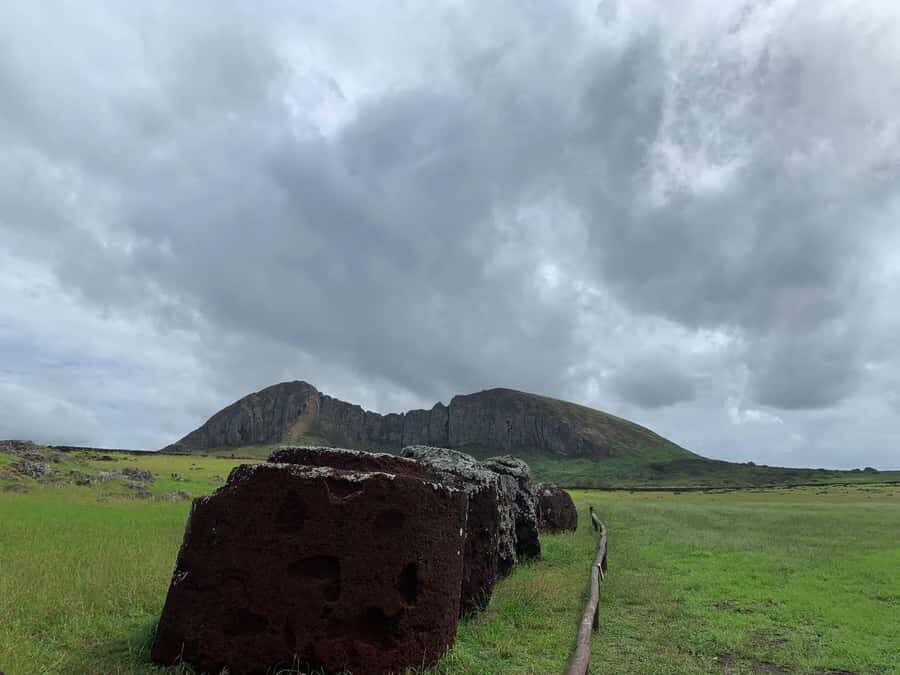
- Rano Raraku is the main event: you’ll see moai in multiple stages, from rough blocks to nearly finished figures.
- Tongariki is a photo moment with meaning: standing moai arranged in a row that face the sunrise.
- You get both worksite and ritual spaces: quarry, toppled moai areas, and sacred legend sites are all on the same day.
- Small group (max 4) helps the pacing: fewer people means more chances to ask questions and move at a comfortable rhythm.
- Native guiding matters here: English and Spanish, with stories that connect culture, not just dates.
- National Park ticket isn’t included: you’ll want to plan for that cost so it doesn’t surprise you later.
Moai were made here: how the route teaches the story
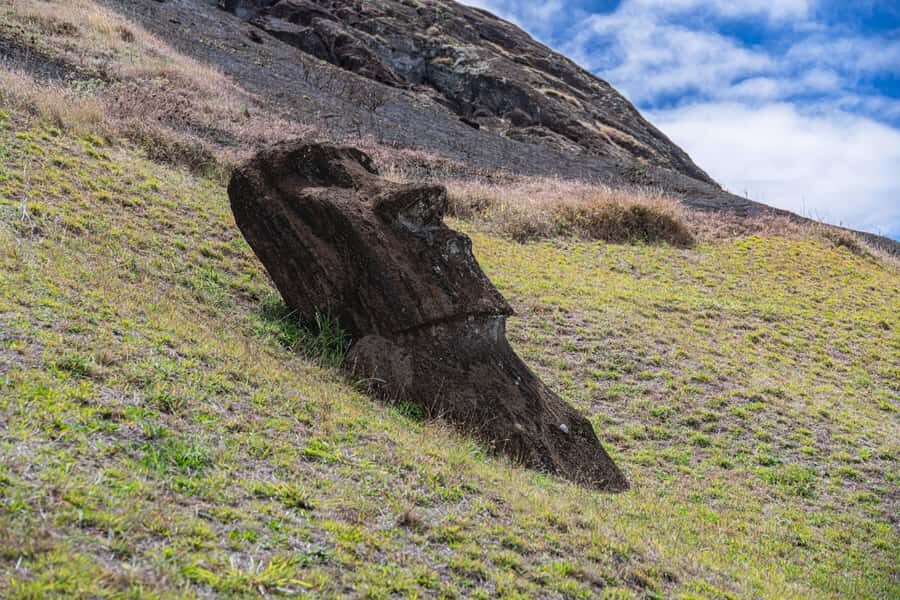
This tour is built around one simple idea: if you want to understand moai, you need to see where they were shaped and where they ended up. That’s why the itinerary leans hard on Rano Raraku, the volcanic quarry considered the birthplace of moai, and then follows the path outward to major platforms and sacred stops.
You’ll move through the island’s best-known moai settings in a single day—quarry, ceremonial sites, toppled statues, and the ocean edge at Anakena—so your brain keeps linking the pieces: stone cutting, carving, placement, and the later mystery of what happened to the figures.
And since this is a small group limited to 4 people, the day tends to feel more like a guided walk through the island’s big ideas. You’re not stuck listening over everyone’s shoulders. You can actually hear the details, ask why, and adjust your questions as you go.
You can also read our reviews of more tours and experiences in Ahu Tongariki.

Vaihu and Akahanga: moai on the ground, not on pedestals
You start at Vaihu, where moai lie scattered across the terrain. This is a great warm-up stop because it changes the usual first impression. Instead of “standing moai as monuments,” you see moai as works-in-progress or fallen pieces of a larger plan. The effect is surprisingly emotional, especially when your guide explains what people likely valued and built, not just what you see.
Then comes Akhahanga, an area tied to older settlement remnants and platforms. Here, you’ll see moai toppled in different conditions—some closer to finished, some in a state that hints at disruption. This stop is where the tour starts to feel less like sightseeing and more like problem-solving: why were these figures moved, abandoned, or left lying where they fell?
What makes these two stops worth your time is pacing. They’re not just photos. They set you up to understand what you’ll see at Rano Raraku, because you learn to look for the differences in placement and stage of completion.
Practical tip: wear shoes with grip. These areas involve walking on uneven ground near stone. You don’t want to waste energy slipping while you’re trying to take in the details.
Rano Raraku quarry: the birthplace stop you shouldn’t rush
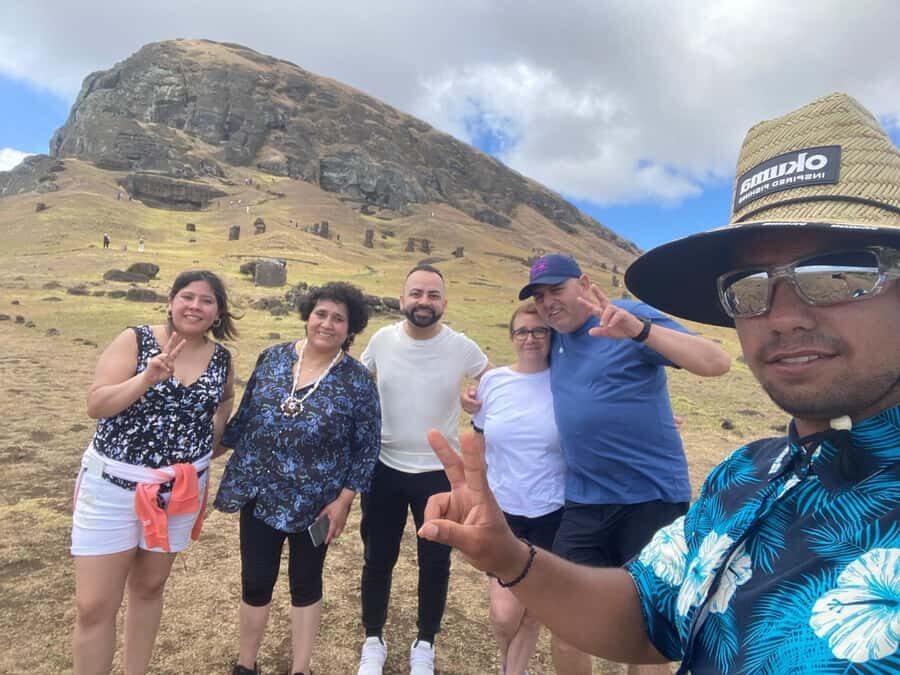
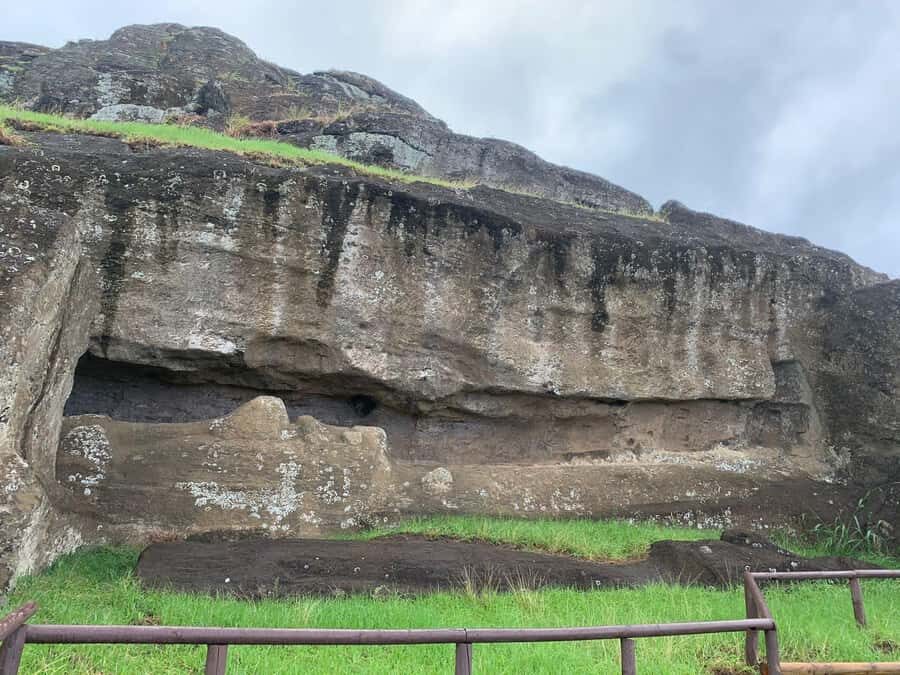
If you only cared about one place on this tour, it would be Rano Raraku. This volcanic crater quarry is treated as the starting point for moai carving, and you can feel why. You’re not looking at a single finished statue. You’re looking at the entire process—stone that was carved, figures that were nearly done, and pieces that never became the final lineup you picture.
The quarry structure helps you understand scale. The walls of the crater and the wide view make it clear this wasn’t a tiny workshop. It was a real, working stone production zone, where the island’s artisans used local volcanic tuff and carving techniques to shape faces and bodies meant to be placed on platforms elsewhere.
Also, pay attention to what your guide highlights. The most satisfying moments here are when someone points out how the carvings reflect stage of work. If you rush this stop, you’ll miss that story.
Small-group advantage: because the group is limited, you can usually spend the time you want looking closely. If you’re the kind of person who reads signs fast and wants more explanation, this is the place where you’ll benefit from asking follow-up questions.
Tongariki: standing moai and the sunrise-facing layout
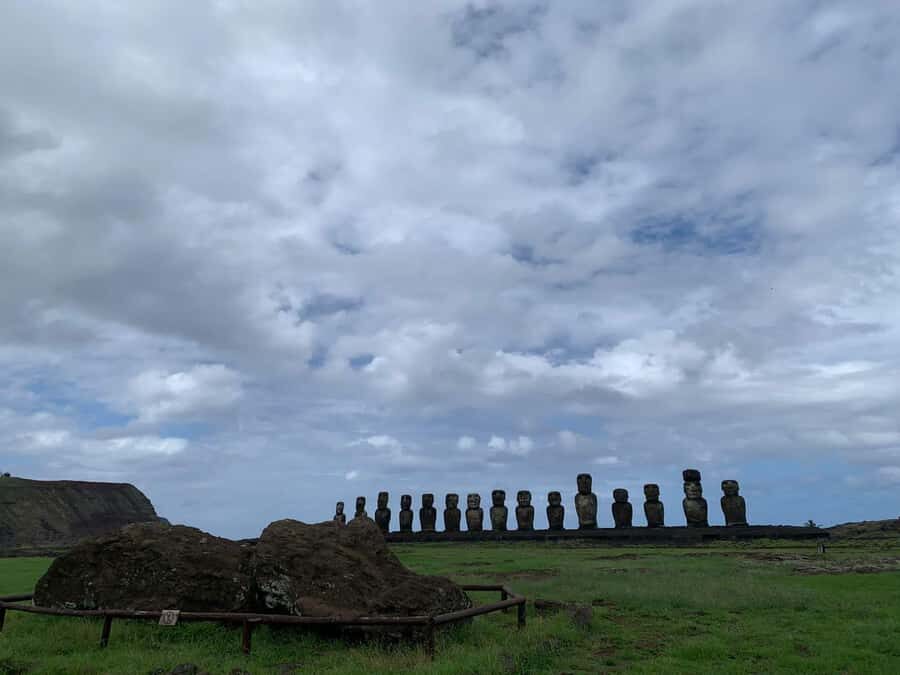
Next is Tongariki, known for the largest and most impressive collection of standing moai. The layout is the big visual lesson. Instead of scattered pieces or fallen statues, you get a long row of figures placed in a way that creates rhythm—one statue leading to the next.
And yes, the row faces the sunrise. That matters because it turns the statues into something more than sculpture. They relate to time of day, light, and the sacred feel of viewing at a meaningful moment. Even if clouds don’t cooperate, you’ll still get that sense of order and intention.
Photo note: bring something for your hands—like sunscreen and a hat—and consider that the light can swing fast near the morning. If you want cleaner shots, stand slightly back and let your guide show you the angle where the row looks strongest.
This is also a good stop to slow down, because Tongariki often becomes a “wow” moment for first-timers. When it’s done well, it connects your earlier understanding from quarry and toppled sites to the idea of final placement.
Te Pito Kura: enormous moai and the spherical stone
After Tongariki, you’ll move to Te Pito Kura, a site wrapped in legend and mystery. Here the focus shifts from creation and placement to meaning. You’ll see an enormous moai and a unique spherical stone that’s often discussed for its special significance.
This stop works best when you listen to how your guide explains the myths. Even if you’ve read about Rapa Nui legends before, the value comes from hearing how a local storyteller frames what the myths meant to people. It’s the difference between facts floating on the page and a narrative that has a voice.
It’s also a reminder that moai aren’t only “art.” They were part of belief systems, power structures, and community identity. Te Pito Kura helps connect that.
Anakena Beach: where the day turns calm
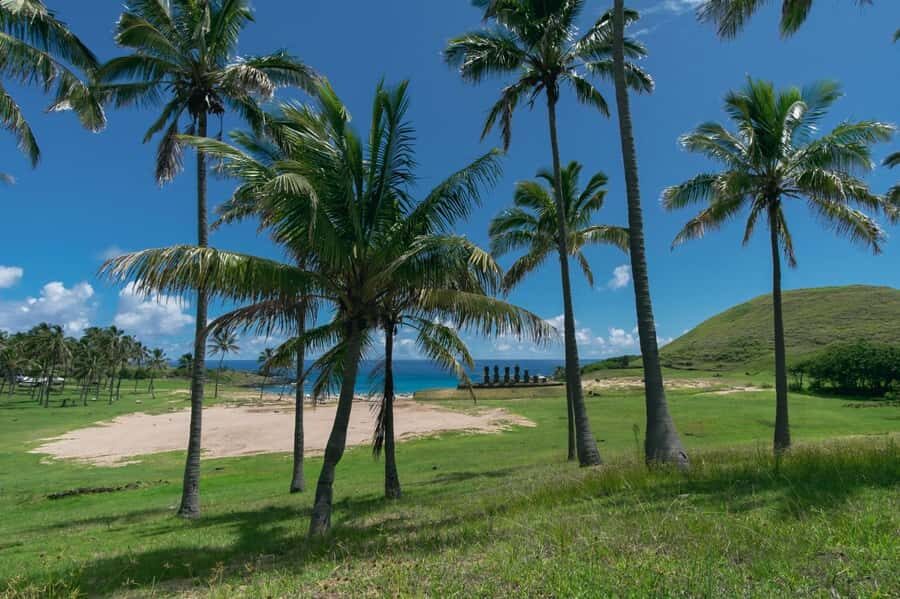
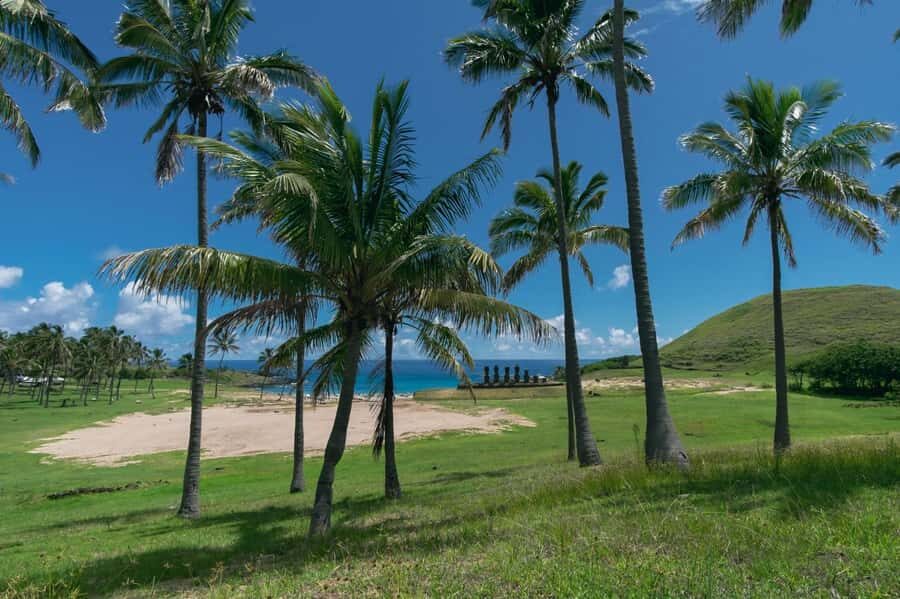
You’ll end at Anakena, a beautiful stretch of white sand backed by palms, with the Pacific out in front. This is a smart ending for a moai-focused tour because it gives you a break from stone and angles and lets you reset your eyes.
Some people come here for swimming, some for photos, and some just to sit with the scale of the day. You’ll often notice that moai at the beach feel different than moai on platforms. At the coast, they look more exposed, more open to wind and sea—almost like the island’s history is still in conversation with you.
If you want to get the most from this stop, give yourself time to do one simple thing slowly: walk the sand, cool off, or just watch the water. You’ll appreciate the earlier sites even more after you’ve had a chance to breathe.
Native guides, English or Spanish, and small-group pacing
The tour is designed to be guided in English or Spanish, which is a huge plus if you want the stories to land in your language without translation gaps. And since it’s a native guide experience, you’re not just hearing generic explanations. You’re getting local interpretation—often the part that makes history feel alive instead of distant.
The best version of this day is when your guide can adjust pace based on your questions. I like tours that allow that. The tour can feel extra personal when the guide meets the group where you are—whether you want more about moai production, more about island life, or more context around what you’re seeing.
A detail that stands out in how this tour tends to run: guides like Tete, Sophia, and Hella are known for friendly, entertaining storytelling. Sophia, for example, is noted for sharing not only history and culture but also everyday life on Rapa Nui, plus some Chilean Spanish—fun if you’re learning or just want to practice.
Transportation and the “7 hours” reality check
Transportation is included, and you’ll get pickup and drop-off. That’s a big convenience on Easter Island, where distances are real and moving without a plan can cost you time.
One practical consideration: a 7-hour tour has to fit quarry, multiple major sites, and a beach stop. If you end up with a rushed itinerary, you’ll feel it most at Rano Raraku, because it’s the quarry where you’d naturally want the longest look.
So here’s my straight advice: when you confirm your booking, ask for a clear expectation of how long you’ll have at each stop and how the timing works between sites. You’ll enjoy the day more if you know you won’t be sprinting from moai to moai.
Also, plan for the fact that National Park tickets aren’t included. Make sure you understand where you’ll handle that, so you don’t lose time at the gate.
Price and value: is $150 per person fair?
The price is $150 per person for a 7-hour, small-group tour with a native guide and transport. On paper, it’s not a budget option, but it can be good value when you compare it to the cost of doing multiple sites yourself with no local context.
Why the price can make sense:
- You get guided storytelling tied to each specific location, not just a general overview.
- You get transportation plus pickup and drop-off.
- Small group size (up to 4) helps you avoid the “factory tour” feel.
Why it might not feel like a win for everyone:
- You still need to pay for the National Park ticket.
- If you’re someone who hates rushed timing, you may want to confirm pacing expectations carefully.
If you’re traveling with one friend or family member, it’s easier to feel the value because the experience remains intimate while you split the cost of a guided day.
Who should book this tour
This tour is a strong fit for you if:
- You want the moai story in a single day, using the island’s key sites as chapters.
- You enjoy guides who explain meaning and not just directions.
- You prefer a small group setup (max 4) over a larger bus day.
It may be less ideal if:
- You need a very structured minute-by-minute itinerary to feel comfortable.
- You’re picky about vehicle condition and expect spotless transport. This tour includes transportation, but you can’t control last-minute changes. If that matters to you, ask about vehicle standards before you go.
Should you book the tour focused on where moai were born?
I think you should book it if you want a logical moai route: start with scattered and toppled statues, go to the quarry where moai were created, then finish with major standing moai and the island’s legend-and-beach contrast. The pacing works best when you’re open to guided storytelling and you’re ready to spend time looking at stone in detail.
If you’re sensitive to rushing, do a quick reality check before you pay: confirm how long you’ll have at each stop and remember the park ticket isn’t included. Ask your guide how they’ll handle timing. It’s a small question that protects a big part of your enjoyment.
FAQ
How long is the tour?
The tour lasts 7 hours.
What sites are included?
You visit Vaihu, Akahanga, Rano Raraku, Tongariki, Te Pito Kura, and Anakena Beach.
Is this tour a private experience?
It’s a small group experience limited to 4 participants.
What languages are the guides available in?
The live tour guide speaks English and Spanish.
What’s included in the price?
Included items are native guide, transportation, and pickup and drop-off.
Is the National Park ticket included?
No. The National Park ticket is not included.
What’s the cancellation policy?
You can cancel up to 24 hours in advance for a full refund.
Is there a reserve and pay later option?
Yes. You can reserve now and pay later, keeping plans flexible.
Where does the tour take place?
The tour is on Easter Island (Rapa Nui), Chile, in the Valparaiso Region.