REVIEW · EASTER ISLAND
Easter Island: Private Full Day History Of The Moai
Book on GetYourGuide →Operated by Kapua Tours & Experience · Bookable on GetYourGuide
Moai at every turn, but the story changes. This private full-day tour on Easter Island is built around the island’s big names and the quieter corners in between, with live guidance in English, Spanish, and French. I love how the route connects the statues’ meaning to where they’re standing, and I also like the balance of famous ceremonial sites with spots that feel more off the radar. You’ll likely hear different explanations depending on your guide, and that’s part of the fun.
Two highlights stand out: the chance to walk among the moai-in-production area at Rano Raraku (the so-called moai workshop) and the dramatic lineup at Ahu Tongariki with 15 moai in their original positions. One drawback to consider is logistics can be tight—pickup timing and smooth coordination sometimes depend on the day’s transport situation, so it’s smart to plan for possible delays and confirm where to meet.
In This Review
- Key things to know before you go
- A private Moai day that strings the island together
- What 7 hours really feels like: pickup, pace, and preparation
- Hanga Roa orientation: the quick setup that makes everything else click
- Ahu Akahanga and One Makihi: small monuments, big clues
- Rano Raraku (the moai workshop): walking among the stones in production
- Ahu Tongariki: 15 moai and the power of one perfect lineup
- Ovahe beach for rose sand: where the day finally exhales
- Te Pito Kura: sacred meaning tied to what the guide points out
- Anakena: crystal water, snorkeling time, and a chance to linger
- Price and value: is $219 per person fair for a private full day?
- Who this tour suits best (and who might want another plan)
- Booking note: guides and communication are the make-or-break
- Should you book this private full-day Moai history tour?
- FAQ
- How long is the private full-day Moai history tour?
- What’s included in the price?
- What isn’t included?
- Is this tour private or group-based?
- What languages are offered for the live guide?
- Where does pickup happen?
- What are the main stops you’ll visit?
- Is there walking involved?
- Can I cancel for a refund?
Key things to know before you go
- Private group pace: you get a full-day loop designed for seeing multiple sites without waiting on strangers.
- Live guide with language options: English, Spanish, and French are available, so you can match your comfort level.
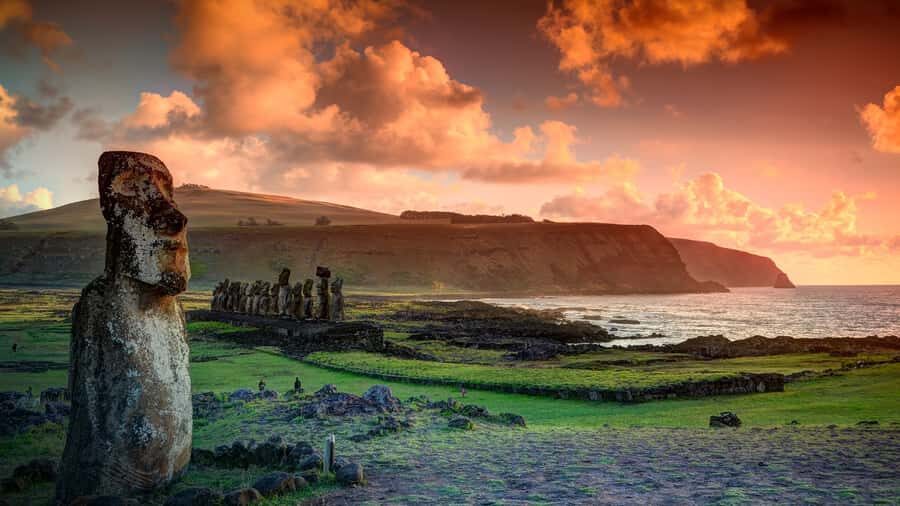
- Ahu Tongariki is the showstopper: you’ll see 15 imposing moai on their ceremonial platform.
- Rano Raraku walking time matters: the schedule sets aside about two hours to explore the quarry area on foot.
- You’ll mix statues and coast: rose sand at Ovahe and beach time at Anakena add a needed breath between stone monuments.
- Food and park entries aren’t included: you’ll want a plan for meals and any required entry fees.
A private Moai day that strings the island together
Easter Island can feel like a museum where everything is labeled—but this tour aims for the opposite. Instead of treating the moai like standalone photos, you’re guided site to site, with explanations tied to placement, design, and ceremonial purpose. That’s what makes a private format especially useful: you can ask follow-ups when something clicks, or when it doesn’t.
You’ll also get a satisfying mix of scales. Some stops are about a single statue lying down or rising on a platform. Others are about a wall of stone presences—made to be seen from the right angle, at the right moment, with the right background knowledge.
Finally, the day has a built-in rhythm. You start with shorter guided segments, move into longer walking time at the moai workshop area, then end with beach downtime—so the day doesn’t turn into one long slog of standing still.
You can also read our reviews of more private tours in Easter Island
What 7 hours really feels like: pickup, pace, and preparation
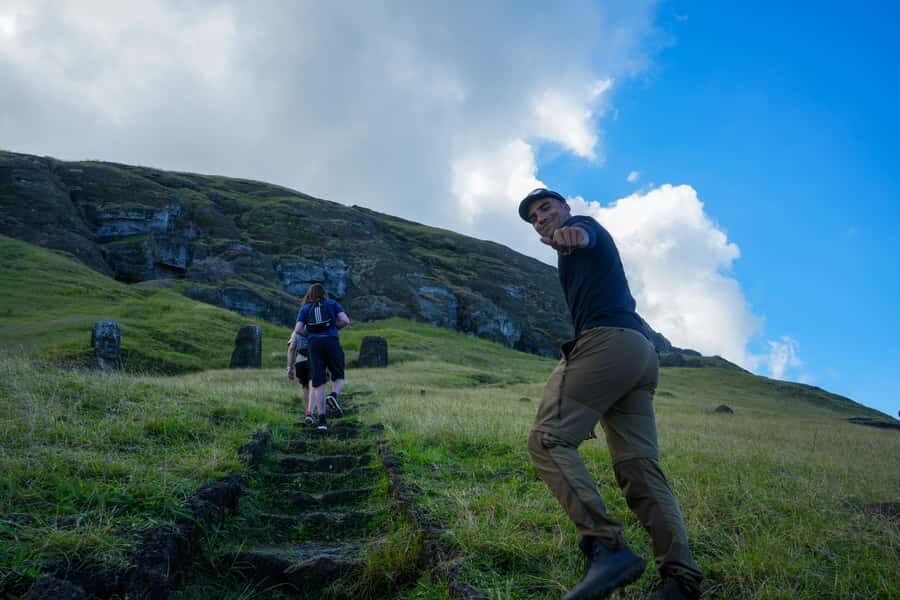
This experience is scheduled for about 7 hours with hotel pickup and return, plus an individual bottle of water. The route is tight enough that you’ll be on your feet at several points—especially around Rano Raraku and Anakena.
From a comfort standpoint, you should expect a day that blends:
- guided tours at multiple sites,
- photo stops,
- and walk time that can add up quickly (for example, Rano Raraku includes about two hours of walking in the area).
Two practical notes you’ll be glad you accounted for:
- Food isn’t included. The day includes beach time where you could plan to eat, but you’ll want snacks or lunch arrangements you control.
- Park entry fees aren’t included. If your trip budget depends on a single payment, double-check what you’ll need to pay separately for site access.
Hanga Roa orientation: the quick setup that makes everything else click
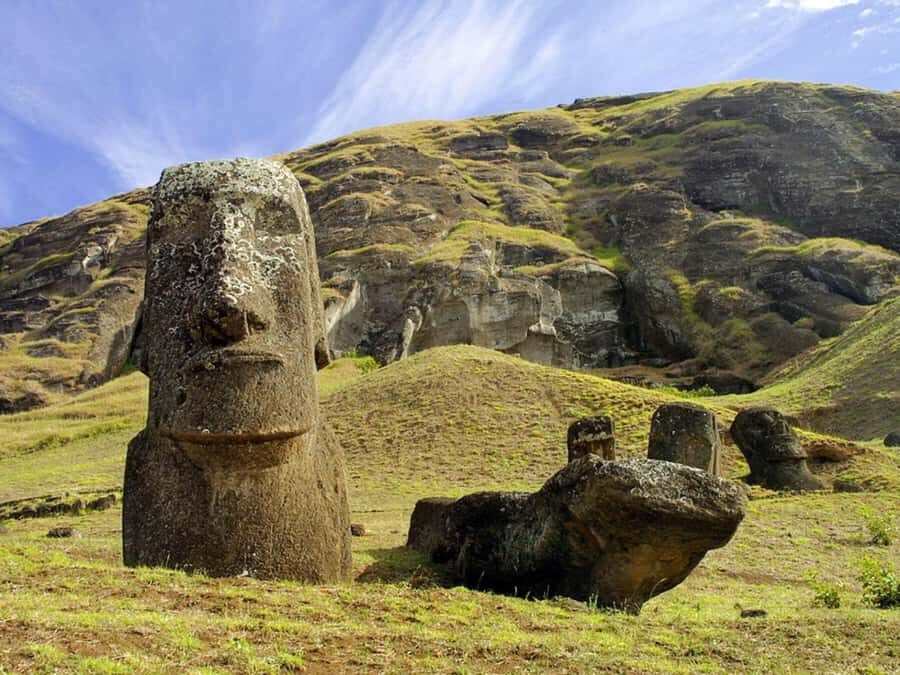
The day begins with pickup from Easter Island and then a short guided introduction in Hanga Roa (about 20 minutes). It may feel brief, but this kind of orientation pays off. You’re not walking into the moai sites as a blank slate—you start with a basic framework for how the ceremonial spaces work and why the statues’ locations matter.
If you’re the type who likes context before the first photo, this early chunk is a good move. It also helps you keep up when the guide starts connecting details—stonework style, platform placement, and sacred meaning—across the day.
Ahu Akahanga and One Makihi: small monuments, big clues
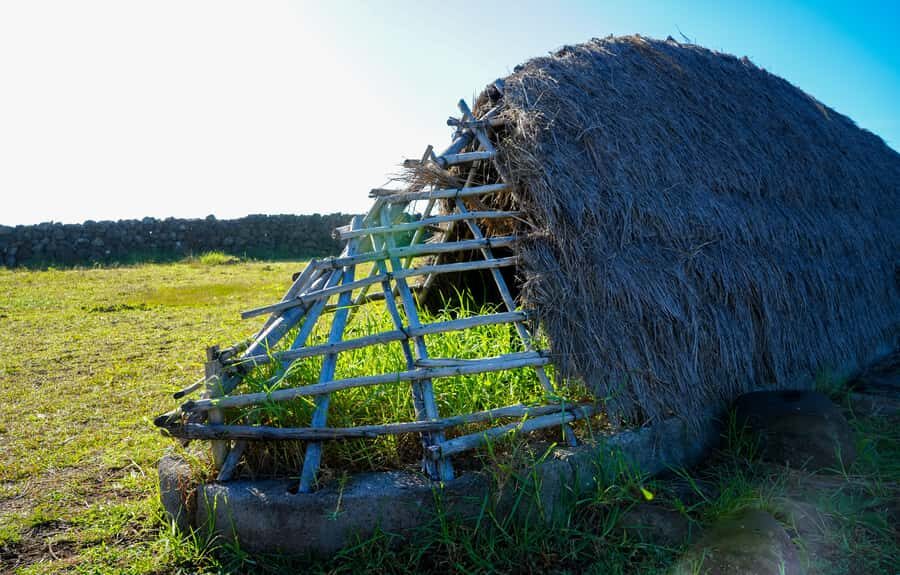
After the Hanga Roa intro, the schedule brings you to Ahu Akahanga for about 30 minutes with photo stops, a visit, and a guided tour plus walking. This is the kind of site where you start learning to look beyond the “moai face.” The platform and surrounding structure give you clues about ceremonial design, including how the statues were meant to be presented.
Then you move to Ahu One Makihi, another about 30 minutes, with time for photos and sightseeing. What makes this stop memorable is the focus on a moai in a different posture: it’s described as a supine form of a finely carved moai. In plain terms, this is where you get a sense of the island’s “statues as events,” not statues as fixed objects. You can start noticing how different arrangements change the story a guide can tell.
A practical payoff: these earlier sites are shorter and less intense physically than the quarry area later. They set your eye for details before you start looking at moai at scale.
Rano Raraku (the moai workshop): walking among the stones in production
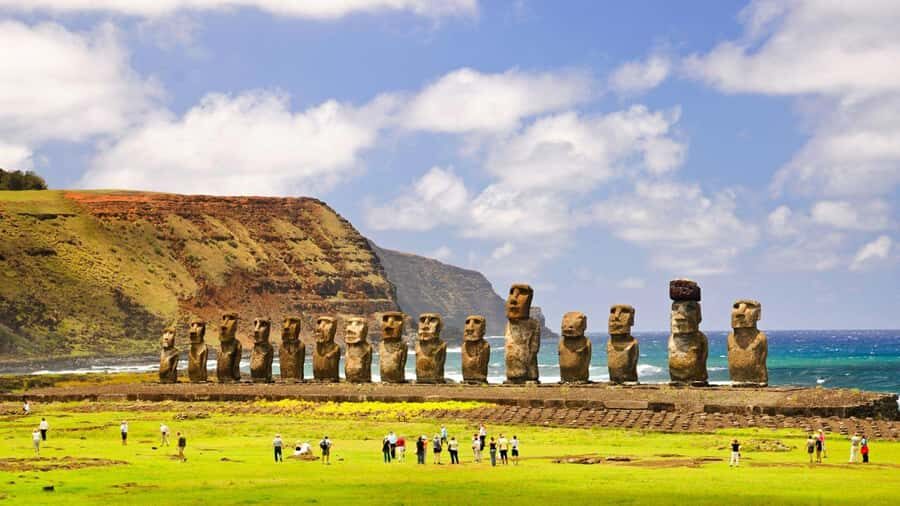
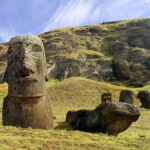
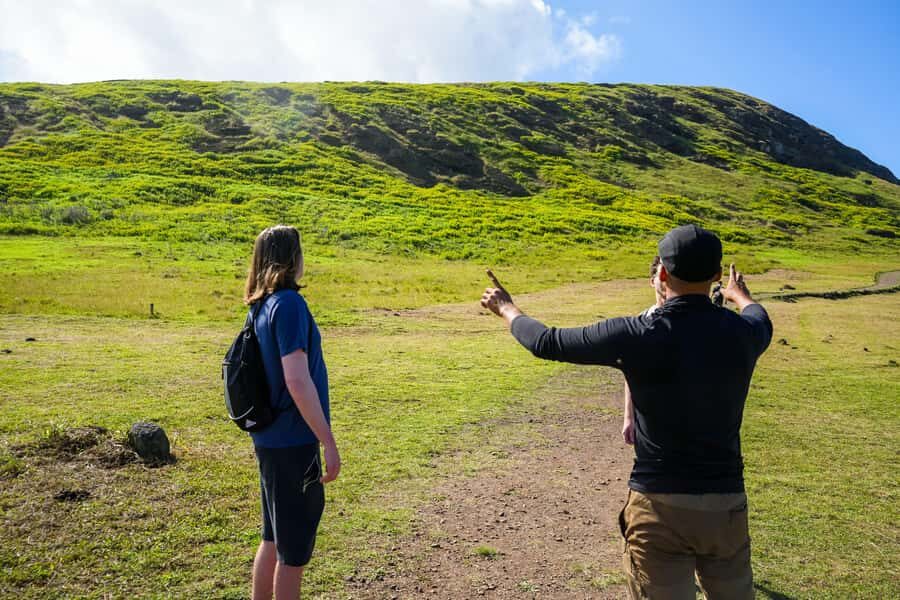
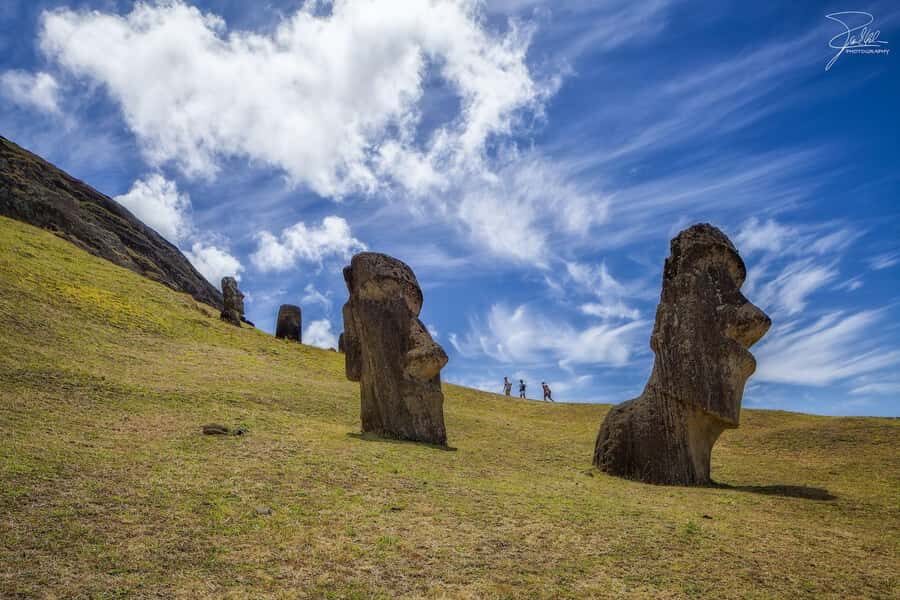
Next comes Rano Raraku, scheduled for around two hours with photo stops, a guided tour, and a long walk. This is where the tour earns its reputation. Rano Raraku is often called the moai factory, and the experience is built around letting you see the working side of the stone—rather than only the finished result.
Here’s the key idea you’ll want to keep in mind while you walk: you’re not just visiting a location that contains moai. You’re in the area where they were made, which means the guide can explain why certain forms look unfinished, partially shaped, or arranged the way they are. That context changes the way you photograph everything. The statues stop looking like identical trophies and start looking like stages of a craft process.
If you have only one “must-see” stop, many people end up saying it’s this one. Even if you love the iconic ceremonial platforms, Rano Raraku gives you the behind-the-scenes chapter.




Ahu Tongariki: 15 moai and the power of one perfect lineup
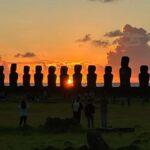
After Rano Raraku, the route heads to Ahu Tongariki, with about 80 minutes including photos, a guided tour, and sightseeing plus walking. This stop is the tour’s headline moment for most first-time visitors.
You’ll be able to see 15 moai in their original place on the ceremonial platform. Standing near a lineup like this does something simple: it makes you understand why people traveled, gathered, and built spaces around these statues. The sheer number matters, but so does the way the site is arranged to view the statues together.
What I like about Tongariki on a guided day is that the guide isn’t just listing facts. You get explanations that help you connect why these statues are positioned as they are, and what the ceremonial staging suggests about Rapa Nui culture.
Ovahe beach for rose sand: where the day finally exhales
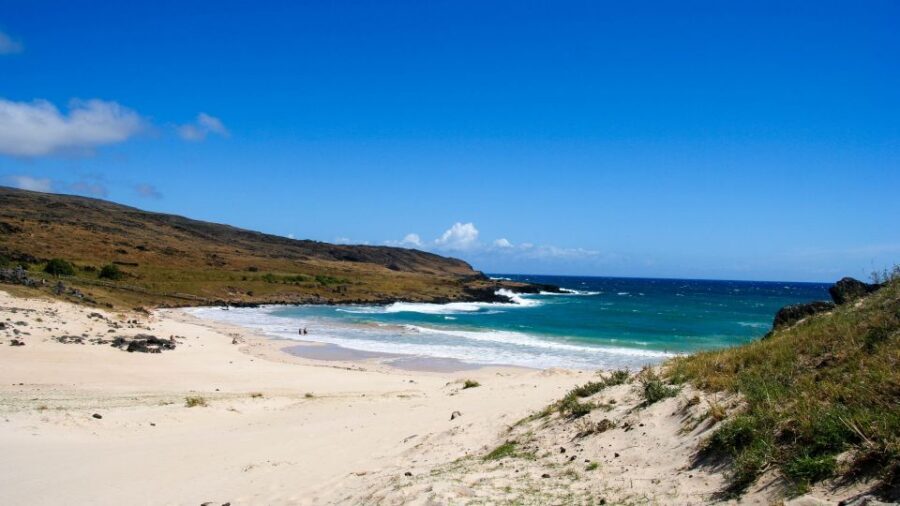
Between the stone monuments and the final beach time, there’s a stop at Ovahe (about 20 minutes). The description highlights rose sand here, and the short visit functions like a reset. You can step away from the moai focus long enough to re-set your attention—then you’re ready for the last big beach stretch at Anakena.
This is a short stop, so don’t expect it to replace your beach time. Think of it as a signature taste of the coast: texture, color, open air, and a chance to step back before you go for a longer swim-capable break later.
Te Pito Kura: sacred meaning tied to what the guide points out
Then the schedule includes Ahu Te Pito Kura for about 20 minutes, again with photo stops, a guided tour, and sightseeing with walking. This is one of the places where guidance really matters, because sacred sites are easy to admire visually and hard to interpret without help.
Your guide will explain why the moai here are important to Rapa Nui culture, and how the site’s role fits into the broader way the island’s ceremonial spaces work. If you prefer more time at interpretive stops rather than only at photo stops, this one tends to satisfy because it’s about meaning more than spectacle.
Anakena: crystal water, snorkeling time, and a chance to linger
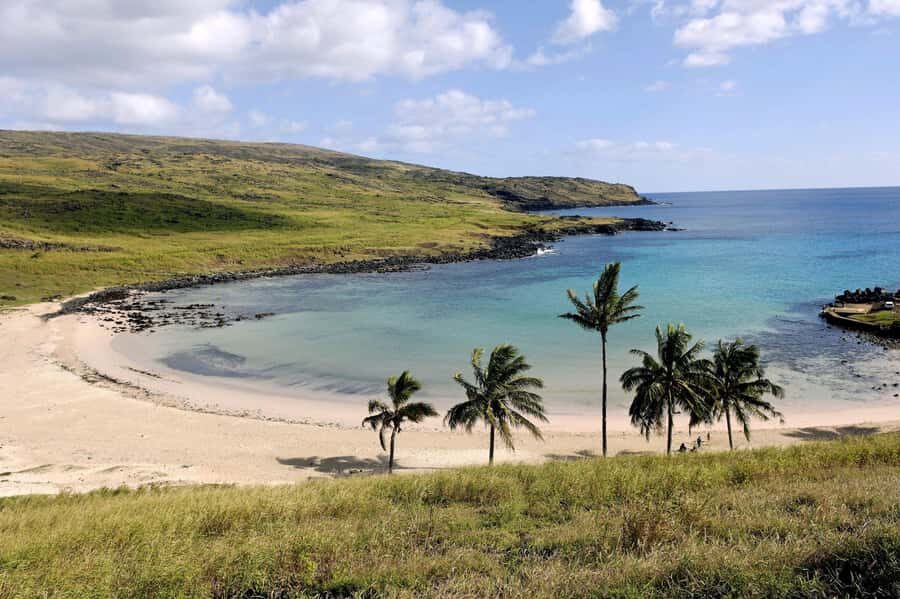
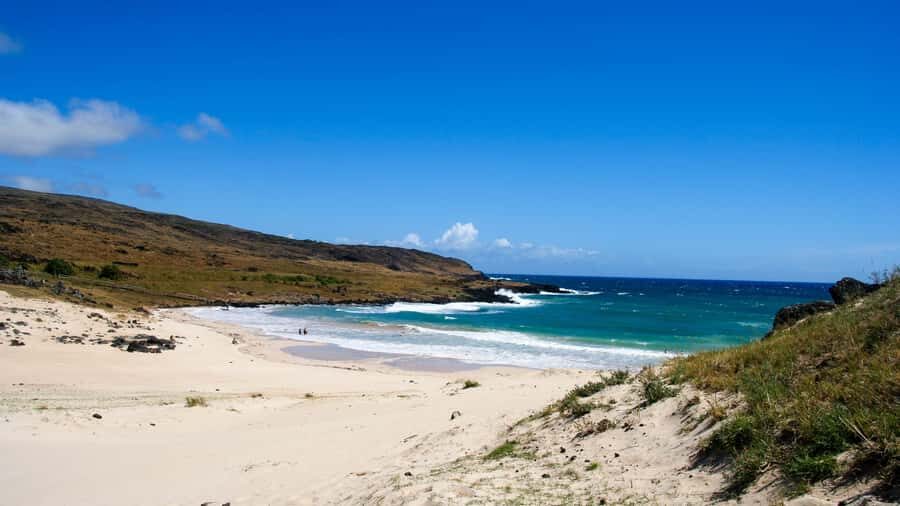
The day finishes at Anakena with about 100 minutes plus an additional 30 minutes block for break time, photo stops, free time, shopping, and scenic views on the way. That extra flexibility is a smart design choice. It gives you a “do what you want” portion instead of forcing a strict itinerary minute by minute.
The beach description is clear: crystal clear waters, snorkeling as a highlighted water activity, and a setting that’s also good for relaxing. The tour also describes Anakena as an ideal spot for a picnic outdoors while you enjoy views of Rapa Nui.
Because you have time here, you can tailor the beach portion:
- if you want to snorkel, you’ll want to be ready for the water-focused segment,
- if you’d rather just relax and photograph, you still have enough time to do it without feeling rushed.
Price and value: is $219 per person fair for a private full day?
At $219 per person for roughly 7 hours, this isn’t the cheapest way to see Easter Island. But private tours usually pay for speed, flexibility, and the ability to ask questions without repeating yourself.
The value argument here is straightforward:
- you cover a long list of iconic and lesser-known moai-related stops,
- you get hotel round-trip pickup and an individual water bottle,
- and you have a live guide in the language you choose.
If you’re the kind of traveler who wants explanations—not just photos—private format starts to feel worth it quickly. If you’re traveling with a group of friends who don’t mind a set schedule, you might still compare options. But if your priority is a connected story across multiple sites, this price tends to make more sense.
Who this tour suits best (and who might want another plan)
This experience is a strong match if you:
- want a single-day loop that hits major moai sites and adds at least a couple of more mysterious stops,
- like guided context while you move between locations,
- and prefer a private setup where your questions can actually get answered.
It may feel like a lot if you prefer slow travel or minimal walking, because the day includes longer walk time—especially around Rano Raraku—and a long beach segment.
Also, because food and park entry fees aren’t included, it’s wise to budget for those up front so the final cost doesn’t surprise you.
Booking note: guides and communication are the make-or-break
The tour’s overall tone depends a lot on the guide and the day’s coordination. In past departures, guides such as Simon and Flora have been singled out for professionalism, warmth, and strong explanations. That’s the kind of outcome you’re hoping for.
At the same time, there’s clear evidence that pickup timing and language performance can vary from day to day. One guide may be strong at Q-and-A; another day may involve misunderstandings due to English skill or simple logistical glitches. If you’re relying on a specific language, or you’re tight on timing because of a cruise tender schedule, send a message in advance and confirm the meeting point.
Should you book this private full-day Moai history tour?
If you want one guided day that connects the moai to place, ritual, and “how they got there,” I’d book it. The tour’s shape makes sense: orientation first, then a mix of ceremonial platforms and the quarry area, and finally beach time so you don’t end the day only thinking about stone.
I’d only hesitate if:
- your schedule is extremely sensitive and you can’t tolerate a pickup wobble,
- you don’t want to pay park entry fees separately,
- or you prefer a slower, fewer-stops day rather than a packed loop.
For most people, though, it’s a practical way to see the core moai highlights while still getting the explanations that make Easter Island feel more than just a backdrop.
FAQ
How long is the private full-day Moai history tour?
The duration is listed as 7 hours.
What’s included in the price?
Hotel pickup and return are included, along with an individual bottle of water.
What isn’t included?
Meals and entry to the parks are not included.
Is this tour private or group-based?
It’s a private group tour.
What languages are offered for the live guide?
The live tour guide is available in English, Spanish, and French.
Where does pickup happen?
Pickup is included from Easter Island, and you’re asked to wait in the hotel lobby 10 minutes before your scheduled pickup time.
What are the main stops you’ll visit?
The tour includes stops at Ahu Akahanga, Ahu One Makihi, Rano Raraku, Ahu Tongariki, Ovahe, Ahu Te Pito Kura, and Anakena.
Is there walking involved?
Yes. The schedule includes walking time at multiple sites, including about 2 hours at Rano Raraku and about 100 minutes at Anakena.
Can I cancel for a refund?
Yes. Free cancellation is offered up to 24 hours in advance for a full refund.