REVIEW · EASTER ISLAND
Easter Island: Demo of How to Carve a Moai statue
Book on GetYourGuide →Operated by Paikea tours · Bookable on GetYourGuide
A wooden moai demo beats browsing. You meet Rapa Nui carver Joaquin at his house and learn how a wooden moai takes shape step by step. I especially like the hands-on tool time and the fact that you leave with a real carved souvenir instead of a photo. One thing to plan for: the class runs in Spanish, so if you speak little Spanish, you’ll want to be comfortable communicating with gestures and patience.
This is a private 2-hour workshop where you start with wood and end with your own moai-style piece. You’ll use the tools and materials provided, and you’ll get explanations tied to the ancestral culture behind the tradition. The biggest drawback for some people is physical comfort: you should wear clothes that can get a little dusty and handle the basic motions of carving.
In This Review
- Key points to know before you go
- Why this wooden moai carving demo feels special on Easter Island
- Meeting Joaquin Rapu’s house: how to actually find the place
- What happens in the 2-hour workshop: from wood block to moai shape
- Tools and materials you’ll use (and why this class includes them)
- The cultural side: how carving connects to Rapa Nui heritage
- Your take-home souvenir: one carved moai you can keep
- Price and value: is $100 per person worth it?
- Who this is best for (and who should skip it)
- Practical tips to get the most from your carving session
- Should you book this moai carving demo on Easter Island?
- FAQ
- How long is the moai carving demo?
- Is this a private class?
- What is included in the price?
- How do I get to the meeting point?
- What should I bring?
- Is it suitable for children?
Key points to know before you go
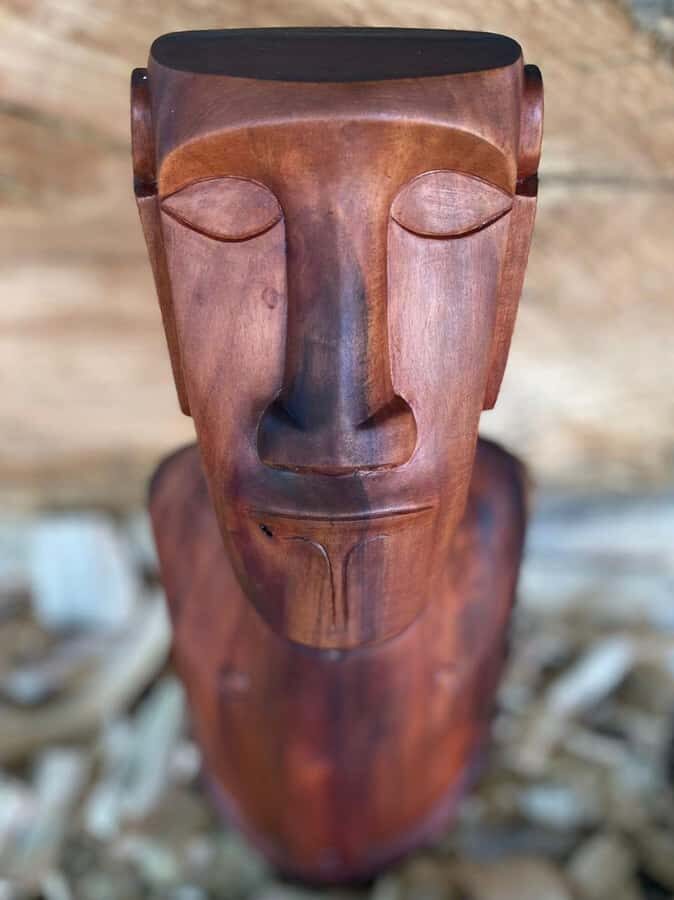
- Meet Joaquin at his home for a true local setting, not a craft store performance.
- All tools and materials are included, so you only need to show up ready to work.
- You carve your own wooden moai and take it home.
- You learn the process, not just the result, including tool use in different steps.
- It’s private and exclusive, with hands-on attention from the carver.
- Language is Spanish, with guidance that can still work if your Spanish is limited.
Why this wooden moai carving demo feels special on Easter Island
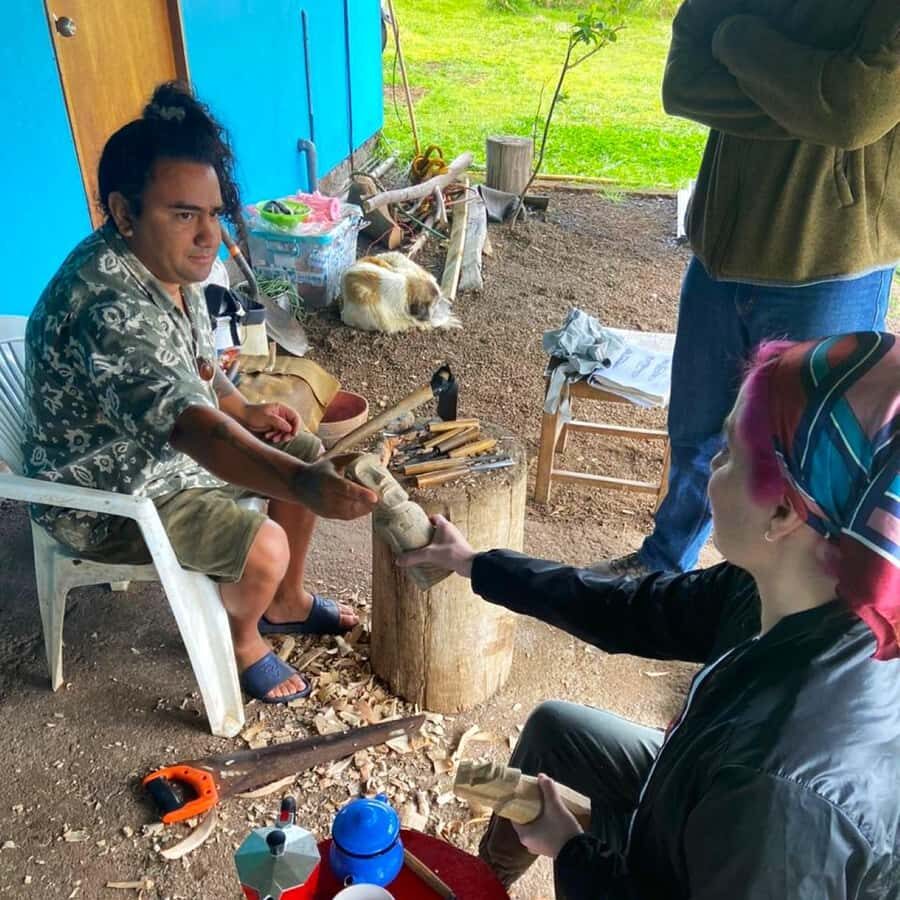
Easter Island can be heavy on monuments. You see statues, you walk paths, you learn names and dates. This experience flips that. Instead of only looking at moai culture from the outside, you handle the materials and follow the same kind of making process the craft tradition is known for.
I love that you’re not doing a generic “souvenir workshop.” You’re working on a wooden moai guided by a local Rapa Nui artist, and the session is framed as part of the island’s ancestral culture. That matters because moai aren’t just decoration here. They’re identity—so when you carve with the right tools, the objects suddenly feel more personal.
The other thing I like is how the experience builds from instruction to creation. You start learning how to use different tools, then you actually carve your own piece. That shift—from watching to doing—is what makes the 2 hours feel focused instead of rushed.
You can also read our reviews of more tours and experiences in Easter Island.


Meeting Joaquin Rapu’s house: how to actually find the place
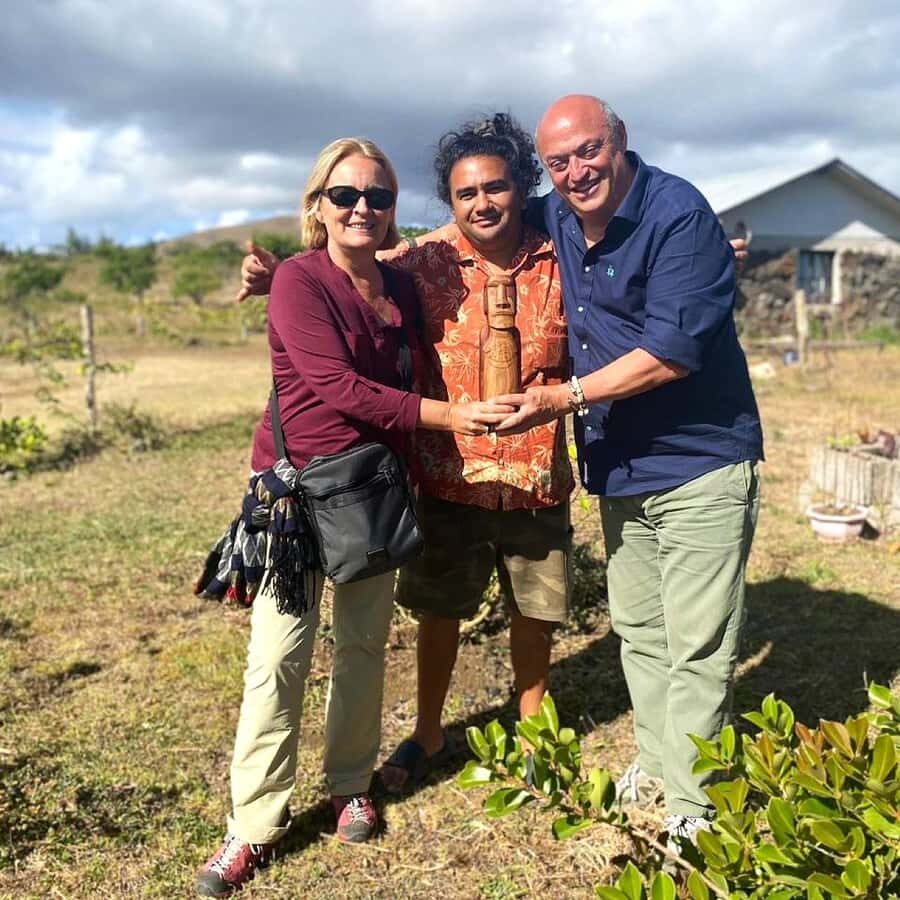
This is one of those tours where location matters. The activity doesn’t start at a central hotel pickup; you meet the artist at his home. The help you’re given is practical: you can request a taxi to Joaquin Rapu’s house, using the exact map link provided.
The meeting-point description is specific: it’s the penultimate light blue house on the road. That kind of detail is gold on Rapa Nui, where the easiest wrong turn can cost you time. If you’re hiring a taxi, show the driver the pin from the link and confirm you’re aiming for the penultimate light blue house.
Since transportation isn’t included, build some buffer into your schedule. Even a small delay can compress your carving time, and carving is the whole point here.
What happens in the 2-hour workshop: from wood block to moai shape
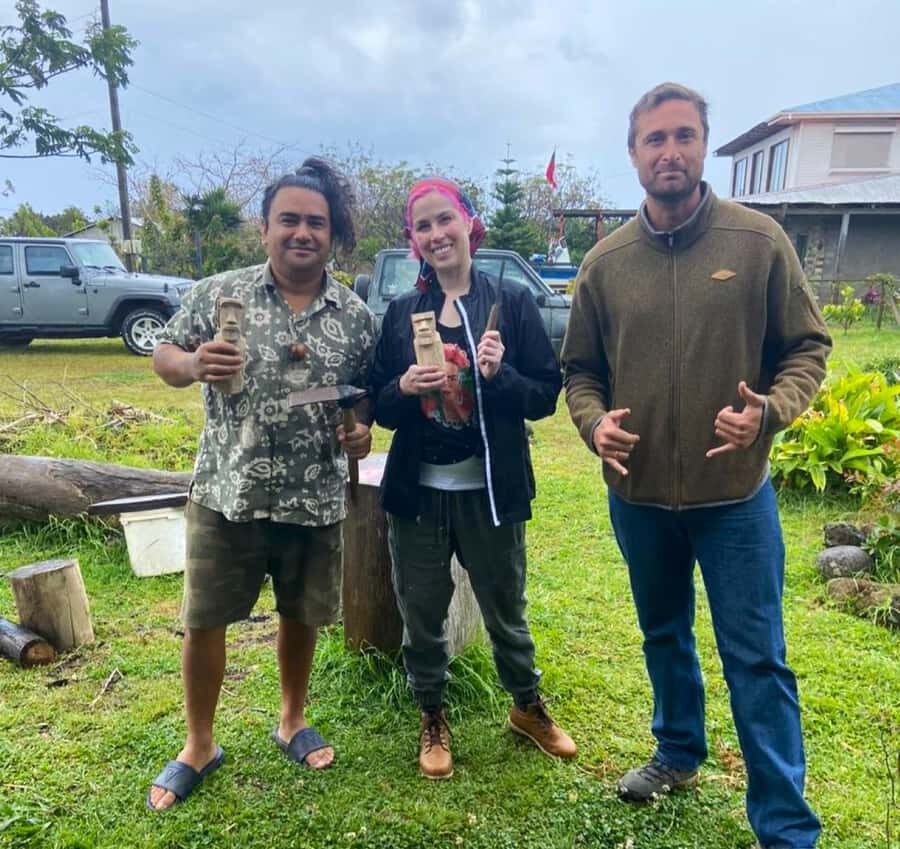
The flow is straightforward, and that’s part of the value. You meet the Rapa Nui artist at his house, and you jump into a carving session designed around learning by doing.
First, you get set up with the tools and materials. You’ll be shown the purpose of the main instruments and the basic way to handle them for carving a moai-style figure from wood. Then you move into active carving—step by step—so you’re not just listening for two hours.
As the workshop continues, the process becomes about shaping. You take the wood you’ll use for the statue and start carving, working with the tools that fit each stage of the work. You’re not expected to become an expert sculptor in one afternoon, but you are guided through enough structure that you can actually create something you’ll be proud to carry home.
This also isn’t a factory-style class. It’s private, so your pace matters. If you need a moment to understand a tool or you want to ask questions as you go, this format is built for that.
Tools and materials you’ll use (and why this class includes them)
A huge plus: all necessary carving tools and materials are included. That means you don’t have to hunt down equipment, worry about borrowing gear, or show up with the wrong kind of tools. On a trip where you’re already juggling transportation, weather, and tight schedules, removing that friction is real value.
You’ll use the tools and materials provided to carve the wood moai statue. That includes learning how to work through the different stages of carving—using the right tool for different parts of the process. The session is hands-on, so the “learning” isn’t theoretical. You’ll feel the difference between tools as you switch tasks.
If you’re the type who likes to understand the why behind the how, you’ll appreciate this structure. Tools aren’t random here. They’re how you go from rough shaping to the recognizable moai silhouette.
The cultural side: how carving connects to Rapa Nui heritage
This is not only craft technique. The workshop includes context about ancestral culture and island history, tied to the moai tradition. You’ll get a glimpse into the culture through the act of making—how the tradition is treated as something you participate in, not only something you view.
Moai statues are described as endemic to Rapa Nui. In practical terms, that means you’re working with an art form that belongs to this island, not a generic souvenir style that could be made anywhere. That one detail can change how you feel about the object you take home.
One more meaningful touch: the artist is hosting you at his home. That changes the tone. You’re not treated like a row in a schedule; you’re treated like someone visiting a practicing maker. For me, that’s where the experience stops being “activity tourism” and becomes a real cultural encounter.


Your take-home souvenir: one carved moai you can keep
You leave with your own carved wooden moai statue. For many people, that’s the entire payoff: a tangible piece of Easter Island that you made with your own hands.
The workshop is designed around creating one moai statue during the session. That’s enough for most souvenir collectors, because it’s truly personal and unique. If you’re traveling as a couple or a small group and you want one each, you might find there’s an option to purchase an additional piece so you both take something home.
Either way, the result is more than a photo prop. It’s a conversation starter you can explain: how you learned the tools, how the wood transformed, and what you did during the two hours.
Price and value: is $100 per person worth it?
$100 per person for a 2-hour private class can look steep at first glance—until you break down what’s included. This price isn’t just “a guided tour.” You’re paying for:
- A private session with a local Rapa Nui artist
- All tools and materials
- Instruction through the carving process
- Your own carved wooden moai to take home
That combination is the real value equation. If you’ve ever done workshops where you pay extra for materials, or where the craft part is mostly watching, you’ll notice the difference here. Because supplies are included, you’re not paying hidden fees or adapting on the fly.
Also, the experience is location-specific and time-specific. You can’t replicate the same learning vibe by buying a mass-made carving. You’re getting the act of carving, plus cultural context, plus the personal souvenir.
If you’re the kind of traveler who likes hands-on activities more than checklists, this price fits your style.
Who this is best for (and who should skip it)
This works best for people who enjoy making things. If you like craft, you want a memorable Easter Island moment that goes beyond statues and viewpoints, and you’re okay with getting a little physical with carving—this is a great fit.
It’s also a strong choice for travelers who prefer smaller, personal experiences. Because it’s private, the session is more flexible for your questions and your pace.
One important note: it’s not suitable for children under 12. That isn’t a personal judgment; it’s about the nature of carving tools and the hands-on focus of the activity.
Language is another consideration. The instructor is listed as Spanish. You can still have a great time if your Spanish is limited, and the artist is described as patient. Still, if you need constant detailed explanations in your language, you should be ready for communication to be partial.
Practical tips to get the most from your carving session
This is a hands-on class, so plan like it’s a working session, not a casual photo walk.
Wear comfortable clothes suitable for wood carving. You’ll likely be standing, leaning, and using your hands in ways that can get slightly messy. Closed-toe shoes can be a smart choice even though it’s not listed, simply because carving tools are involved and you’ll want stable footing.
Bring a camera if you want to capture the process. Seeing how the wood turns into a moai-style figure is one of the coolest parts, and having photos can help you remember the steps later.
Also, go in with a mindset shift. This isn’t about making the most perfect moai in the world. It’s about learning tool use, creating something real, and taking home a unique piece made during your time on Rapa Nui.
Finally, keep your expectations aligned with the private format. You’ll be working directly with the artist, and the experience is in Spanish. If you come with patience and a willingness to communicate, you’ll get more out of it.
Should you book this moai carving demo on Easter Island?
Book it if you want a hands-on Easter Island experience that ends with a real carved souvenir. The private format, the included tools and materials, and the cultural framing make it feel more grounded than the usual tourist version of crafts.
Skip it if you want a low-effort activity, if you’re traveling with kids under 12, or if you strongly need instruction in English (since the session language is Spanish). Also consider it carefully if you have mobility or comfort concerns that would make carving motions difficult.
If your trip includes moai viewing, this is a perfect counterbalance. You’ll still learn about the tradition—but you’ll also understand it through making.
FAQ
How long is the moai carving demo?
The experience lasts 2 hours.
Is this a private class?
Yes, it’s a private group experience.
What is included in the price?
The class includes the private wood carving session with a local Rapa Nui artist, all necessary carving tools and materials, and your own carved wood moai statue to take home.
How do I get to the meeting point?
Transportation to and from the artist’s house isn’t included. You can ask for a taxi to Joaquin Rapu’s house, and the meeting point is described as the penultimate light blue house on the road (see the provided map link).
What should I bring?
Bring a camera and wear comfortable clothes suitable for wood carving.
Is it suitable for children?
No, it’s not suitable for children under 12 years old.