REVIEW · HANGA ROA
From Hanga Roa: Rapa Nui Culture Sightseeing Tour
Book on GetYourGuide →Operated by Hotumatur Rapa Nui · Bookable on GetYourGuide
Moai in every direction, and a guide who can explain them. This full-day Rapa Nui Culture Sightseeing Tour strings together the island’s most famous sites—so you get context, not just photos. You’ll cover Ahu Akahanga, the quarry at Rano Raraku, Tongariki’s huge lineup of standing moai, Te Pito Kura, and end at Anakena.
I especially like the local guide angle: you’re not just walking among stones, you’re hearing the stories and meanings in everyday, human language. I also like that the day is built around major stops, with guided time at each place and a real block of free time at the beach at the end.
One thing to think about: it’s an 8-hour itinerary, so it moves at a steady pace and you’ll spend plenty of time in transit. If you want slow, linger-everywhere photography, you’ll likely need a second day on your own to slow things down.
In This Review
- Key things to know before you go
- Why this one-day Rapa Nui route works
- Pickup in Hanga Roa: comfort, timing, and getting oriented
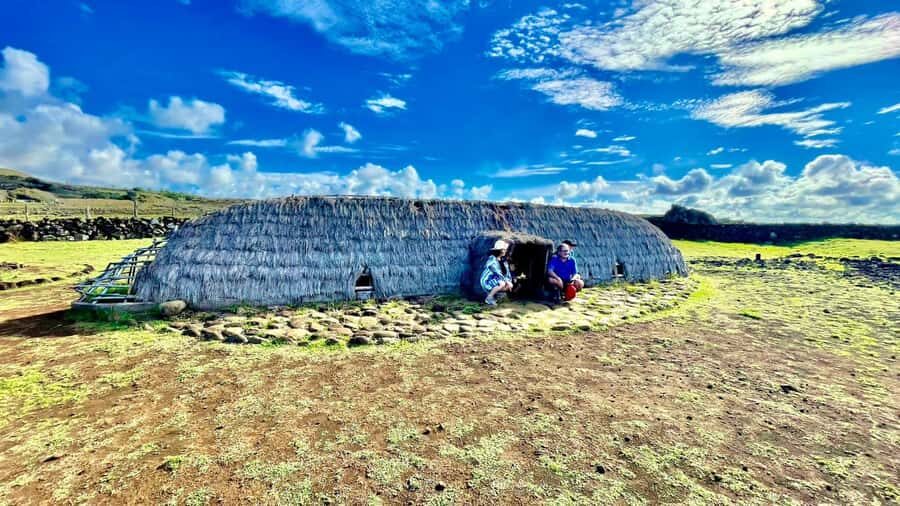
- Vaihu traditional village: set the context before the stones
- Ahu Akahanga: moai amid legend and rugged terrain
- Rano Raraku quarry: the unfinished statues that change everything
- Tongariki: the largest standing moai platform moment
- Te Pito Kura: the magnetic stone and spiritual meaning
- Anakena beach: end the day with real freedom
- Price and what you’re really paying for at $80
- Timing tips so you don’t feel rushed
- Guide quality: local voices in English and Spanish
- Who should book this tour (and who might not)
- Should you book the Rapa Nui Culture Sightseeing Tour?
- FAQ
- What’s included in the $80 price?
- How long is the tour?
- Are lunch and the National Park ticket included?
- What language will the live guide speak?
- Where does the tour start and end?
- Can I cancel for a refund?
Key things to know before you go
- A local guide from start to finish: English or Spanish live interpretation that helps the moai make sense.
- All the headline sites in one day: Akahanga, Rano Raraku, Tongariki, Te Pito Kura, and Anakena.
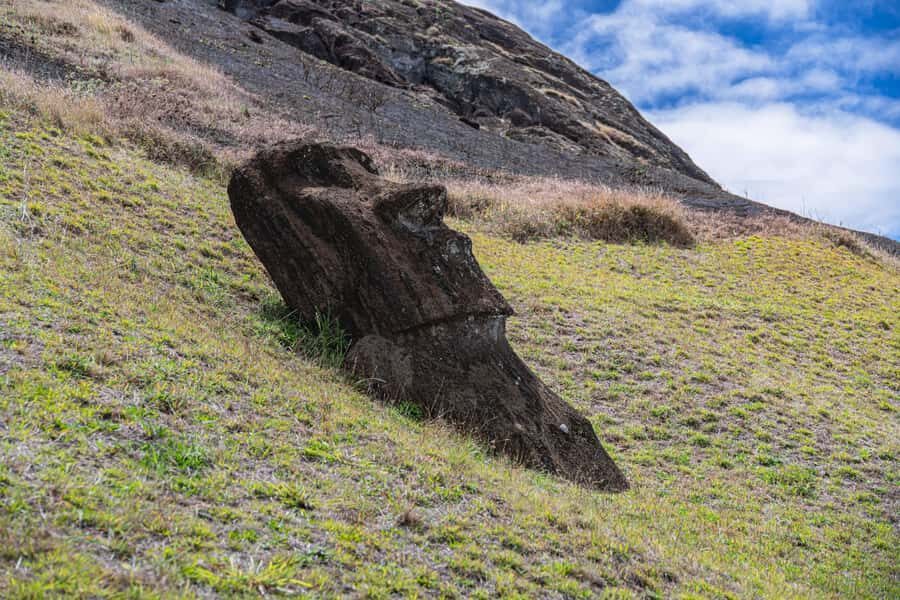
- Rano Raraku quarry time: you’ll see the unfinished statues that show how the carving really worked.
- Tongariki’s scale: the largest platform of standing moai on the island is the big “wow” stop for many people.
- Beach time at the end: about 1.5 hours at Anakena to swim, cool off, and take your last photos.
- National Park ticket and lunch aren’t included: you’ll plan around that to avoid surprises.
Why this one-day Rapa Nui route works
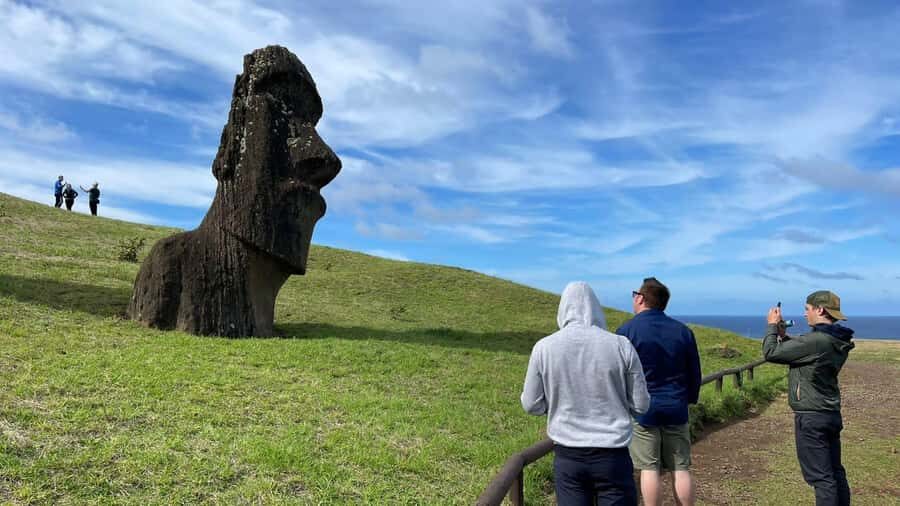
Easter Island is one of those places where timing really matters. Distances are real, roads can be slow, and the “must-see” moai sites are spread out. This tour solves that problem by building one connected loop from Hanga Roa, rather than making you piece the day together yourself.
What makes the experience feel satisfying is the balance between guided focus and personal time. You get guided walking time at the archaeological stops, then you get a chunk of freedom at Anakena when you can switch from history brain to beach brain.
At $80 per person, the price isn’t just for entry into a site. You’re paying for the whole “day machine”: pickup and drop-off in Hanga Roa, transportation, and a live local guide who can connect what you see at Vaihu/traditional village, Ahu Akahanga, and the quarry to what you see later at Tongariki and Te Pito Kura. That’s good value if you’re only on the island for a short stay.
You can also read our reviews of more tours and experiences in Hanga Roa.

Pickup in Hanga Roa: comfort, timing, and getting oriented
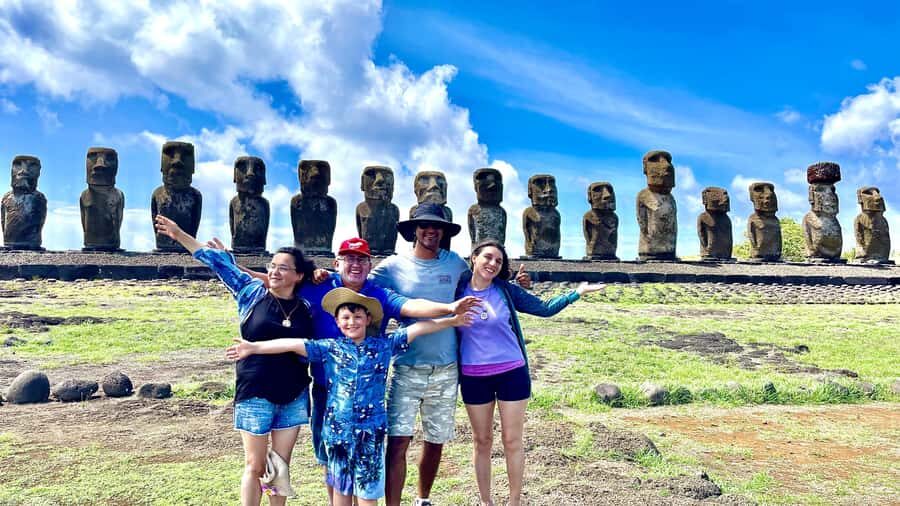
You start with pickup in Hanga Roa, with a clear instruction to wait in the hotel lobby about 10 minutes before scheduled pickup. Once you’re loaded up, the day begins with transportation (including a longer ride segment of around 45 minutes early on).
This is one of those tours where comfort matters. You’ll be on and off the bus repeatedly through the day, so having a coach/minivan that’s comfortable helps you arrive ready to walk. The tour is also listed as wheelchair accessible, which is helpful if mobility is a concern.
A quick practical mindset: treat the first half of the day as “build the mental map.” By the time you reach Rano Raraku, the sites will start feeling like chapters in one story, not separate postcard locations.
Vaihu traditional village: set the context before the stones
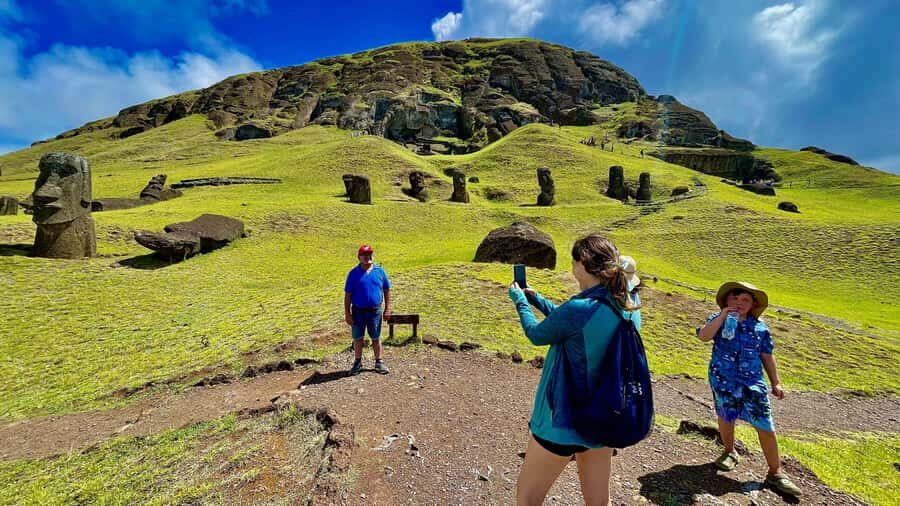
The tour begins with a guided look at the traditional village area (linked with the Vaihu starting point) and includes a guided walk of about 45 minutes. This first segment matters more than it sounds. When you start with a bit of cultural context—how people lived, how communities organized—your later moai encounters hit differently.
This is where you learn to read the island’s details: where you are in relation to the bigger sacred/ceremonial sites, and why certain forms and names keep repeating across different locations. If you enjoy asking questions, this is a good time to do it, because the guide can set up the meanings you’ll then see reinforced at later stops.
Also, this early walk is your warm-up. Wear shoes you’re comfortable with for uneven ground, because the day continues with similar walking times later on.
Ahu Akahanga: moai amid legend and rugged terrain
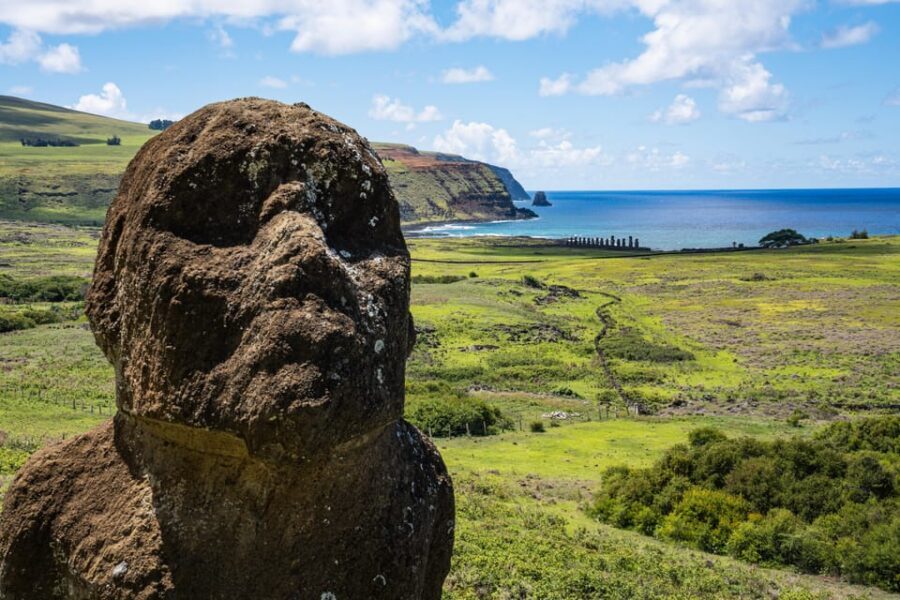
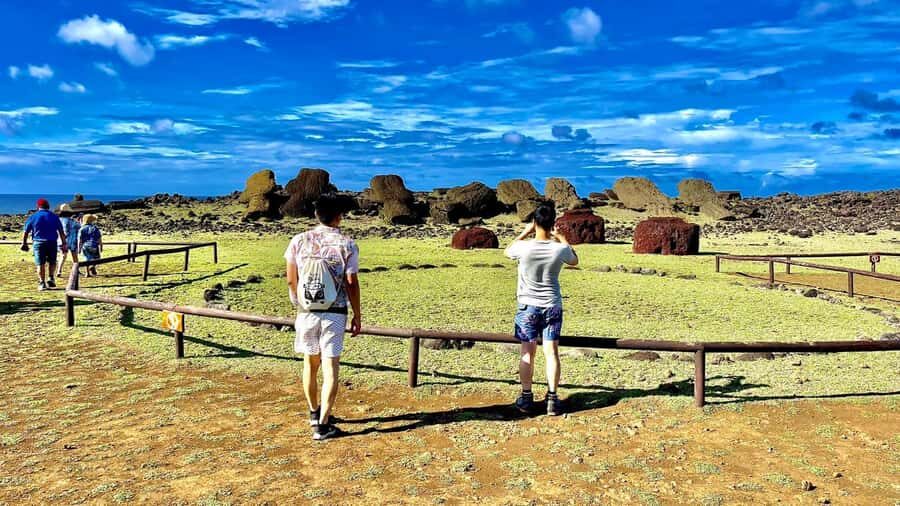
Next comes Ahu Akahanga, with a guided visit and about a 45-minute walk time. Akahanga is a strong stop because it puts moai into a setting that feels both archaeological and alive—wind, stone, and the sense that you’re standing where big community decisions were once made.
This is where the tour’s native guide approach really pays off. The moai aren’t presented as generic statues. You’ll hear the island’s own framing of meaning and legend, which helps you understand why these platforms (ahu) are part of a living spiritual geography, not just ruins.
One practical note: this stop is not about sprinting for quick photos. You’ll want a little patience to take in the full composition—how the platform sits in the environment and how the moai relate to one another.
Rano Raraku quarry: the unfinished statues that change everything
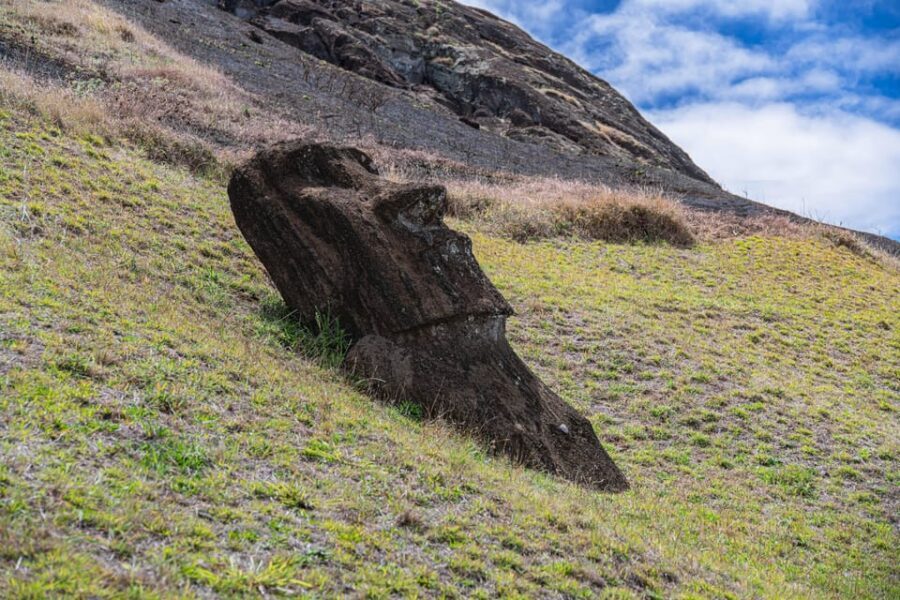
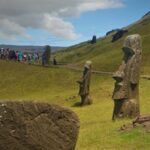
Then you reach Rano Raraku, the quarry where many moai were carved, with about 1 hour for guided exploration. This is a pivotal stop because it shows you the process, not just the results.
Seeing unfinished moai coming out of the earth is one of the clearest ways to understand the effort behind the statues. You’re not just looking at stone faces. You’re seeing evidence of work in progress, tools and technique implied by what remains, and a sense of time layered into the rock itself.
It’s also where you’ll likely ask the most questions. Why are some figures incomplete? How does the work relate to the island’s larger systems? A good guide can connect the quarry’s physical reality to the cultural logic that created it.
If you’re thinking about lunch, this is often where plans get affected, since the day can include a restaurant stop for food that isn’t included. Some people find lunch timing tight later in the route, so keep that in mind as you pace yourself.


Tongariki: the largest standing moai platform moment
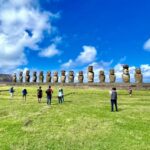
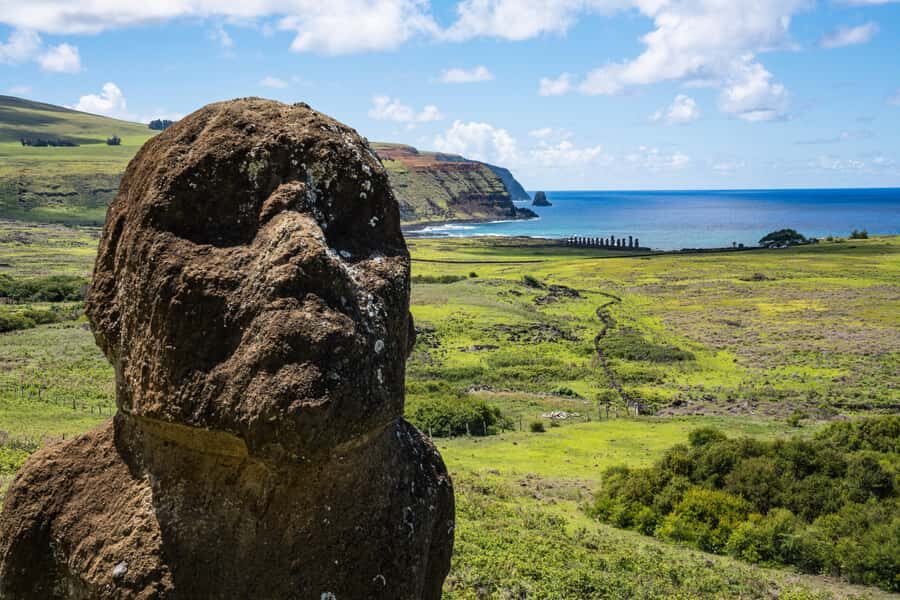
After the quarry, you head to Ahu Tongariki, one of the most dramatic parts of the tour. Expect a visit plus guided time and about 45 minutes on site.
Tongariki is famous for a simple reason: scale. It’s known for being the largest platform of standing moai on the island, which means you don’t just see a couple statues—you feel surrounded by them. This stop tends to be the payoff for many people, because the composition looks powerful from multiple angles.
This is also a great “photo thinking” stop. Instead of racing to one viewpoint, take time to look at how the line-up changes as you move. If your guide is translating concepts as you go, pay attention to those explanations; they’ll help you notice what matters beyond the faces.
Te Pito Kura: the magnetic stone and spiritual meaning
Next is Te Pito Kura, with guided time and about 45 minutes of walking/visiting. This stop is known for the magnetic stone, a feature that many people associate with mystery and spiritual significance.
Even if you’re not into physics or legends, the value here is interpretation. A good guide doesn’t treat the stone like a gimmick. They explain why it matters in local belief systems and how it fits into the broader spiritual landscape of the island.
This is also a good stop to slow your pace a bit. If you’ve been walking for hours, you’ll appreciate the breathing room here to absorb what you’ve already learned and connect it to this final big ceremonial site.
Anakena beach: end the day with real freedom
The tour finishes at Anakena with about 1.5 hours of free time. This is the moment where the island switches gears from archaeology to relaxation: palm trees, open water, and a beach that makes a long day feel worth it.
You’ll have time to take photos, sit down, and reset before the drive back to Hanga Roa. And if you want to swim, you’ll be glad to have the basics: swimwear and a towel. One of the best pieces of practical advice from recent tours is to come prepared for the beach stop because it can genuinely be the nicest part of the day.
If lunch ran late earlier, this is where you’ll feel the effect most. The beach block is your free time, so prioritize what you want most here—swimming, photos, or simply decompressing.
Price and what you’re really paying for at $80
At $80 per person for an 8-hour day, you’re paying for three things at once:
- Transportation with pickup/drop-off in Hanga Roa
- A local guide who speaks English or Spanish and stays with you through the route
- A structured sequence that hits multiple key sites in one go
If you’re visiting Easter Island with limited time, this bundle can be the best way to get the “high points” without spending your entire trip organizing logistics. The guided format also helps you avoid the common problem of staring at moai without understanding what you’re seeing.
Just plan for what isn’t included. The Rapa Nui National Park ticket is not included, and lunch is not included. That means your final day cost depends on what you choose to eat and whether you already have your park entry sorted.
Timing tips so you don’t feel rushed
This tour is designed to see a lot, and the trade-off is time pressure. The day moves from site to site with guided walking blocks (some 45 minutes, one around 1 hour), plus transit between them. That can feel like a long day, especially if you’re the type who wants extra time at each stop.
Two ways to keep it comfortable:
- Set your expectation: you’ll have guided time, not endless roaming.
- Protect your energy early: if you’re hungry, cold, or low on water, the day feels longer.
Lunch timing can also be a factor. Since lunch isn’t included, if you stop for a meal during the day, build in flexibility so you don’t get surprised by delays. The safest strategy is to eat when it’s offered during the tour rather than waiting until you’re already behind schedule.
Also remember the island weather can change fast. Some days include rain, and the itinerary still proceeds. Dress in layers, and bring a small rain option if you have one.
Guide quality: local voices in English and Spanish
The biggest reason this tour earns a strong overall rating is the guide experience. The tour is led by a live local guide who can work in English and Spanish, and people consistently emphasize that the explanations feel grounded in local context.
Guide names you may see associated with departures include Javiera, Hivi, Frank, Jose, Zoe, Habi, Franco/Frank, Enzo, and Gabriel (depending on the day and language group). If you’re picky about how you like to learn, treat your first stop as your “check-in.” If the guide’s style works for you, great—you’ll get more from every later site.
One smart move: use the guided time to ask about the links between sites. For example, how carving at the quarry connects to what you see at ahu platforms, or why a ceremonial site like Te Pito Kura is different in feel from Tongariki’s standing lineup. You’ll finish the day with a better understanding of how the pieces fit together.
Who should book this tour (and who might not)
Book this if you want:
- All the iconic moai stops in one day
- A guide that explains meaning, not just dates and distances
- A comfortable day plan with pickup and drop-off in Hanga Roa
- An end-of-day reset at Anakena
Consider something else if you:
- Want a slow, do-it-yourself day where you can linger as long as you want at each site
- Are prone to getting overwhelmed by long transit days
- Prefer a less structured experience with more time per stop
If you’re on Easter Island for only a short time, this tour is a strong way to make sure you don’t miss the headline sites.
Should you book the Rapa Nui Culture Sightseeing Tour?
I think this is a good choice if you’re trying to do Easter Island efficiently without turning it into a logistics puzzle. The $80 price makes the most sense when you value transport + a local guide + a full circuit of the island’s signature moai locations in one outing.
The main caution is pacing. It’s a full-day program with multiple stops and limited time at each. If you’re the type who needs long pauses at every viewpoint, you may feel the pressure. If you’re happy with guided highlights and want a final beach moment at Anakena, you’ll likely love the structure.
FAQ
What’s included in the $80 price?
Hotel pickup and drop-off in Hanga Roa, transportation, and a local guide are included.
How long is the tour?
The duration is 8 hours.
Are lunch and the National Park ticket included?
No. Lunch isn’t included, and the National Park ticket is not included.
What language will the live guide speak?
The live tour guide offers interpretation in English and Spanish.
Where does the tour start and end?
It starts with pickup in Hanga Roa and returns you to Hanga Roa at the end.
Can I cancel for a refund?
Yes. Free cancellation is available up to 24 hours in advance for a full refund.