REVIEW · HANGA ROA
Hanga Roa: Full Day Moai and Mistery
Book on GetYourGuide →Operated by Hotumatur Rapa Nui · Bookable on GetYourGuide
Stone statues, volcanic views, and sea air. This full-day route mixes the island’s most important Moai locations in one logical loop. I like that you get native expert guides who explain not just what you see, but why it mattered to the Rapa Nui. I also like the hospitality-focused approach, which keeps a long day from feeling cold or rushed. One consideration: it’s a 7-hour day with multiple stops, so you’ll want to be ready for some quick transitions between areas rather than spending equal time everywhere.
If your priority is “see the Moai and understand them,” this is a strong match. The itinerary moves through Vaihu, Akahanga, the quarry at Rano Raraku, Tongariki, Pito Kura, and ends at Anakena Beach, so your brain can connect the sites like chapters. The experience runs with live English and Spanish guidance and includes transportation from Hanga Roa, which makes the day feel smooth.
In This Review
- Key highlights to focus on
- Why this 7-hour Moai route is a smart use of time
- Picking up in Hanga Roa and settling into the day
- Vaihu: starting with Moai that feel like silent guardians
- Akahanga: fallen Moai and the clues they leave behind
- Rano Raraku quarry: where the Moai were born
- Tongariki: fifteen Moai, one powerful ocean-facing composition
- Pito Kura: a ceremonial village stop with a different rhythm
- Anakena Beach: the unwind point that makes the whole day feel complete
- The guide factor: when expertise turns stops into understanding
- Is $100 a good value for this Moai and mystery day?
- What to bring and how to pace yourself on a full Moai day
- Should you book Hanga Roa: Full Day Moai and Mistery?
- FAQ
- How long is the tour?
- Where does the tour start?
- What language is the guide?
- Is the National Park Ticket included?
- What sites are visited during the day?
- Is transportation included?
- Is the tour wheelchair accessible?
- Is there free cancellation?
Key highlights to focus on
- Vaihu: A powerful start where the Moai setting instantly frames the island’s spiritual mystery.
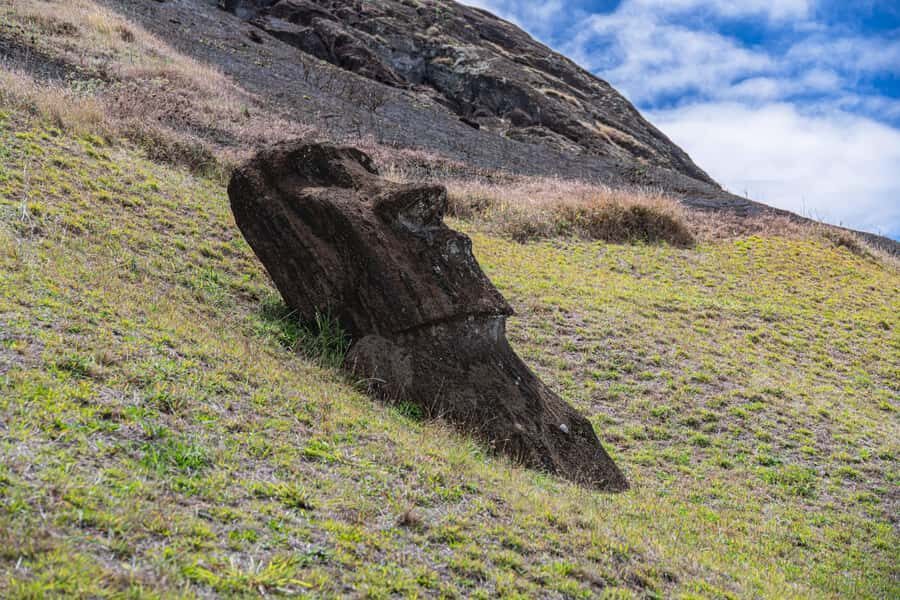
- Rano Raraku: The quarry gives you the clearest sense of how these statues were made and finished.
- Tongariki: Fifteen Moai facing the Pacific, plus context on restoration and symbolic meaning.
- Pito Kura: A less-known ceremonial area that adds depth beyond the headline sites.
- Anakena Beach finish: A real cooldown at the end, with turquoise water and palm shade.
Why this 7-hour Moai route is a smart use of time
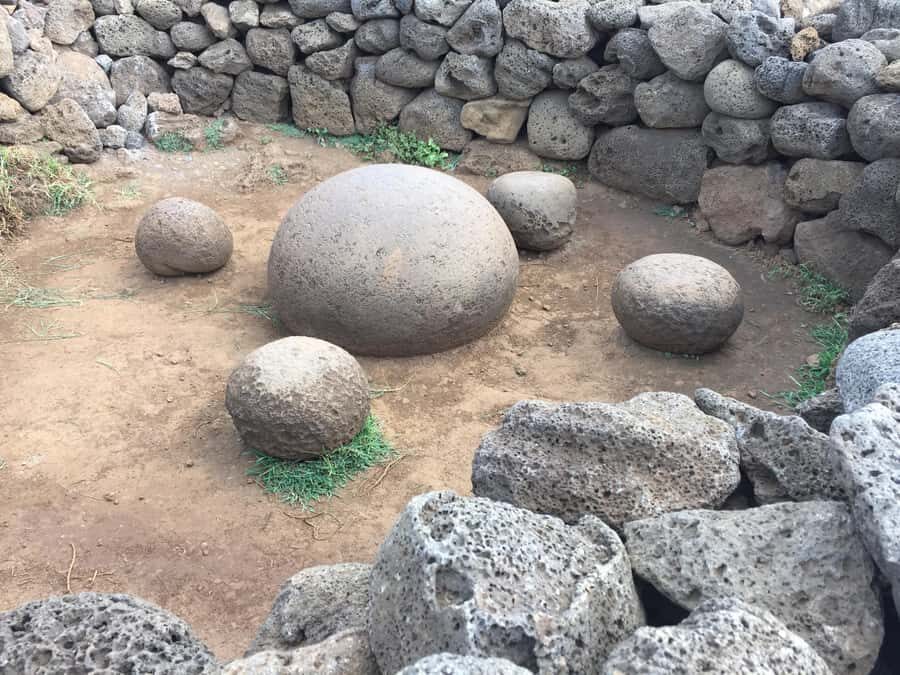
Easter Island can feel like you’re “collecting” viewpoints. This tour avoids that trap by structuring the day around the Moai story: where the statues were seen (Vaihu and Tongariki), where they fell or were scattered (Akhahanga), where they were born (Rano Raraku), and where ceremonial life continued at a quieter pace (Pito Kura), before you decompress on the coast at Anakena.
You’re not just driving past famous places. You’re moving from one clue to the next. That matters because Moai are easier to understand when you connect creation, placement, and aftermath. With a local guide, the places stop feeling random and start feeling linked.
Price-wise, $100 per person for 7 hours is only a good deal if it’s truly delivering value beyond transport. Here, the included pieces are transportation, a driver, and a local guide. The catch is that the National Park Ticket is not included, so you’ll want to budget that separately. If you already know you want multiple major stops in one day, bundling it with guide-led interpretation usually beats DIY, especially if you don’t want to spend your time reading or guessing at what you’re looking at.
A few more Hanga Roa tours and experiences worth a look
Picking up in Hanga Roa and settling into the day
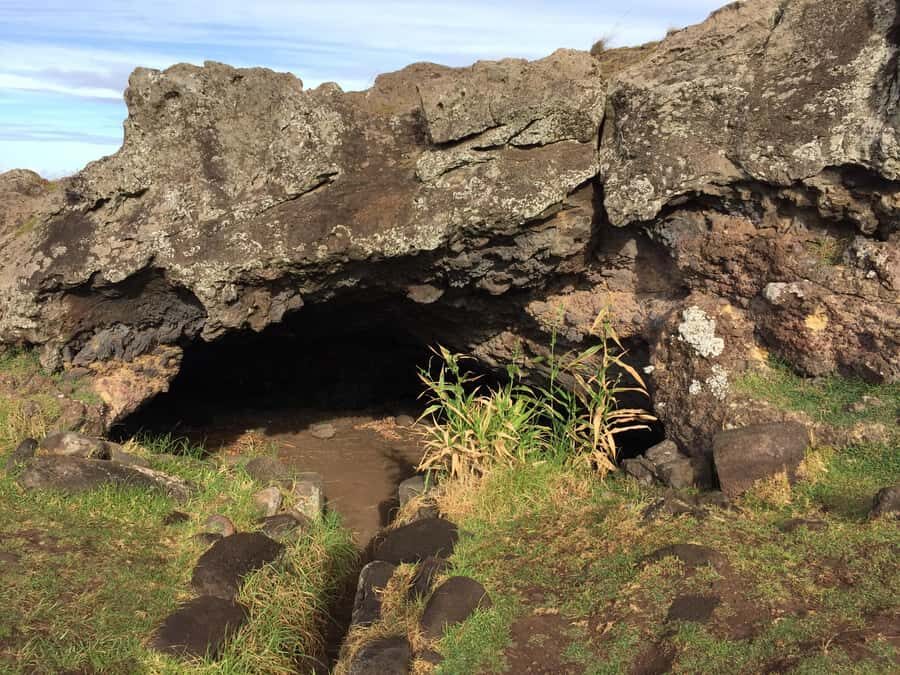
The tour includes pickup from Hanga Roa and provides transportation, which is a big practical win. You’re not trying to coordinate rides, timing, or parking. You also get a live guide in English and Spanish, so the explanations should land without relying on guesswork.
Because this is wheelchair accessible, it’s worth noting the operator has at least planned for mobility needs. You still might find that outdoor sites involve uneven ground and stairs, but having an accessible transport plan is better than showing up to something improvised.
One more practical point: you’re out for about 7 hours, which means heat, sun, and long stretches in the vehicle will be real. Plan to stay hydrated and expect a full-day rhythm.
Vaihu: starting with Moai that feel like silent guardians
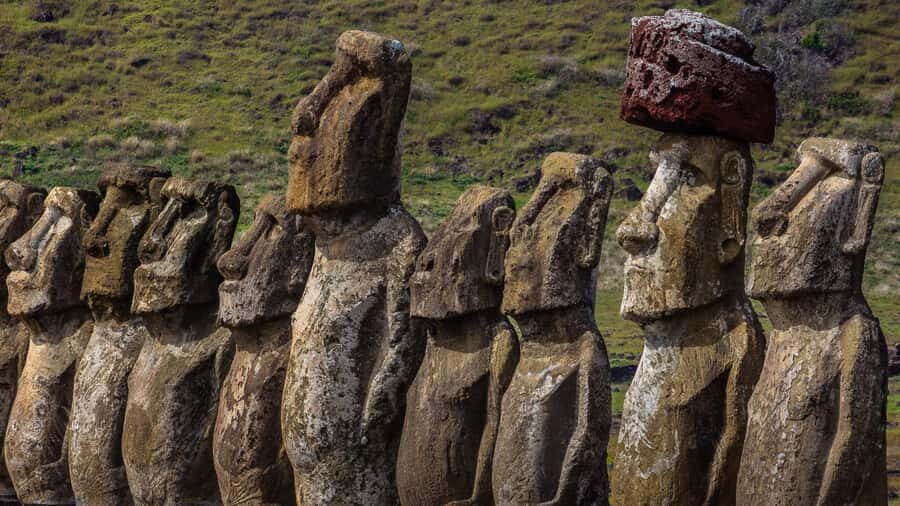
Your day begins at Vaihu, where you’ll encounter ancient stone statues that immediately set the tone. A lot of Moai sites are impressive, but Vaihu has a quieter, more contemplative feel. Starting here works because it gives you a mental baseline before you move on to quarry details and the more crowded-photo-famous moments.
With a guide, this stop becomes more than photos. You’ll hear stories about the Rapa Nui connection—how these statues functioned as symbols of identity and presence. That kind of explanation is what turns “a rock face” into “a cultural artifact with meaning.”
If you enjoy slow observation, take advantage of it here. Even if your time on site is limited, you can still do one smart thing: pause and look from different angles. The Moai’s scale and placement start to make sense fast once you’ve seen how they relate to the space around them.
Akahanga: fallen Moai and the clues they leave behind
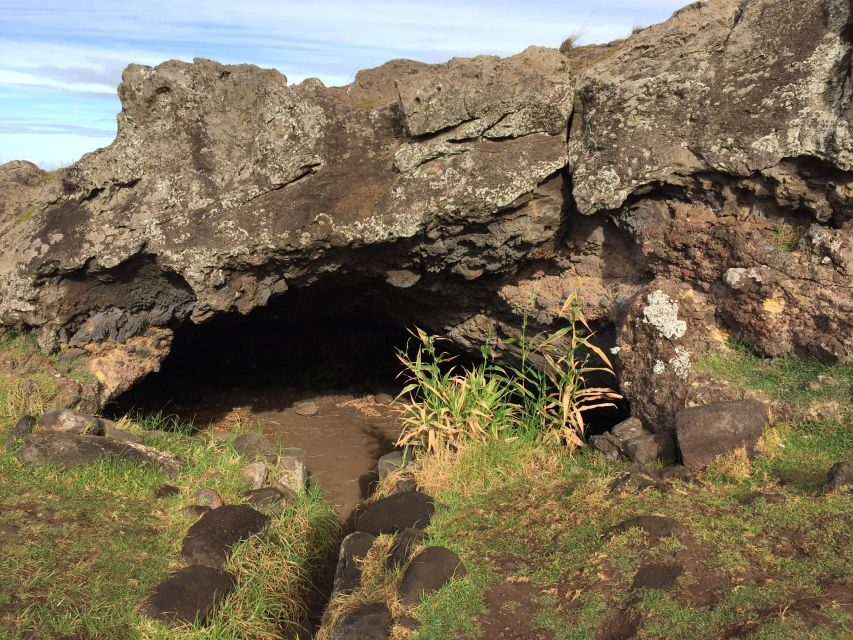
Next is Akhahanga, another archaeological site that hits a different emotion than the usual “standing Moai” imagery. Here, you’re seeing remnants of fallen statues, including their distinctive topknots scattered across the area. That visual detail matters because it confirms what you’re seeing isn’t just ruins as decoration—it’s evidence.
This stop is valuable because it adds consequences to the Moai story. If you only visit the places where Moai are upright, your understanding stays tidy. Akahanga makes things messier in a useful way, and your guide can provide historical context about what these fragments might mean for the island’s past.
Practical tip: this stop can feel more like an archaeology lesson than a postcard. If you like interpretation—people turning stones into story—you’ll probably enjoy Akahanga a lot.
Rano Raraku quarry: where the Moai were born
Then comes the highlight for many people: Rano Raraku, the quarry where the Moai were created. This is the moment when the island stops being just “a place with Moai” and becomes “a place with process.” You’ll be surrounded by a volcanic crater setting and shown Moai in different stages of completion—including statues that are still embedded in the rock.
That mix of finished and unfinished is the teaching tool. It helps you understand that Moai weren’t magic. They were worked. Even without technical jargon, seeing the physical workflow builds a stronger mental model than hearing about it secondhand.
You’ll also get context on spiritual beliefs and craftsmanship as part of the interpretation. The quarry helps you connect two things:
- how the statues came to be
- how the Rapa Nui likely viewed their role in society
If you’re a “teach me what I’m looking at” person, this is where the guide’s role becomes most important.


Tongariki: fifteen Moai, one powerful ocean-facing composition
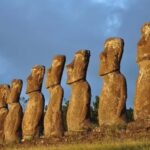
Tongariki is the big showpiece: fifteen majestic Moai standing in a lineup against the Pacific Ocean. This is the stop where you can feel why restoration efforts matter. The lineup is dramatic even before you learn anything about it.
Your guide explains the mysteries and symbolic significance of this monumental assembly, and you’ll likely hear about why Tongariki became a key point of reference for the Rapa Nui heritage. It’s also a reminder that preservation isn’t just about freezing the past. It’s about maintaining cultural memory in a landscape that keeps changing.
Because Tongariki is so visually strong, it’s also one of the easiest places to overdo the photo time. I suggest you do this instead:
- spend a few minutes just looking, no camera
- then take your photos once you understand how the lineup “reads” from left to right
Pito Kura: a ceremonial village stop with a different rhythm
Not every Moai tour includes Pito Kura, and that’s why it’s one of the most interesting additions here. It’s described as a sacred ceremonial village with unique features. Instead of only focusing on statues, you get another layer: how ritual space shaped community life.
This stop is valuable because it broadens your understanding beyond stone monuments. You’re reminded that the Moai weren’t just art objects. They sat inside a larger system of belief and ceremony. When your guide shares details about rituals that once took place there, you’re better prepared to see the island as a living culture—even if much of it is gone.
If you tend to enjoy the quieter, less crowded stops, Pito Kura may be the one you remember most later.
Anakena Beach: the unwind point that makes the whole day feel complete
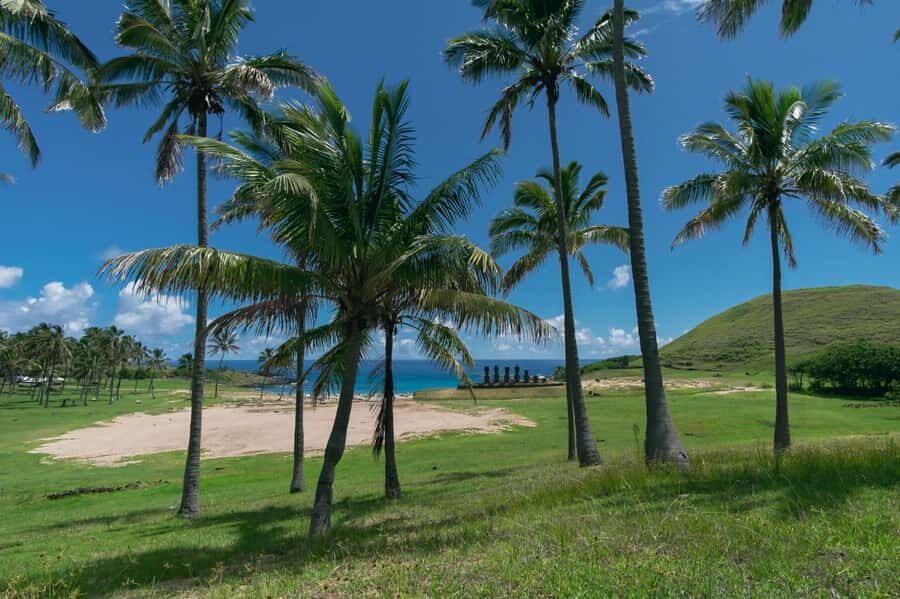
The day ends at Anakena Beach, with turquoise water, golden sand, and coconut palms swaying in the breeze. This is not just a scenic finish. It’s a smart way to close the loop.
After hours of stone, archaeology, and walking, the beach gives you space for your brain to reset. You can reflect on what you learned without feeling like you’re still being hustled to the next photo spot. And practically, the contrast is nice: ocean air after volcanic crater views.
If you want to maximize comfort, take a moment to cool down before you start packing up for the ride back.
The guide factor: when expertise turns stops into understanding
The tour’s biggest strength is the combination of local guide interpretation and a hospitality-first tone. You’ll hear from native experts in English or Spanish, and the overall vibe aims to make you feel looked after during the long day.
One specific example of the kind of depth you might get: guides can include people with strong academic grounding. In at least one instance, an archaeologist-guide named Ene delivered the kind of clear, structured explanation that makes Moai sites click quickly. Another guide, Zoe, was praised for being just right—suggesting the operator cares about matching the experience to your attention level.
That said, here’s the balanced reality: because the tour is packed, what happens during travel time matters. If you’re sensitive to low energy narration, you’ll notice it more on a multi-stop day. Your best defense is simple: come with curiosity, and treat the vehicle segments as connecting tissue rather than the main event.
Is $100 a good value for this Moai and mystery day?
At $100 per person for 7 hours, the value depends on what you’re trying to get out of the day.
You’re paying for:
- transportation and a driver
- a local guide for interpretation
- a planned route that covers multiple key sites
You’re not paying for:
- the National Park Ticket, which you’ll need to add separately
Here’s when it makes sense:
- You want to see the major Moai sites in one day
- You want explanations that connect sites instead of just checking boxes
- You’d rather let someone else handle the logistics while you focus on learning and walking
Here’s when you might rethink:
- You prefer slower, more independent pacing
- You only care about one or two headline locations
- You already have a guide you trust for the island’s history and archaeology
For most first-timers who want a strong overview, the included guide-led structure is the difference between a scenic drive and a meaningful Moai education.
What to bring and how to pace yourself on a full Moai day
This is a practical, all-day outdoors plan. You’ll move through sandy coastal ground and archaeological areas, and you’ll likely be out under strong light.
Bring:
- water and sun protection
- comfortable shoes for uneven outdoor surfaces
- a light layer for early morning or windy coast moments
Pace-wise, don’t try to read every detail perfectly. Instead, use the guide’s story as your map. If your brain gets overloaded, focus on one connection at a time:
- Vaihu sets the “presence”
- Akahanga adds the “consequences”
- Rano Raraku explains the “making”
- Tongariki shows the “placement”
- Pito Kura adds the “ceremony”
- Anakena gives you “rest and perspective”
Should you book Hanga Roa: Full Day Moai and Mistery?
Book it if you want a guided, structured Moai day with native expert interpretation, a route that covers the key sites, and a calm finish at Anakena Beach. The $100 price only really feels fair when you take advantage of what you’re buying: guide-led storytelling across multiple contexts, not just transportation.
Consider skipping or shopping for a different pace if you know you’ll resent quick transitions, or if you only care about one location and don’t want a full day. Also remember the National Park Ticket isn’t included, so check your total budget.
FAQ
How long is the tour?
The tour lasts about 7 hours.
Where does the tour start?
Pickup is included from Hanga Roa.
What language is the guide?
The live guide offers English and Spanish.
Is the National Park Ticket included?
No. The National Park Ticket is not included.
What sites are visited during the day?
The tour includes Vaihu, Akahanga, Rano Raraku, Tongariki, Pito Kura, and ends at Anakena Beach.
Is transportation included?
Yes. Transportation and a driver are included.
Is the tour wheelchair accessible?
Yes, the tour is wheelchair accessible.
Is there free cancellation?
Free cancellation is available up to 24 hours in advance for a full refund.
If you want, tell me your travel month and your top priority (Moai photos, archaeology context, or beach time) and I’ll help you decide whether this 7-hour plan fits your style.