REVIEW · HANGA ROA
From Hanga Roa: Journey from Orongo to Ana Te Pahu
Book on GetYourGuide →Operated by Hotumatur Rapa Nui · Bookable on GetYourGuide
Moai, caves, and crater views in one solid day. This tour strings together the island’s most talked-about sacred places, including Orongo and Ana Te Pahu, with a guide who explains what you’re seeing and why it mattered. You get that rare mix of huge scenery (the Rano Kau crater edge) and real on-the-ground history (stone platforms, quarry rock, and cave spaces).
My favorite parts are the way the tour makes the famous sites feel connected, and how the bird-man era and volcanic cave use aren’t just named—they’re explained in plain language. One thing to keep in mind: you’ll be on uneven ground and you may walk around 1 hour total across the stops, and the day runs rain or shine.
In This Review
- Key Things You’ll Notice on This Orongo to Ana Te Pahu Day
- Rapa Nui by Coach From Hanga Roa: 7 Hours With Real Stops
- Rano Kau Crater Rim and Orongo: Starting With the View That Explains the Site
- Orongo and the Bird-Man Legend: What to Watch for Beyond the Main Photos
- Ahu Vinapu’s Stone Precision: Learning to Spot the Craft
- Ahu Akivi’s Seven Moai: A Site With a Story, Not Just a View
- Ana Te Pahu Caves: A Cool, Practical Look at Shelter and Storage
- Puna Pau Quarry and the Red Topknots: Why the Crowns Matter
- The $70 Value: What You’re Really Paying For (And What You’re Not)
- Practical Tips That Make the Day Smoother
- Should You Book the Orongo to Ana Te Pahu Tour?
- FAQ
- How long is the tour from Orongo to Ana Te Pahu?
- Where does the tour start and end?
- What is included in the price?
- Is the National Park ticket included?
- What languages are the guides?
- Does the tour run rain or shine?
- How much walking should I expect?
- Is there internet at the sites?
- Are drones allowed?
Key Things You’ll Notice on This Orongo to Ana Te Pahu Day
- Rano Kau crater panoramas that set the mood before you even hit the monuments
- Orongo’s bird-man legend setting, where the rules of status were played out
- Vinapu’s massive stonework, with details you can actually spot once someone points them out
- Ahu Akivi’s seven moai, a more narrative-driven kind of site than the huge stone fields
- Ana Te Pahu’s volcanic cave system, cool and practical, used for shelter and storage
- Puna Pau’s quarry history, tied to the red scoria topknots that crown many moai
Rapa Nui by Coach From Hanga Roa: 7 Hours With Real Stops
This is a single-day guided circuit starting and ending in Hanga Roa, built for people who want the big sites without trying to stitch together multiple trips. The total time on the road is short—think about 15 minutes of bus time up front—so the day stays focused on the places themselves, not just transit.
You’ll be picked up from your accommodation and brought back afterward, with the driver expected to arrive about 10 minutes before they’re at the meeting point (the company contacts you ahead of time). The tour leader is the real engine here: they keep you moving at a good pace, explain what you’re looking at, and handle the behind-the-scenes context that would otherwise take you hours of reading.
Here’s a practical tip: if your group has assigned or informal seating, aim for a spot where you can hear. One past guest noted the guide spoke more to people at the front, so your listening quality can depend on where you sit. It’s not a dealbreaker, but it matters if you care about the explanations.
You can also read our reviews of more tours and experiences in Hanga Roa.



Rano Kau Crater Rim and Orongo: Starting With the View That Explains the Site
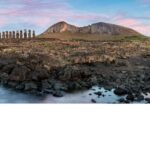
You start up at Rano Kau, the volcanic crater edge, and that’s a smart way to begin. Before you even reach the ceremonial village, you get wide Pacific and island views that help you understand why this spot earned spiritual importance. On Easter Island, location isn’t a backdrop—it’s part of the meaning.
The guided stop here is about 45 minutes, which is enough time to take in the terrain, notice how the crater shapes movement and visibility, and then switch your brain from sightseeing mode to “what was the islander thinking?” mode. If you’re the type who likes photos, this is where you’ll want to pause, because the crater-and-ocean framing makes even ordinary angles look dramatic.
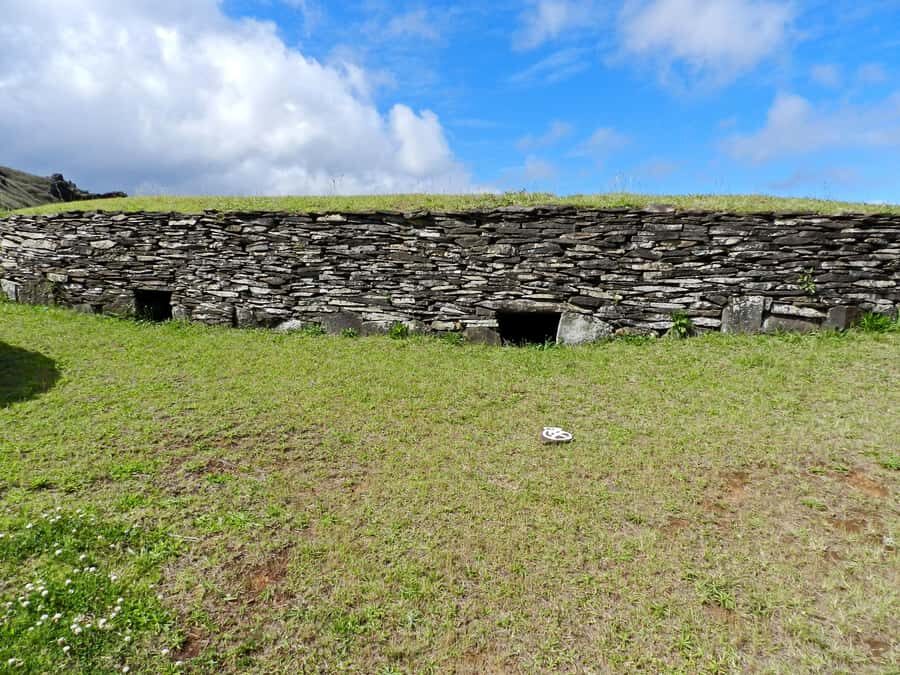
Then you shift to Orongo itself for about 1 hour of guided time. Orongo is the ceremonial village tied to the bird-man legend, and the setting is the point: you’re walking among places where the island’s sacred traditions were performed, not just pointing at rocks and pretending it’s the same. You’ll likely hear how the story connects to leadership, competition, and prestige—how people gained status through a kind of ritual contest tied to the natural world.
Orongo and the Bird-Man Legend: What to Watch for Beyond the Main Photos
Orongo can look like a cluster of stone structures until someone gives you the lens to read them. With a good guide, you start seeing small things: how areas connect, where sightlines matter, and how the ceremonial layout supports the legend. This is one of the tour’s best values because the legend isn’t dumped like a textbook—it’s tied to what you see right in front of you.
The tour highlights explicitly point to the bird-man theme, and that focus helps you avoid the most common Easter Island mistake: treating each site like a separate postcard. Instead, you get a connected story. The island’s crater rim, the ceremonial space at Orongo, and the later moai-related stops aren’t random. They reflect different ways the Rapa Nui people organized meaning, power, and memory.
Also, don’t rush the walking here. Even if the day is only 7 hours, the ground can feel uneven. I recommend comfortable shoes you can trust. If you’re unsure about weather, remember the tour runs rain or shine, so you’re walking on whatever the island hands you that day.
Ahu Vinapu’s Stone Precision: Learning to Spot the Craft
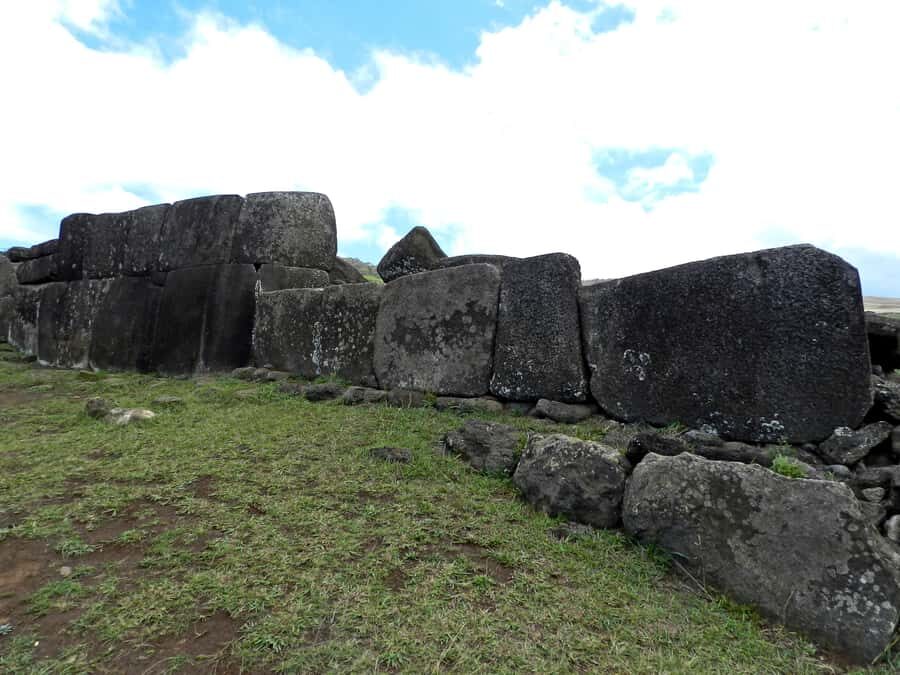
Next up is Ahu Vinapu, about 45 minutes of guided exploration. Vinapu gets attention for its colossal stone structures and the way the stones fit together. It’s the kind of place where you can stand there for 10 minutes and think, cool, rocks… unless you have a guide who points out the details.
This is where the tour earns its keep. The instructions focus on the craftsmanship and precision, and that translates into what you’ll notice: the scale of the blocks, the way shapes and surfaces align, and how the island’s builders achieved stability without modern tools. If you’ve ever wondered how people pulled off construction at this level with limited technology, this stop provides a satisfying answer you can see with your own eyes.
The drawback: if you dislike structured stops and prefer lots of free time, Vinapu can feel a little “guided-and-moving.” But the tradeoff is worth it for most people, because the explanations help you avoid missing the real story that’s built into the stonework.
Ahu Akivi’s Seven Moai: A Site With a Story, Not Just a View
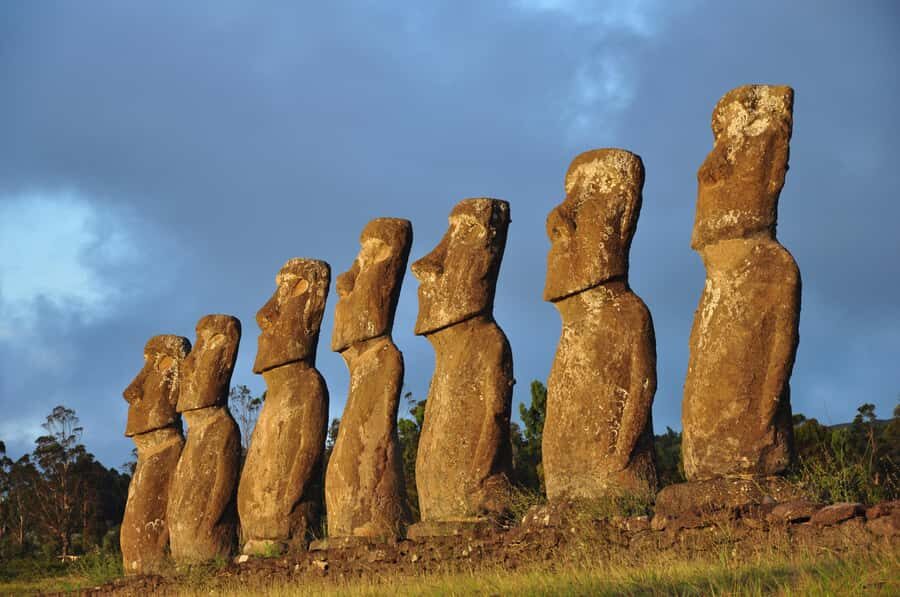
Then comes Ahu Akivi, another 45-minute guided stop. This is a special kind of Easter Island monument because it’s described as having seven moai statues tied to the seven explorers. That simple detail changes the entire experience.
Instead of just scanning for the biggest heads, you’re guided to think about the meaning of the arrangement. With seven moai, the symbolism becomes more legible. You’ll hear stories about what those explorers represented and how people connected the figure groupings to island history.
One thing I like about putting Akivi after Vinapu is rhythm. After the heavy stonework craftsmanship theme, you switch to the moai-based narrative theme. Your brain starts working in a different mode, and that helps keep the day from feeling repetitive.
If you’re traveling with someone who’s less into archaeology details, this stop usually lands well because the “seven explorers” idea is easy to grasp and remember.


Ana Te Pahu Caves: A Cool, Practical Look at Shelter and Storage
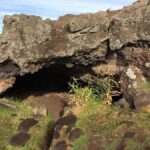
Now for the part that feels almost different from the rest of Easter Island: Ana Te Pahu, with about 1 hour guided time. This is a cave system used both as shelter and storage. That “practical purpose” is a big reason the stop is memorable. You’re not just in a dramatic hole in the ground—you’re in a space that served daily life.
The tour notes the coolness of the volcanic rock walls, and you’ll feel it as you move inside. That temperature shift can make the experience feel real in a way that open-air statues sometimes don’t. The cave’s natural labyrinth also helps you understand how people would move, store, and survive.
One good caution: cave spaces can make footing trickier. Wear shoes with grip and keep your energy for the walk. The guide’s job here is important—explaining how the cave functioned and what it tells us about island survival strategies. If you care about everyday life, this is one of the most satisfying stops.
Puna Pau Quarry and the Red Topknots: Why the Crowns Matter
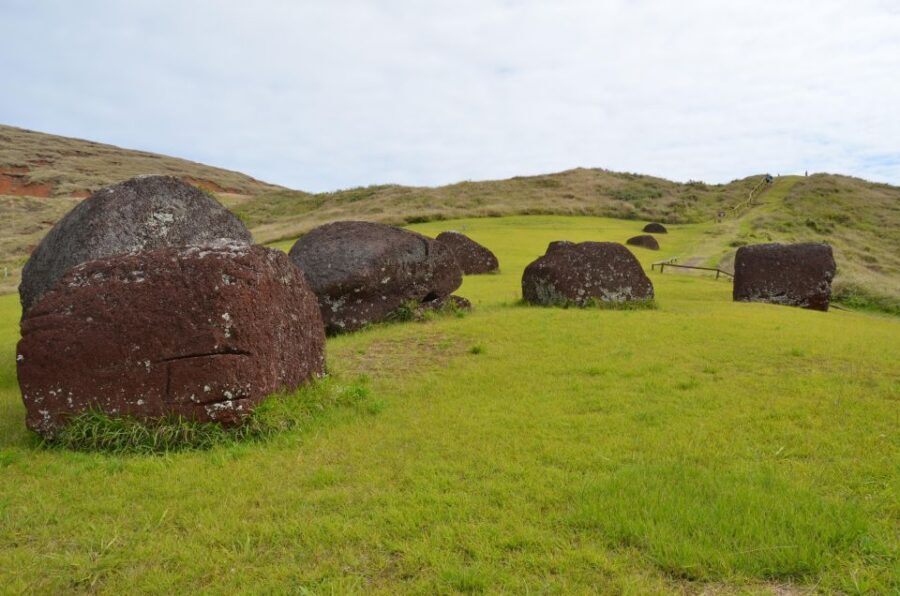
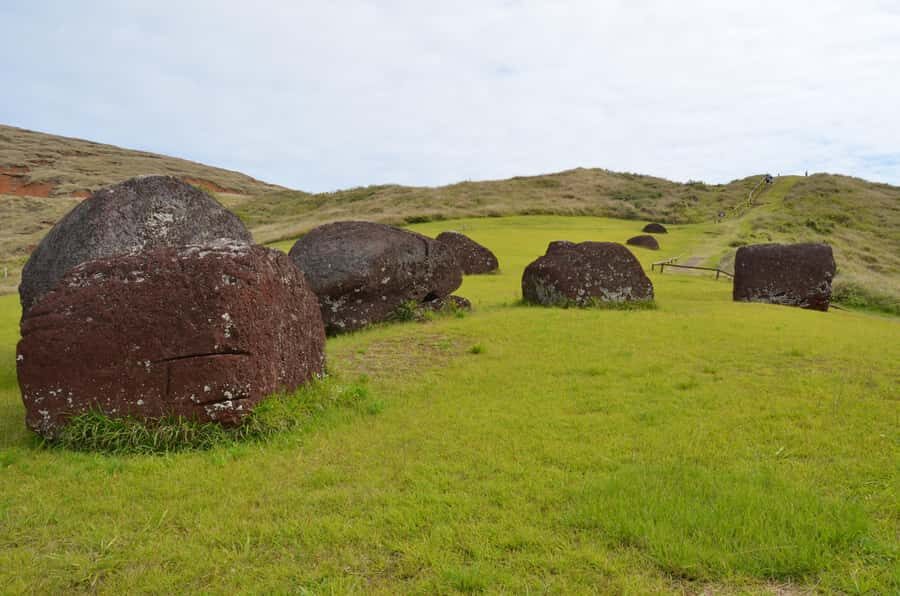
Your final featured site is Puna Pau, also 45 minutes guided. Puna Pau is the quarry connected to the red scoria topknots—the iconic crowns placed on many moai statues.
This is one of those “you’ll never unsee it” stops. The guide explains why the topknots matter, then ties them to the creation process. In plain terms, you get to connect the moai you’ve been seeing from the outside with the materials and labor behind their appearance. Instead of treating moai as finished artwork, you start thinking about them as projects: quarrying, shaping, transporting, and placing the final details.
It also helps you grasp how symbolism was engineered. Those crowns aren’t random decoration. They’re part of the identity of the figures, and Puna Pau gives you the material link.
The $70 Value: What You’re Really Paying For (And What You’re Not)
The price is listed at $70 per person for a 7-hour day. That’s not just for “being taken around.” You’re paying for hotel pickup and drop-off plus a tour leader guide who explains multiple key sites.
The main thing not included is the National Park ticket, which you should buy before the tour starts. This matters for value because it means your true total cost depends on that entry fee. Still, even with the ticket added, the idea is solid: you’re getting a guided day that covers crater area, ceremonial village, construction site, moai platform, cave system, and quarry.
Also, you’ll want to plan for basics: bring a passport or ID card, wear comfortable clothes and shoes, and pack a reusable water bottle. Cash is listed as useful, and that can matter on a remote island.
Practical Tips That Make the Day Smoother
A few details can make or break your comfort level on this kind of Rapa Nui tour:
- Bring ID: a passport or ID card is required.
- Wear grippy shoes: you’ll walk around 1 hour total in some sites.
- Expect no internet in the park: plan to save your maps or messages beforehand.
- No drones: they’re not allowed.
- Rain or shine: pack for weather that changes fast.
One more tip: bring a small amount of cash. The tour info lists cash for a reason, and on Easter Island it’s often the simplest way to avoid last-minute friction.
Should You Book the Orongo to Ana Te Pahu Tour?
I’d book this tour if you want a guided day that connects the island’s major themes: ceremonial life at Orongo, stone precision at Vinapu, moai symbolism at Ahu Akivi, practical living spaces in Ana Te Pahu caves, and the quarry story at Puna Pau.
Skip it (or consider another option) if you hate walking on uneven ground or you’re the kind of traveler who wants lots of long independent time at each stop. This tour is structured and explanation-forward, so it’s best when you’re happy to follow a plan.
If you care about hearing the story clearly, choose a seat where you can listen well. And if you want extra reassurance about guide quality, the experience has been praised for interesting, informative guiding—so do yourself a favor and come with a few questions like What does the bird-man legend connect to? and Why does the topknots material matter?
FAQ
How long is the tour from Orongo to Ana Te Pahu?
The tour lasts about 7 hours.
Where does the tour start and end?
It starts with pickup in Hanga Roa and returns you to Hanga Roa after the visit.
What is included in the price?
Hotel pickup and drop-off are included, along with a tour leader guide.
Is the National Park ticket included?
No. You need to buy the National Park ticket before the tour starts.
What languages are the guides?
The live guide is available in English and Spanish.
Does the tour run rain or shine?
Yes, it runs rain or shine.
How much walking should I expect?
In some sites, you have to walk around 1 hour.
Is there internet at the sites?
There is no internet in the park.
Are drones allowed?
No, drones are not allowed.