REVIEW · HANGA ROA
Two days of Full Day Tour of Rapa Nui + Sunrise in Tongariki
Book on GetYourGuide →Operated by RAPA NUI DREAM · Bookable on GetYourGuide
Rapa Nui grabs you fast: big moai views, volcanic terrain, and ancient stories explained by people on the ground. This full-day format is a smart way to hit the island’s most famous archaeological stops without turning your trip into a scavenger hunt, and the sunrise at Ahu Tongariki adds a once-in-a-while kind of payoff.
I especially like the certified local guides and how much you can ask them. In the reviews, I saw guides like Alex and Alejandro praised for being thoughtful and informative, and you’ll get that same back-and-forth energy when the conversation matters. I also like that the tour includes pickup and drop-off plus rain ponchos, so you spend less time organizing logistics and more time watching, listening, and taking photos.
One thing to keep in mind: the experience quality can vary by guide and timing on the sunrise day. One sunrise account mentioned a guide focused on getting people moved along quickly, and another pointed out that the best viewpoint matters, since it’s possible to end up in the wrong spot if plans shift.
In This Review
- Key things to know before you go
- What this 3-day Rapa Nui experience really gives you
- Two full days of moai and volcanic terrain, guided the right way
- How the guidance shows up in the real experience
- What you’ll see during these two days
- A small-group/private setup that can be more than comfort
- Tongariki sunrise: the payoff, and the timing pressure
- How early does it start?
- Guides: different styles, same mission
- Pickup, transport, and the little rules that affect your day
- Tickets and practical costs: what your $250 really means
- Is it good value?
- What to bring (so the day feels comfortable, not annoying)
- Weather and rain: how you’ll stay comfortable
- Who this tour suits best
- Should you book Rapa Nui Dream’s Full Day Tour plus Tongariki sunrise?
- FAQ
- FAQ
- Is the National Park entrance ticket included?
- What languages are the guides available in?
- Do you provide pickup and drop-off?
- How long is the tour, and what does it include?
- Is food included?
- What should I bring, and what shoes are not allowed?
- Can I cancel or book without paying right away?
Key things to know before you go
- Ahu Tongariki sunrise is the headline, with early timing and a strong focus on getting you into position
- Certified local guides mean you’re not just looking at stones; you’re hearing interpretations, legends, and rituals tied to the sites
- Two full days give you time for the island’s best-known moai and ceremonial platforms without rushing every stop
- Pickup from your accommodation lobby keeps it simple, but you need to be ready at the set time
- National Park ticket is separate, so plan that step before day one
- Food isn’t included, so bring a snack plan for long days
What this 3-day Rapa Nui experience really gives you
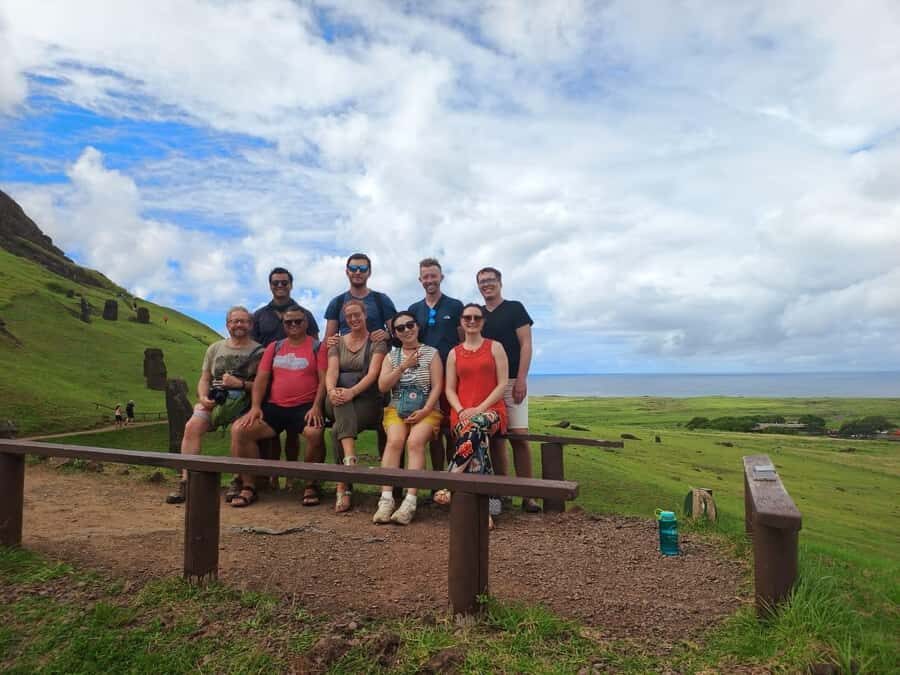
This is a 3-day program built around two full days of sightseeing plus one early-morning sunrise at Tongariki. The idea is simple: see the island’s most recognized places with local, certified expertise, then end (or begin) with a sunrise that feels like it belongs to a story rather than a schedule.
For you, the value isn’t only the sites. It’s the way the guides connect the dots. Rapa Nui has plenty of famous images, but the real magic is understanding why these ceremonial spaces mattered, how people read the land, and what legends and rituals are being discussed when you stand in front of the moai.
And yes, there’s also the practical comfort layer. The tour includes pickup and drop-off, and you get rain ponchos if the weather flips. That matters on Rapa Nui, where conditions can change and you don’t want wet clothes ruining your day.
A few more Hanga Roa tours and experiences worth a look
Two full days of moai and volcanic terrain, guided the right way
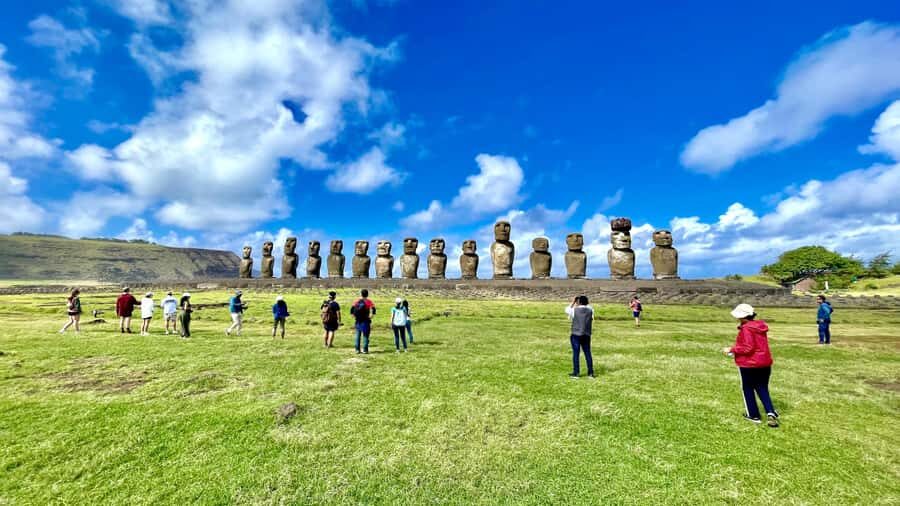
The tour is designed as full-day blocks, which is the right approach for Rapa Nui. The distances, the weather shifts, and the sheer scale of the volcanic terrain mean you’ll move around more than on a city itinerary. A full day format also gives your guide time to explain context while you’re actually looking at the site, instead of saying the important stuff while you’re still on the bus.
How the guidance shows up in the real experience
In the feedback, guides are praised for being responsible and giving lots of information on the first two days. That lines up with what you should expect from a well-run small-group or private-day tour: you can stop when it helps to see details, you can ask questions that come up mid-viewing, and you’re not forced to just snap photos and move on.
You’ll also get multiple perspectives on Rapa Nui’s past. One review mentioned using different guides on different days to compare theories for topics that don’t have written records. That’s a real plus. When history is interpretive, you want a guide who can explain their reasoning and invite questions.
What you’ll see during these two days
Even without getting lost in a long list, you can count on the big categories:
- Renowned archaeological and ceremonial sites tied to the moai tradition
- Iconic moai viewpoints on platforms where symbolism matters as much as the stone faces
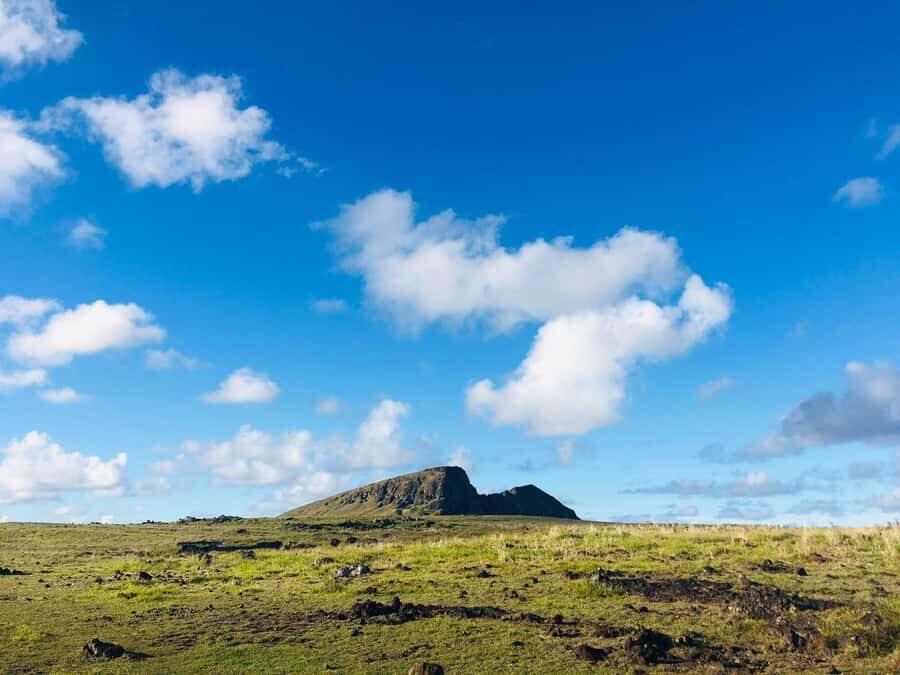
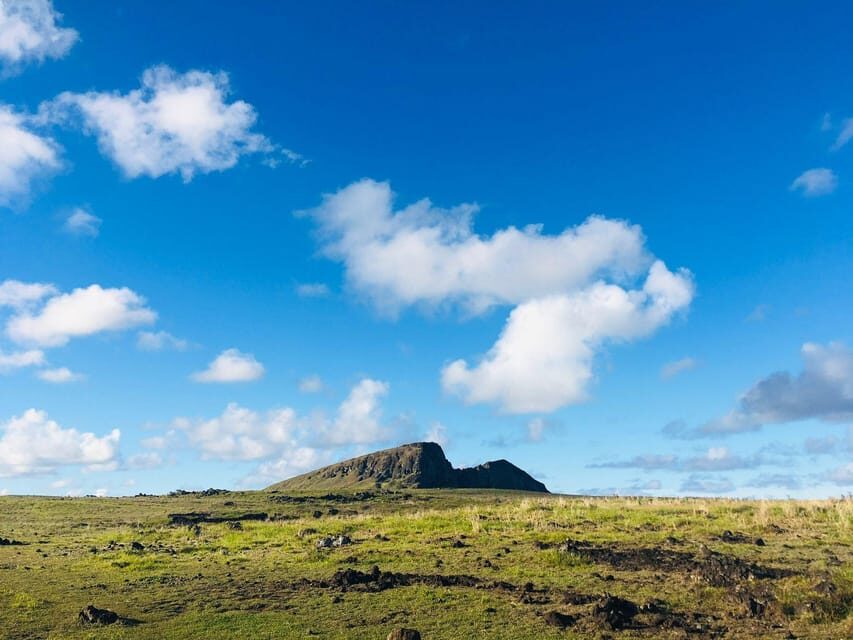
- Dramatic volcanic terrain that shapes how people built, moved, and lived
- Cultural storytelling around legends and rituals connected to the sites
- Time with the local community through the way the tour frames the experience and hospitality
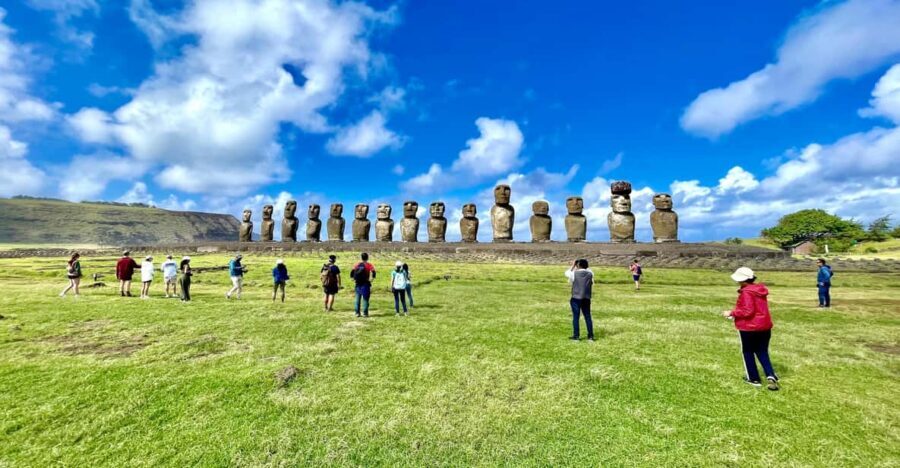
One specific site is clearly called out: Ahu Tongariki, where you’ll also return for sunrise. Seeing it in daylight during the full-day portion helps you later, because at sunrise you’re not trying to figure out where you are—you’re reacting.
A small-group/private setup that can be more than comfort
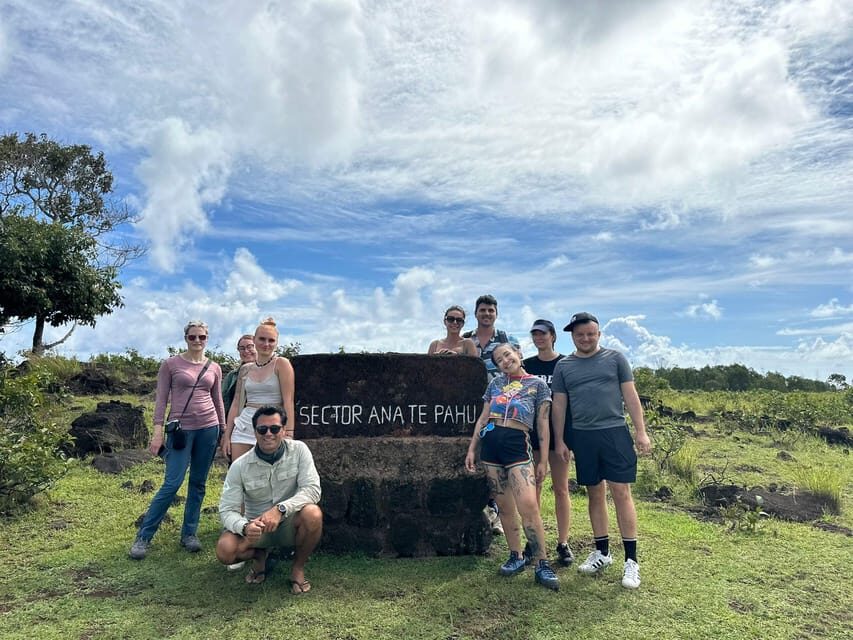
The tour offers private or small groups available. For me, that’s not just about space. Small groups often make questions easier, and private tours can help if you want a slower pace at the places that genuinely grab you.
A few more Hanga Roa tours and experiences worth a look

Tongariki sunrise: the payoff, and the timing pressure
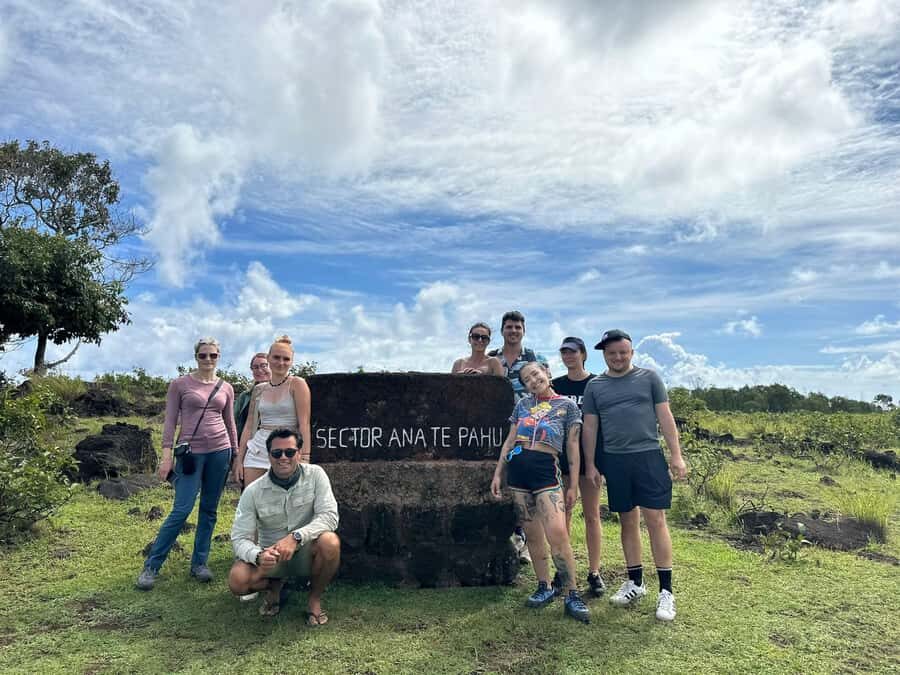
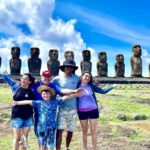
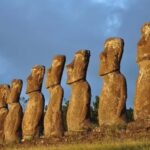
Let’s talk about the star event: sunrise at Ahu Tongariki. If you’ve ever seen photos of Tongariki, you know why people chase sunrise here. The moai lined across the ceremonial platform, combined with the low light and early air, turns a well-known sight into something cinematic.
But sunrise tours have rules, and this one has the same tradeoff: you’re on a schedule, and the guide still has to respect the broader day. One review flagged that the guide on the sunrise portion seemed focused mainly on transport and got everyone back quickly because another full-day tour was starting around 9am. That didn’t allow much time to linger and fully watch the sunrise play out from start to finish.
Here’s the practical takeaway: your experience depends on how long you’re allowed to stay and where you stand. Another account mentioned not knowing the best viewpoint before sunrise and realizing afterward that they were in the wrong one. So even if the tour gets you there, the “where” matters for the “wow.”
How early does it start?
You’ll be picked up around 6am, and the sunrise itself was described as starting at 8am in one review. That gap means:
- you’ll likely spend time waiting once you arrive
- you should treat this as a cold, quiet window where patience pays off
- you’ll want warm layers, even if you think you’ll be fine with just comfortable clothes
The tour should include what you need for weather basics (rain ponchos are included), but sunrise still means you should prepare for chill and changing light.
Guides: different styles, same mission
One of the most interesting parts of this tour isn’t the moai. It’s the people explaining them. The reviews show three guide names tied to different roles: Alex (praised for knowledge), Alejandro (logical and informative), and David (described as controversial but inventive). For the sunrise, Ariki was described as more of an attendant than a deep explainer.
That mix matters because it shapes what you’ll get out of the day:
- If your guide is more “logical and informative” you’ll enjoy the historical reasoning and structure.
- If your guide is more “inventive” you might get bolder storytelling and unexpected angles.
- If your sunrise guide is more logistical, you’ll still see the sunrise, but you may talk less and linger less.
I’d rather have a guide who keeps things flowing and safe than one who overtalks and misses the moment. Still, the comments suggest you should go in with realistic expectations for Tongariki: the event is visual first, and the schedule is strict.
Pickup, transport, and the little rules that affect your day
The tour includes pick-up and drop-off at accommodations, but it’s handled in a specific way: they do not enter accommodations to knock on room doors. They want you ready in the reception or lobby area when the pickup time arrives.
That might sound minor, but on early mornings it’s the difference between smooth and stressful. Also, the operator states they cannot wait if you’re not ready, out of respect for other travelers.
If you’re trying to make a Rapa Nui trip feel easy, do this:
- confirm your exact pickup time the day before (you’ll get instructions then)
- pick meeting locations where you’ll actually be waiting
- keep your morning routine simple
Tickets and practical costs: what your $250 really means
The listed price is $250 per person, and that’s the headline number you’ll see first. But Rapa Nui has an important extra cost: the National Park entrance ticket is not included.
The tour notes that the ticket value is:
- 20,000 CLP for Chilean nationals
- 72,000 CLP for foreign nationals
So your realistic budget is the $250 plus the park fee, and then add meals. Food isn’t included, and the tour says there are points where you can buy. On a remote island, that usually means you should plan for snacks and water rather than assuming you can always eat exactly when you’re ready.
Is it good value?
In my view, the value comes from three places:
- you’re paying for certified local guidance across the most famous spots
- you’re paying for transport and pickup (so you’re not self-driving or constantly coordinating)
- you’re paying for the sunrise timing that’s hard to do well alone
If you’d otherwise rent a car, hire a guide for multiple days, or spend energy figuring out entry logistics and routes, this price looks more reasonable.
What to bring (so the day feels comfortable, not annoying)
The tour gives clear packing instructions. Bring:
- comfortable shoes
- towel
- comfortable clothes
Not allowed: high-heeled shoes. So if you packed those for photos, swap them out.
For sunrise, while warm gear isn’t explicitly listed, you’ll still want to think about early morning chill. One review notes a 6am pickup and 8am sunrise, which usually means you’ll be waiting in cooler air longer than you think.
Also, the tour expects moderate physical fitness, so avoid planning on needing a lot of help with walking, stepping around uneven ground, or long stretches outdoors.
Weather and rain: how you’ll stay comfortable
The tour includes rain ponchos. That’s a small item that can save your day. Instead of hunting for a disposable poncho at the last minute, you’ll have something ready for sudden showers.
Still, rain can affect ground conditions. Wear shoes that handle uneven surfaces and don’t rely on sandals or thin soles.
Who this tour suits best
This experience fits best if you:
- want a guided “greatest hits” style trip across Rapa Nui’s key sites
- like asking questions and comparing interpretations
- prefer not to self-plan every day
- care about starting the sunrise event well, even if it’s schedule-driven
It might feel less ideal if you:
- need lots of free time to wander slowly without a timetable
- get frustrated by strict sunrise logistics and short lingering windows
- want a highly consistent guide experience every single day (the reviews show variation)
Should you book Rapa Nui Dream’s Full Day Tour plus Tongariki sunrise?
I think you should book if you want guided access to the island’s most recognizable ceremonial places without the stress of arranging everything yourself. The combination of certified local guides, pickup/drop-off, and Tongariki sunrise is a strong package for a first-time Rapa Nui trip.
But I’d decide carefully if sunrise is your top priority and you hate schedule pressure. One sunrise review described rushing back quickly, and another highlighted the importance of knowing the best viewpoint in advance. If that sounds like your personal style, message the operator before you go and ask how they handle viewpoint selection and how much time you’ll have to watch the sunrise fully.
FAQ
FAQ
Is the National Park entrance ticket included?
No. The entrance ticket to the National Park is not included, and you must have it before starting the first day.
What languages are the guides available in?
The live tour guide is available in English, Spanish, and French.
Do you provide pickup and drop-off?
Yes. Pickup and drop-off at accommodations are included. The team waits in the reception or lobby area and does not enter accommodations to knock on doors.
How long is the tour, and what does it include?
The duration is 3 days, with two full days of sightseeing plus one sunrise experience in Tongariki.
Is food included?
No. Food is not included, but there are points where you can buy.
What should I bring, and what shoes are not allowed?
Bring comfortable shoes, a towel, and comfortable clothes. High-heeled shoes are not allowed.
Can I cancel or book without paying right away?
Yes. You can cancel up to 24 hours in advance for a full refund. You can also reserve now & pay later.