REVIEW · VALPARAISO
Valparaiso : Must-See Sites Walking Tour With A Guide
Book on GetYourGuide →Operated by Guydeez Tours · Bookable on GetYourGuide
Valparaíso makes sense on foot. I love the local guide approach, with personal context and practical wayfinding, and I love how the walk puts street art and iconic viewpoints right into your route. You cover the big-name sights without feeling like you’re speed-running the city, and you get pointers for what to do next.
One watch-out: entry tickets aren’t included, so a few stops may be view-only unless you add the ticketed experiences your guide recommends. That’s not a deal-breaker, but it matters for your budget and expectations.
The tour runs about 3 hours, with an English-speaking guide (and Spanish too), starting in front of Hotel Reina Victoria. If a morning start like 8:30 is available, it’s a smart way to see the highlights before the crowds stack up.
In This Review
- Key points to know before you go
- A 3-Hour Valparaíso Walk That Actually Teaches the City
- Puerto de Valparaíso and Plaza Sotomayor: start with the harbor and monuments
- Armada de Chile, Ascensor El Peral, and the viewpoint strategy
- Cerro Alegre’s Paseos: Yugoslav Promenade, Palacio Baburizza, and café life
- Pasaje Gálvez to Paseo Gervasoni: street art with purpose
- Ascensor Concepción, Paseo Atkinson, and the city’s vertical rhythm
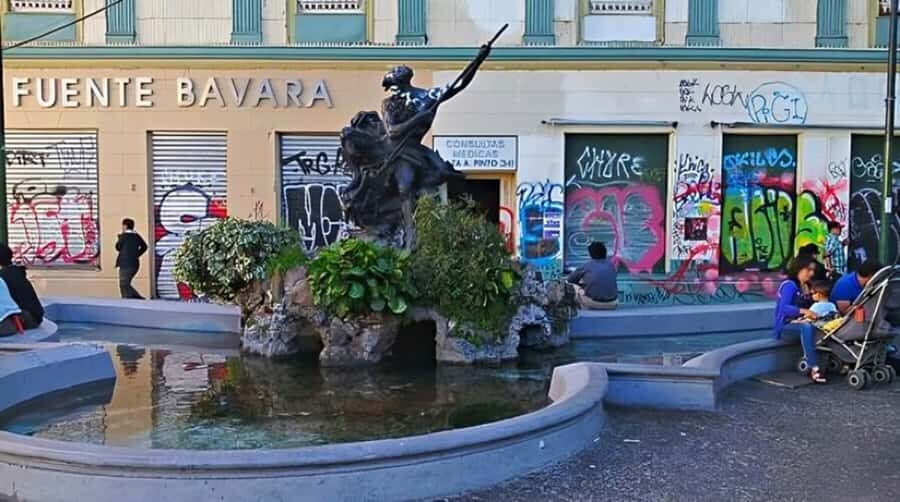
- Paseo Dimalow to Reina Victoria: graffiti walls, Casa Altamira, and a local pause
- Plaza Aníbal Pinto, Bar Cinzano, Turri Clock Tower, and the Stock Exchange
- Price, tickets, and the best way to use $31
- Should you book this Valparaíso walking tour?
- FAQ
- How long is the Valparaíso walking tour?
- How much does the tour cost?
- Where do I meet the guide?
- Is the guide available in English?
- What is included in the tour price?
- Are museum or monument entry tickets included?
- Are food or drinks included?
- Is there a private group option?
- Is there free cancellation and a pay-later option?
Key points to know before you go
- A tight 3-hour route across the city’s most photographed blocks without losing time to guesswork
- Iconic ascensores in the mix (El Peral, Concepción, Atkinson, Reina Victoria) so the hills make more sense
- Street-art corridors like Pasaje Gálvez and Paseo Dimalow with plenty to stop and look at
- Stops that connect art, architecture, and daily life such as Palacio Baburizza and Casa Altamira
- Guides who share personal stories (David and Luis are named examples) that turn landmarks into lived-in places
A 3-Hour Valparaíso Walk That Actually Teaches the City
Valparaíso is famous for two things: steep hills and vertical shortcuts. What makes this walking tour work is that it treats those elevators like the city’s backbone, not just photo props. In three hours, you get a route that links harbor views, major plazas, and the neighborhoods where the art and architecture tell you what the city values.
I like the pacing because it’s built for seeing. Your guide won’t just point; they’ll connect why each place matters and how it fits with the next stop. That connection is what helps you later, when you’re wandering on your own and trying to figure out where to go next.
The guides also lean into human detail. David, for example, shared personal stories about how Valparaíso has changed, and Luis was praised for bringing the city’s geography and culture together into a clear picture. Even if you only catch a few of those “how it got that way” moments, your understanding jumps.
You can also read our reviews of more walking tours in Valparaiso


Puerto de Valparaíso and Plaza Sotomayor: start with the harbor and monuments
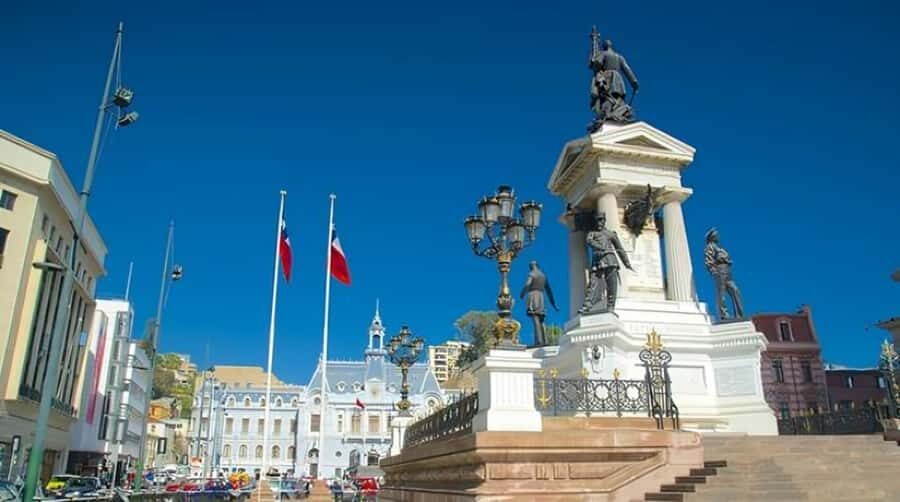
Most self-guided walks start at a viewpoint and work backward. This one does the opposite in a good way. You begin at Puerto de Valparaíso, where your guide explains the harbor’s historical significance and sets the stage for why this port city grew the way it did. It’s a fast start, but it matters, because it gives you context before you head into the hills and street art.
Then you move to Plaza Sotomayor, a central square with major monuments around it. Even if you only have a short time in Valparaíso, this kind of stop helps you “read” the city—where power sits, where people gather, and how the harbor connects to the urban layout above.
A practical note: plazas are flatter and easier, so it’s also a nice way to settle into the walking rhythm before the elevators and slopes come into play.
Armada de Chile, Ascensor El Peral, and the viewpoint strategy
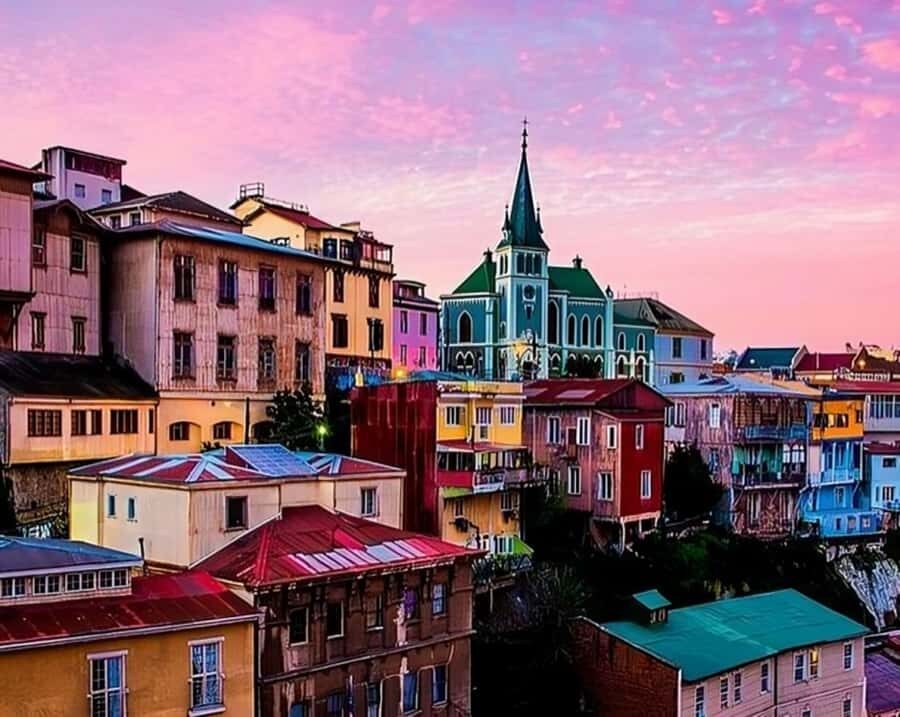
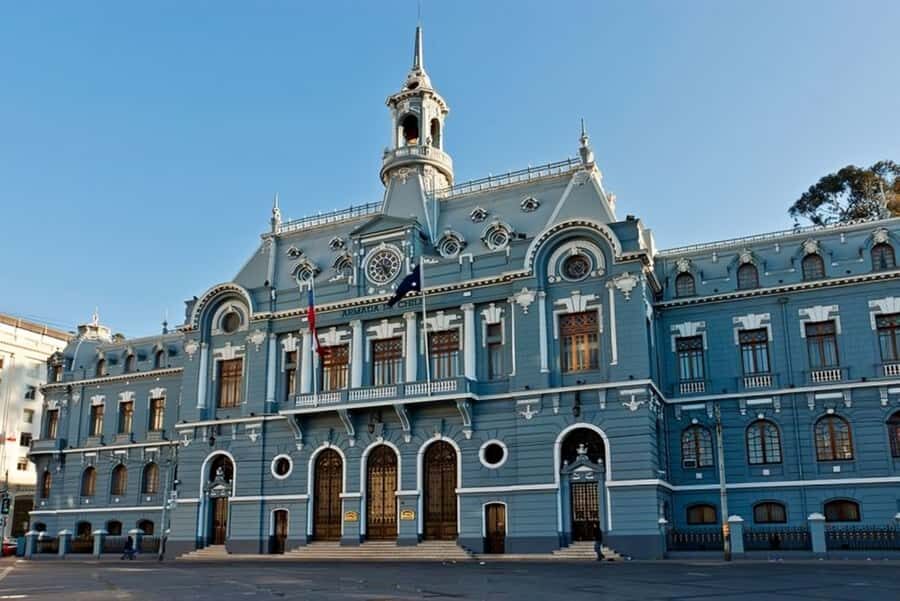
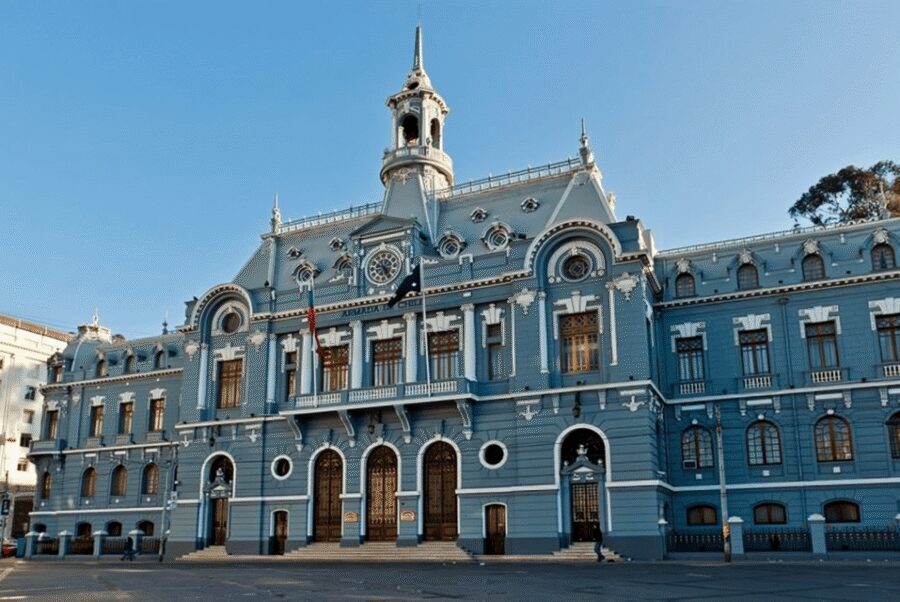
Next up: the Armada de Chile building. You’ll learn how the Chilean Navy’s presence shaped the area, and you’ll probably notice how quickly the city’s mood shifts from port-side institutional buildings to the art-and-stairs neighborhoods.
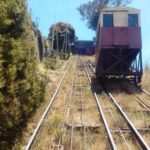
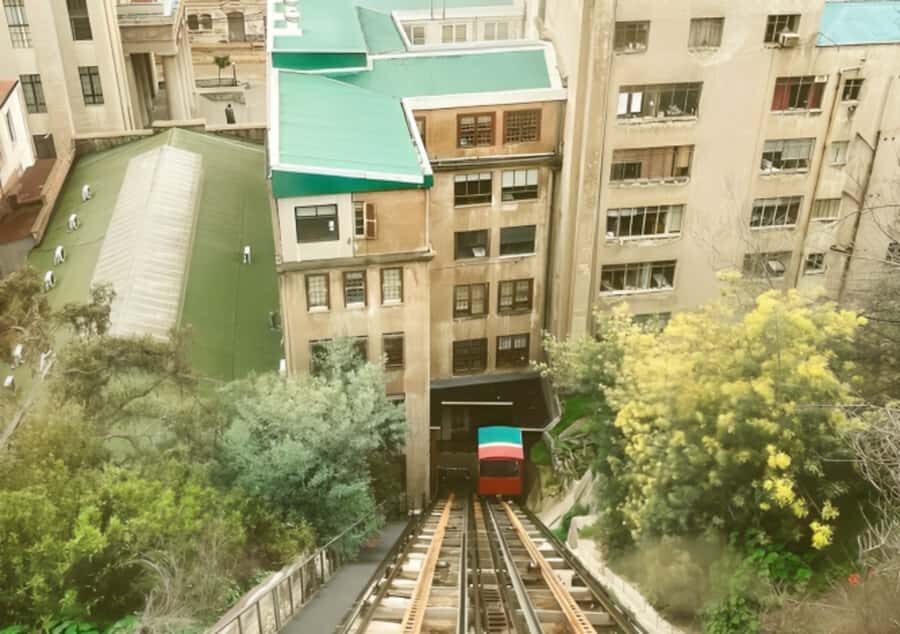
Then you hit Ascensor El Peral, one of the iconic ascensores. This is where the tour becomes more than a sightseeing list. Your guide helps you understand what an elevator means in Valparaíso: it’s transportation, it’s architecture, and it’s a way to stitch the city together across elevation changes.
If you’re the type who loves views but hates “random viewpoint hopping,” this stop is a win. You get the viewpoint, you get the story behind it, and you know it’s not isolated. It’s part of a system that repeats through the rest of the itinerary.
Also, elevators often have ticketed components. Since entry tickets aren’t included, you’ll want to treat each ascensor stop as either:
- a viewing moment, or
- a ticketed experience, if you choose to add it
Your guide’s help booking tickets can make that decision simpler.
Cerro Alegre’s Paseos: Yugoslav Promenade, Palacio Baburizza, and café life
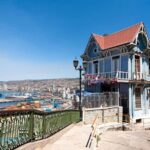
Cerro Alegre is where the tour starts feeling like a walk through art and identity. You’ll explore it with stops that highlight the neighborhood’s layered cultural mix. One standout named stop is the Yugoslav Promenade, which is an immediate clue that Valparaíso isn’t one single “style.” It’s a patchwork of immigrant influence, local adaptation, and neighborhood pride.
You’ll also admire Palacio Baburizza, a historic building that helps you see how architecture and taste arrived in the city. Even when you’re not going inside, your guide’s explanations can make the façade and positioning feel intentional rather than random.
Then you get time around the Cerro Alegre café and dining zone. This is one of those parts that makes a guided walk feel like a real day out, not just a sequence of monuments. You’ll see the kind of places you can pop into later, when you’re not on a timed schedule.
And here’s a smart travel trick: take note of where the food and seating clusters are. On your own later, those are usually the easiest places to rest, snack, and plan your next move.
Pasaje Gálvez to Paseo Gervasoni: street art with purpose
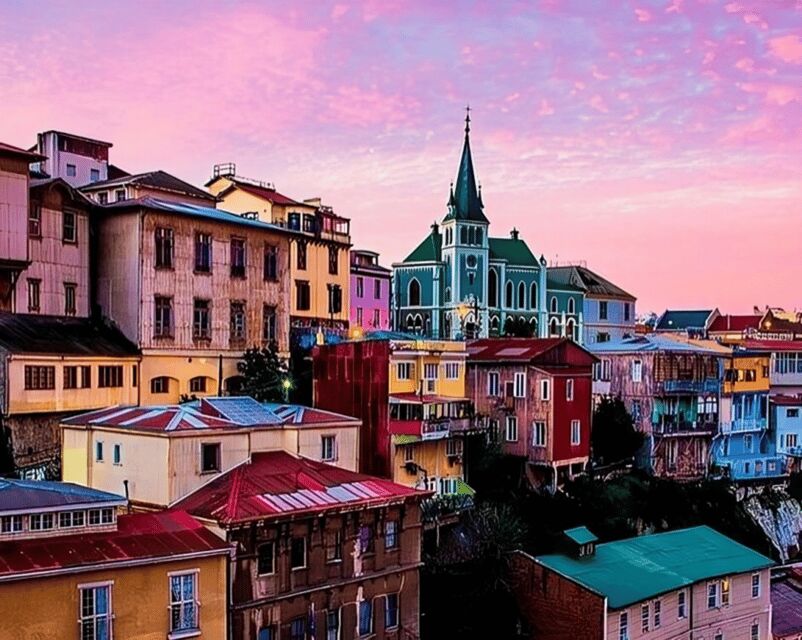
If you’ve seen photos of Valparaíso, you’ve likely seen street art. What makes this tour valuable is that it sends you to art locations where the guide’s narration helps you understand what you’re looking at.
Pasaje Gálvez is a prime example. Expect murals, music, and that “you could just keep turning corners” feeling. Your guide helps you connect the art to the neighborhood’s vibe instead of treating it like decoration.
From there, you continue to Paseo Gervasoni, with the Lukas Museum also on the route. This is where the tour can fit different interests. If you’re more art-focused, you’ll probably want to plan around ticketed museum time. If you’re more street-level, you can enjoy the walk itself and keep your budget lower by treating museum visits as optional.
Guides like Carlos were singled out for making the route feel fun and tightly explained in just three hours. That matters here because street art can look chaotic if you’re only looking with your camera. With a guide, you start seeing patterns—styles, themes, and the way the city “talks” through walls.
You can also read our reviews of more guided tours in Valparaiso



Ascensor Concepción, Paseo Atkinson, and the city’s vertical rhythm
Valparaíso’s elevator network can be confusing on your own. This tour handles that by grouping ascensor stops with the surrounding walk segments.
You’ll learn about Ascensor Concepción and Paseo Atkinson as part of the same flow. The idea is simple: instead of you trying to figure out which elevator is closest to where, you follow the guide’s route and watch how each turn changes your view, your direction, and your sense of distance.
The practical benefit is time. You avoid wandering uphill and backtracking just to reach the next landmark. In a place like this, that can save your energy and your legs.
Also, your guide’s local familiarity helps with crowd management. In one account, David was noted for navigating through heavy crowds while still keeping the schedule moving. Even if your day isn’t crowded, following a proven route means you spend more time looking and less time trying to be clever.
Paseo Dimalow to Reina Victoria: graffiti walls, Casa Altamira, and a local pause
Paseo Dimalow is next on the list, and it’s exactly the kind of street that makes a guided tour feel different from a bus ride. The sidewalks and walls are covered with graffiti, and your guide helps you interpret it as part of neighborhood culture rather than random tagging.
Then you move to Ascensor Reina Victoria, including the Queen Victoria Elevator. This stop is more than a picture. It anchors the tour back toward the kind of panoramic urban views that explain why people built these vertical transport routes in the first place.
After that, Casa Altamira beer house enters the picture. This is a nice tonal shift: you get a local hangout feel, and you can use it as a reset point even if you decide not to eat or drink during the tour. Since food and drink aren’t included, this is also where you can decide what to do later.
I like these “pause points” because they prevent the walking tour from turning into constant motion. You get a place to think, look around, and get your bearings before the final plaza stretch.
Plaza Aníbal Pinto, Bar Cinzano, Turri Clock Tower, and the Stock Exchange
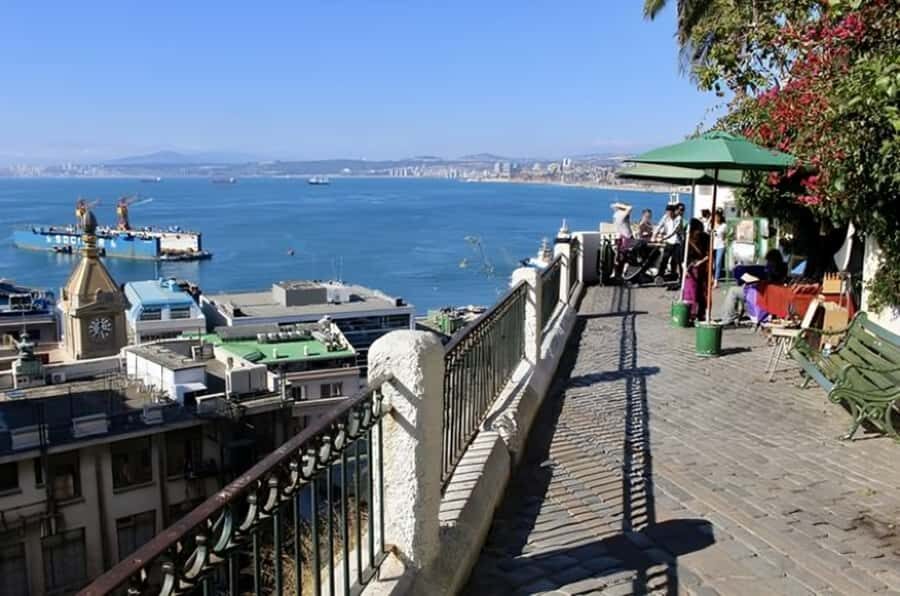
The tour finishes with a set of landmarks that connect public squares to city identity and commerce.
You’ll spend time at Plaza Aníbal Pinto, then catch Bar Cinzano as an iconic stop that adds local lore. These places are the kind of references locals use to orient each other, and your guide can help translate what you’re seeing into city context.
Finally, you reach the Turri Clock Tower and the Valparaíso Stock Exchange. That combination lands the tour with a sense of how Valparaíso grew beyond the waterfront and into finance, trade, and civic pride. You’re not just seeing pretty buildings—you’re seeing what built the city and what keeps it moving today.
By the end, you should feel like you understand the logic of the route. That’s the main value: you leave with a map in your head, not just a set of photos.
Price, tickets, and the best way to use $31

At $31 per person for about three hours, this tour can be good value if you care about efficiency and context. You’re paying for:
- an English-speaking (and Spanish-capable) guide,
- a structured walk through multiple named sights, and
- help from the team to book tickets for any desired visits
What you should plan for separately is entry and attractions tickets. The tour includes guidance, but monument or museum entry is not included, and food or drinks aren’t included either.
Here’s how I’d budget realistically:
- If you want mostly views, you might spend close to the base price.
- If you decide to add museum time and elevator rides, you’ll pay extra, but at least you’ll be choosing intentionally with your guide’s input.
Also, a quick word on timing. A morning slot like 8:30 is a common smart move, because iconic points get crowded fast. If you’re trying to see a lot without feeling boxed in, choose the earliest start time you can.
And about groups: the tour can be private if you select that option. That’s the best fit if you want one-on-one pacing, more questions, and fewer waits.
Should you book this Valparaíso walking tour?
Book it if you want an efficient introduction to Valparaíso with a guide who connects landmarks to stories you can carry with you. It’s especially worth it when you have limited time, because the route strings together Puerto, plazas, ascensores, neighborhood streets, and endgame landmarks like the Turri Clock Tower and the Stock Exchange in one go.
Skip it or rethink it if you’re mainly looking for fully self-paced time inside museums and paid attractions. Since entry tickets aren’t included, you’d need to add costs and decide on-site what to enter. A guide is still useful, but your expectations should shift from “all attractions included” to “best guided route with optional paid stops.”
If you do book, go in ready to ask questions. Ask what to prioritize if you only have one extra day. Ask what to eat in Cerro Alegre after the tour. The best tours don’t just show you places; they help you decide what to do next.
FAQ
How long is the Valparaíso walking tour?
It lasts 3 hours.
How much does the tour cost?
The price is $31 per person.
Where do I meet the guide?
Meet your guide in front of Hotel Reina Victoria.
Is the guide available in English?
Yes. The tour includes an English-speaking guide, and the guide can also speak Spanish.
What is included in the tour price?
An English-speaking guide, help from the team to book tickets for desired visits, and private/exclusive tour time if you select that option.
Are museum or monument entry tickets included?
No. Entry to monuments and museums is not included, and tickets to attractions are not included.
Are food or drinks included?
No. Drink or food is not included.
Is there a private group option?
Yes. Private and exclusive tour options are available, including private group availability.
Is there free cancellation and a pay-later option?
Yes. You can cancel up to 24 hours in advance for a full refund, and you can reserve now & pay later (pay nothing today).