REVIEW · SANTIAGO CHILE
An Architect’s Tour of Downtown Santiago
Book on GetYourGuide →Operated by SantiagoArchiTours · Bookable on GetYourGuide
Architecture becomes a street map fast. An architect’s tour of Downtown Santiago turns what you see into a clear story, guided by native-born Chilean architect Diego Inzunza. I love that the small group (up to 8) keeps the conversation moving and makes it easy to ask questions, and I also love that the walk works even if you know nothing about architecture. One drawback: it’s a solid walking experience and it’s not set up for kids under 10, so comfortable shoes and a steady pace matter.
The route runs through some of Santiago’s most meaningful places, starting near Plaza Baquedano and ending at La Moneda, the presidential palace. You’ll get built-in coffee and restroom pauses, and the focus stays practical: architectural styles, why buildings look the way they do, and how major political and social moments shaped the city. The tour is offered in English and Spanish, so you can stay in the conversation the whole time.
In This Review
- Key things I think you’ll enjoy
- Why an architect like Diego Inzunza changes the whole tour
- The Downtown Santiago flow: Plaza Baquedano to La Moneda in 3 hours
- Barrio Lastarria: learning to read a neighborhood in street-level context
- Universidad Católica de Chile: when institutions shape what a city becomes
- Cerro Santa Lucía plus Iglesia San Francisco: architecture with a sense of place
- Barrio Paris-Londres: design that mirrors shifting identities
- Coffee, restrooms, and the small extras that keep the day smooth
- Price and value: why $59 can be a smart spend for architecture fans
- Practical tips: what to bring, what to avoid, and how to make it easier
- Who should book this tour (and who might skip it)
- Should you book An Architect’s Tour of Downtown Santiago?
- FAQ
- How long is the Architect’s Tour of Downtown Santiago?
- Where does the tour start and where does it end?
- What languages are available?
- How large is the group?
- Is the tour wheelchair accessible?
- What should I bring and wear?
- Is this tour suitable for children?
Key things I think you’ll enjoy
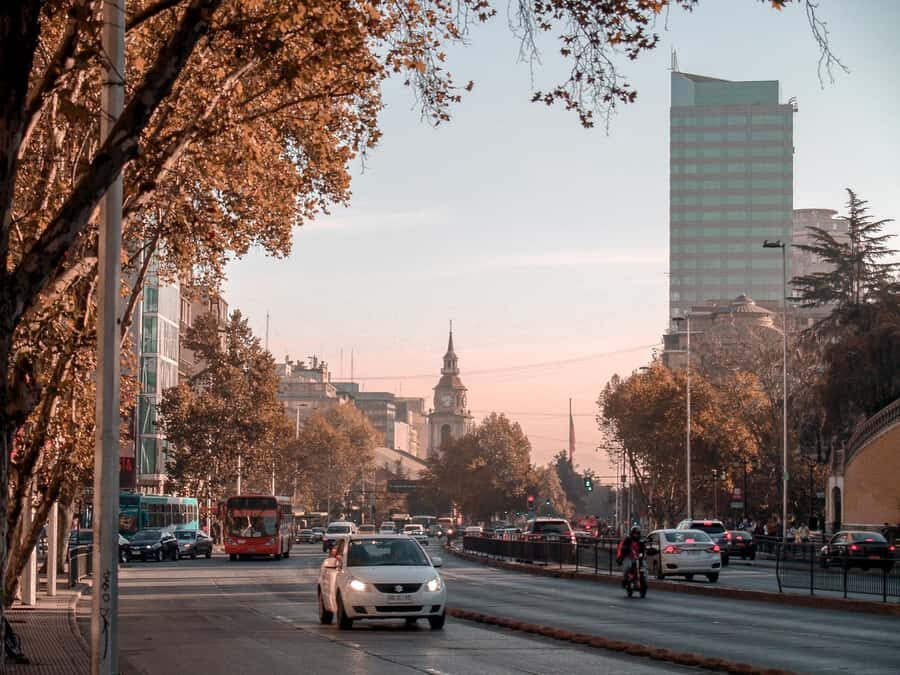
- An architect, not a casual lecturer: Diego brings an architectural degree and years of guiding experience into the walk.
- A tight small group: up to 8 people means more time on the street and fewer stand-around moments.
- Ask-as-you-go learning: you can ask questions and spend extra time on spots you want to photograph.
- A route with real endpoints: it starts at Plaza Baquedano and finishes at La Moneda, so you feel the city’s center shift.
- Breaks built in: coffee and restroom stops are planned, and you may get flexibility for small needs like a bank or money exchange stop.
- No special tools required: you don’t need any architecture background or equipment beyond curiosity.
Why an architect like Diego Inzunza changes the whole tour
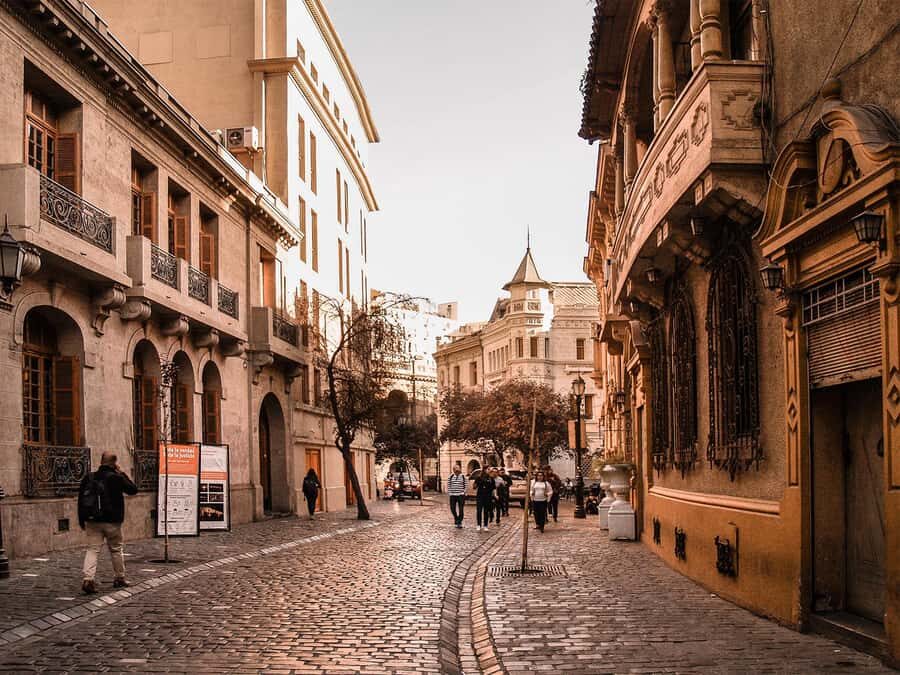
A normal city walk tells you what something is. This one tries to explain why it looks like that, and that shift is the difference. Your guide is Diego Inzunza, a Chilean architect who graduated in 2016 in Architecture and has worked as an architect and guide for more than 6 years. That matters because you’re not just hearing opinions. You’re getting the logic behind design choices and how they connect to Chile’s story.
What I like most is the way the tour stays interactive. You’re encouraged to ask about what you notice, not just absorb a script. If a building detail catches your eye—materials, proportions, street relationship—you can slow down and get an explanation tied to the bigger changes in Santiago. The tour also keeps the bar low: you do not need previous knowledge in architecture, and you do not need any gear. Just show up with an open mind.
There’s also a language advantage. Diego has developed his English to a fluent level after living in the United States for 10 years. So if you’re traveling in English, you’re not stuck with basic phrases. The conversation can stay in-depth without getting complicated or vague.
You can also read our reviews of more tours and experiences in Santiago Chile.



The Downtown Santiago flow: Plaza Baquedano to La Moneda in 3 hours
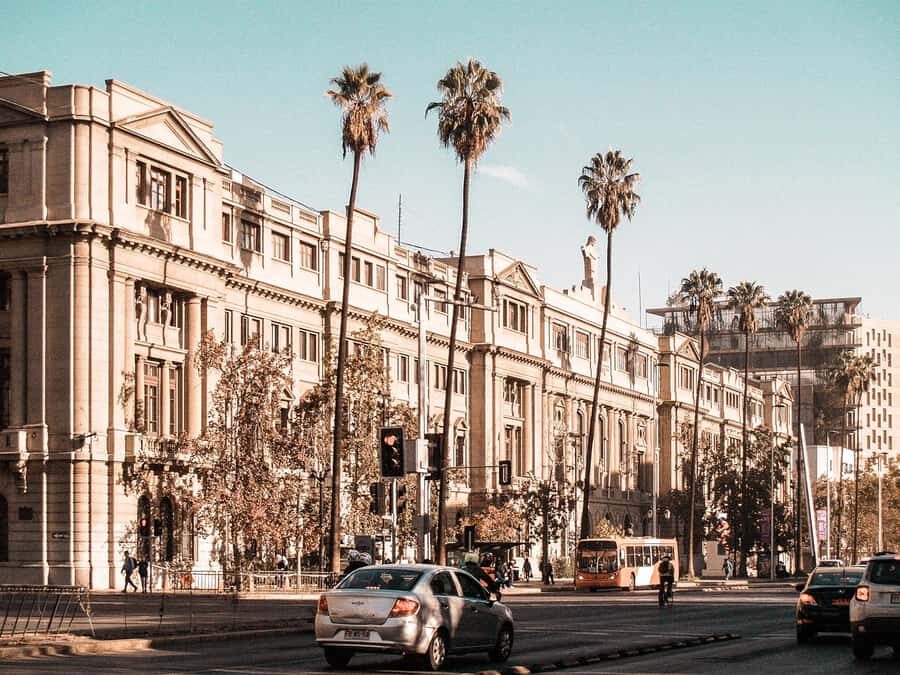
This tour is designed like a guided “architecture through-line.” You start at the city’s big meeting point—Plaza Baquedano, next to Teatro Universidad de Chile—and the walk gradually leads you toward Santiago’s most political stage: La Moneda. In other words, you get both street-level texture and a clear endpoint.
It’s also paced for real people, not tour robots. The plan includes restroom and coffee breaks, which is huge on a downtown route. You can also spend more time on places you want to photograph or explore a bit further. That flexibility makes it feel less like a checklist and more like a conversation that happens to follow a route.
Timing matters here. The experience is 3 hours, and it’s a walking format. That length is long enough to get into themes—architectural styles and the events that shaped the city—but short enough that you can still enjoy the rest of your day after. The tour ends at La Moneda, and transportation options are close by, with both public and private choices just steps away.
One note before you go: the tour meeting details include Plaza Baquedano as the pickup point, while the activity listing also shows a start location at Av. Providencia 43. To avoid confusion, I’d treat Plaza Baquedano next to Teatro Universidad de Chile as your firm meetup point and confirm any final check-in detail with the operator if your voucher shows Av. Providencia 43.
Barrio Lastarria: learning to read a neighborhood in street-level context
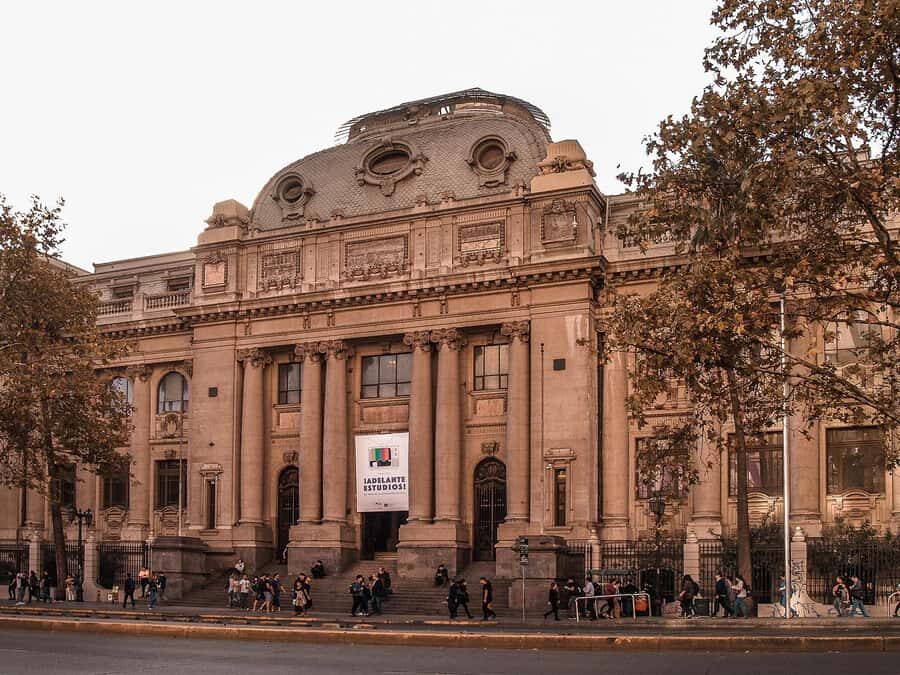
One of the best parts of an architecture-focused walk is how it trains your eyes. At Barrio Lastarria, you’re not just passing by nice scenery. You’re getting a framework for noticing design decisions and connecting them to the city’s broader evolution.
The tour is built around the idea that buildings aren’t random. You’ll learn how architectural styles develop, what drives the look and feel of buildings, and how key events shaped Santiago’s growth. In practice, that means you’ll start asking different questions on the street: What’s the building trying to communicate? How does it relate to the street and the people around it? Why does one block feel different from the next?
This stop is also a good moment to reset your photography. If you want photos that feel intentional rather than accidental, this kind of guided interpretation helps you frame what matters. If a particular façade detail catches your eye, you can ask for more time there without feeling like you’re breaking the flow.
Universidad Católica de Chile: when institutions shape what a city becomes
Next, you’ll make time for Universidad Catolica de Chile. Educational and cultural institutions tend to have a bigger impact than visitors often realize, because they create long-term patterns: they pull in daily crowds, demand specific built forms, and influence how neighborhoods evolve.
On this tour, the institution stop fits the larger theme. You’ll connect what you see with architectural style, the reasons behind a building’s aesthetic choices, and the events that pushed the city toward its current character. This is also where the architect-led format really shows. Instead of just naming buildings, Diego can explain how design responds to function and identity.
If you like learning how politics and society leave physical marks, this is a strong section. The tour includes how Chile’s political and social changes shaped development, and institutional architecture is one of the clearest ways those forces become visible.
Cerro Santa Lucía plus Iglesia San Francisco: architecture with a sense of place
Two stops that work well together are Cerro Santa Lucía and Iglesia San Francisco. Even without needing to know architectural terminology, these locations help you understand scale and atmosphere. A hilltop or elevated area gives you a chance to see how Santiago spreads. Then a historic church stop shifts you back into the fine-grain details—materials, form, and how spiritual architecture fits into daily city life.
The tour’s approach keeps both stops practical. You’ll learn the architectural styles you’re seeing, and more importantly, you’ll hear the reasoning behind the visual impact. Diego also gives you context for how major historical moments shaped the city’s built environment, so these aren’t just monuments on a route—they become pieces of a timeline.
What to watch for: use this section to slow down for photos, and also to notice street transitions. The best architecture moments often sit at the edges—where one kind of street character fades into another. Since the tour allows you to spend extra time at spots you like, you can linger if you find an angle worth capturing.


Barrio Paris-Londres: design that mirrors shifting identities
Barrio Paris-Londres is another anchor on the walk, and it’s a great place to connect design with story. The tour’s core theme is that architecture reflects more than taste. It reflects the pressure of history: political movements, social shifts, and changing priorities that eventually show up in buildings and streets.
This stop is where I’d expect you to feel the tour’s bigger point. As you move through Santiago’s neighborhoods, Diego ties details back to why they matter. You’ll learn about architectural styles and about the events that shaped the city, which makes it easier to interpret what otherwise looks like a random collection of older and newer structures.
If you enjoy guided pattern recognition—how one era’s thinking differs from another—this is a highlight. And because the group stays small, you can ask follow-up questions when something doesn’t click. The tour doesn’t treat you like a passive audience.
Coffee, restrooms, and the small extras that keep the day smooth
A walking tour can be either comfortable or exhausting depending on the planning. Here, pauses are part of the design. You’ll have planned coffee breaks and restroom stops, so you’re not constantly negotiating your energy.
One additional flexibility point is worth knowing: the tour has been set up with thoughtful timing for extras if needed—like bank or money exchange stops—so you aren’t scrambling mid-walk. That kind of “life-friendly” planning is especially helpful if you’re staying in central Santiago and want your time to stay focused on the experience.
Also, you’re allowed to keep the tone curious. You can ask about places you find interesting and, if you want more time at a stop for photos or a quick explore, you can. That’s a real advantage over rigid tours.
Price and value: why $59 can be a smart spend for architecture fans
At $59 per person for a 3-hour walking tour with an architect guide, the value comes down to one thing: time plus expertise. You’re not paying just for access to landmarks. You’re paying for a guided conversation that covers architecture and historical context, and you’re doing it in a small group capped at 8 people.
That matters because architecture explanations are most useful when you can see what you’re talking about. Standing in front of a building and connecting it to broader historical change is far more effective than reading about it after the fact. With an architect as your guide, the discussion has a structure: architectural styles, aesthetic reasoning, and the political and social events that shaped Santiago.
Compared with generic sightseeing tours, this format tends to feel more like an informed walk with a local professional who can answer the questions you actually have. If you’re the kind of traveler who notices details—street edges, materials, how buildings relate to each other—this tour turns that habit into an experience.
What you should plan for: this tour does not include a ride back to your destination. The ending point is La Moneda, and transportation options are nearby, but you’ll want to have your post-tour plans ready.
Practical tips: what to bring, what to avoid, and how to make it easier
Bring comfortable shoes. You’ll be walking, and the tour lasts 3 hours, so your feet will notice whether you chose sensible footwear.
You also need to follow the tour’s rule: no jewelry. That’s an unusual instruction, but it’s listed as a restriction, so I’d treat it as a firm guideline and dress accordingly for the day.
If you’re traveling with kids: this experience is not suitable for children under 10. If you’re a wheelchair user, the tour is wheelchair accessible, which is a big positive for downtown sightseeing.
Finally, pack your curiosity. No special equipment is required, but a phone camera or basic camera can help you take photos—especially since the tour encourages stopping longer when a place is worth photographing.
Who should book this tour (and who might skip it)
I’d say book this if you want more than postcard sightseeing. This is a strong match for you if you like history, architecture, politics, or simply learning something new at street level. It’s especially good if you enjoy when a guide connects design to real-world changes—rather than just pointing out what’s famous.
You might consider skipping if you:
- hate walking tours and want mostly indoor stops
- prefer pure landmark photography without discussion
- are traveling with children under 10
If you’re traveling with someone who’s less into architecture, this tour can still work because the guide explains ideas in a way that connects built form to Santiago’s story. And since the group stays small, the pace feels conversational instead of chaotic.
Should you book An Architect’s Tour of Downtown Santiago?
If your goal is to understand Santiago’s center in a short amount of time, this is a solid choice. The fact that you’re guided by Diego Inzunza, an architect who’s been guiding for years and can teach the ideas in English or Spanish, makes the learning feel intentional rather than random. Add in the small group size, built-in breaks, and an endpoint at La Moneda, and you get a tour that feels complete without dragging on.
My rule of thumb: if you enjoy street-level stories and you’re curious about how history shows up in buildings, book it. If you want a quick, low-effort stroll with minimal talking, you may find it too discussion-heavy.
In short: this is one of those Santiago experiences where you leave seeing the city with a different lens.
FAQ
How long is the Architect’s Tour of Downtown Santiago?
The tour lasts 3 hours.
Where does the tour start and where does it end?
It starts at Plaza Baquedano (next to Teatro Universidad de Chile) and ends at La Moneda, Chile’s presidential palace.
What languages are available?
The tour is offered in English and Spanish.
How large is the group?
It’s a small group limited to 8 participants.
Is the tour wheelchair accessible?
Yes, it is wheelchair accessible.
What should I bring and wear?
Wear comfortable shoes.
Is this tour suitable for children?
It is not suitable for children under 10.