REVIEW · PUCON
Ascent to Villarrica volcano 2,847masl, from Pucón
Book on GetYourGuide →Operated by Ermitaño Expediciones · Bookable on GetYourGuide
Villarrica is a volcano with real attitude. I like this day trip because the whole climb is run with certified mountain guides and serious safety gear, and it ends with unforgettable crater views from nearly 3,000 meters. One thing to keep in mind: the hike is moderate but demanding, and on colder, windier days you’ll be relying on the team’s decisions and the fit of your rented gear to feel comfortable.
You start early, get kitted up properly, and then spend the day earning those sweeping views of Pucón, Villarrica, the lakes, and the Andes volcano chain. The top is the payoff: on clear conditions you may even spot activity inside the crater. The likely drawback is practical, not dramatic: if your gear doesn’t match your body type, you’ll want to speak up fast, and it can help to bring extra snacks beyond what’s included.
In This Review
- Key takeaways before you climb Villarrica
- Pucón’s morning start: meeting at Ermitaño and getting equipped
- The 40-minute transfer and the Villarrica National Park briefing
- The main hike: 5 to 6 hours up to 2,847m
- Summit time at 1:30pm: Pucón, lakes, and possible crater activity
- Going down: 2 to 4 hours, plus sledging when snow is around
- Safety and group pace: what good guiding looks like here
- Gear, photos, and the end-of-day snack/beer moment
- Price and value: is $185 a fair deal?
- Who this tour fits best (and who should skip it)
- Weather and equipment reality checks (read this before booking)
- Should you book the Villarrica summit day with Ermitaño Expediciones?
- FAQ
- How high does the Villarrica hike go?
- How long is the hike to the summit?
- What time does the tour start in Pucón?
- Is the chairlift/cable car included?
- Do I need prior experience to do this climb?
- What’s the minimum age?
- What should I bring?
- What languages are the guides?
- Is there free cancellation?
Key takeaways before you climb Villarrica
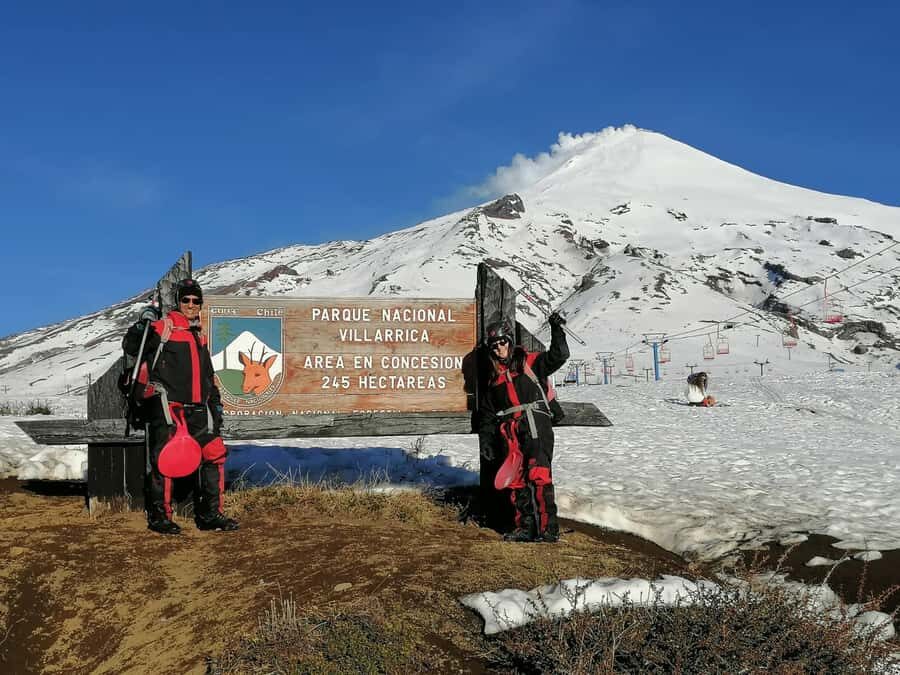
- Expert-led safety first: Certified guides, insurance, and a short park safety briefing before you step onto steeper ground.
- Full gear included: From crampons and helmet to ice axe and over-jacket, you’re not arriving empty-handed.
- Real volcano, not a postcard: Villarrica is Chile’s most active volcano, with its last eruption in 2015.
- Hard work, then big rewards: A long ascent to 2,847m with panoramic views at the summit.
- Fun descent style depends on season: Snow season means sledging; summer typically means walking down.
- Close-to-town convenience: You meet at Ermitaño Expediciones in Pucón and the base is only about a 40-minute ride away.
Pucón’s morning start: meeting at Ermitaño and getting equipped
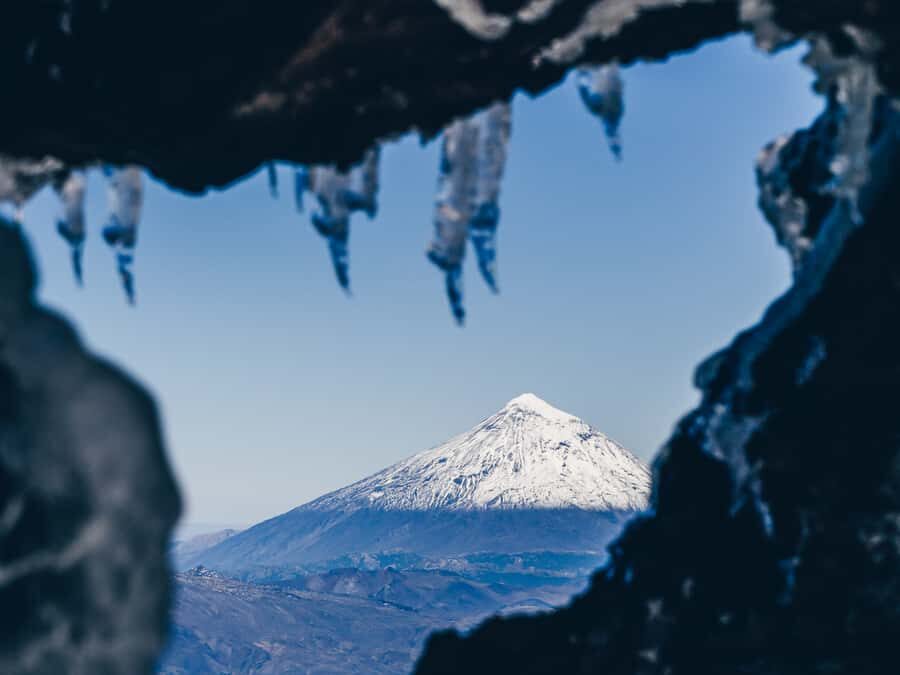
This is the kind of tour where the day feels organized before you even leave town. You meet at the Ermitaño Expediciones agency, and the action starts around 6:00am with time to get ready and receive the equipment you’ll need for cold, rocky, and snowy conditions (depending on the season).
A smart tip I’d follow here: if you can, visit the day before to try the gear and ask questions. The operator recommends this because it helps you get properly fitted so the crampons, layers, and straps actually work for your body—not someone else’s.
One reason this matters: you’re not just hiking in sneakers. You’ll have gaiters, crampons, a helmet, and an ice axe, plus extra outer layers like over pants and an over jacket. That’s a lot of stuff. When it fits right, you move with confidence. When it doesn’t, you’ll feel it for hours.
You can also read our reviews of more tours and experiences in Pucon.
The 40-minute transfer and the Villarrica National Park briefing
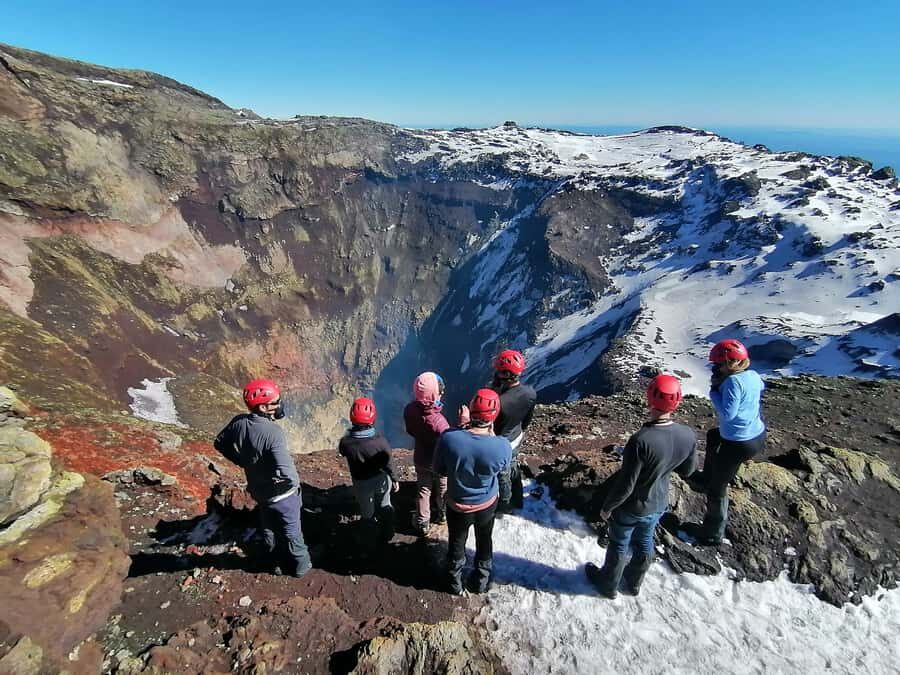
After gear time, you take transport for about 40 minutes to the volcano base, where you start near 1,200 meters. When you’re close enough to begin the climb, the group does a park safety briefing (about 15 minutes).
This isn’t a casual “walk nicely” talk. It’s the moment you learn how the day will run, what to watch for, and how to handle conditions on the route. For a volcano ascent, that briefing is worth paying attention to, because the rest of your day depends on good habits: where you step, how you move on uneven ground, and how you stay steady when things get steep or icy.
The main hike: 5 to 6 hours up to 2,847m
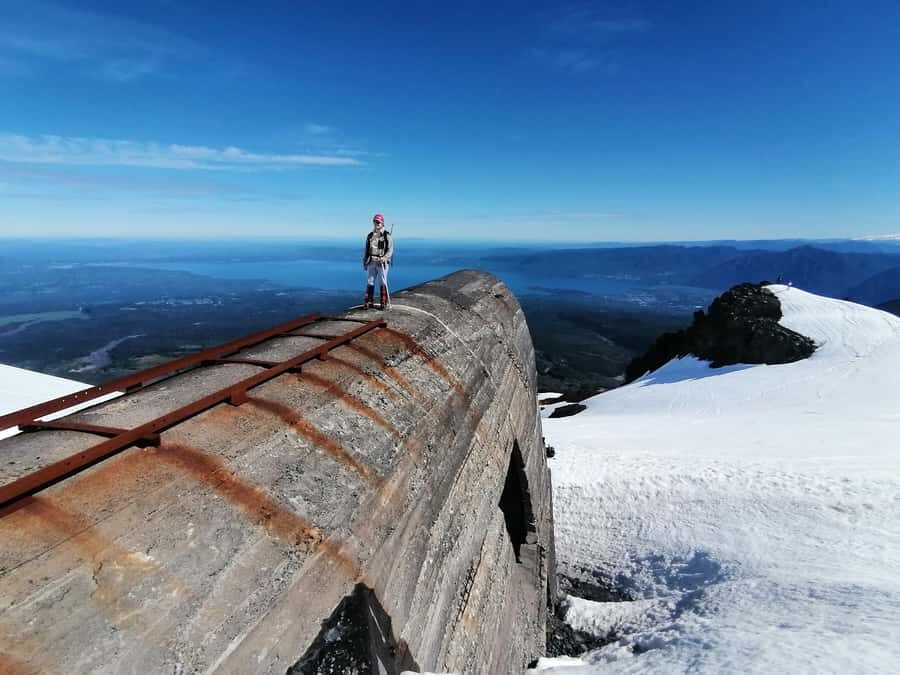
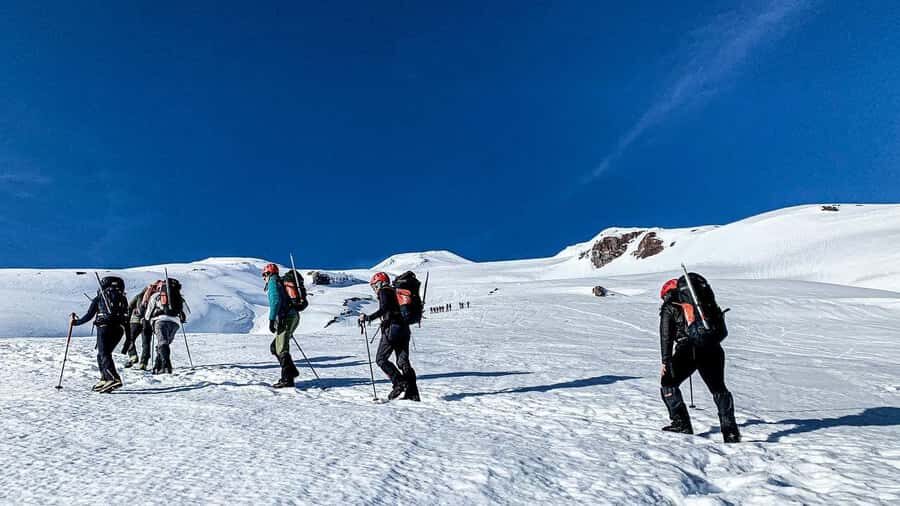
Here’s the heart of the experience. Around 7:30am, you start walking and you’ll be out for roughly 5 to 6 hours to reach the summit at 2,847 meters.
No prior experience is required. That said, the tour is rated moderate difficulty, and the altitude plus elevation gain means you need decent baseline fitness and health. Think steady effort more than sprinting. You’ll likely find that a slower, consistent pace feels better than pushing too hard early.
At this stage, the included gear becomes your “why this is worth paying for.” Crampons and ice axe help you feel secure when the route is slick. Over-layers keep you warm without stopping your movement. It’s the difference between “I hope I can finish” and “I know I can finish.”
Summit time at 1:30pm: Pucón, lakes, and possible crater activity
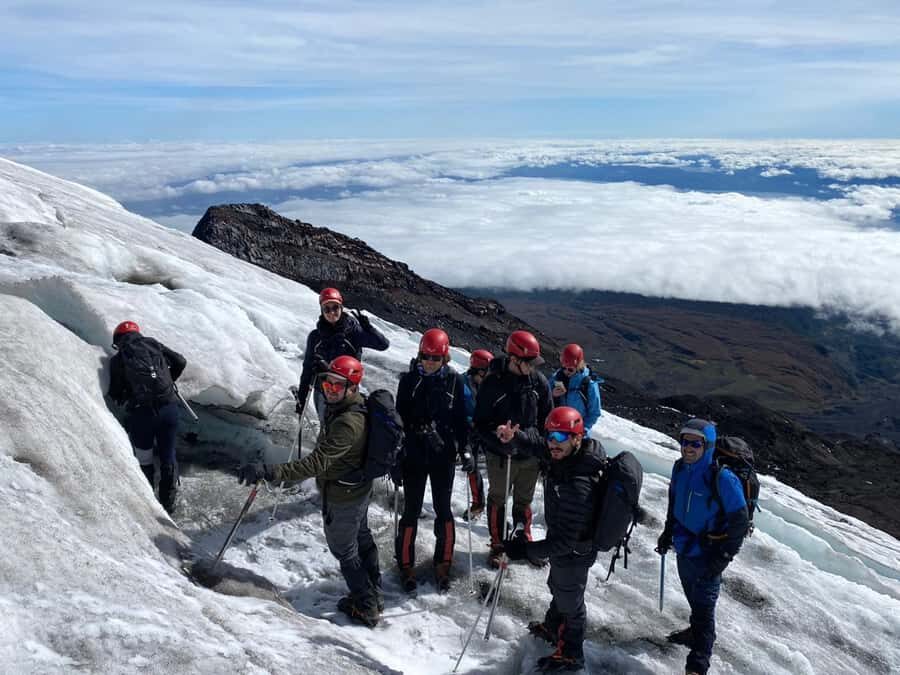
Your timing is built around summit views. The goal is to reach the top by about 1:30pm, where you can enjoy a panoramic view over Pucón and Villarrica, nearby lakes, and multiple other volcanoes in the region.
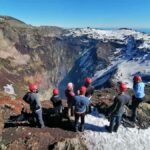
This is the moment that makes Villarrica special: it’s not only high. It’s active. Villarrica is known as Chile’s most active volcano, and the last eruption was in 2015. Depending on volcanic activity and what conditions allow, you may even see magma inside the crater.
Weather always decides how “spectacular” the views turn out. But even on a less-perfect day, being on the volcano itself—not looking at it from afar—changes your sense of place fast.
Going down: 2 to 4 hours, plus sledging when snow is around
The descent typically takes 2 to 4 hours, and you start it after your summit time. How you go down depends on the season:
- In winter, autumn, and spring, you can slide on snow using the sledge.
- In summer, the descent is usually walking.
That sledging detail is more than fun trivia. It’s a practical way to reduce leg fatigue. Instead of pounding downhill for hours, you trade some of that strain for a controlled, playful return—while still moving with the group and following guide instructions.
On the snow conditions side, I’d also think about sunglasses. One piece of feedback I really agree with: pack sunglasses with good UV protection. Bright light on cold surfaces can mess with your eyes and make the day feel harder.
Safety and group pace: what good guiding looks like here
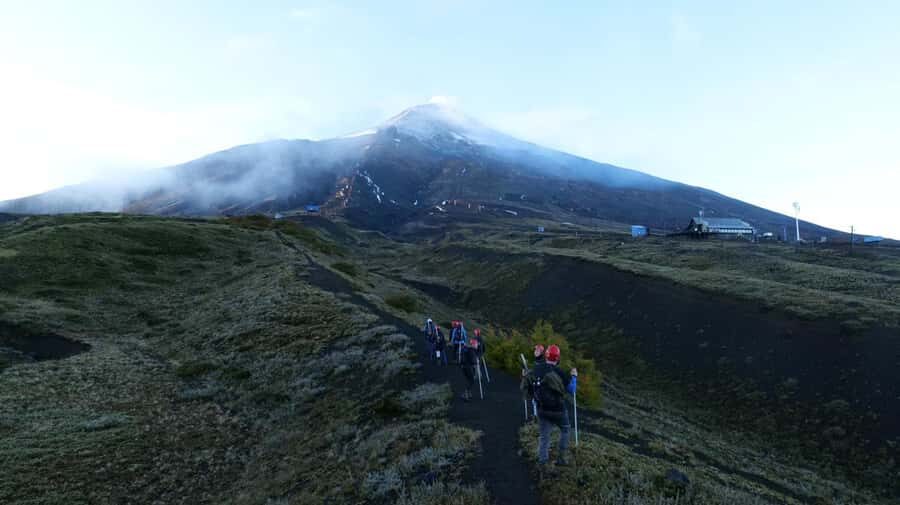
A big part of the value is how the guides manage the group. The overall vibe I’d look for in a tour like this is calm control: clear instructions, no drama, and enough attention that you don’t feel rushed.
The guides here are described as warm, helpful, and not overbearing, including the way they handle different paces. If your group has a mix of abilities, you may get split up so nobody feels pushed or left behind.
That’s exactly what you want on a steep volcano day. You don’t need shouting. You need consistency, good footing choices, and an operator that cares more about safe progress than ego.
Gear, photos, and the end-of-day snack/beer moment
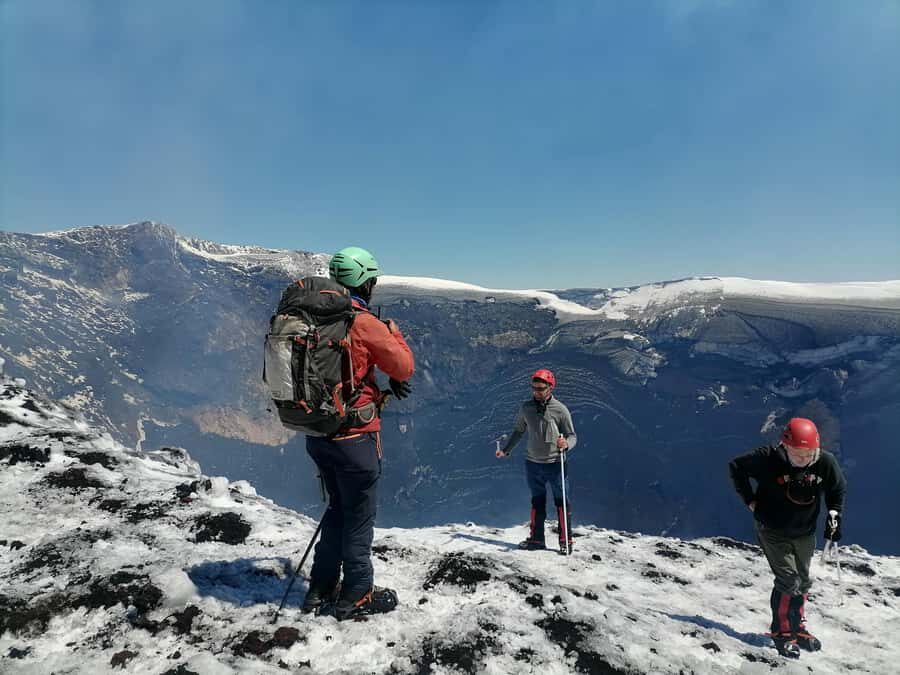
Everything you need for the climb is included: backpack, hiking shoes, gaiters, crampons, helmet, ice axe, over pants, over jacket, sledge, and gloves. The tour also includes photos and videos, so you don’t have to play camera operator while trying to walk safely in cold, uneven terrain.
At the end, you return to the office around 4:00pm to 6:00pm. Then there’s a cold reward: beer or juice with a snack. It’s a small thing, but it’s a nice reset after a long, demanding day—especially if you’re running low on energy.
One more practical note: the included snack is not the same as a full meal. Bring food and drinks for the hike, as the tour suggests. If you know you get hungry, pack more than you think you’ll need.
Price and value: is $185 a fair deal?
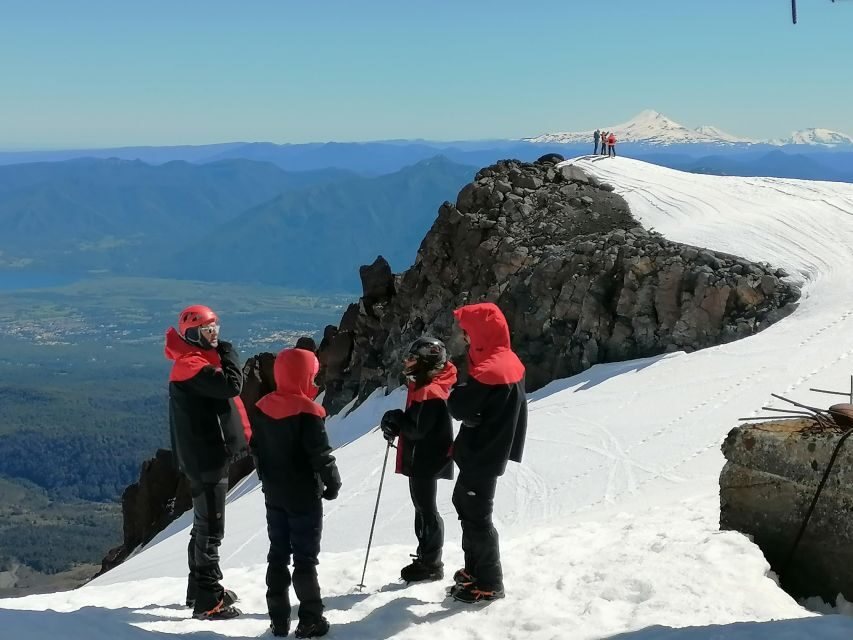
$185 per person sounds high until you break down what’s included. Here you’re getting:
- transport to and from the volcano base,
- park entrance,
- insurance,
- certified mountain guides,
- full climbing/snow gear (crampons, helmet, ice axe, outer layers),
- and photos/videos, plus a post-hike drink and snack.
If you tried to assemble those pieces on your own—especially the gear, the guide, and the park entry—it would usually cost more and feel less reliable. So for a one-day volcano ascent with safety equipment and expert leadership, this price lands in the “pay for the real help” category.
There’s one optional item you should know about: the chairlift/cable car is not included. One review strongly suggests it for the first part of the climb when it’s available, because the remaining ascent can still include steep segments. If you’re deciding whether to spend extra time on foot at the start, ask what options are operating that day.
Who this tour fits best (and who should skip it)
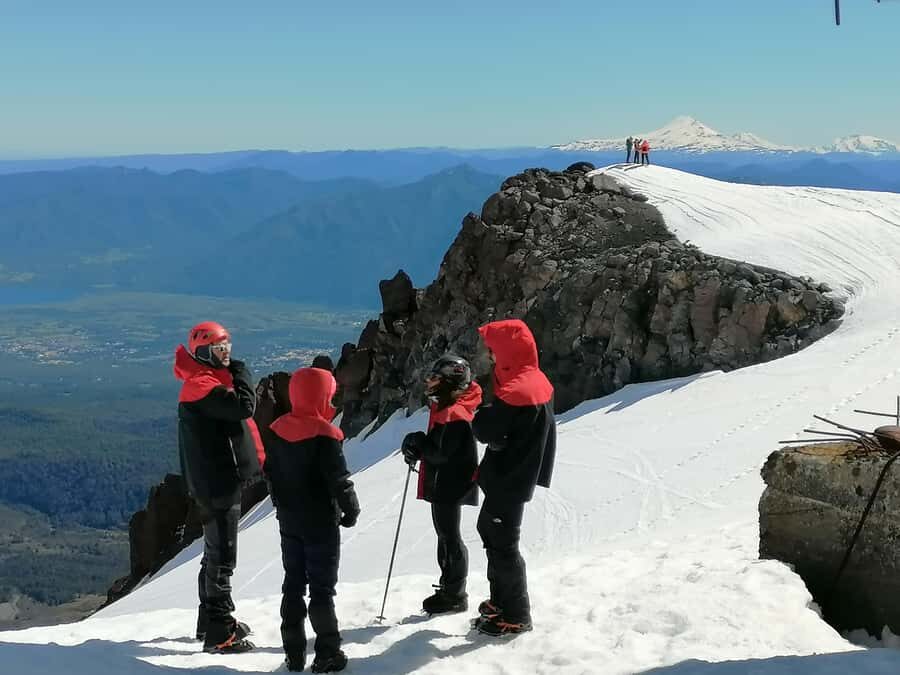
This is a good match if you:
- want a guided climb on one of the most active volcanoes in Chile,
- have decent fitness and want a structured day,
- don’t mind being outdoors for a long stretch (about 7 hours total on the route portion),
- can follow safety instructions and keep to the rules on clothing and smoking.
It’s not suitable for:
- pregnant women,
- children under 18,
- people with low level of fitness.
Also note the tour rules: no smoking, no sleeveless shirts, no alcohol/drugs, and no shorts. It’s basically telling you: dress for cold and keep your body safe.
Weather and equipment reality checks (read this before booking)
Even the best operation can be affected by conditions. In one negative experience, the wind was described as very violent and the climb should have been canceled. I can’t tell you how often that happens, but I can tell you to be flexible in your expectations: if the weather is unsafe, the mountain wins.
Also check gear comfort. Another issue raised was that equipment didn’t fit one participant well (like poles and suit/outer layer sizing). This is exactly why the day-before try-on matters. If your gear feels wrong on day one—too tight, too long, awkward—say so early. Don’t wait until hour four.
Finally, bring your own energy food. One person wished there had been something extra like a café stop or a protein bar. Whether that’s standard or not, your best move is simple: pack snacks you know you’ll eat.
Should you book the Villarrica summit day with Ermitaño Expediciones?
Book it if you want a serious volcano ascent that feels run by people who take safety seriously, with all the key gear included and a day plan built around reaching summit views around 1:30pm.
Skip it (or pick a different style of tour) if:
- you’re not comfortable with a long, steep hike and possible cold/windy conditions,
- you need a very flexible plan that avoids altitude effort,
- or you’re sensitive to uncomfortable gear fit and can’t make time for the recommended day-before fitting.
If you’re prepared, this is the kind of day that sticks: the long climb, the view sweep over lakes and volcanoes, and that satisfying return—sledding when conditions allow—followed by a cold drink as your body finally agrees you did it.
FAQ
How high does the Villarrica hike go?
You climb to 2,847 meters above sea level (the summit).
How long is the hike to the summit?
The walking time to reach the summit is about 5 to 6 hours.
What time does the tour start in Pucón?
You start around 6:00am at the Ermitaño Expediciones office.
Is the chairlift/cable car included?
No. The chairlift/cable car is not included.
Do I need prior experience to do this climb?
No previous experience is necessary, but you should have good physical condition and be generally healthy.
What’s the minimum age?
Only participants 18 years old or older are suitable for this activity.
What should I bring?
Bring sunglasses, food and drinks, sunscreen, comfortable clothes, socks, and hiking pants.
What languages are the guides?
The instruction is available in English, French, and Spanish.
Is there free cancellation?
Yes—free cancellation up to 24 hours in advance for a full refund.
If you tell me your travel month and fitness level, I can help you estimate whether sledging season is likely and what kind of clothing and snacks to pack.