REVIEW · SANTIAGO CHILE
Discover Santiago, where modernity merges with history
Book on GetYourGuide →Operated by Best Trip Chile · Bookable on GetYourGuide
Santiago changes fast, and this tour keeps up. In a 4-hour loop, you’ll bounce between hilltop viewpoints, colonial landmarks, and modern skyline sights, with time built in to actually look around. It’s designed for an easy first visit, with small groups that make the route feel manageable rather than rushed.
What I like most is the mix of hands-on viewpoints and street-level context. The hotel pickup and drop-off removes the hassle, and the local guide helps you connect what you see to how the city got where it is today. If your guide is someone like Carlos, Rodrigo, Cristian, Julio, Juan, Maurício, or Daniel, expect clear explanations and lots of questions welcomed.
One thing to keep in mind: Santa Lucía Hill is a walk up on foot, and on some days it may be closed for maintenance. The plan can also shift a bit due to street closures or events, so build in flexibility.
In This Review
- Key highlights you’ll feel right away
- 4 Hours to Get Your Bearings in Santiago
- Price and What You Really Get for $60
- How the Small-Group Style Changes the Day
- From Bicentenario Park to Costanera Center: Modern Chile in Motion
- Bellavista and Forestal Park: Culture Without the Museum Ticket Lines
- San Francisco Church and the National Library: Old Buildings That Survived
- Santa Lucía Hill: The Short Walk That Changes How You See Santiago
- Lastarria and the Museum-District Feel: Where You’ll Want Extra Time
- Ex National Congress and the Civic Story Behind the Buildings
- Metropolitan Cathedral and Plaza de Armas: Santiago’s Center of Gravity
- Stock Exchange to Paseo Ahumada: The City’s Day-to-Day Side
- La Moneda and Plaza de la Constitución: The Moment You’ll Remember
- Comfort, Timing, and What to Do After the Tour
- Wheelchair Access and Walking Reality
- Who This Tour Is Best For
- Should You Book This Santiago City Tour?
- FAQ
- How long is the Santiago city tour?
- What does the tour cost?
- Is hotel pickup and drop-off included?
- What kind of transportation is used?
- What are the main stops and sights?
- Is lunch included?
- Which languages are available for the live guide?
- Is the tour wheelchair accessible?
- Is Santa Lucía Hill walkable?
- What if the itinerary changes or Santa Lucía is closed?
Key highlights you’ll feel right away
- Hotel pickup + drop-off: Less time navigating, more time seeing.
- Real city variety in 4 hours: Park views, churches, plazas, and government buildings.
- Guides with range: Expect strong storytelling, plus personal touches based on interests.
- Santa Lucía Hill stop: A short climb that pays off with panoramic views.
- La Moneda area timing: You’ll see the changing of the guard at Plaza de la Constitución.
- Lots of landmark proximity: Several major stops in one tight schedule.
4 Hours to Get Your Bearings in Santiago
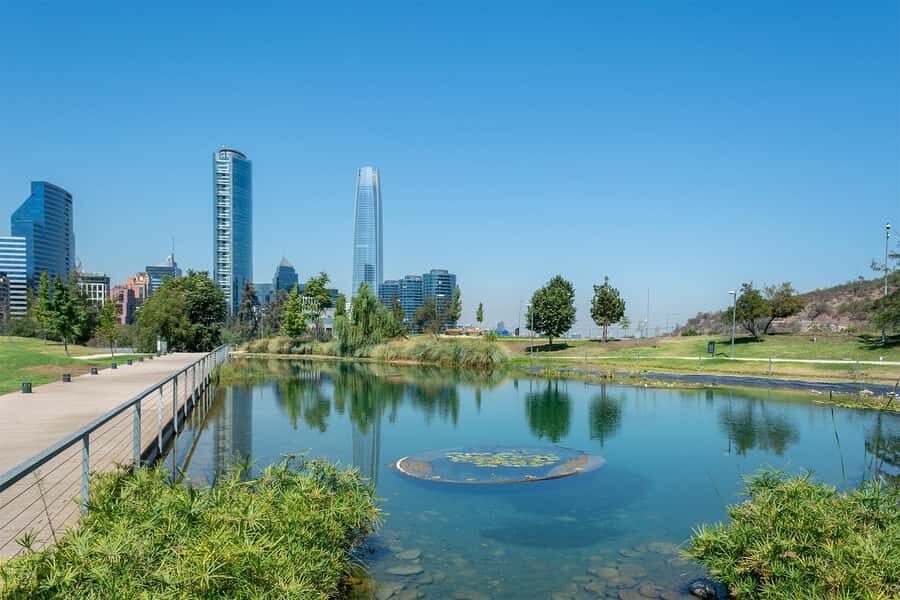
If Santiago feels like it has too many versions of itself, this tour gives you the quick map. You start with a celebratory park view, roll past the modern financial district, then move through older religious and civic sites before finishing at La Moneda and the presidential plaza area.
The best part is that the “big stuff” is spread across the route in a logical flow. You don’t just look at monuments from a distance. You also walk a bit in the central areas—enough to feel the city, not just take photos from a window.
You can also read our reviews of more historical tours in Santiago Chile


Price and What You Really Get for $60
At $60 per person for a 4-hour guided tour, the value comes from what’s included, not from the sticker price. You’re getting a local guide, an air-conditioned minivan, and visits to key cultural and historical points without having to connect buses or taxis between scattered neighborhoods.
Lunch isn’t included, so you’ll want to eat afterward. But that’s not a deal-breaker—this format is built to keep the morning or afternoon moving. If you’re in Santiago for a short stay, paying for the route in one block can save time and prevent decision fatigue.
How the Small-Group Style Changes the Day
The tour is built around small groups, which usually means two practical wins. First, you can actually ask questions instead of shouting over a crowd. Second, the guide can adapt the pace a bit—especially when interests pop up.
In past tours, guides have leaned into personalization. For example, Carlos has guided people around Santiago history while also taking note of what mattered to your group (like football interests). Rodrigo has helped make room for extra ideas too, such as arranging a Teleférico-related plan on the same day. That kind of flexibility can turn a standard route into a more personal experience.
From Bicentenario Park to Costanera Center: Modern Chile in Motion
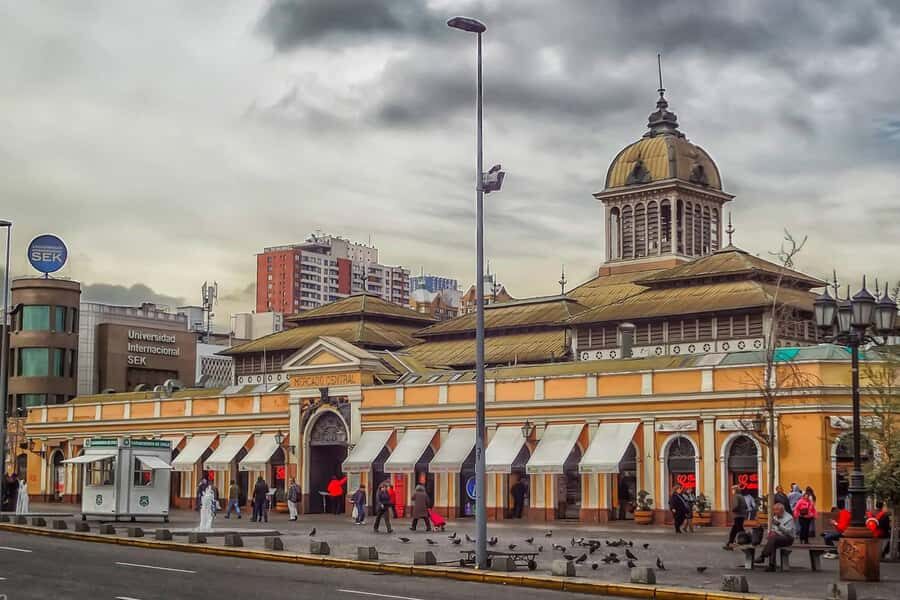
Your first stop is Bicentenario Park, about 20 minutes. It’s a good opener because it frames the city with a sense of national milestone. The park celebrates 200 years of Chilean independence, and you’ll see local flora and fauna plus wide city views. It sets the tone: Santiago isn’t only old stone and church towers—there’s modern identity too.
Then it’s pass by time for Costanera Center, where you’ll see the tallest building in South America in Santiago’s financial district, nicknamed Sanhattan. This is one of those quick moments that matters. From the outside, you understand the direction of the city—business and height, right up against older neighborhoods.
Bellavista and Forestal Park: Culture Without the Museum Ticket Lines
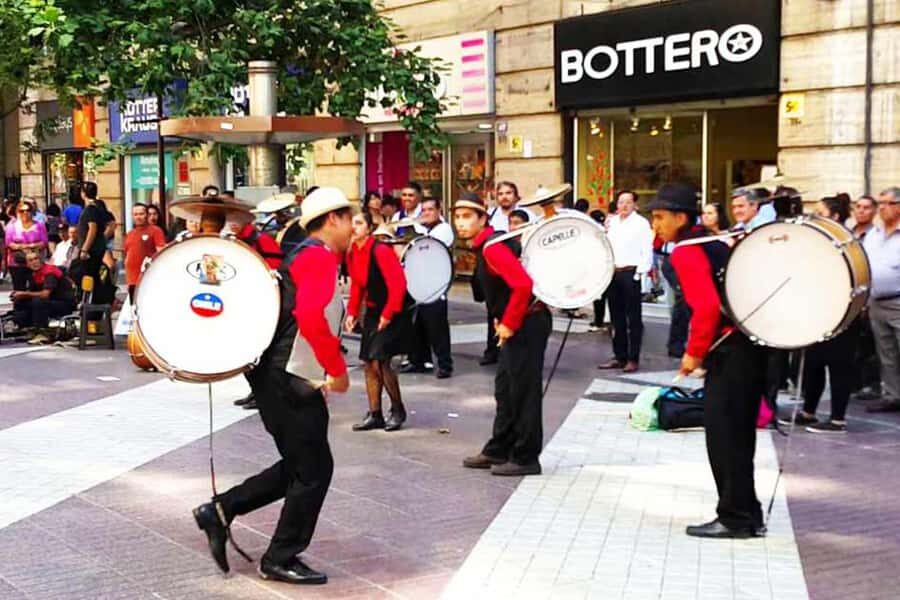
Next you roll through Bellavista, a lively cultural zone. You’ll pass by the area known for La Chascona, Pablo Neruda’s house, plus nightlife energy. Even if you’re not stepping into the museum here, the neighborhood pass is useful because it tells you where to go later if you want that artistic, evening-friendly side of Santiago.
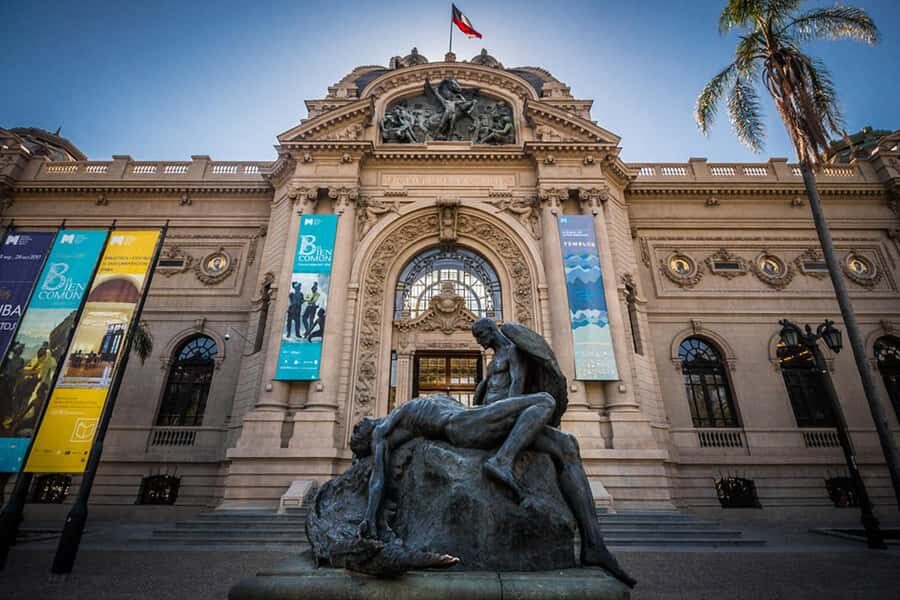
After that, you pass Forestal Park, a French-style park and home to Latin America’s first fine art museum. The park stop is a great “breather” between major landmarks. And even from the van, the setting helps. You start to see how Santiago blends formal public green space with culture.





San Francisco Church and the National Library: Old Buildings That Survived
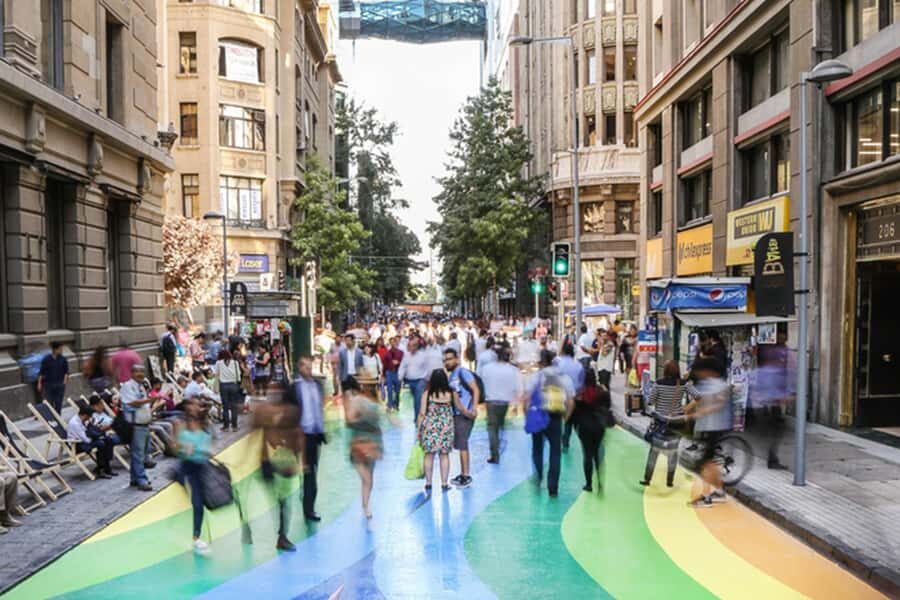
A quick pass by brings you to San Francisco Church, described as the oldest building in Santiago. The key detail here is resilience: it has withstood many earthquakes over the centuries. That matters because you’re not just touring points for their age—you’re seeing what survived when Santiago shook and rebuilt.
Then comes pass by at the National Library, Chile’s main bibliographic center. It’s a reminder that national culture isn’t only in monuments; it lives in books and institutions. This is one of the stops that can feel less dramatic from the outside, but it connects the city to literature and learning in a tangible way.
Santa Lucía Hill: The Short Walk That Changes How You See Santiago
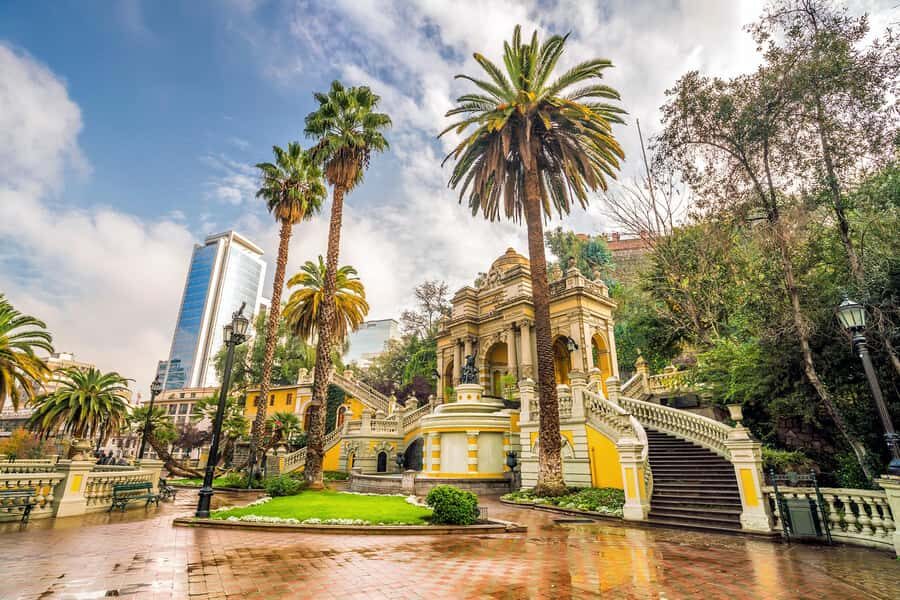
Your main footing moment arrives at Santa Lucía Hill, a 30-minute stop that includes a climb on foot. The pay-off is panoramic views plus history tied to the hill itself—exactly the kind of perspective shift you want after a mostly vehicle-paced first half.
Practical note: the climb can be affected by day-of conditions. Santa Lucía Hill may be closed for maintenance, so don’t plan on counting 100% on that climb every time. If it’s open, though, this is the part that helps you understand Santiago’s layout visually.
Lastarria and the Museum-District Feel: Where You’ll Want Extra Time
As you move into Lastarria, you’ll get a pass through the neighborhood known as the museum district. The tour doesn’t promise deep museum time here, but it points you toward where to eat and wander later in the day or evening.
Lastarria is also a helpful staging area mentally. After big institutional stops like plazas and palaces, a neighborhood built around culture makes Santiago feel less like a tour route and more like a place you could actually spend a free afternoon.
Ex National Congress and the Civic Story Behind the Buildings
Next up is a quick stop at the Ex National Congress. It’s only listed as about 5 minutes, but it’s not trivial. The former congress building matters because it connects today’s governance geography to an earlier chapter—especially since the congress moved to Valparaíso.
This kind of short stop works well on a 4-hour tour. You get the moment, you learn why it matters, and you don’t lose the whole schedule.
Metropolitan Cathedral and Plaza de Armas: Santiago’s Center of Gravity
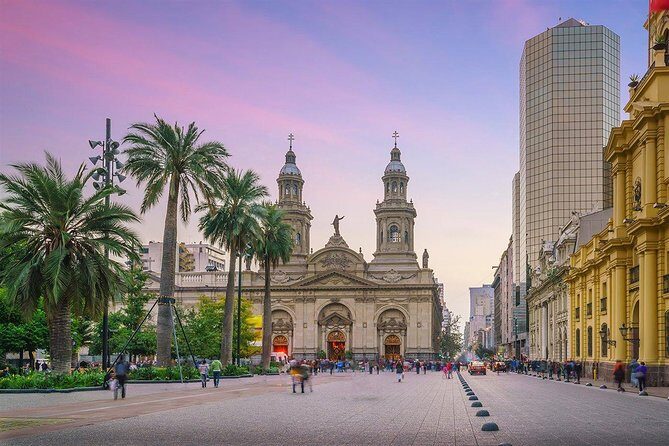
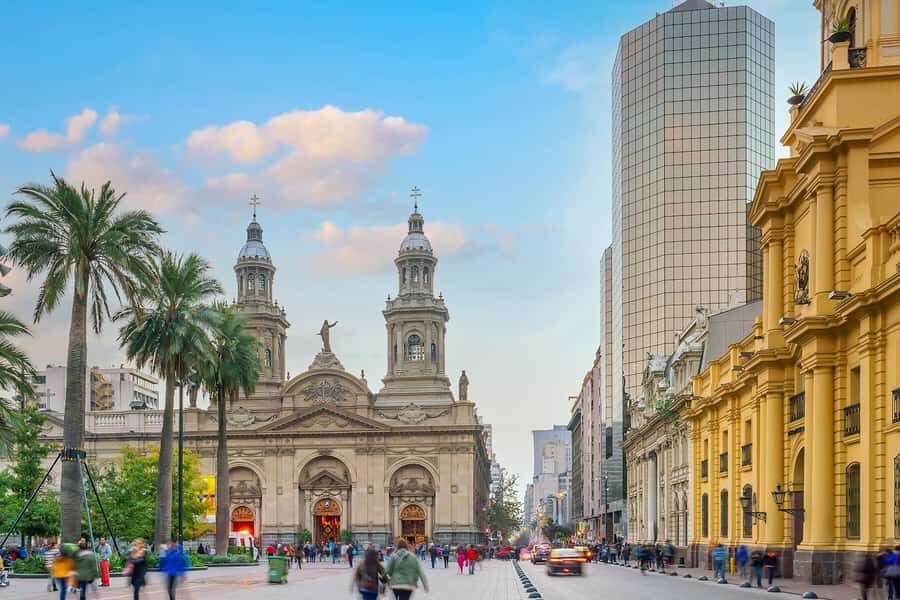
Now you head into Santiago’s core. Metropolitan Cathedral gets about 15 minutes. This is Chile’s main Catholic cathedral, and the emphasis is on the architecture. Even without going deep into details, it gives you the feeling of a city built with religious and political power in the same neighborhood.
Then you explore Plaza de Armas for around 20 minutes. It’s the historic center area where you see the cathedral setting and other colonial-era buildings. This is one of the best places on the route for street-level observation. You’re not only looking up; you’re also seeing daily movement around the center of old Santiago.
Stock Exchange to Paseo Ahumada: The City’s Day-to-Day Side
A brief stop at the Santiago Stock Exchange lasts about 5 minutes. It’s short on purpose, but it balances the earlier civic and religious stops by showing the other engine of Chile’s capital—finance and business.
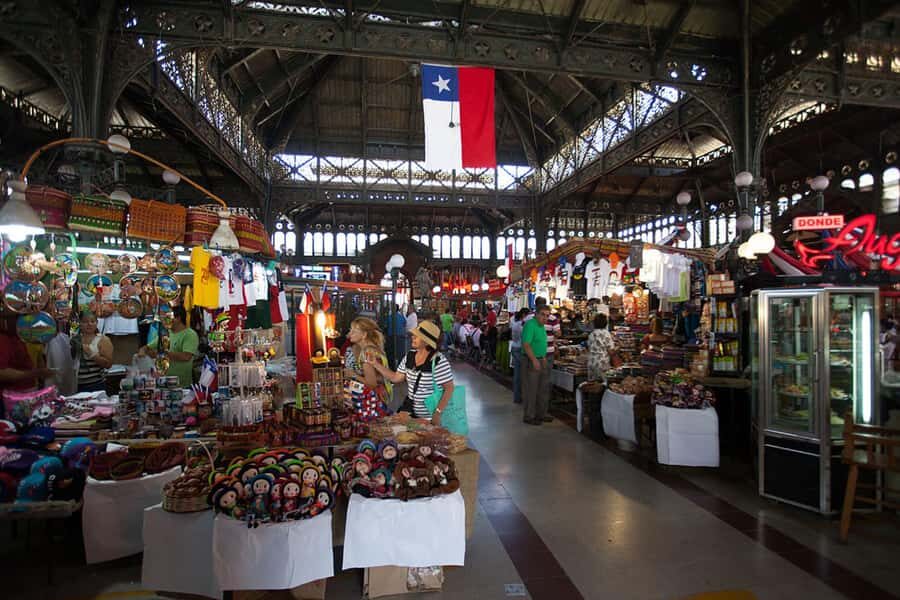
Then there’s a 15-minute stop on Paseo Ahumada, Santiago’s main pedestrian street. It’s a practical change of pace because you can walk and feel daily commerce. Even if you don’t shop, it helps connect all the grand buildings you’ve seen with the city’s real rhythm.
La Moneda and Plaza de la Constitución: The Moment You’ll Remember
You finish with the area around La Moneda, the presidential palace, for about 15 minutes. The tour highlights that it is the site of the 1973 coup, a turning point that marked the beginning of the military dictatorship. This is the kind of context that makes a building feel heavier than it looks on a postcard.
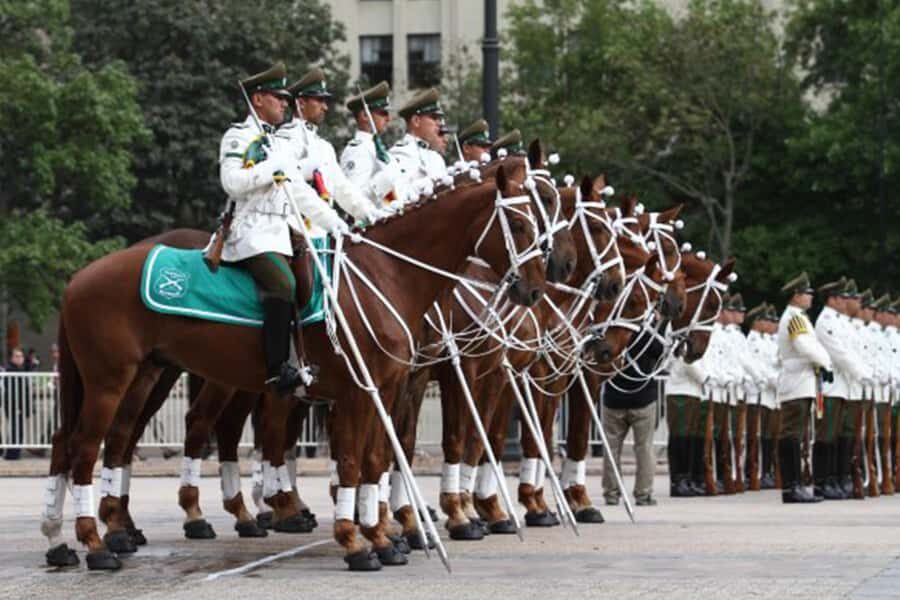
Next is Plaza de la Constitución for about 15 minutes, where you’ll witness the ceremonial changing of the guard at La Moneda. Timing matters here, and you’ll want to be ready to watch and listen as the ceremony unfolds. This is also a good moment to pause mentally and reflect: you’re moving from plazas and churches into a place tied to modern political rupture and national memory.
Comfort, Timing, and What to Do After the Tour
You’re transported in an air-conditioned minivan, which helps a lot in Santiago’s daily temperature swings. The pace is built for a first-time overview, so you won’t be stuck in endless lines or waiting between distant sites.
Plan your next meal thoughtfully: lunch isn’t included. Also, because the itinerary may change due to street closures or events, keep your afternoon open. If you want to extend the day, you’ll be well-positioned to head toward the neighborhoods the route points out, like Bellavista or Lastarria.
Wheelchair Access and Walking Reality
The tour is marked as wheelchair accessible, which is a major plus if you need that. Still, remember that Santa Lucía Hill includes a climb on foot, and closure conditions can apply. If you’re managing mobility limits, it’s worth noting that hill segment may be the only part that changes how comfortable the day feels.
Who This Tour Is Best For
This is a smart fit if you want:
- A fast first visit to Santiago with a guided storyline
- A mix of modern skyline and historic center
- Enough walking to get a sense of the city, without the stress of planning
It’s also good for couples, solo travelers, and families who prefer structure. And because guides have been able to adapt to interests in real examples, it can work for people who want history without turning the day into a lecture.
If you’re the type who already knows Santiago well or plans to spend the day deep inside museums, you might feel the stops are more “see it, understand it, move on.” This tour is built for orientation, not for long museum time.
Should You Book This Santiago City Tour?
Yes—if your goal is to get your bearings and leave with a clear picture of Santiago’s layout and story. The value is strong for the included guide time plus hotel pickup and transport, and the itinerary hits the kinds of places you’d otherwise spend time piecing together.
Book it especially if you’re short on time, want the La Moneda area experience with the changing of the guard, and appreciate a guide who can tailor the conversation to your interests—whether that’s culture, history, or something more personal like sports.
FAQ
How long is the Santiago city tour?
The tour lasts 4 hours.
What does the tour cost?
It’s $60 per person.
Is hotel pickup and drop-off included?
Yes. Pickup and drop-off are included from most centrally located Santiago hotels or Airbnb locations.
What kind of transportation is used?
You travel by air-conditioned minivan.
What are the main stops and sights?
You’ll see or pass by Bicentenario Park, Costanera Center, Bellavista, Forestal Park, San Francisco Church, the National Library, Santa Lucía Hill, Lastarria, the Ex National Congress, Metropolitan Cathedral, Plaza de Armas, the Santiago Stock Exchange, Paseo Ahumada, La Moneda, and Plaza de la Constitución.
Is lunch included?
No, lunch is not included.
Which languages are available for the live guide?
The guide is available in English, Spanish, and Portuguese.
Is the tour wheelchair accessible?
Yes, the tour is wheelchair accessible.
Is Santa Lucía Hill walkable?
Yes. The climb to Santa Lucía Hill is on foot.
What if the itinerary changes or Santa Lucía is closed?
The itinerary may change due to availability, street closures, or events. Santa Lucía Hill may also be closed for maintenance on some days.