REVIEW · SAN PEDRO DE ATACAMA
Chile: Astronomical Tour in the Atacama Desert
Book on GetYourGuide →Operated by ParaViajantes · Bookable on GetYourGuide
The sky here feels close. In the Atacama Desert, this tour turns a simple night out into a guided lesson on the celestial sphere, using strong gear and clear explanations. The result is less guessing and more wow-per-minute, with you learning what you’re actually seeing.
I especially like the telescope time. One night’s lineup can include views of the Moon’s craters and targets like Saturn’s rings, along with nebulae and star clusters, even when the Moon is around. The other big win is the guide energy: the explanations mix astronomy with storytelling, so you leave understanding the constellations and the “why” behind star movement, not just the “what.”
My only real caution is logistics. The tour includes return transfer, but pickup coordination can be messy in some cases, with wrong pickup details and long waiting time reported. So, confirm your pickup spot and timing the same day and don’t assume the first message is perfect.
In This Review
- Key things to know before you go
- The Atacama sky: why this works so well
- How the 150 minutes usually unfold on the night
- Meeting time and transfers
- Arrival and sky orientation
- Telescope viewing with a live guide
- Astrophotography time
- Cocktail moment and two included photos
- Wrap-up under the stars
- Telescopes, planets, and what you should realistically expect
- The guide experience: storytelling plus real astronomy
- Astrophotography help for cameras and smartphones
- Cultural and scientific context that doesn’t feel like a lecture
- Value for $100: what’s included and what you’re really paying for
- Small realities to plan around
- Pickup confusion can happen
- Telescope lineup might vary
- The sky won’t always behave the same
- Should you book this Atacama stargazing tour?
- FAQ
- How long is the Chile: Astronomical Tour in the Atacama Desert?
- What time does pickup happen?
- Is return transfer included?
- What’s included with the tour?
- How much does it cost?
- What is the cancellation policy?
Key things to know before you go
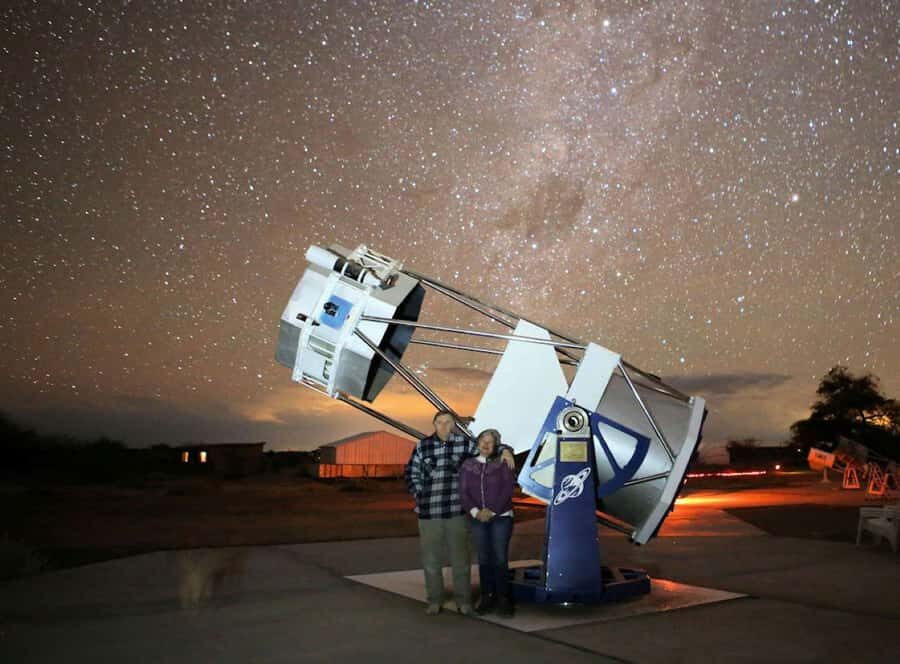
- Atacama sky quality: high altitude, dry air, and low light pollution help keep the night sky extra crisp
- 150 minutes of guided observing: a full night-sky session rather than a quick peek and go
- Telescopes included: strong viewing equipment plus help from a bilingual astronomy guide
- Astrophotography coaching: guidance for photos with cameras or smartphones
- Two included photos: you get images as part of the experience
- Cocktail and drinks bar: included while you wait for the sky to come into focus
The Atacama sky: why this works so well
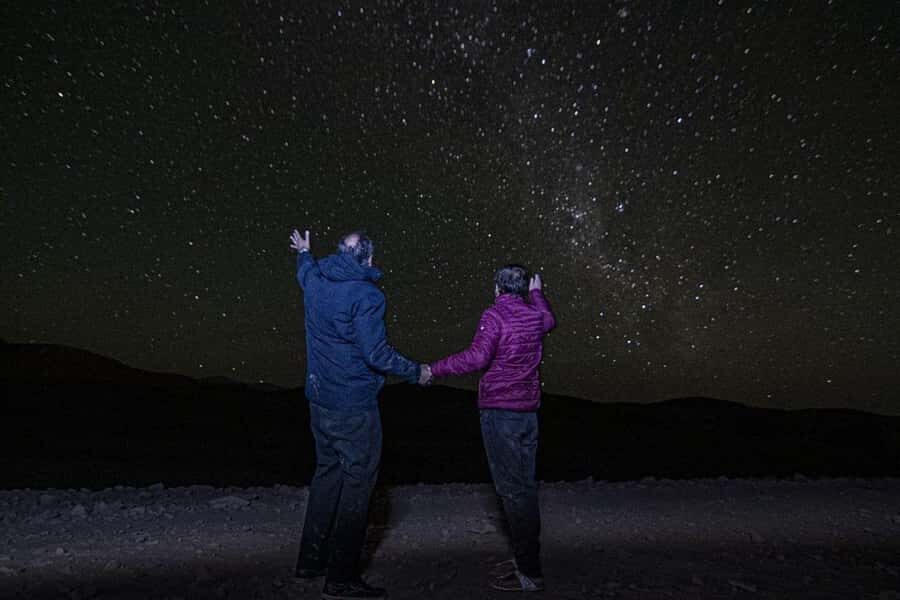
The Atacama Desert is famous for one reason that matters for your eyes: the air and darkness are right for stargazing. High altitude and a dry climate tend to mean less haze, so stars and faint objects show up with more clarity than you’ll get in most places. Add minimal light pollution, and suddenly the sky stops looking like a theme park display and starts looking like… physics class, but way more fun.
This tour leans into that advantage. You’re not just standing outside and guessing what constellation is what. A guide helps you map the night sky in real time—so when you see something sharp through the telescope, you understand where it sits in the celestial sphere and why it appears where it does.
You’ll also appreciate that the tour is built for a range of experience levels. If you’ve never used a telescope before, you’ll still get the basic sky framework. If you’re already into astronomy, you still get useful context and plenty of hands-on observing time.
You can also read our reviews of more tours and experiences in San Pedro De Atacama.
How the 150 minutes usually unfold on the night
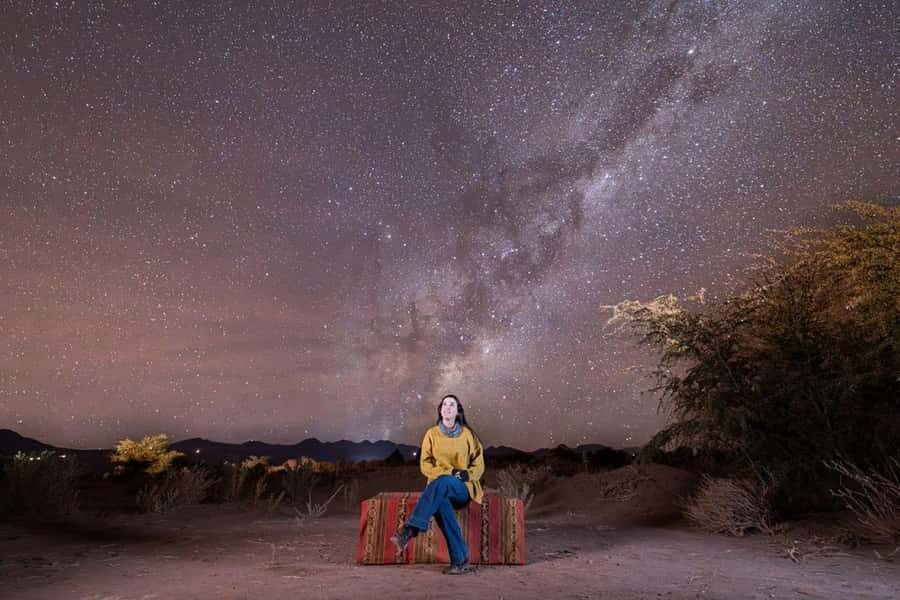
The tour runs 150 minutes, which is long enough to get past the first 10 minutes of cold fingers and question marks. You have time for orientation, telescope viewing, and at least one moment where your brain catches up to what your eyes are seeing.
Here’s the flow you can expect:
Meeting time and transfers
You’re guided to plan for pickup sometime between 9:00 p.m. and 9:30 p.m. The operator confirms the exact time on the day of the tour, and you should enter your hotel and address. Return transfer is included.
Important practical note: the activity description says pickup isn’t included, but it also states pickup timing. That means you should treat this as a “confirm the exact plan” situation. Email or message the day-of to verify whether you’re being collected from your hotel lobby, from a nearby meeting point, or if you need to reach the pickup location yourself.
Arrival and sky orientation
Once you’re at the observing area, you’ll start with an intro that sets up what you’re about to see. The guide explains what makes the Atacama sky special—then you begin learning how the celestial sphere works and how objects move. This part matters because it upgrades your experience from watching to understanding.
Telescope viewing with a live guide
As night settles in, the guide leads you through a structured sky tour. You’ll use the included telescope and observation equipment to see stars, planets, and deep-sky objects with more detail than the naked eye can manage.
Based on what’s been reported from previous nights, the viewing can include:
- Moon details such as craters
- Saturn’s rings when conditions and equipment allow
- Nebulae and star clusters that look like fuzzy “star gardens” through the lens
One helpful detail from real experiences: when the Moon was a crescent, people still reported surprisingly clear results through the telescopes. That doesn’t mean every night is identical, but it’s a good sign that the team knows how to work with real sky conditions.
Astrophotography time
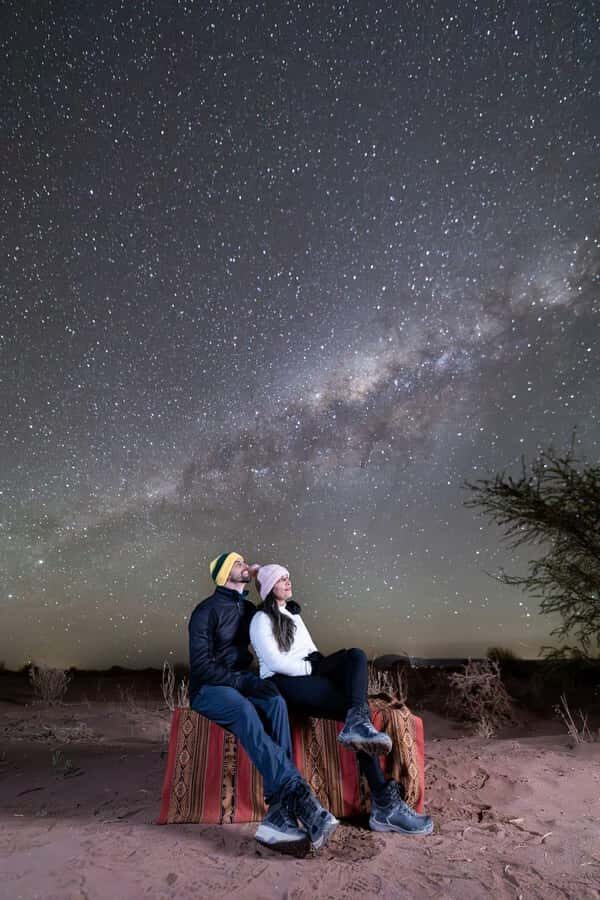
Later in the session, you get astrophotography opportunities. If you have a camera or you’re using a smartphone, the guide offers instructions to help you capture what you’re seeing. Even if you’re not chasing a perfect astrophotography setup, you’ll get practical tips so your photos look like astronomy, not just “night-time darkness.”
Cocktail moment and two included photos
Included in the experience: a cocktail with a drinks bar and 2 photographs taken for you. This is one of those small value-adds that makes the tour feel less like a lecture and more like an event.
Wrap-up under the stars
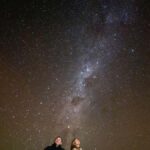
The tour ends with a quieter stargazing moment. It’s meant for reflection—watching the Milky Way stretch across the sky and spotting distant galaxies if the night conditions cooperate.
Telescopes, planets, and what you should realistically expect
Let’s talk equipment honestly, because telescope nights can vary.
You will have telescope access during the guided session. The tour description also suggests powerful telescopes and modern observation equipment. That matches what people report: the view quality can be strong, and the guides know how to aim and explain what you’re looking at.
At the same time, one reported concern is that the biggest telescope shown in photos wasn’t always the one available on the night. They still had other telescopes that were newer and worked well. So treat promo images as a best-case indicator, not a guaranteed “you will use this exact model.”
What you can plan for with confidence is the type of viewing:
- The Moon often becomes your first “I get it now” target because it shows detail fast.
- Planets are a highlight when the setup and sky cooperate. Saturn’s rings are specifically mentioned as a possible sight.
- Deep-sky targets like nebulae and star clusters are part of the program, and the guide’s help improves your chances of actually seeing structure.
If you’re hoping for a specific object, do it as a bonus, not a requirement. The real win here is that you’re guided through a celestial tour instead of chasing wish list targets on your own.
The guide experience: storytelling plus real astronomy
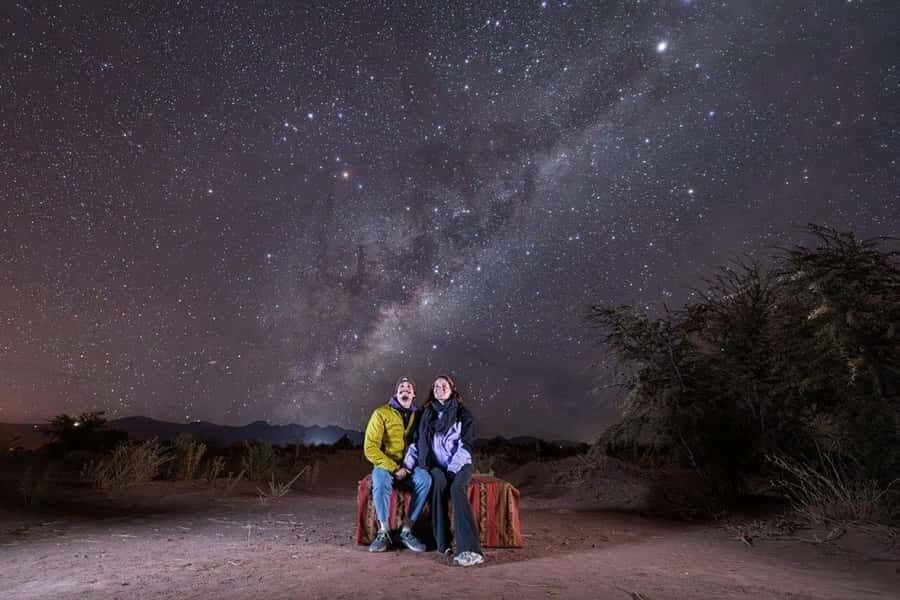
The guides are a huge part of why this tour earns high marks. People consistently mention enthusiasm and strong explanations, and that’s what turns telescope viewing from a cool gadget into real understanding.
You’ll get:
- Constellation walkthroughs, with the mythology behind the patterns
- Explanations of celestial movement—how things shift across the sky
- Teaching about the life cycle of stars and what modern astronomy has learned
This is where the tour delivers “you’ll remember this later” value. When you understand how the night sky behaves, you start noticing it everywhere—especially if you travel around Chile or return to stargazing back home.
Also, the tour is bilingual, with a live guide in Spanish and English. That matters if you’re traveling with mixed-language friends or if you want to switch between basic and deeper explanations without losing the thread.
Astrophotography help for cameras and smartphones
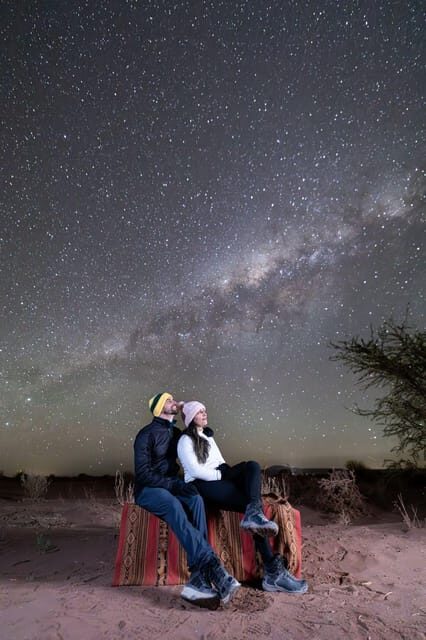
You don’t need to be an expert to get useful photos from this. The tour explicitly includes astrophotography opportunities and guidance for capturing images of celestial objects.
What’s valuable is that you’re not left with generic advice like “hold still.” The guide’s job is to help you translate what you’re seeing into something you can photograph—using a camera or a phone. That boosts your odds of leaving with photos that actually show details, not just a dark sky and a tiny dot.
Also note: you get two photographs included, which is a practical backup. If your own shots don’t turn out exactly how you hoped, you still have curated memories from the experience.
Cultural and scientific context that doesn’t feel like a lecture
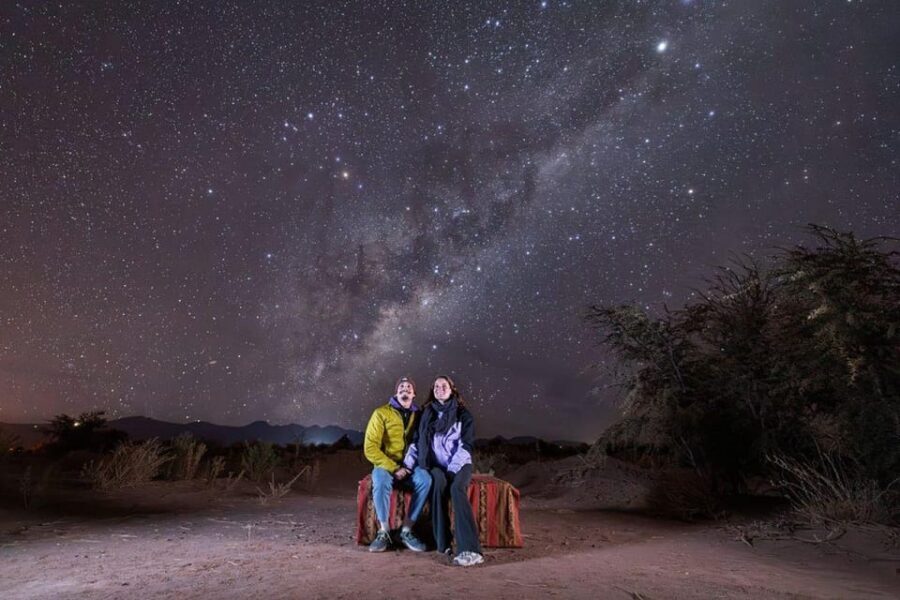
One thing I like about this style of astronomy tour is that it doesn’t treat stars as only scientific objects. You’ll learn how ancient civilizations used the sky for navigation, agriculture, and storytelling. That makes the whole experience feel human. Stars aren’t just data points—they were once tools for daily life.
You’ll also hear about modern discoveries and how they’re changing our understanding of the universe. That bridges “myth and sky” to “today and science” in a way that stays grounded in what you’re actually seeing during the night.
If you want a night that’s part education, part wonder, this hits that balance.
Value for $100: what’s included and what you’re really paying for
At $100 per person for 150 minutes, the price only makes sense if the core experience is strong—and here, it is. You’re getting more than a guide talking near a sidewalk.
Your included value:
- Return transfer to your hotel
- Bilingual guide
- Cocktail with drinks bar
- Telescope and observation equipment
- 2 photographs
- Guided sky tour with practical observing and photo help
You’re paying mainly for three things: guided astronomy, access to real telescopes, and time in an environment built for seeing the sky clearly.
Where you should be careful is the pickup piece. Because the description lists pickup as not included while also giving pickup timing, confirm your exact pickup arrangement. If you end up paying extra for a separate transfer or waiting because of unclear details, the value drops fast.
My advice: treat this tour like a “do it with a plan” night, not a casual stroll. When logistics are tight, it’s excellent value.
Small realities to plan around
Here are the practical considerations that matter most before you choose this tour.
Pickup confusion can happen
Some nights had pickup timing or location problems, including waiting longer than expected. That’s fixable with a simple move on your side: confirm pickup details the same day, and be ready a little early.
Telescope lineup might vary
One report says the largest telescope shown in images wasn’t available that night, though other telescopes worked and the viewing was still good. So you’re booking a guided telescope session, not a promise of one exact instrument.
The sky won’t always behave the same
Even with strong equipment, sky conditions can change. The Moon, cloud cover, and atmospheric conditions are real variables. The good news is that the guides seem comfortable working with different conditions, including nights with a crescent Moon.
Should you book this Atacama stargazing tour?
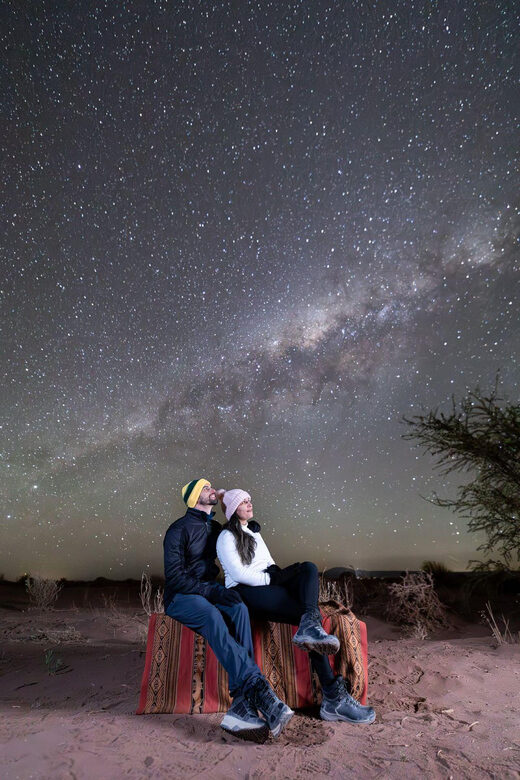
If your goal is a guided, hands-on astronomy night in one of the best stargazing regions on Earth, this is a strong choice. The combination of telescopes, bilingual guidance, astrophotography coaching, and included photos makes it feel complete—like you’re being set up to succeed, not just sent outside to hope.
Book it if:
- you want a structured tour of the celestial sphere
- you care about learning the constellations and the “why”
- you want telescope viewing plus photo help in one package
Skip or at least double-check logistics if:
- pickup details are important to you (confirm your pickup spot and timing)
- you’re ultra-specific about using one particular telescope model (equipment lineup can vary)
If you do book, do yourself a favor: confirm pickup the day-of, show up on time, and treat the night like a mini course you get to experience. When it clicks, it’s the kind of memory you can still picture months later.
FAQ
How long is the Chile: Astronomical Tour in the Atacama Desert?
The tour lasts 150 minutes.
What time does pickup happen?
Pickup time is between 9:00 p.m. and 9:30 p.m., and the operator confirms the time on the day of the tour.
Is return transfer included?
Yes, return transfer to your hotel is included.
What’s included with the tour?
Included items are return transfer, a bilingual guide, a cocktail with drinks bar, 2 photographs, and a telescope.
How much does it cost?
The price is $100 per person.
What is the cancellation policy?
You can cancel up to 24 hours in advance for a full refund.