REVIEW · SAN PEDRO DE ATACAMA
San Pedro de Atacama: Rainbow Valley & Good Herbs Tour
Book on GetYourGuide →Operated by Inspires Viagens · Bookable on GetYourGuide
Rainbow Valley rewards early risers with color. This 6-hour tour centers on a ceremonial place tied to Indigenous traditions, plus the kind of breakfast you actually look forward to. I like that the guide’s explanations help you understand what you’re seeing, and I like that you get more than one type of stop in one morning. One thing to plan for: there’s an extra entrance fee (paid on the spot in cash) and the stop order can shift on the day.
You’ll get picked up between 7:00 and 7:40, then spend about an hour driving while your bilingual guide shares history and context. After that, you’ll visit petroglyphs, then continue through Rainbow Valley for its colorful mountains, dry waterfalls, and wind-eroded rock formations. The tour wraps around 13:00–13:30 at Plaza, so it’s built for travelers who want Atacama highlights without losing the whole day.
In This Review
- Key Things I’d Prioritize on This Tour
- Setting the Tone: Petroglyphs and Ceremonial Meaning
- The One-Hour Drive: Learn Before You Look
- Rainbow Valley Up Close: Colors, Dry Waterfalls, Wind Erosion
- Breakfast in the Desert: Good Herbs and Local Variety
- The Short Walk: What It Adds (and Why You Should Keep Expectations Real)
- Price and Value: What $48 Gets You (and the Cash Entrance Fee)
- Who This Tour Suits Best
- Should You Book the San Pedro de Atacama Rainbow Valley & Good Herbs Tour?
- FAQ
- How long is the Rainbow Valley & Good Herbs Tour?
- What are the pickup and drop-off times?
- What’s included in the price?
- Is there an entrance fee?
- What language is the guide?
- Is breakfast included?
- What is the cancellation and booking policy?
Key Things I’d Prioritize on This Tour
- Petroglyphs first: see Indigenous rock art before you move into the valley’s dramatic shapes
- Historical facts on the drive: you learn what to look for as you pass surrounding sights
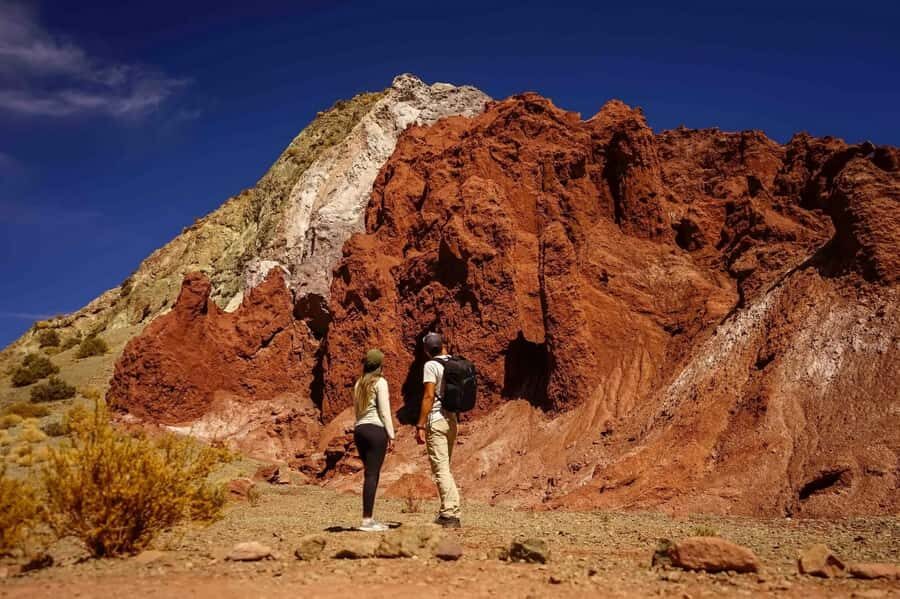
- Rainbow Valley’s weather-made geology: colors, dry waterfalls, and formations shaped by wind erosion
- Breakfast with local food: a real pause in the morning, served in/near this striking setting
- Short walking time: enough to stretch legs and take in the area, not a marathon hike
Setting the Tone: Petroglyphs and Ceremonial Meaning
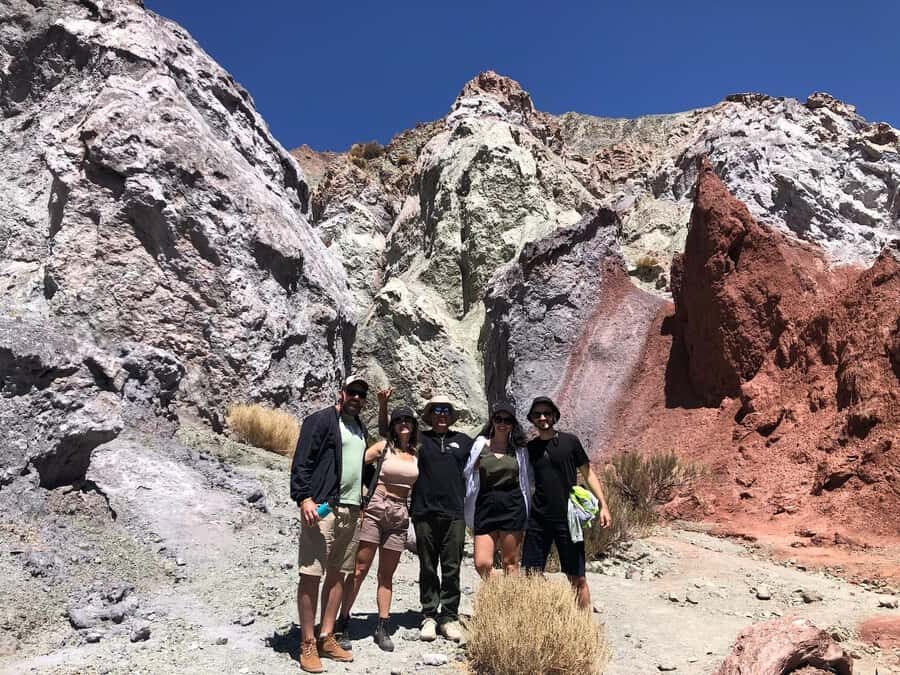
Rainbow Valley isn’t just “pretty rocks.” The tour frames it as a very important ceremonial place for Indigenous tribes. That matters, because it changes how you look at the valley. You’re not only hunting for photos; you’re noticing the relationship between people, place, and the desert’s long timeline.
Before you get deep into the valley, you’ll stop to observe petroglyphs made by Indigenous tribes, hundreds of years old. These carvings can be easy to skim past on your own. With a guide, you’re more likely to understand what you’re seeing and why it’s worth slowing down. If you’re the type who likes meaning behind the scenery, this is one of the strongest parts of the day.
You can also read our reviews of more tours and experiences in San Pedro De Atacama.

The One-Hour Drive: Learn Before You Look
A big part of the tour’s value is time well used. During the drive (about one hour), your guide shares interesting historical facts about the area and the places you’ll pass. In deserts like northern Chile, the road can feel like a blur—until someone gives you a few anchors.
I like this structure because it helps you avoid the common problem of arriving at a site and thinking: okay, but what am I looking at? You get context first, then you get the actual stops. It’s also a good way to handle the early start. The drive keeps your mind engaged while the morning light and desert temperatures wake up.
Rainbow Valley Up Close: Colors, Dry Waterfalls, Wind Erosion
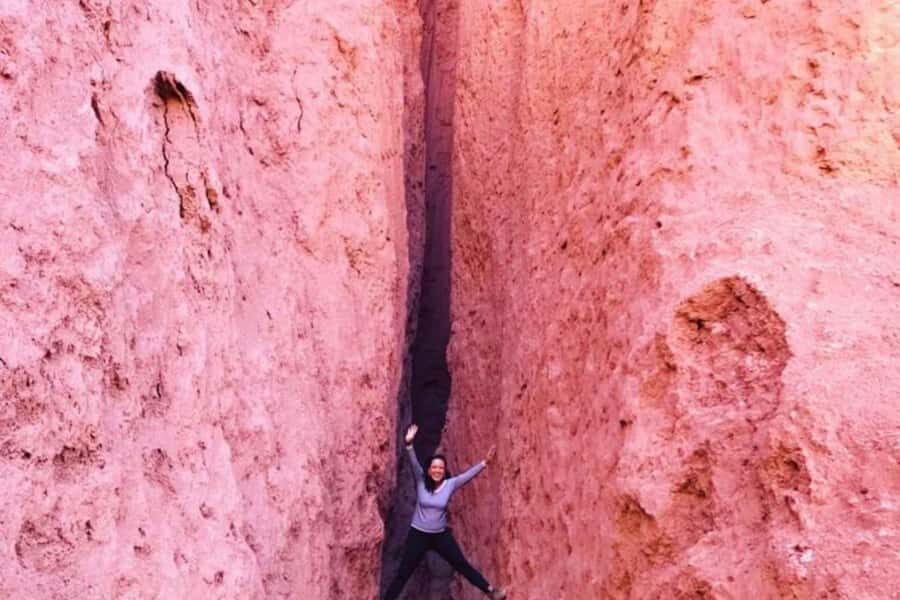
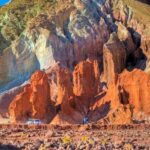
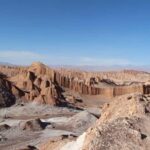
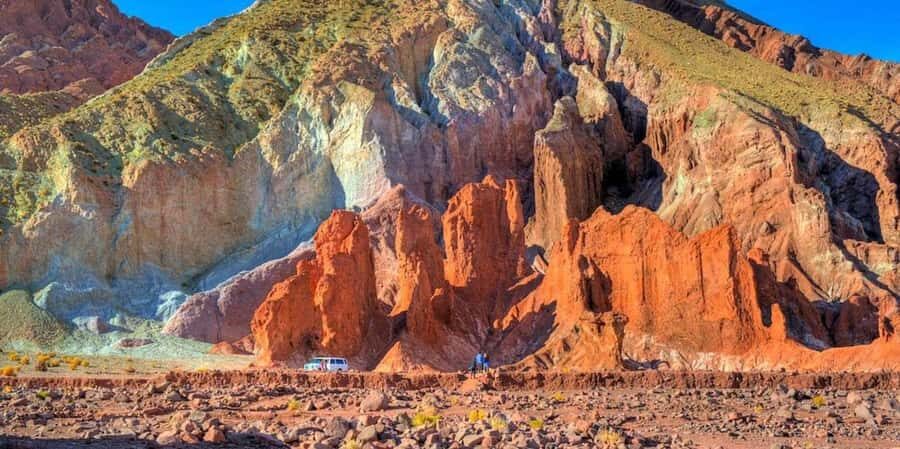
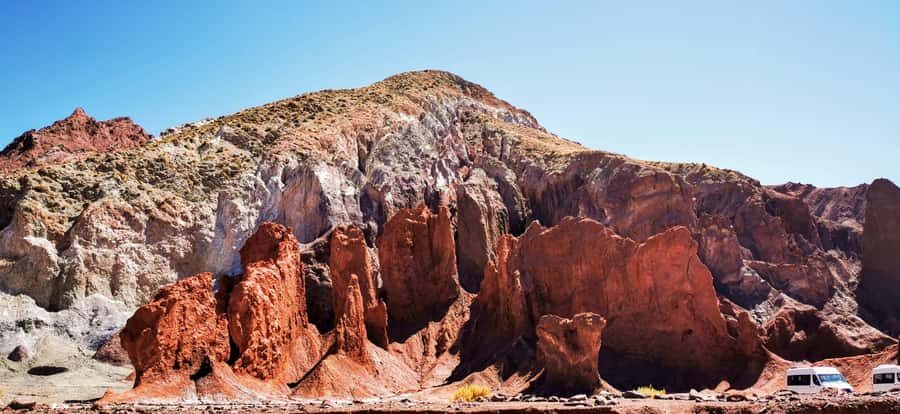
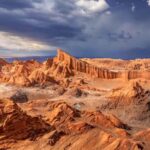
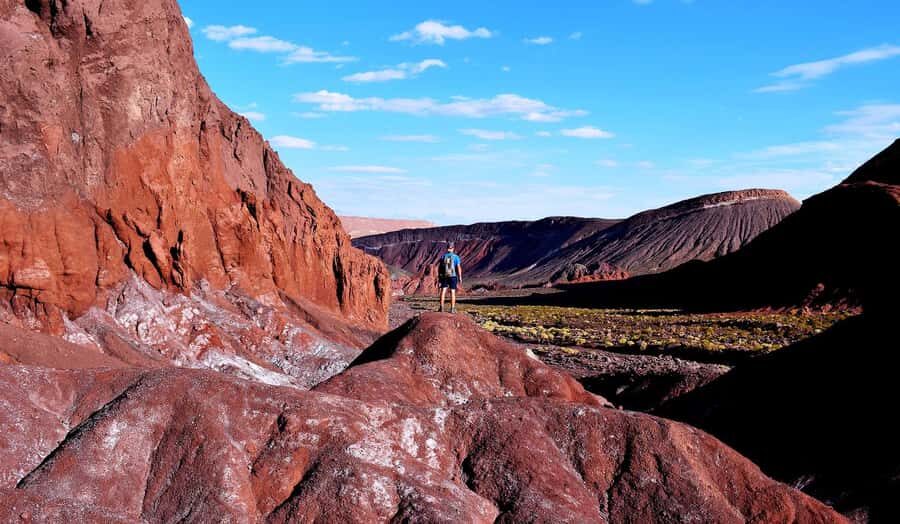
Once you reach Rainbow Valley, the tour shifts from storytelling to visuals. You’ll see colorful mountains, dry waterfalls, and rock formations shaped by wind erosion. This is Atacama’s version of sculpture: time, sand, and wind doing the work while the desert keeps its own schedule.
The “dry waterfall” detail is a great reminder that water here is often about history, not daily flow. Even without running water, the canyon-like forms still look like motion. When you’re standing there, it helps to notice how wind can carve, thin, and accentuate edges over long periods. That’s the logic behind the rock shapes: erosion isn’t random; it’s persistent.
Then there are the rock formations themselves. In a place known for striking color, it’s not only the pigment that grabs you. The angles, layers, and contours also create depth. I’d treat this part like a slow looking exercise. Take a minute to look wide, then switch to details. The valley rewards both.
Breakfast in the Desert: Good Herbs and Local Variety
This is the highlight people tend to remember. The tour includes breakfast with a variety of local food, served in the morning surrounded by the area. In a region where you can end up snacking on long drives, having a real meal built into the experience feels like smart planning.
I like that breakfast isn’t tacked on as an afterthought. It’s timed after you’ve already started seeing the valley’s features—so you’re rested, fed, and ready for the short walk afterward. And when breakfast includes local variety, you get more than fuel. You’re tasting the region as part of your day, not just consuming it on the way to the next stop.
Tip: since you’re in a high-desert environment, keep an eye on hydration. The tour doesn’t list anything about water or what’s provided, so bring your own if you have it. A hearty breakfast is great, but desert mornings can still sneak up on you.
The Short Walk: What It Adds (and Why You Should Keep Expectations Real)
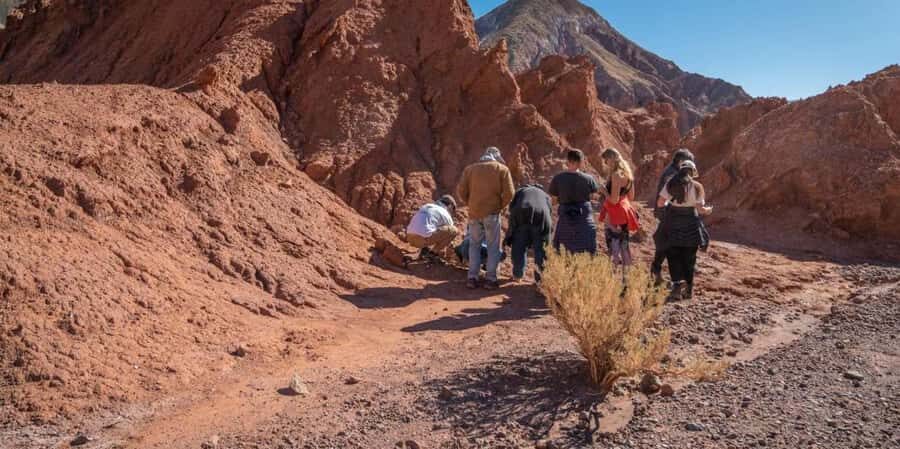
After breakfast, you’ll take a short walk around the area. This part is useful for two reasons. First, it helps you transition from “viewing” to “standing in the place.” Second, it gives you time to look at rock formations and details from slightly different angles.
That said, this isn’t described as a long hike. So if you’re hoping for a strenuous trail, you might be surprised by the scale. Think of it as a guided stroll that improves your understanding of what you just learned and saw—not a big physical challenge.
If you enjoy photography, this walk is often where your best photos happen. The key is to stay patient. In desert light, the shadows change fast, and small changes in your position can make the colors pop.


Price and Value: What $48 Gets You (and the Cash Entrance Fee)
At $48 per person, this tour is priced as a short, guided morning experience with transportation and food. What’s included:
- Pick up
- Breakfast
- A bilingual English and Spanish speaking guide
What’s not included:
- Entrance fee: 10,000 Chilean pesos per person, payable in cash on the spot
Here’s the practical value math. You’re paying for more than a viewpoint stop—you’re paying for interpretation (the guide), transportation (pickup plus driving), and breakfast (a real meal). The extra entrance fee is the one cost you need to plan for, so don’t assume the listed price covers everything.
Also note that the tour duration is about 6 hours, ending between 13:00 and 13:30 at Plaza. That makes it a solid fit for travelers who want desert highlights without using an entire day. You get a full morning circuit: drive + petroglyph stop + valley exploration + breakfast + a short walk.
One small logistical reality: pickup is between 7:00 and 7:40, so you should be ready to start early. If you’re staying nearby, great. If you’re far from Plaza, build in extra buffer so you’re not rushing.
Who This Tour Suits Best
This is a strong match if you want:
- A guided introduction to Rainbow Valley that explains what you’re seeing
- Indigenous context, including petroglyphs and ceremonial significance
- A breakfast built into the experience, with local variety
- A time-efficient 6-hour morning plan
It may not be ideal if you’re seeking a long hike, a private tour, or a flexible day with lots of free wandering time. The structure is purposeful: it moves you through key sights and then gets you back by early afternoon.
Should You Book the San Pedro de Atacama Rainbow Valley & Good Herbs Tour?
If you like learning while you look, I’d book it. The tour’s core strengths are the combination of Indigenous meaning (petroglyphs and ceremonial framing), the desert visuals (colors, dry waterfalls, wind-eroded formations), and breakfast with local food. When a tour hits both interpretation and a satisfying meal, you end up feeling like you actually spent your time well.
Just make your decision with two practical checks: plan for the cash entrance fee (10,000 CLP per person) and be okay with the stop order possibly changing on the day. If those fit your travel style, you’ll likely find this is an efficient, meaningful way to experience Rainbow Valley in one morning.
FAQ
How long is the Rainbow Valley & Good Herbs Tour?
The tour lasts about 6 hours.
What are the pickup and drop-off times?
Pickup is scheduled between 7:00 and 7:40, and the tour ends between 13:00 and 13:30 at Plaza.
What’s included in the price?
The tour includes pickup, breakfast, and a bilingual English and Spanish speaking guide.
Is there an entrance fee?
Yes. There is an entrance fee of 10,000 Chilean pesos per person, payable in cash on the spot.
What language is the guide?
The guide is bilingual, offering English and Spanish.
Is breakfast included?
Yes. You’ll have breakfast with a variety of local food.
What is the cancellation and booking policy?
You can cancel up to 24 hours in advance for a full refund. You can also reserve now and pay later, keeping your travel plans flexible.