REVIEW · SAN PEDRO DE ATACAMA
San Pedro de Atacama: Valle de la luna
Book on GetYourGuide →Operated by MUNDO AFORA AGENCIA DE VIAGENS · Bookable on GetYourGuide
San Pedro’s Moon Valley feels otherworldly fast. This 4-hour outing turns the Atacama Desert into a guided walk through salt formations, rock sculptures, and viewpoint after viewpoint—plus that big payoff at sunset. I like how the route mixes big scenery (the Great Dune) with smaller, specific sights (the Three Marys statue and Coyote Stone), so you’re always looking at something new. I also like that the included cocktail gives you a simple break in the desert rather than rushing nonstop.
One thing to consider: you’ll be doing a moderate hike up sand and uneven ground, and winds can be strong. If you get cold easily at altitude, plan on layers and take the guide’s pace seriously.
In This Review
- Key reasons this Moon Valley tour is worth it
- Moon Valley at 2,500 meters: why the timing makes it special
- What’s included (and why it affects your value)
- Salt of Sal: the salt mountains that change with the light
- Three Marys statue: beauty, meaning, and a clear photo moment
- Gran Dune: the climb that earns the sunset views
- Amphitheater: fun acoustics in a naturally curved rock space
- Coyote Stone and Ckari Mirador: small stops, big payoff
- How the guide shapes the day (Christian’s style, and what to watch for)
- Price and logistics: is $65 a good deal?
- What it feels like on the ground: activity level and comfort tips
- Who should book this Moon Valley tour
- Should you book San Pedro’s Valle de la Luna?
- FAQ
- FAQ
- How long is the Valle de la Luna tour?
- What does the tour cost?
- What’s included in the price?
- Is the park entrance included?
- What language is the live guide?
- What are the main places you visit?
- Is cancellation free if plans change?
Key reasons this Moon Valley tour is worth it
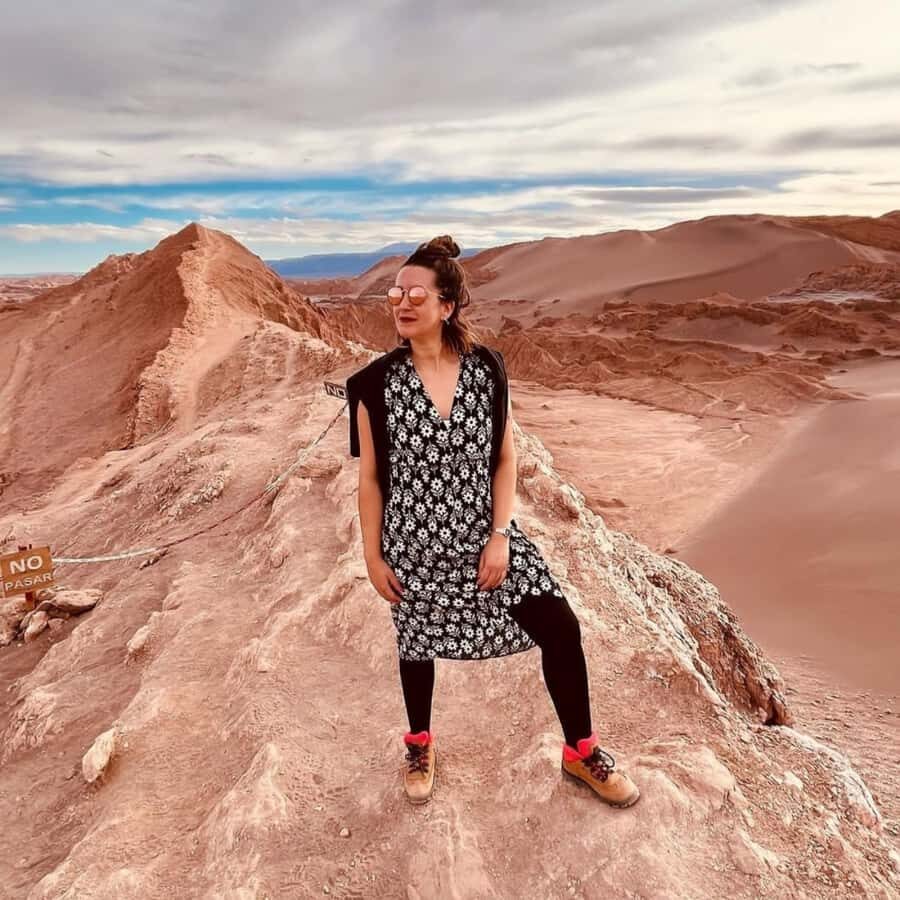
- Salt of Sal salt mountains: dramatic color and texture from wind and mineral deposits
- Three Marys statue stop: a meaningful photo moment with striking presence
- Gran Dune climb at sunset: the panoramic reward is the main event
- Amphitheater acoustics: a fun way to experience the rocks, not just look at them
- Coyote Stone + Ckari Mirador: extra viewpoints that keep the day from feeling repetitive
Moon Valley at 2,500 meters: why the timing makes it special
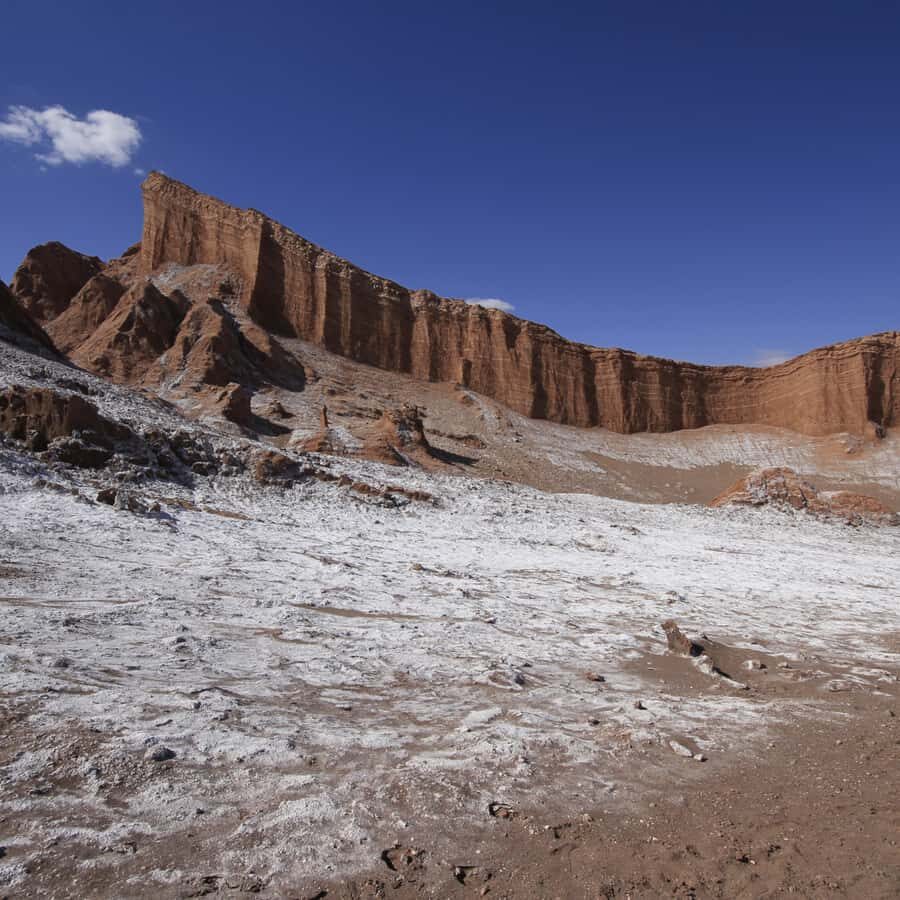
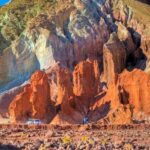
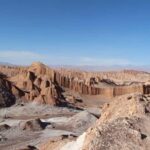
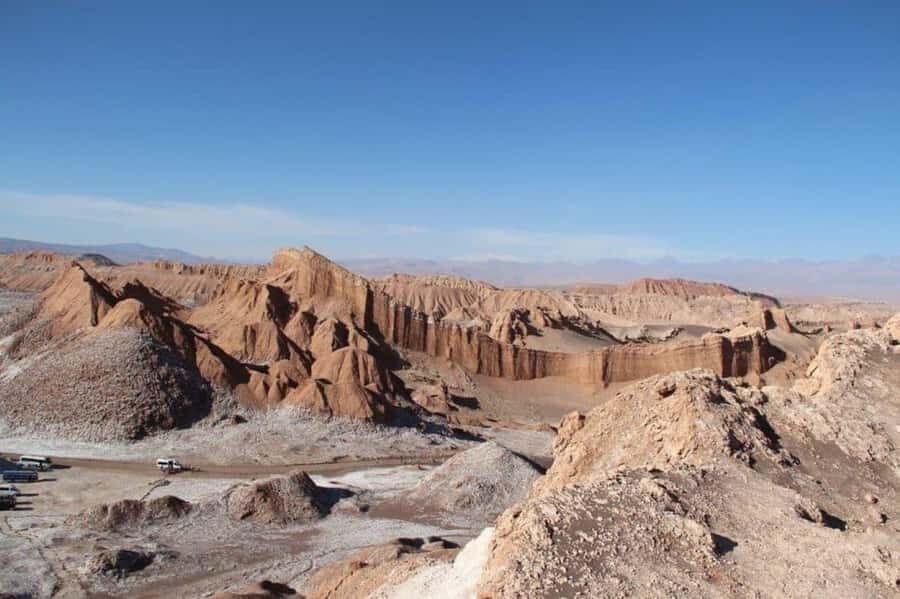
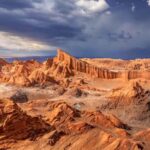
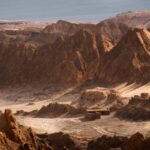
Moon Valley, or Valle de la Luna, is one of the closest ways to understand what the Atacama is doing here—wind, minerals, and dramatic temperature swings shaping the ground into shapes that look sculpted rather than natural. It sits around 2,500 meters above sea level, the same altitude as San Pedro de Atacama, which means you’re not suddenly coping with a huge elevation change. Still, you’ll likely feel a little impact from altitude and dryness, so pacing matters.
The tour is built to take advantage of the light. The highlight is the Great Dune at sunset, when the sky shifts color and the sand and rock pick up warmer tones. If you’ve got only a few days in the desert, this is exactly the kind of half-day excursion that helps you “get it” early—how the place looks, sounds, and feels before you move on to other Atacama highlights.
You’re also close enough to San Pedro that the experience doesn’t feel like a distant, travel-day project. The distance is described as about 10 kilometers from town, with the area itself referenced around 17 kilometers depending on route—either way, it’s a short transfer and a focused outing.
You can also read our reviews of more tours and experiences in San Pedro De Atacama.

What’s included (and why it affects your value)
This is a 4-hour guided tour that includes transfer, a guide, and a cocktail. That combination matters in the Atacama, where heat, sun glare, and wind can make a “self-guided” plan more stressful than exciting.
The guide runs the show in Portuguese or Spanish, so you can get clear explanations of what you’re seeing rather than just snapping photos and hoping you guessed correctly. A separate note from the experience: the entrance fee to the park isn’t included. You’ll pay CLP 20 pesos separately.
One more practical detail: in the desert, a short break with a drink matters. You’re not just walking for hours and then calling it done. The included cocktail (served during the desert break) gives you a moment to catch your breath, regroup, and enjoy the setting with less pressure.
Salt of Sal: the salt mountains that change with the light
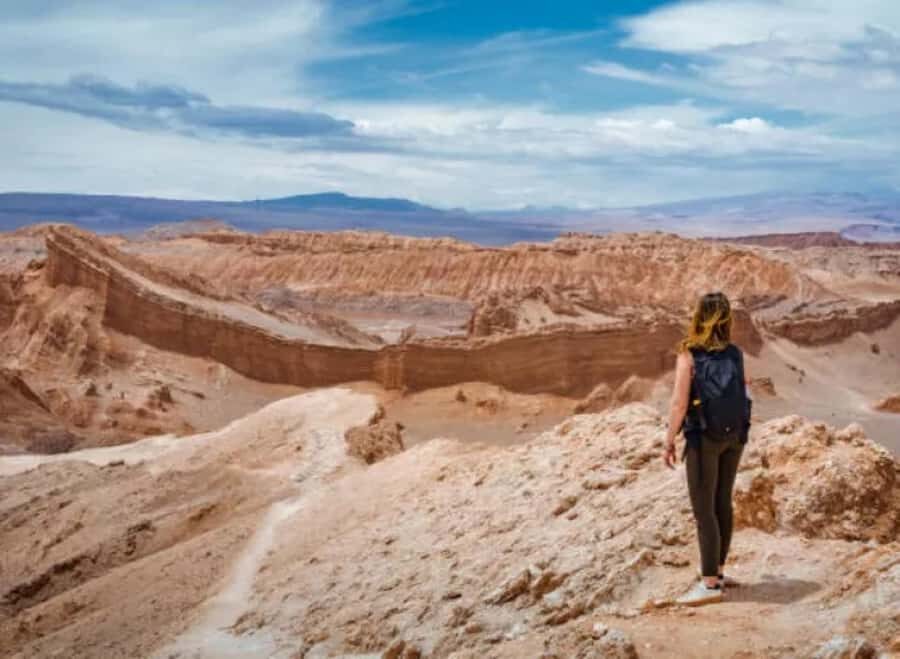
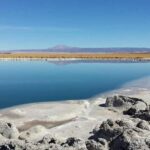
The tour begins by focusing you on the geology right away, starting with Salt of Sal—salt mountains that form part of the lunar-like scenery. This is one of those spots where the “wow” is visual texture: crusty salt surfaces, mineral tones, and edges shaped by wind over time.
In practical terms, here’s what you can do to get more out of the stop:
- Look for color shifts, not just big shapes. The same formation can look different as clouds move or as the light angle changes.
- Spend a few minutes standing still and letting the wind and shadows show you the contours. It’s tempting to rush for photos, but the terrain is what you came for.
This stop also sets expectations for the rest of the day. The Moon Valley isn’t one single monument; it’s many small worlds of rock, salt, and erosion. If you get the “pattern” here, you’ll appreciate every later viewpoint more.
Three Marys statue: beauty, meaning, and a clear photo moment
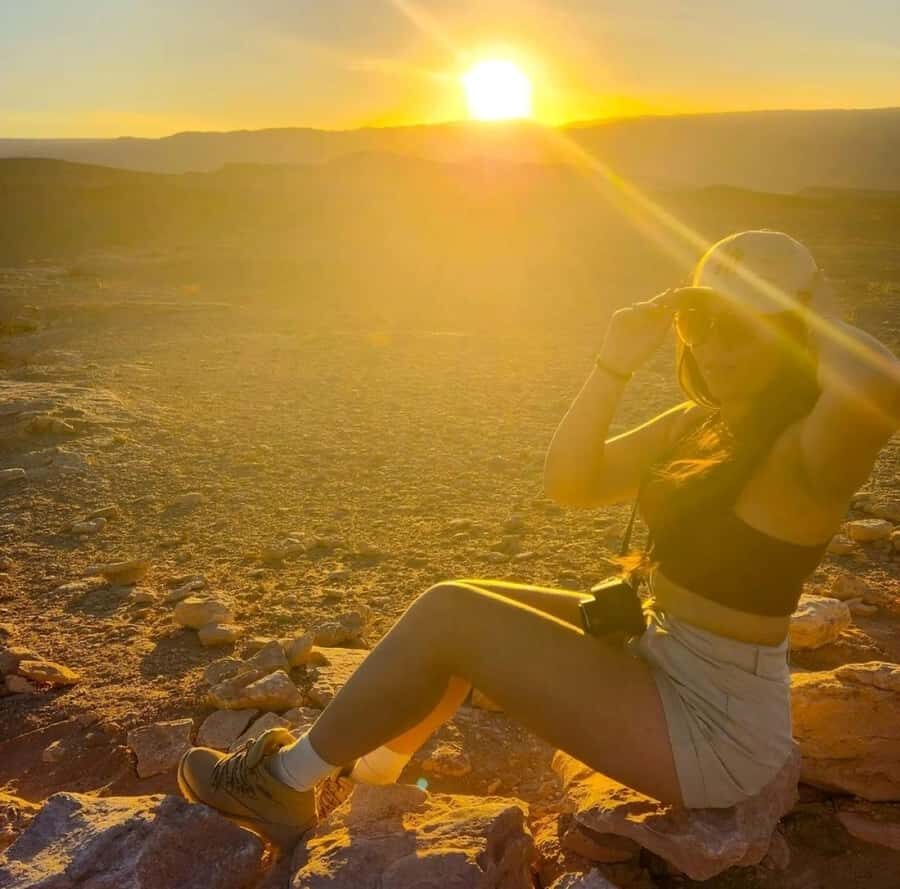
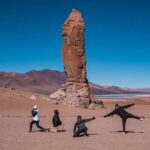
One of the named highlights is Three Marys—a visit to the statue of the Three Marys, where the scenery frames the artwork in a very dramatic way. What makes this stop feel valuable is that it gives the tour a human anchor. After salt and rock textures, the statue brings scale and symbolism into the frame.
A good guide helps here by connecting what you’re seeing to why it matters, not just where to stand for the best picture. The description emphasizes beauty and meaning, so this is more than a quick stop-on-a-list. It’s a pause where the environment feels even more surreal because you’re looking at something placed into a world that looks like it’s from another planet.
If you’re traveling with a camera, this is one of the most straightforward spots for portraits and wide shots. Just remember that wind can be intense, so keep your time efficient and keep an eye on your footing on uneven ground.
Gran Dune: the climb that earns the sunset views
The Great Dune (Gran Duna) is the part most people remember. The reason is simple: you’re climbing into an elevated viewpoint, and then the desert opens up below you. At sunset, the panoramic view turns into the kind of moment you can’t fully replicate from ground level.
Here’s the honest practical side. A dune climb is never like a paved staircase. Sand can shift under your feet, so you’ll want:
- steady, short steps
- slow breathing
- staying close to the guide’s rhythm (it helps the group move together safely)
The value of this stop isn’t only the view—it’s the contrast. You start with salt and rock shapes, then you climb into the warmer, softer part of the valley. When the sky changes, the entire scene looks more dimensional, and the photos usually come out better than you’d expect, even with simple phone cameras.
If strong winds are rolling through (they’re mentioned as a reality in the desert setting), you’ll feel it most here. Plan to dress for wind, not just for sun. The desert can be bright and cold at the same time.
Amphitheater: fun acoustics in a naturally curved rock space
A standout named stop is the Amphitheater. This is one of the rare travel moments where your body gets involved. The rock formation echoes your voice, turning the environment into an interactive experience rather than a passive photo spot.
For you, that means:
- you’ll want to speak at a normal volume, not shout
- keep it short and playful if you’re in a group
- use it as a break from the visual scanning and let the sound do the work
This stop also balances the day. After dunes and statue shots, the amphitheater adds variety. It’s not a lookout, it’s a micro-experience: a natural feature that changes how you perceive the place.
Coyote Stone and Ckari Mirador: small stops, big payoff
Two more named viewpoint moments are Coyote Stone and Ckari Mirador.
- Coyote Stone is described as a walk to a specific rock point with a spectacular view of the Moon Valley. This is the kind of stop that rewards careful walking. Take your time. The terrain can be uneven, and the best perspective is usually from the exact spot the guide points out.
- Ckari Mirador focuses on views from a mirador viewpoint, where nature’s detail shows in full context. This is your chance to step back and see how the pieces connect: salt zones, rock shapes, dunes, and the overall scale of the valley.
What I like about having multiple smaller viewpoint stops is that they prevent “only one big climax.” You get several moments to reset your eyes and recalibrate your sense of place.
And in a location like this, the desert’s mood changes fast. The combination of wind and temperature shifts over time helps explain why the valley can feel different even within a single tour.
How the guide shapes the day (Christian’s style, and what to watch for)

A guided walk matters in Moon Valley because the terrain can look similar from a distance. A good guide helps you spot what’s important and keeps the group safe without killing the vibe.
In particular, the guide Christian is highlighted for being knowledgeable and pleasant, and for checking on people both as a group and individually—making sure everyone was feeling well and comfortable. That style is what you want here. In the desert, comfort isn’t luxury. It’s part of enjoying the scenery.
When you’re booking, you’ll benefit most if you:
- ask the guide to set a steady pace for your comfort level
- tell them if you feel dizzy or chilled
- don’t push for the fastest pace on the dune
Price and logistics: is $65 a good deal?
At $65 per person for a 4-hour guided experience, this outing is priced fairly when you compare what you actually get: transfer, a guide, and a cocktail, plus multiple major stops in the Moon Valley. The guide component is especially important because this isn’t just scenic driving—you’re walking/hiking between specific features.
The one extra cost to factor in is the park entrance fee: CLP 20 pesos paid separately. Even if the amount isn’t huge, you should budget for it so you’re not surprised on the day.
From a value standpoint, the tour works best if you want:
- a structured route with clear highlights
- a desert break included
- minimal planning stress in a place where wind and sun can make solo exploring more annoying than fun
If you’re the kind of traveler who hates organized groups and wants total freedom, you might feel constrained. But for most people, this setup is exactly what makes the desert enjoyable without feeling like hard work.
What it feels like on the ground: activity level and comfort tips
This tour includes walking and a dune climb, described as a hike that’s just reasonably challenging. That’s important. You don’t need to be a trail athlete, but you do need to be ready for uneven ground and sand.
To make the day feel easier:
- wear closed-toe shoes with good grip
- bring layers for temperature changes (the desert can shift during the day and into sunset)
- plan for wind on the dune and at exposed viewpoints
- take short breaks when offered so you don’t arrive stressed at the best light
If you’re sensitive to dryness or sun glare, use sunscreen and drink water before you feel thirsty. Altitude + desert sun is not the combo to ignore.
Who should book this Moon Valley tour
This is a strong fit if you:
- want a first-time introduction to Atacama in half a day
- love geology and named stops with clear photo moments
- want a sunset experience without having to manage transport and route planning
- prefer guided storytelling over wandering alone
It may be less ideal if you:
- dislike hikes or sand walking
- need highly flexible timing (this is a structured 4-hour outing)
- are uncomfortable in windy conditions
Should you book San Pedro’s Valle de la Luna?
If you’re choosing between doing nothing and doing something meaningful, I’d book this. The combination of salt mountains, Three Marys, and the Great Dune sunset views gives you multiple payoff moments in one trip. The added touches—an amphitheater stop and viewpoint variety like Coyote Stone and Ckari Mirador—make it feel more than a single scenic drive.
My only real caution is the dune and wind. If you’re ready with layers and solid shoes, you’ll enjoy it more than you expect. If not, you may end up counting minutes instead of soaking in the desert.
FAQ
FAQ
How long is the Valle de la Luna tour?
The experience lasts about 4 hours.
What does the tour cost?
The price is listed as $65 per person.
What’s included in the price?
It includes transfer, a guide, and a cocktail.
Is the park entrance included?
No. The park entrance is not included and is paid separately (CLP 20 pesos).
What language is the live guide?
The tour is offered with live guidance in Portuguese and Spanish.
What are the main places you visit?
You’ll explore Moon Valley with stops including Salt of Sal, Three Marys, the Great Dune, the Amphitheater, Coyote Stone, and Ckari Mirador.
Is cancellation free if plans change?
You can cancel up to 24 hours in advance for a full refund.