REVIEW · SANTIAGO
Glacier Hike at El Morado Glacier, from Santiago
Book on Viator →Operated by AndoAndes · Bookable on Viator
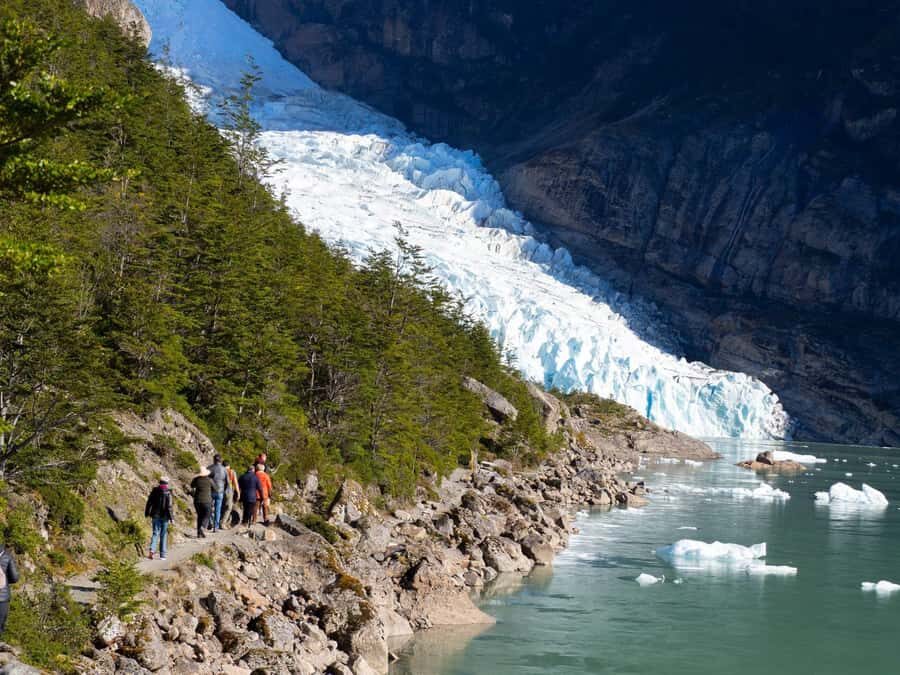
A glacier view starts before sunrise. The El Morado Glacier hike from Santiago takes you high into the Andes with a small group and a serious mountain feel. You’re aiming for the San Francisco Hanging Glacier lookout, with Andean valleys, wind, and big skies along the way.
I especially like two things: the round-trip hotel transport makes the long day easier, and the bilingual guides focus on real field details like local plants, animals, geology, and how the area fits into the wider Maipo story. You also get a practical boxed lunch, so you’re not scrambling for food in the middle of the hike.
One thing to think about up front: glacier access can change. Trail closures or safety rules can mean you might end at an alternate spot like Laguna de Morales instead of going all the way to the glacier viewpoint.
In This Review
- Key things to know before you go
- Early 6:30 a.m. Start and the Drive Through Maipo Valley
- El Morado Natural Monument to San Francisco Hanging Glacier: What the Hike Feels Like
- What you’ll see beyond the glacier sign
- Stop-by-Stop: Why San José de Maipo, Baños Morales, and Cajón del Maipo Matter
- Your Lunch, Water, and the Little Things That Prevent a Bad Day
- Guides in a Small Group: Safety, Pace, and Real Mountain Talk
- When Glacier Access Changes: How to Keep Expectations Straight
- Price and Value: Is $150 Fair for a Full Andes Day?
- Who Should Book This (and Who Should Rethink It)
- Should You Book the El Morado Glacier Hike from Santiago?
- FAQ
- What time does the El Morado Glacier hike start?
- How long is the tour?
- How far do you hike?
- What’s the group size?
- What’s included with the price?
- Is breakfast included?
- Do I need a passport?
- What should I wear or bring?
- What happens if the weather is bad?
Key things to know before you go
- A 16 km trek inside El Morado Natural Monument, ending at a hanging glacier lookout
- Hotel pickup and drop-off plus bottled water and a boxed lunch
- Max 12 hikers for a tighter group feel and more personal attention
- Terrain is loose and sometimes steep, so boots and trekking poles help a lot
- Guide-led nature talk on flora, fauna, geology, and local history during the day
- Plan for changing access if conditions require trail restrictions
Early 6:30 a.m. Start and the Drive Through Maipo Valley
This day trip kicks off at 6:30 am, which is early, but smart. You’re buying time: cooler temps at elevation, fewer weather surprises, and a better shot at clear visibility for the glacier lookout. From Santiago, the route takes you through the Maipo corridor, with stops along the way that break up the journey.
You’ll make a first stop in San José de Maipo, then continue toward Baños Morales. These stops are more than scenery; they help you reset on a long travel-and-hike schedule. Then you’ll coordinate with the tour team at AndoAndes – Day Tours before heading into the protected area at Monumento Natural El Morado.
A final drive stop is listed at Cajón del Maipo, which is basically the valley highway that keeps the day moving. The payoff is that once you start walking, you’re already in the right world—high, windy, and remote enough to feel like a real Andes outing.
You can also read our reviews of more tours and experiences in Santiago.

El Morado Natural Monument to San Francisco Hanging Glacier: What the Hike Feels Like
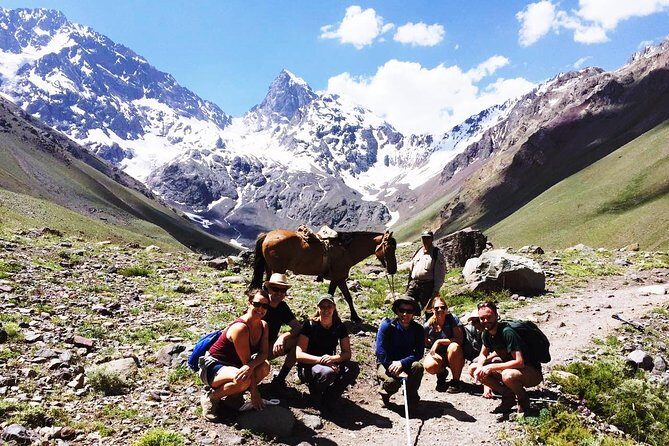
The core experience is a hike through the Monumento El Morado / El Morado Natural Monument, roughly 16 km in total distance. Your end point is a lookout to the San Francisco Hanging Glacier, so this isn’t a casual stroll. It’s an active, fit-hiker day where you earn the view.
Here’s the kind of effort level to expect. One guide-led detail that matters is elevation: you begin around 1,850 m and climb roughly 400–600 m during the hike. That climb isn’t just altitude math—it also affects how your legs and breathing feel, especially with loose rock underfoot.
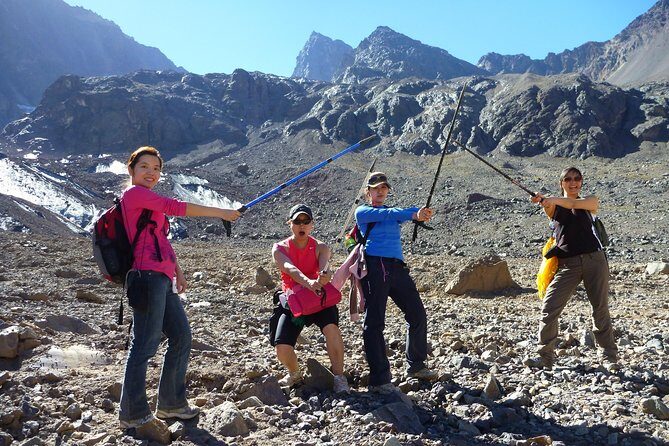
Terrain is another key factor. Multiple accounts point to loose rocks/gravel, uneven ground, and stretches that can be tricky to place your feet. There can also be shallow water crossings and some snow patches closer to the glacier area, so shoes that keep your feet stable (and ideally dry enough) make life easier. Good layers matter too: it can get warm while moving, then chilly when you stop.
If you’re wondering how long it takes, a common timing pattern is about 4 to 5 hours on the walking portion, depending on pace and conditions. The full day runs longer because the day is built around transport plus time at the lookout and breaks.
What you’ll see beyond the glacier sign
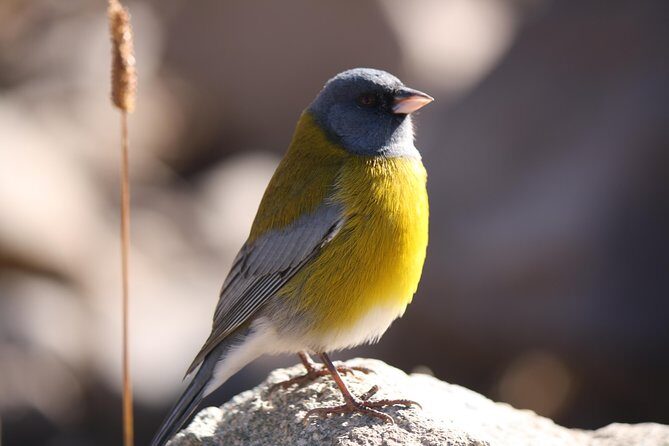
You hike through a valley where you’ll spot local flora and fauna, and the guides usually slow down at interesting points to point out what’s happening on the ground. One standout theme is birds—guides have a knack for spotting them and making it feel like a mini field trip instead of just a climb.
Stop-by-Stop: Why San José de Maipo, Baños Morales, and Cajón del Maipo Matter
Even though your attention is on El Morado, the route stops help the day run smoothly. San José de Maipo is where you’re still in the Santiago orbit, and it’s a good time to settle in, use the chance to stretch, and mentally switch from city mode to mountain mode.
Baños Morales is next, and it’s part of the in-between rhythm of the tour. Think of it as a transition point that keeps you from arriving at elevation totally drained. The day is long enough; these small breaks make the hike feel more manageable.
Then there’s a coordination point at AndoAndes – Day Tours. In practical terms, this is where you connect with the team before the mountain portion really starts. It’s also a nice moment to confirm you’ve got what you need—sunscreen, water, warm layer, and a camera ready for that glacier light.
At the end, Cajón del Maipo signals the return into the valley flow. It matters because it’s the part of the schedule where you can finally relax and let the road carry you back, rather than thinking about navigation or timing through Santiago traffic.
Your Lunch, Water, and the Little Things That Prevent a Bad Day
This tour includes bottled water and a boxed lunch. That doesn’t sound glamorous, but it’s huge on a hike day. You don’t want to make food decisions at altitude when you should be focusing on footing and energy.
The boxed lunch has a strong reputation: the sandwich is often described as better than expected for a trail meal. That tells me the operation tries to keep you properly fueled. You’ll also get snack-type extras during the day, so you’re not stuck waiting for the next stop.
One practical note: there’s not much shade for a lot of the route. Sunscreen comes up again and again for a reason. Even if you feel fine in the morning, strong sun at elevation can still surprise you, especially on loose, open terrain where you can’t rely on tree cover.
For gear, the usual winners are:
- Trekking shoes with grip for loose rock
- A warm jacket for wind at higher points
- A sun hat and sunscreen
- A backpack to carry layers and camera
- Trekking poles if you like extra stability (they’re often recommended for this kind of footing)
If you run cold easily, plan for it. Wind and chill can hit when you stop for photos or lunch.

Guides in a Small Group: Safety, Pace, and Real Mountain Talk
The group size is capped at 12 travelers, which keeps the hike from feeling crowded and helps with logistics. In practice, smaller groups mean you can move at a pace that fits the group, and the guide can notice when someone’s struggling.
That flexibility shows up in how guides handle different fitness levels. One account notes the guide adjusted the plan when a hiker didn’t want to continue as far, while still letting others go ahead. That’s the kind of group management that keeps the day positive without abandoning safety.
Bilingual guiding is also a big deal. You get explanation in more than one language, and guides often add context during both the drive and the hike. Expect talk about:
- local flora and fauna
- geology and what you’re seeing in the terrain
- cultural and historical notes tied to the Maipo region
Guides named in past departures include people like Laura, Gonzalo, Francisco, Felipe, and Joaquín Cordua, plus partners such as Rai and Sebastian. You’re not guaranteed any specific person, but the recurring theme is a guide who blends safety with genuine curiosity.
When Glacier Access Changes: How to Keep Expectations Straight
Here’s the honest reality of glacier hikes: conditions can shut down the last part of the route. In warmer periods or when authorities restrict access, the day can pivot. The main idea is simple—sometimes you won’t reach the glacier itself.
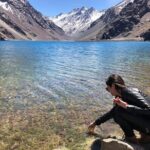
If you’ve booked specifically for the San Francisco Hanging Glacier viewpoint, this is the one scenario you should plan for mentally. When access is limited, you may end at a nearby alternative such as Laguna de Morales. That spot can still be beautiful, but it’s not the same as going all the way to the glacier lookout.
So I’d treat the glacier as the goal, not the promise. The value of the tour is that even when the endpoint changes, you still get a full El Morado day: real trekking, big views, and guided interpretation along the way.
Also, keep in mind that some routes can have industrial sounds in the distance, depending on where you’re walking. It doesn’t ruin the day for everyone, but if you’re sensitive to noise, it’s worth knowing that the first stretch may not feel totally silent.
Price and Value: Is $150 Fair for a Full Andes Day?
At $150 per person, you’re paying for a full day with transport, guide time, food, and included safety coverage. The math gets easier when you list what’s included:
- Hotel pickup and drop-off
- Bilingual guide
- Boxed lunch and bottled water
- Complimentary insurance
- A maximum group size of 12
The tour also notes a breakfast stop, but breakfast isn’t included in the price. That’s normal for day trips, but it’s one more reason to eat early or plan to buy something simple on the way.
Is $150 cheap? Not exactly. But it’s also not just paying for a ticket—you’re paying for the logistics of getting out to El Morado, plus a guide who talks while you hike and helps keep everyone safe. For many people visiting Santiago, this is one of the more efficient ways to get a real glacier-day feel without handling transit on your own.
Who Should Book This (and Who Should Rethink It)
This hike is recommended for people in good physical shape. The distance and elevation gain add up, and the ground can be loose underfoot. If you’re comfortable with steep sections, uneven rocks, and a full-day schedule, you’ll likely enjoy it a lot.
It’s also a good fit if you like learning while moving. The guides tend to keep the day from going numb—pointing out plants, birds, and geology, and making the drive part of the experience too.
I’d rethink if you want an easy, flat walk. This isn’t a gentle nature stroll. Even hikers who call it not ridiculously difficult still describe steep bits and challenging footing.
And if you’re extremely glacier-focused, keep in mind the access caveat. You might still get a strong end-of-hike view, but you’re not guaranteed to reach the exact glacier point if restrictions apply that day.
Should You Book the El Morado Glacier Hike from Santiago?
If you want a high-altitude hiking day with a real sense of adventure, this is a strong choice. The included transport, lunch, and bilingual guiding do a lot of the heavy lifting for you, and the small group size usually makes the day feel calmer and more personal.
Book it if you can handle uneven terrain, loose rock, and a steep-ish climb to a glacier lookout goal. Consider it with extra flexibility if you’re booking only for the glacier endpoint, since trail access can shift due to safety rules.
Bottom line: for many people in Santiago, this is one of the most satisfying ways to spend a day in the Andes—active hiking, guided nature talk, and glacier-level views when conditions cooperate.
FAQ
What time does the El Morado Glacier hike start?
The activity starts at 6:30 am.
How long is the tour?
The duration is listed as approximately 12 hours.
How far do you hike?
The hike is about 16 km through the El Morado area, ending at a lookout for the glacier.
What’s the group size?
The tour has a maximum of 12 travelers.
What’s included with the price?
Included items are bottled water, a boxed lunch, a bilingual guide, hotel pickup and drop-off, and complimentary insurance.
Is breakfast included?
No. There is a stop for breakfast, but it’s not included in the total price.
Do I need a passport?
Yes, a current valid passport is required on the day of travel.
What should I wear or bring?
Bring trekking shoes, sunscreen, a sun hat, a warm jacket, and a backpack. A camera is also recommended.
What happens if the weather is bad?
This experience requires good weather. If it’s canceled due to poor weather, you’ll be offered a different date or a full refund.