REVIEW · SANTIAGO
New Experience Concha y Toro Winery Tour from Santiago
Book on Viator →Operated by Gray Line Chile · Bookable on Viator
Diablo stories and wine country views make this one memorable. From Santiago, you’ll head to the legendary Concha y Toro grounds with hotel pickup and a guided walkthrough that leads into the Cellar of the Devil. I like the relaxed, not-rushed feel, plus the chance to taste Chilean standouts like carmenère and sauvignon blanc. The main thing to weigh is timing: Santiago traffic can stretch the drive, so your on-site time depends on the day’s schedule.
This tour is built for people who want the big-name winery experience without stress. You’ll start at 8:00 am from your hotel area, ride south in an air-conditioned minivan, then join a larger group once you arrive at the winery. If you want more tastings, choose the wine-and-cheese add-on; if not, expect a solid standard tasting and time to move through the exhibits and gardens.
Key moments I’d plan around
- Cassillero del Diablo sensory experience that explains terroir and winemaking with showy presentation
- Underground Cellar of the Devil, where you’ll hear the story that makes this winery famous
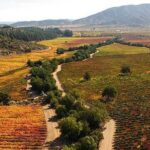
- Pirque vineyards and viewpoint views over the Maipo Valley region
- Varietal Garden stops that help you connect grapes to what you taste
- Standard tasting plus an optional cheese pairing that can mean more pours
- Hotel round-trip transport so you don’t fight logistics on your own
In This Review
- Concha y Toro From Santiago: Why This Winery Tour Works
- The Maipo Valley Drive and Hotel Pickup (and What Traffic Can Do)
- Centennial Park and Don Melchor House: First Views Set the Tone
- Cassillero del Diablo Sensory Experience: The Terroir Lesson With Stagecraft
- Underground: Cellar of the Devil and the Winery Story That Sticks
- Pirque Vineyards, Varietal Garden, and the Viewpoint That Adds Meaning
- Wine Tasting: From Flagship Pours to the Cheese Pairing Upgrade
- Timing, Pacing, and Group Size: What 5 to 6 Hours Really Feels Like
- Price and Value: Is $128 Worth It?
- Who Should Book This Concha y Toro Tour (and Who Might Skip)
- How to Prepare: What to Pack for Gardens, Cellars, and Tastings
- Should You Book It? My Take on Concha y Toro From Santiago
- FAQ
- What time does the tour start?
- How long is the Concha y Toro experience from Santiago?
- Is hotel pickup and drop-off included?
- What’s included in the price?
- Is food included?
- How many people are on the tour?
- Are there wine tastings?
- Is there an age requirement for tasting wine?
- What if the weather is bad?
- Is free cancellation available?
Concha y Toro From Santiago: Why This Winery Tour Works
Concha y Toro is one of those places that feels like it has its own gravity. The estate is classic Chilean wine-country theater: manicured grounds up top, then the mood changes underground. The genius of this tour format is that you get both sides—pretty gardens and real wine education—without turning it into a whole day ordeal.
I especially like how the route is designed. You don’t just show up, taste, and leave. You move from the park to the story-based experiences to the vineyard area, so tasting later makes more sense. If you’re the type who likes to know what you’re drinking, this is a strong fit.
One practical caution: this is a time-managed outing. Even when the winery part is enjoyable, the drive and transfers are still real. If you’re hoping for extra time to wander on your own, keep your expectations aligned with a structured tour.
The Maipo Valley Drive and Hotel Pickup (and What Traffic Can Do)
The tour leaves Santiago at 8:00 am and uses round-trip hotel pickup and drop-off. The drive is often described as about 30 minutes south, and that sounds great—until you hit real Santiago traffic. There are days when the ride can run much longer, and that can squeeze what you get at the winery.
This is where your planning matters more than the winery does. If you live farther from the pickup zone, or if morning traffic is heavy, you might arrive with less flexibility. One traveler got hit with delays severe enough that the winery experience language shifted away from what they expected, and they ended up doing a shorter portion. You can’t control traffic, but you can control your mindset: arrive ready for schedule shifts, and consider bringing a small snack and water for the ride.
The payoff is that the minivan takes the logistical burden off your shoulders. You’re not coordinating transport, parking, or timing. You’re just going.
You can also read our reviews of more wine tours in Santiago


Centennial Park and Don Melchor House: First Views Set the Tone
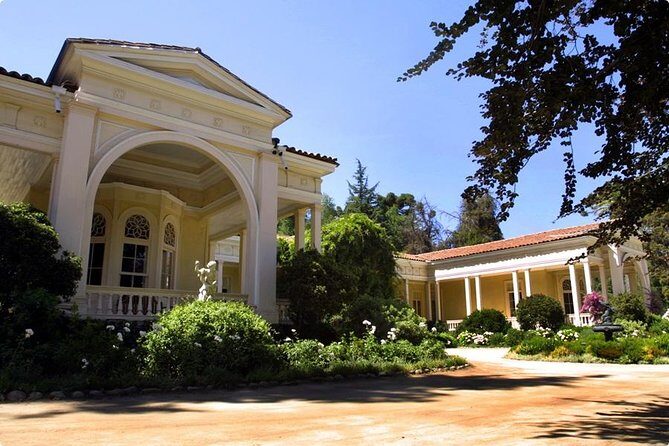
Once you arrive at the Concha y Toro Wine Center, the first move is a stroll through a centennial park—22 hectares—where you can take in the grounds and see the historic Don Melchor House. This isn’t just scenery. It’s orientation. You get bearings on how the estate is laid out and why certain areas matter.
This is a nice stage of the day because it’s easy. You’ll walk at a comfortable pace, take photos, and settle into the setting before you head into the more theatrical parts. If you travel with people who aren’t deep wine nerds, this first segment is a good bridge. It’s visually impressive and doesn’t require you to know anything about grape varieties yet.
If the weather turns cold or rainy, this part can still be enjoyable, but you’ll want to keep expectations realistic. The grounds are outdoors, and you may find limited shelter for waiting while groups move through.
Cassillero del Diablo Sensory Experience: The Terroir Lesson With Stagecraft
Then the tour turns into the signature Concha y Toro experience: Cassillero del Diablo. You’ll go through a sensory presentation focused on terroir and the winemaking process. It’s designed to make concepts stick, not just sound correct.
The big advantage here is clarity. Even if you’re not a wine expert, you’ll get a plain-language explanation of how Chile’s growing conditions and cultivation choices shape what ends up in the glass. This is also where the storytelling energy ramps up. Some visitors are genuinely blown away by the presentation effects, and it’s easy to see why. It takes a winery topic and turns it into something you can follow.
The only downside is that sensory experiences are structured. If you’re looking for a free-form, Q&A-heavy seminar, a scripted format might feel limiting. You can usually ask questions, but don’t expect the tour to wander off-road.
Underground: Cellar of the Devil and the Winery Story That Sticks
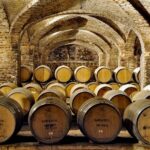
Next comes the underground portion: the Cellar of the Devil. You’ll descend into the cellar and hear the story tied to the estate’s past—especially the eccentric former owner who supposedly protected precious wines from intruders by using the cellar.
This is the emotional center of the visit. Up top you’re looking at gardens and viewpoints. Down here you’re in the mood. The lighting, the temperature shift, and the narrative all work together. Even people who aren’t huge fans of wine still tend to remember this part.
It’s also a practical reminder: bring a bit of mental flexibility. Underground stops can mean standing and moving through exhibit pacing, so comfortable shoes help. And if you’re sensitive to cooler temperatures, expect a drop once you’re underground.
Pirque Vineyards, Varietal Garden, and the Viewpoint That Adds Meaning
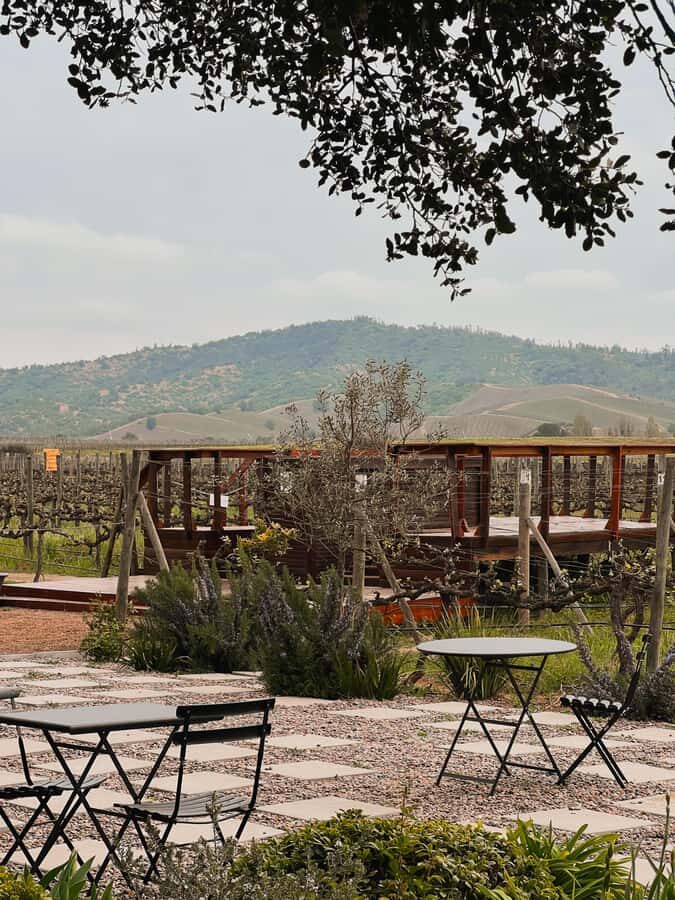
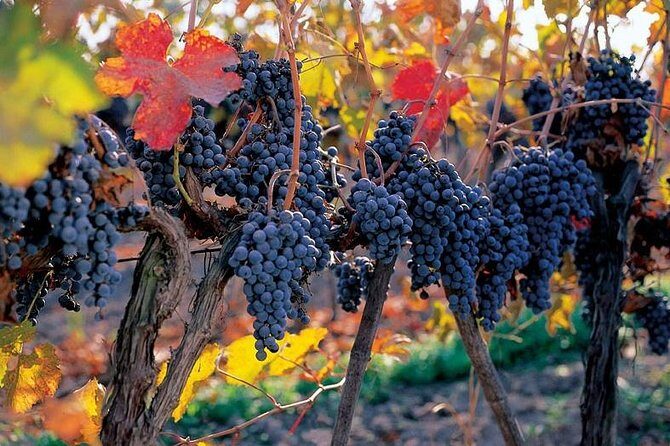
After the story stops, the tour shifts toward the agricultural side. You’ll head into the Pirque vineyards area and explore among the vines. The viewpoint segment matters too, since it helps you connect the geography to what you’re tasting.
You’ll also explore the Varietal Garden. This is one of the smartest “learning by walking” ideas for a general audience: you see grape variety plantings nearby while the guide links them back to what’s in the tasting flight. Even if you can’t identify every variety from sight alone, it helps your brain map flavors to grapes.
There’s also a note that a new vineyard tour is available from May 15, 2025. If you’re traveling after that date, you’ll likely see an updated approach to the vineyard visit, still centered on Pirque and the estate’s cultivation methods.
If you’re a photography fan, this is a good window. The gardens and vineyards offer a lot of angles, and the pacing often leaves enough room for photos without feeling like you’re rushing through everything.





Wine Tasting: From Flagship Pours to the Cheese Pairing Upgrade
Now for the reason most people book: the tasting. The tour includes a guided session in the elegant wine bar, and you’ll sample two flagship wines in the standard flow. If you pick the wine-and-cheese pairing option, you can increase the number of wines you taste—moving beyond the basic two.
The tastings typically cover varietals such as carmenère and sauvignon blanc, and the experience is designed to help you compare styles rather than just sip randomly. That makes a difference if your goal is to buy a bottle you’ll actually enjoy later.
The cheese add-on is popular because it turns tasting into a small meal. One common theme in strong ratings is that the cheese option gives you more value and a more guided, professional pairing moment. If you’re going to spend money on one upgrade, this is the one most likely to feel worthwhile—especially if you’re new to Chilean wines.
Just be aware that tasting details can vary depending on timing and how your group is slotted. A few people reported mismatches between what they paid for and what they received, so it’s smart to double-check your selected option at check-in and ask the guide to confirm what’s included before you start tasting.
Timing, Pacing, and Group Size: What 5 to 6 Hours Really Feels Like
The published duration is about 5 to 6 hours, with a start time at 8:00 am. Your day includes the transfer from your hotel, a drive to the winery area, and the winery experience itself, plus the return trip.
Here’s the typical rhythm. You ride in an air-conditioned minivan to Concha y Toro. The group size starts small—up to 8 people at departure—then you join a larger group once you’re inside, around 20 to 30 people. That matters because it affects pacing. In a small departure group, you feel organized and cared for. Once you’re at the winery, the energy becomes more tour-like.
This can be a double-edged sword:
- If everything runs on time, you’ll likely feel the pacing is smart, with stops that are neither rushed nor painfully slow.
- If you get delayed by traffic or waiting, the winery experience can feel shorter than advertised.
Some visitors even described an on-site window that felt closer to about an hour rather than the fuller experience they expected. That’s not universal, but it’s a real consideration. Your best defense is to go in expecting a guided structure and not treat this as a flexible wandering day.
Price and Value: Is $128 Worth It?
At $128 per person, this tour sits in the middle-to-higher range for wine experiences, so you want to see what you’re paying for.
You’re buying:
- Round-trip hotel pickup and drop-off
- A local guide during the tour flow
- Wine tasting included
- A gift wine glass
The value is strongest if you want a guided, story-driven experience at one of Chile’s best-known wineries without figuring out transport. If you were going to hire a driver or spend time sorting tickets and timing, this price starts to look reasonable.
Where the price can feel weaker is when the schedule gets squeezed. If delays force you into a shorter or less-than-ideal tasting path, you may feel like you paid for logistics more than for the full winery experience. That’s why I’d treat the cost as fair—if the day runs smoothly—and as slightly risky on busy traffic mornings.
Also consider your preferences. If you’re a wine beginner, the structured education can be worth more than the glass count. If you’re already a wine person and want longer tastings or more vineyard time, you might prefer a more flexible or specialized option.
Who Should Book This Concha y Toro Tour (and Who Might Skip)
This tour is a great match for:
- First-time visitors to Santiago who want a legendary winery name
- People who want a guided story plus tastings, not just a self-guided cellar walk
- Couples and families who like structured pacing and easy logistics
- Travelers who want to see Pirque vineyards and the Maipo Valley viewpoint in one outing
It might not be the best fit if:
- You hate structured tours and want free time to linger
- You’re traveling during heavy traffic periods and would feel upset by schedule compressions
- You’re extremely sensitive to language. Even though your tour may be in your preferred language, delays can affect what’s available once you arrive.
One more reality check from real experiences: guides range in style, and some tours are more scripted than others. If you enjoy plenty of back-and-forth conversation, bring questions early and don’t wait until late in the visit.
How to Prepare: What to Pack for Gardens, Cellars, and Tastings
This isn’t a hike, but you will walk. Comfort matters more than fashion. Wear shoes you can stand in for a while and handle uneven paths through the grounds.
A few practical tips that help:
- Bring a light layer for the cellar area, which can feel cooler than the outside air.
- If rain is possible, pack a rain shell or umbrella. One visitor noted there wasn’t much infrastructure to handle wet conditions in the garden areas.
- If you’re doing the cheese pairing and want a slower pace, arrive ready to taste. Skipping lunch can make the tasting part feel too heavy.
- If you’re a photo person, plan to use your early stops for wide shots before the group becomes more time-managed.
And keep your eyes on the time. Start early, stay patient, and treat the drive as part of the experience, not a detour.
Should You Book It? My Take on Concha y Toro From Santiago
If you want a polished, story-led winery outing with real tastings and no transportation headaches, book it. Concha y Toro delivers a mix of beauty up top and atmosphere underground, and the Pirque vineyard area helps connect the scenery to the wine.
I would hold off if you’re the kind of person who needs long free time on-site, or if delays will ruin your mood. For those travelers, a more flexible plan might suit better.
My final advice is simple: choose the wine-and-cheese option if you’re tasting-curious and want better value in terms of the number of pours. Then show up early with patience for Santiago roads. Do that, and you’ll come away with a strong sense of why Concha y Toro became a legend—and with bottles you can explain when you open them back home.
FAQ
What time does the tour start?
The tour start time is 8:00 am.
How long is the Concha y Toro experience from Santiago?
The overall tour is about 5 to 6 hours, with the winery portion being a smaller part of that total.
Is hotel pickup and drop-off included?
Yes. Round-trip hotel transport is included, and pickup/drop-off depends on whether your hotel is in the zone.
What’s included in the price?
Included features are hotel pickup and drop-off, a local guide, wine tasting, and a gift wine glass.
Is food included?
Food and drinks are not included unless specified as part of an option. If you choose the wine-and-cheese pairing, that option includes a cheese pairing with your tasting.
How many people are on the tour?
The tour departs from Santiago with a maximum of 8 people, then you join a larger group at the winery of about 20 to 30 people.
Are there wine tastings?
Yes. Wine tasting is included, and the experience includes options that can increase the number of wines you try.
Is there an age requirement for tasting wine?
The minimum drinking age is 18 years.
What if the weather is bad?
This experience requires good weather. If it’s canceled due to poor weather, you’ll be offered a different date or a full refund.
Is free cancellation available?
Yes, you can cancel up to 24 hours in advance for a full refund.