REVIEW · PUNTA ARENAS
Punta Arenas: Magallanes National Reserve and City Tour
Book on GetYourGuide →Operated by TOURS PUNTA ARENAS · Bookable on GetYourGuide
Punta Arenas does winter right. This tight 4-hour city tour mixes a nature walk in the Magallanes National Reserve with big, high-perch views over the Strait and Tierra del Fuego. You get the historic feel of the center too, not just scenery from the road.
Two things I really like about it are the practical way it pairs wild flora with a short guided stroll, and then caps the whole experience with the kind of panorama that helps you understand where Punta Arenas sits. A possible drawback: much of the value is in walking—so bring warm layers and comfortable shoes, because you’ll want to be ready for uneven, outdoor ground.
In This Review
- Key takeaways before you go
- How this 4-hour Punta Arenas tour actually helps you get your bearings
- Magallanes National Reserve: the one-hour walk that teaches the region
- Plaza Muñoz Gamero (Plaza de Armas): the city’s social living room
- Cerro de la Cruz: panoramic views that explain the geography
- Sara Braun Palace: a French-designed monument with local weight
- Timing, transport, and what “good walking shoes” really means here
- Price and value: is $175 per person worth it?
- Who this tour suits best (and who should skip it)
- Should you book Punta Arenas: Magallanes National Reserve and City Tour?
- FAQ
- How long is the Punta Arenas Magallanes National Reserve and City Tour?
- What’s included in the price?
- Are entry tickets included for the reserve or Sara Braun Palace?
- What languages is the tour guide available in?
- What should I bring for the tour?
- Where is pickup, and how will I know the guide is coming?
Key takeaways before you go
- Magallanes National Reserve walk: a guided look at shrubs like el calafate, romerillo, michay, and sarsaparilla.
- Spring-color plants: the guide points out how herbs and plants bloom around that season.
- Cerro de la Cruz viewpoint: clear sightlines over Punta Arenas, the Strait of Magellan, Mount Sarmiento, and Tierra del Fuego.
- Plaza Muñoz Gamero (Plaza de Armas): a public square with Typical Zone status since 1991.
- Sara Braun Palace: French-architect details from 1895–1905, later recognized as a historical monument in 1981.
- Friendly guide energy: the tour’s guide-and-driver style is described as personable, which helps on a short schedule.
How this 4-hour Punta Arenas tour actually helps you get your bearings
Punta Arenas can feel like a dot on the map until you see it from above. This tour is built for that moment. You start outdoors, trade forest air for city-center rhythm, then climb (not far, but enough) to line up the big geographic clues: where the Strait runs, where Tierra del Fuego sits, and why the peninsula’s shape matters.
The schedule is short on purpose. At 4 hours, you’re not trying to cover everything in town—you’re learning the core idea of Punta Arenas: a windswept crossroads of nature and history. You’ll also move between stops in an air-conditioned vehicle, which is a real comfort when the weather turns cold and changeable.
You can also read our reviews of more city tours in Punta Arenas
Magallanes National Reserve: the one-hour walk that teaches the region
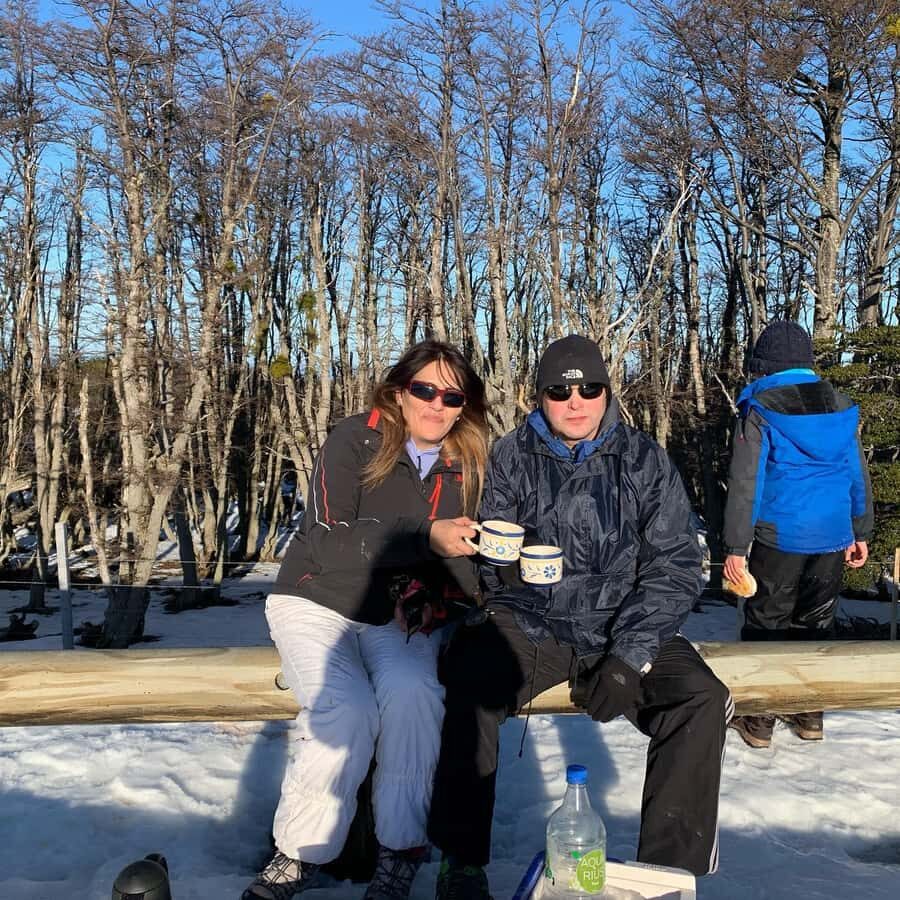
You begin with the Magallanes National Reserve, where the pace shifts from city logic to survival-land logic. Even if you only have an hour, you get a guided walk designed to help you notice what you’d otherwise miss: how the vegetation works here.
The tour focuses on varied plant life and the way different shrubs create the overall “look” of the area. You’ll hear about well-known species such as el calafate, romerillo, michay, and sarsaparilla. The goal isn’t a botany exam—it’s learning enough to recognize patterns.
One detail I think is especially useful: the guide explains how you’ll often find a significant number of herbs and plants blooming colorfully in spring. Even if your trip isn’t in peak spring, it’s helpful context. You start seeing the reserve as a living system with seasonal timing, not just “cold greenery.”
Practical tip: this is a walk in a natural setting, so dress for temperature and footing. The tour specifically asks for comfortable shoes and warm clothing. If you’re tempted to go lighter because you’ll be in a vehicle before and after, don’t. In Punta Arenas, the air can feel sharper than you expect.
Plaza Muñoz Gamero (Plaza de Armas): the city’s social living room
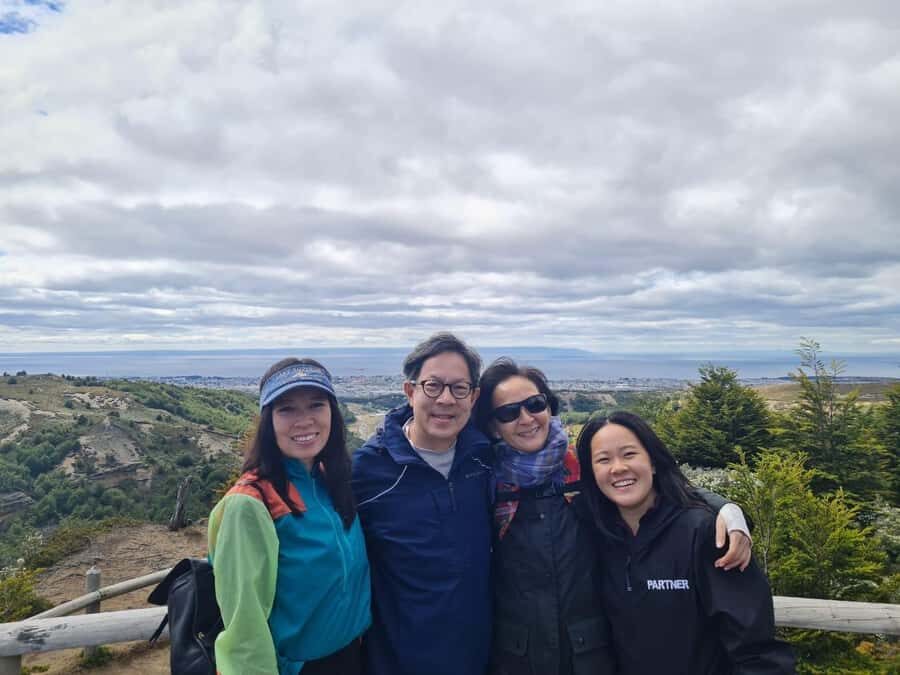
After the reserve, the atmosphere snaps back to the center of town. Your next stop is Plaza Muñoz Gamero, also known as Plaza de Armas. This is one of those places that makes a city feel like a community rather than a collection of attractions.
It’s a public space, and it has a formal history too: it was declared a Typical Zone in 1991. That matters because it signals the square’s role as part of Punta Arenas’s identity, not just a pretty landmark. You’re meant to use this stop to orient your sense of the city—where people gather, where buildings define the feel, and where key historic sites cluster.
If you like to understand a place through everyday rhythm, this square is a good pause. You also get a natural reset before the viewpoints and the architecture stop.
Cerro de la Cruz: panoramic views that explain the geography
Then you head to Cerro de la Cruz, one of the area’s landmarks because height turns “where is everything?” into “now I get it.” From this viewpoint, you can see the city and the bigger world around it: the Strait of Magellan and Tierra del Fuego Island.
What makes this stop work for first-timers is the variety of named landmarks you can spot from the same place. Your wide panorama includes Punta Arenas with its multicolored roofs, plus Mount Sarmiento and the southern area of the Brunswick peninsula. Even if you can’t identify everything perfectly on the first look, the guide’s pointing helps you connect the dots quickly.
Here’s the practical value: Cerro de la Cruz isn’t just for photos. It’s the visual tool that lets you imagine routes—how water shapes movement, how the land edges frame the city, and why Punta Arenas developed the way it did.
Bring your camera, and also bring patience. Wind and light can shift quickly at viewpoints in the south. If you’re planning photos, take a few minutes to let your eyes adjust before you start shooting.
Sara Braun Palace: a French-designed monument with local weight
Next is Sara Braun Palace, a historic building in Punta Arenas located in front of Plaza Muñoz Gamero. This stop adds a different flavor: architectural history that reaches beyond everyday city streets.
The palace was built between 1895 and 1905 and designed by the French architect Numa Mayer. That French connection is part of why the building feels distinctive when you’re standing in Patagonia’s setting—Punta Arenas isn’t just local materials and local forms. It also reflects the international influences that landed here as the city grew.
It also carries formal recognition: in 1981, it was declared a historical monument by the Council of National Monuments. For you as a visitor, that translates into a clear reason to stop—this isn’t a random grand house. It’s a preserved marker of the city’s older story.
One thing to plan for: admission to the palace is not included, so if you’re budget-conscious, factor that ticket cost into the total trip value.



Timing, transport, and what “good walking shoes” really means here
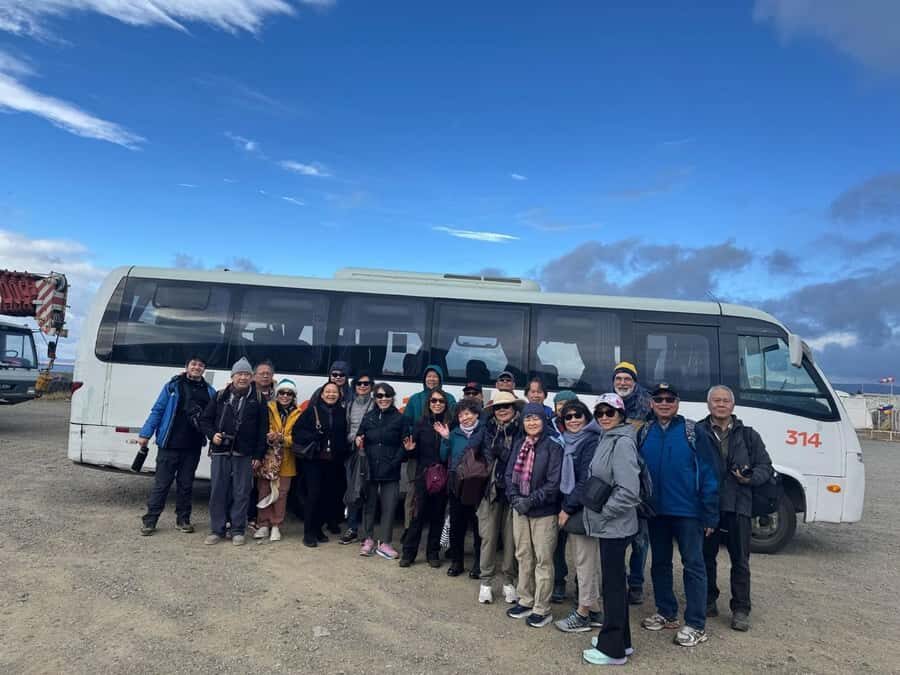
This tour uses an air-conditioned vehicle, which helps you stay comfortable while moving between sites. But the itinerary still includes an outdoor walk in the reserve and standing/walking around the city center and viewpoints.
So even though it’s only 4 hours, don’t treat it like a sit-and-watch excursion. The tour asks for restrictions on shorts, short skirts, open-toed shoes, and anything that could hamper safe movement. That’s your clue that footwear and warmth aren’t optional.
If you’re traveling with recent surgery concerns or you’re not used to walking outdoors, keep the “not suitable” note in mind. This isn’t a long trek, but it isn’t a zero-effort stroll either.
Price and value: is $175 per person worth it?
At $175 per person for a 4-hour tour, you’re paying for three things that are hard to replicate on your own in one neat loop:
1) A guided nature walk in the Magallanes reserve, including explanation of the local plants like el calafate and romerillo.
2) Viewpoint know-how, where the guide helps you connect what you see from Cerro de la Cruz to real geographic landmarks.
3) City-center context, especially with the Plaza Muñoz Gamero setting and the Sara Braun Palace’s architectural and historical background.
The “not included” items are the entry fees for the reserve, Sara Braun Palace, and a cemetery option. That means your out-the-door cost might run a bit higher than the base price. But you’re also getting a full guided flow—vehicle + guide—so you’re not spending your time figuring out timing and transit between scattered spots.
For the value angle, I’d think of it like this: if you want a one-day mental map of Punta Arenas plus nature context, this tour compresses a lot into a manageable timeframe.
Who this tour suits best (and who should skip it)
This tour is a great match if you want a quick, organized introduction to Punta Arenas without sacrificing the outdoors. It’s also a good fit if you like learning small details—like how spring bloom patterns influence what the reserve looks like.
It’s less ideal if you need a fully seated experience, or if you’re dealing with limited mobility, because the nature portion and viewpoints require you to move and stand.
If you prefer spending half a day purely in the city, this tour might feel a bit split. But if your priority is “I want the best overview first,” the structure works.
Should you book Punta Arenas: Magallanes National Reserve and City Tour?
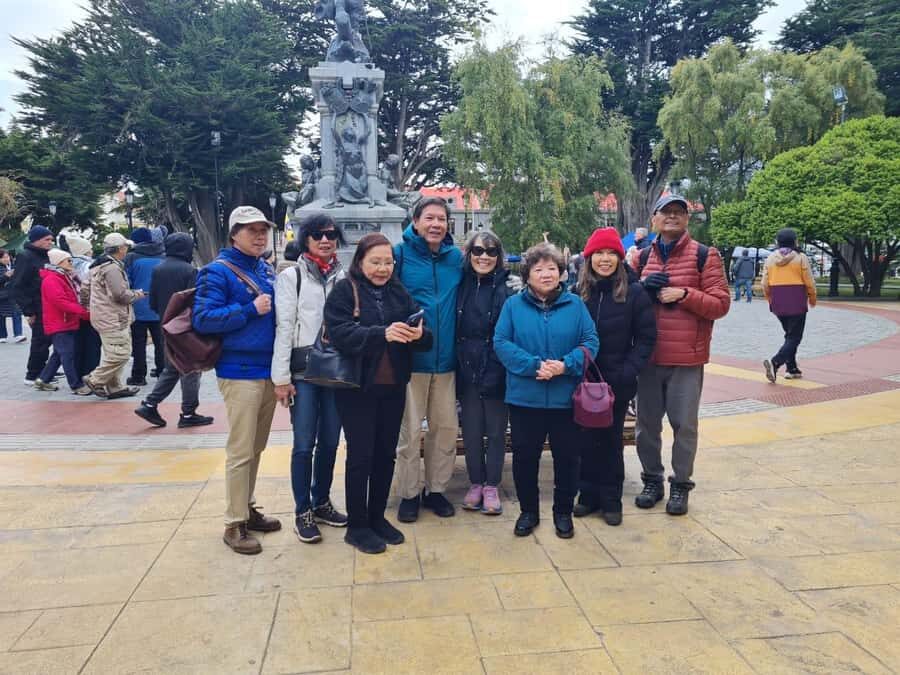
Book it if you want one smooth, guided loop that helps you understand Punta Arenas quickly—forest plants in the reserve, then the city’s key historic anchors at Plaza Muñoz Gamero, the big panoramic proof at Cerro de la Cruz, and the standout Sara Braun Palace.
Skip it if you already have your own plan for Cerro viewpoints and historic sites and you’re only looking for nature without city stops. Also skip if walking outdoors in cold conditions is hard for you.
Overall, this is the kind of tour that gives you context fast. You’ll leave with a clearer sense of where Punta Arenas sits in the wider southern landscape—and a few specific names of plants and places you can carry with you on the rest of your trip.
FAQ
How long is the Punta Arenas Magallanes National Reserve and City Tour?
It lasts about 4 hours.
What’s included in the price?
The tour includes an air-conditioned vehicle and a guide.
Are entry tickets included for the reserve or Sara Braun Palace?
No. Entry/admission for the Reserva nacional Magallanes and Palacio Sara Braun is not included.
What languages is the tour guide available in?
The live guide is available in English and French.
What should I bring for the tour?
Bring comfortable shoes, warm clothing, a camera, and water.
Where is pickup, and how will I know the guide is coming?
Pickup is in Punta Arenas. The guide calls his WhatsApp when he is about to arrive at the pick-up location.