REVIEW · PUNTA ARENAS
Punta Arenas: City Tour
Book on GetYourGuide →Operated by Caminos Tours LTDA · Bookable on GetYourGuide
Patagonia’s past starts downtown. This 3-hour Punta Arenas tour turns the city into a timeline: you’ll see the historic center and Cathedral area, plus the standout architecture from the region’s golden age. You’ll also get a bilingual guide who ties streets and buildings to how Magallanes and Chile grew into what they are today.
Two parts I especially like are the Cerro de la Cruz viewpoints and the stop at Sara Braun cemetery—both make it easy to understand why this place feels so remote yet so connected to global sea routes. One consideration: Punta Arenas weather can be windy and change plans, and museum entries cost extra if you want to go inside at each one.
In This Review
- Key things to know before you go
- Getting Oriented: Pickup, Plaza de Armas, and Golden-Age Streets
- Palacio Braun Menéndez: The Regional Museum Stop that Adds Meaning
- Cerro de la Cruz Viewpoint: Panoramas Over Punta Arenas and the Strait
- Sara Braun Cemetery and the Shepherd Monument: Where Art Meets Memory
- Maggiorino Borgatello Salesian Museum: Plan for Entrance Fees
- Strait of Magellan Waterfront: 500th Anniversary Monuments and Photo Moments
- What the 3 Hours Feel Like: Walking, Wind, and Small Timing Shifts
- Price and Value: Is $60 Worth It?
- Guides and Practical Touches: Jose Jara’s Style, in Real Terms
- What to Bring (So the Wind Doesn’t Win)
- Who This Tour Suits Best
- Should You Book This Punta Arenas City Tour?
- FAQ
- How long is the Punta Arenas city tour?
- What does the tour cost?
- Where does the tour start?
- What languages is the tour offered in?
- What’s included in the price?
- Are museum entrance fees included?
- What are the main stops during the tour?
- What should I bring to this tour?
- Is there any weather-related flexibility?
- Is alcohol allowed on the tour?
Key things to know before you go
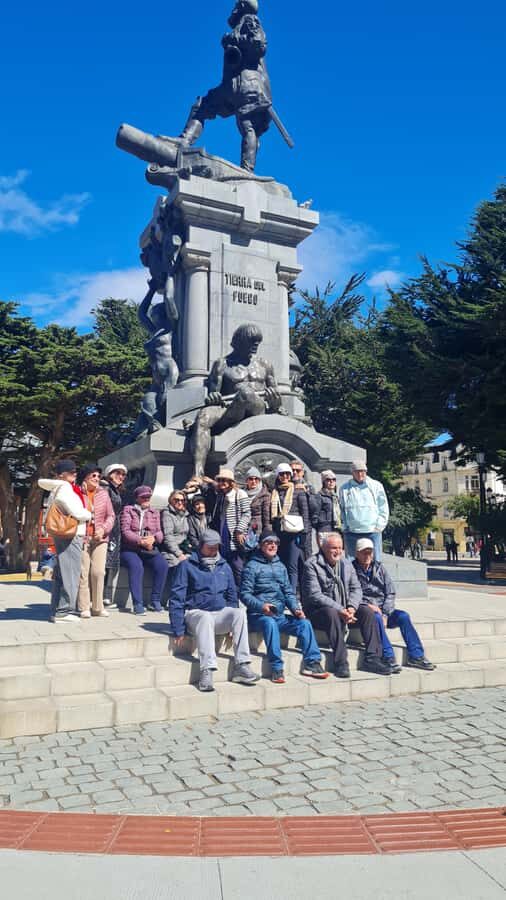
- Bilingual guiding in English and Spanish, with real explanations of local landmarks
- Historic center walking time from Plaza de Armas through the old-streets vibe
- Cerro de la Cruz photo stop for wide views over Punta Arenas and the Strait of Magellan
- Sara Braun cemetery visit plus the monumento al Ovejero (Shepherd monument)
- Strait of Magellan waterfront monuments tied to Magellan’s 500th anniversary themes
- Weather and schedule flexibility, since the route can shift with conditions and timing
Getting Oriented: Pickup, Plaza de Armas, and Golden-Age Streets
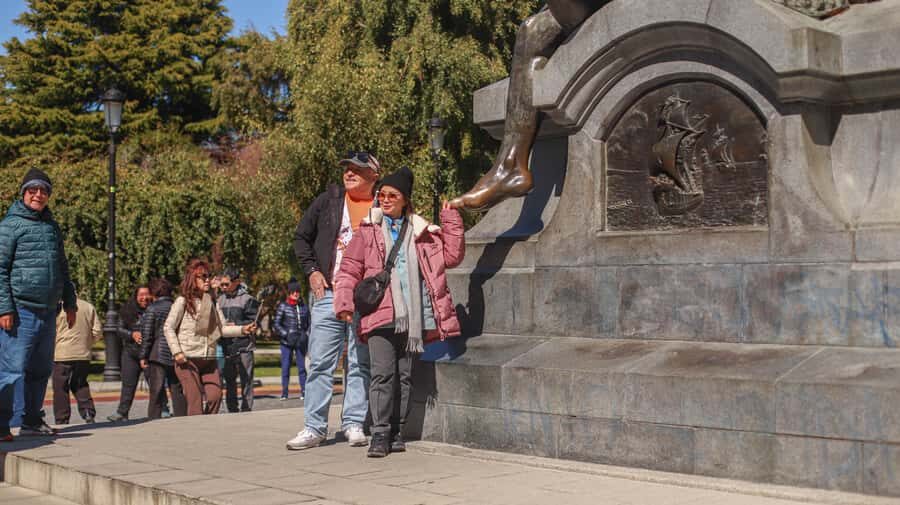
I like tours that get you oriented fast, and this one does it right away. You’re picked up from your hotel in Punta Arenas’s urban area, then transferred to the main square so you can start with a clear mental map. From there, you walk through the historic center, which is where Punta Arenas shifts from “a port town” to something with depth and character.
At Plaza de Armas, you’ll also spend time around the Cathedral area and the architecture that reflects the region’s golden age. Even if you’re not a serious architecture nerd, this stop helps you understand why Punta Arenas developed the way it did: big structures, confident design, and a city that looks built for importance—not just survival.
This is also a good moment to pay attention to the scale of the city. In Patagonia, distances and weather shape everything. A short walk here helps you feel the “real pace” before you head to lookouts and cemeteries where the wind can be a factor.
You can also read our reviews of more city tours in Punta Arenas
Palacio Braun Menéndez: The Regional Museum Stop that Adds Meaning
Next up is the regional museum of Magallanes, known as the Palacio Braun Menéndez. If you’ve ever visited a city and felt like you saw buildings but didn’t know why they mattered, this is the kind of stop that fixes that. The goal isn’t to overload you with facts; it’s to give you context so the later photo stops and monuments land with more weight.
One practical thing: museum entrances aren’t included. That matters because you should decide up front whether you’ll pay to go inside at each museum stop or prefer to focus on the outdoor viewpoints and streets. The upside is that you stay flexible. If the day is cold or windy, you can still enjoy the city walk and the key sights without feeling like you’re forcing a ticket-heavy schedule.
The takeaway for you: the museum stop is the “why” behind the “what.” Without it, the cemeteries and memorials can feel like just more stops. With it, they start to read like a story.
Cerro de la Cruz Viewpoint: Panoramas Over Punta Arenas and the Strait
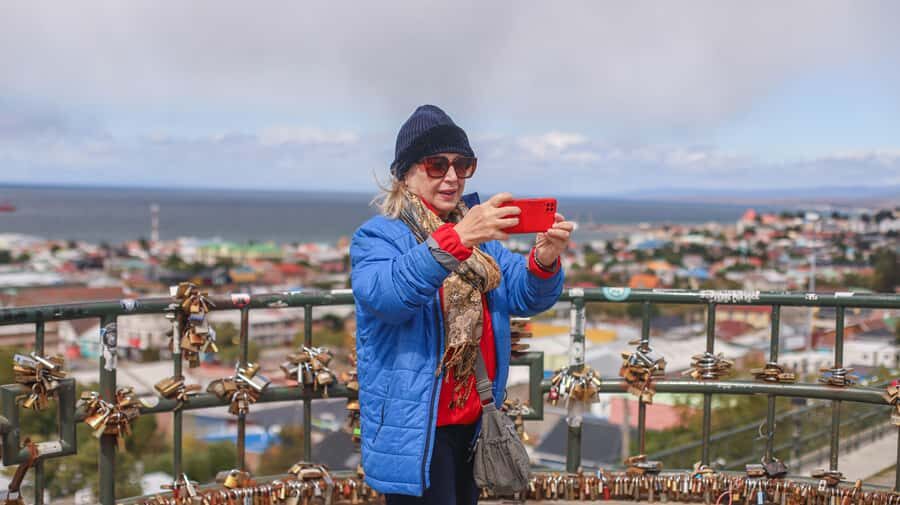
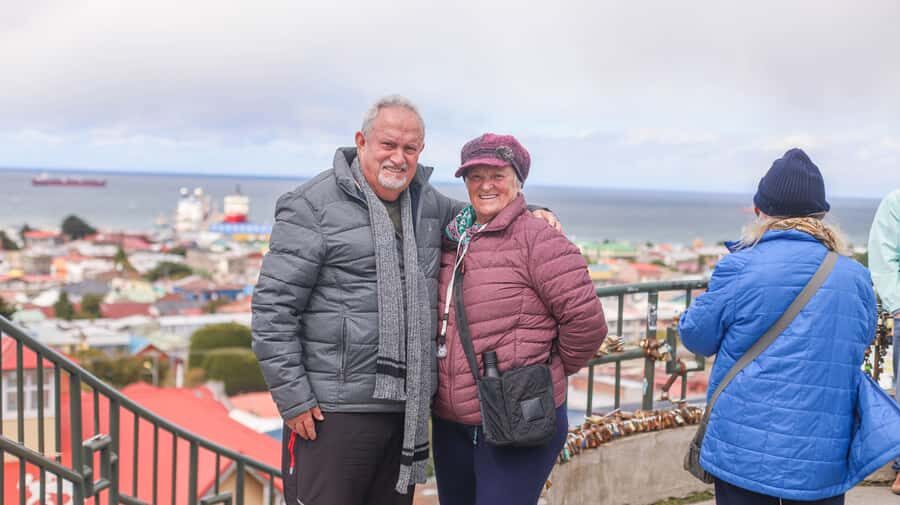
After the historic streets and museum time, you’ll head up to Cerro de la Cruz. This is where the tour gets properly scenic. From the viewpoint, you’ll have spectacular views of Punta Arenas and the Strait of Magellan. It’s the kind of view that makes you understand geography as a force, not a detail.
Photo stop time here is not about snapping one picture and moving on. It’s about seeing the shape of the coastline and how the Strait fits into global thinking of travel, trade, and exploration. Even if you don’t know the technical terms, you’ll feel it: this isn’t a random coastline, it’s a major corridor.
Weather can make or break this stop, so come ready. Bring warm layers and a windbreaker. If you’re wearing only a light jacket, Punta Arenas will correct your outfit choice fast.
Sara Braun Cemetery and the Shepherd Monument: Where Art Meets Memory
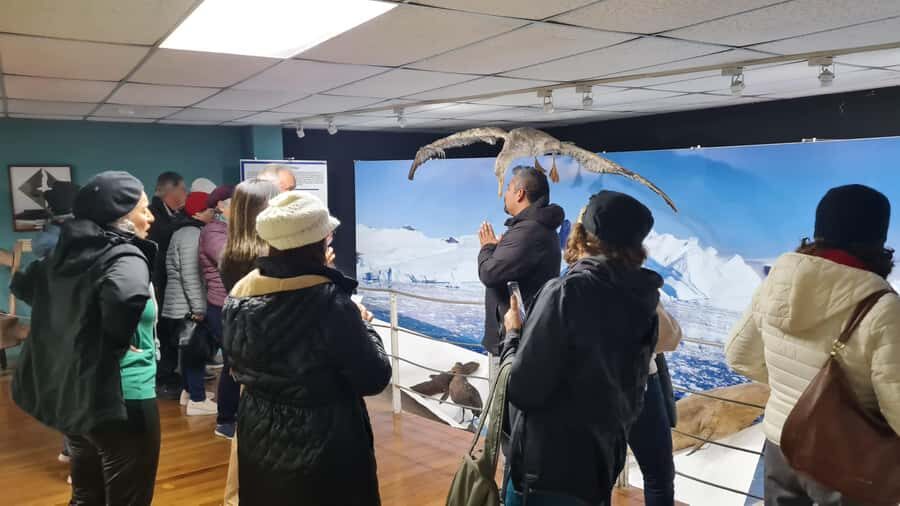
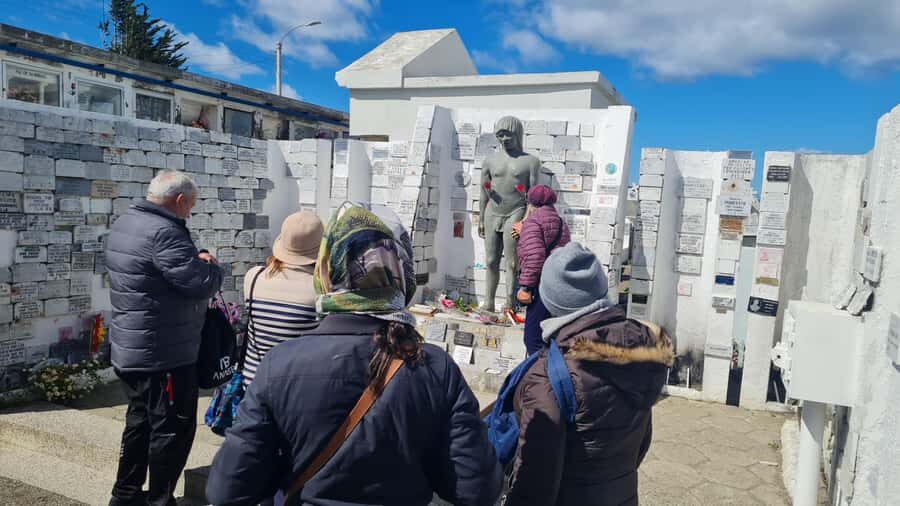
Then comes one of the tour’s most striking cultural visits: the Sara Braun cemetery. It’s considered one of the 10 most beautiful cemeteries in the world, and whether you’re into cemetery design or not, it’s hard to miss the artistic intent. This is a place where you can feel the weight of community memory.
I like cemetery stops when they’re paced well, and this one has that structure: you’re guided to the site, you spend time seeing it, and then you move on rather than rushing. That pacing matters here because the experience is quieter and more reflective than the city square and viewpoints.
Right after, you’ll see the monumento al Ovejero (Shepherd monument). It’s a reminder that in Patagonia, daily life and identity get memorialized. This stop turns history into something specific, not abstract.
If you’re the type who prefers “street-level meaning” over lecture-style history, this is where the tour starts to feel personal.
Maggiorino Borgatello Salesian Museum: Plan for Entrance Fees
Later you’ll visit the Maggiorino Borgatello Salesian Museum, a stop that adds another layer to the day’s mix of local culture. But here’s the key detail for your planning: entrance fees aren’t included.
That means you should think of this museum as optional, even if the guide brings you to the doorway. If you’re the sort of person who loves museums, great—factor in the cost and take your time inside. If you’re trying to keep the day light, you can still enjoy the flow of the route and stay focused on the outdoor sights.
This is also a good moment to slow down and check your energy. After viewpoints and the cemetery, you want to keep the rest of the tour enjoyable, not just “checked off.”




Strait of Magellan Waterfront: 500th Anniversary Monuments and Photo Moments
The tour ends with the waterfront and the Strait of Magellan, where the setting turns dramatic in a very natural way. You’ll enjoy the splendor of the Strait and then visit monuments connected to the 500th anniversary of Magellan’s discovery themes—things like the Ancud Schooner and references to pilot Pardo.
These are the kinds of sights that work best when you’re already warmed up by the morning context. You’ll have seen the city’s historic center, you’ll have gotten museum background, and you’ll have that big-view orientation from Cerro de la Cruz. Now the waterfront feels like the payoff: you finally see the water route that shaped the region.
For photos, this is a more relaxed stop than Cerro de la Cruz. It’s easier to take multiple shots here without feeling like you’ll miss the timing of the day. Still, keep an eye on the wind and keep your phone secure—Patagonia has a talent for sudden gusts.
What the 3 Hours Feel Like: Walking, Wind, and Small Timing Shifts
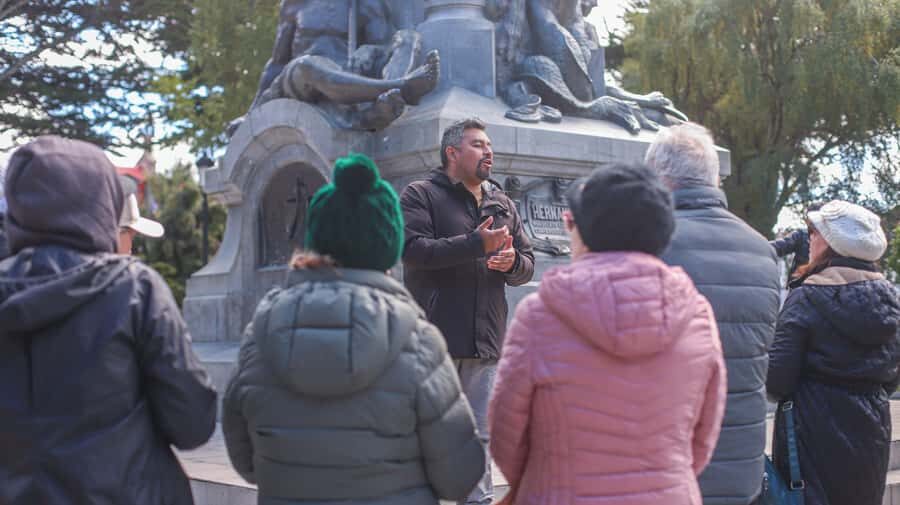
Three hours sounds simple, but in Punta Arenas, the weather can turn “simple” into “careful.” The tour includes hotel pickup and multiple stops, so you’ll spend time on transfers and short walks—not hours of hiking.
The itinerary can also change due to weather conditions or timing. That’s not a problem by itself; it’s how tours stay realistic in a place where skies can change fast. Your best strategy is to stay flexible and dress for comfort. If the day is cold and gusty, the guide’s judgment matters.
One small detail I appreciate: the tour includes basic refreshment. You’ll get juice or water plus fruit and small snacks like a protein bar and dried fruit. When you’re outside in the wind, that kind of simple food support makes a difference.
Price and Value: Is $60 Worth It?
At $60 per person for a 3-hour guided loop, this price is about value through structure. You’re paying for transportation from your hotel (in the urban area), a bilingual guide, and a full set of high-impact stops in a short time window.
Here’s what improves the value:
- You don’t have to figure out a route across scattered sights. The transfer does that.
- You get both city heritage (Plaza de Armas, Cathedral area, museum context) and viewpoint payoff (Cerro de la Cruz).
- You get included drinks and snacks, which is a real bonus on colder days.
Here’s the part to watch:
- Museum entrance fees are not included. If you plan to go into every museum, you’ll pay extra. If you’re selective, you can keep costs down.
Overall, for a first visit to Punta Arenas—especially if your time is limited—this feels like a solid deal because it packages the city’s main ideas into one morning-style loop.
Guides and Practical Touches: Jose Jara’s Style, in Real Terms
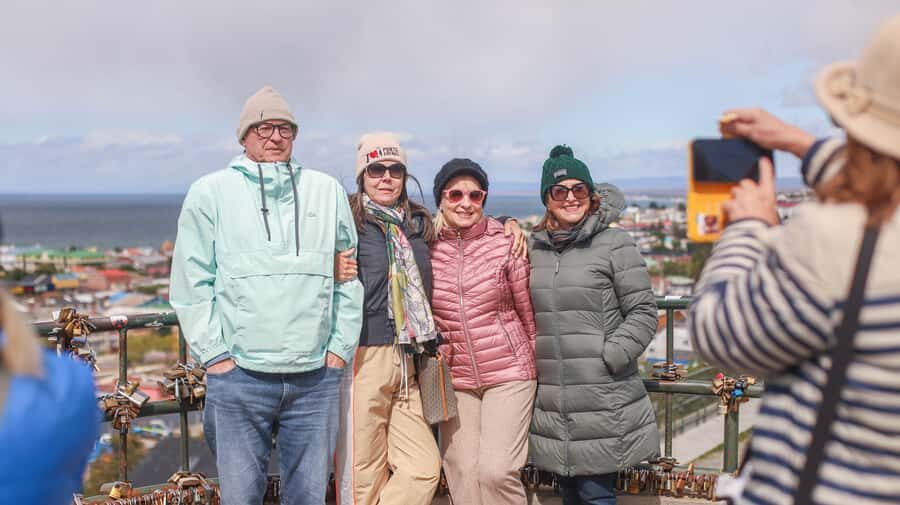
The quality of the guide can make or break a city tour, and this one tends to land well when the guide is active and prepared. Guides like Jose Jara are known for explaining Punta Arenas history in a way that feels connected to what you’re seeing in front of you, not just a list of dates. One review also mentioned the group was cared for when timing shifted due to tender boat delays, and that the guide handled practical needs like coffee and bathroom direction.
Even if you don’t get the same guide, the key point for you is the tour’s tone: it’s not just sightseeing. It’s guided support plus commentary, which is what you want when weather and timing might be a little unpredictable.
What to Bring (So the Wind Doesn’t Win)
This tour gives clear packing advice, and I strongly agree with it. Bring warm clothing, a windbreaker, and sunscreen. Yes, sunscreen. Punta Arenas can be bright, and the wind can fool you into thinking you’re not getting sun.
Also, plan for layers you can adjust quickly. You’ll be outside near the waterfront and at viewpoints, and you’ll want to control temperature without constantly taking things on and off.
Who This Tour Suits Best
This is a great match if you want:
- A short, guided orientation to Punta Arenas
- History and culture that shows up in real places (squares, museums, cemeteries, monuments)
- Big-view photo stops without a full-day commitment
It’s also a good choice if you’re visiting as part of a cruise schedule or you just want a tight itinerary you can trust to hit the main highlights.
If you’re the type who hates walking in wind, you can still do it—but dress for the weather and expect light walking between stops.
Should You Book This Punta Arenas City Tour?
I’d book it if you want an efficient way to understand Punta Arenas rather than just pass through it. The combination of Plaza de Armas + museum context + Cerro de la Cruz viewpoint + Sara Braun cemetery + waterfront monuments gives you a full sense of place in a small time window.
I’d hesitate only if you’re determined to avoid cold-weather outdoor stops or you strongly prefer museum time inside with no extra costs. Since museum entrances aren’t included, you should plan for that if museums are your top priority.
If you’re happy with a guided, practical city loop and you dress for wind, this tour is a smart first stop in Patagonia.
FAQ
How long is the Punta Arenas city tour?
The tour duration is 3 hours.
What does the tour cost?
The price is $60 per person.
Where does the tour start?
You’ll be picked up at your hotel in Punta Arenas (urban area) and taken to the main square.
What languages is the tour offered in?
The tour is guided in English and Spanish.
What’s included in the price?
Included are transfers from your lodging (urban area), a bilingual guide, juice or water, fruit, a protein bar, and dried fruit.
Are museum entrance fees included?
No. Entrance fees to museums are not included.
What are the main stops during the tour?
You’ll visit Plaza de Armas, Cerro de la Cruz viewpoint, the Strait of Magellan photo stop, Sara Braun cemetery, the Monumento al Ovejero, the Maggiorino Borgatello Salesian Museum, and the waterfront monuments area.
What should I bring to this tour?
Bring warm clothing, a windbreaker, and sunscreen.
Is there any weather-related flexibility?
Yes. The itinerary may be modified due to weather conditions or the time and day of the tour.
Is alcohol allowed on the tour?
No. Alcohol and drugs are not allowed, and littering is also prohibited.