REVIEW · SAN PEDRO DE ATACAMA
Roundtrip to the Uyuni Salt Flat and the Colored Lagoons
Book on GetYourGuide →Operated by Uyuni Adventure · Bookable on GetYourGuide
Salt flats first. Then flamingos. Then geysers.
What makes this 4-day trip special is the mix: Uyuni Salt Flat scale plus the surreal Colored Lagoons of Bolivia, all under the same practical small-group setup. You also get treks around volcano country, not just window views.
I especially like two things: the chance to sleep in unique Salt Hotels (with Hostal de Sal as part of the plan) and the way the guide experience is built around Spanish with basic English support—one guide example is Zima from Kantuta Tours, who made explanations feel clear on both sides of the language gap. That matters when you’re bouncing between remote sites and high altitude.
The main drawback to plan for is altitude and pace. You reach about 3600 to 5000 meters, with trekking near volcanoes that rise around 6000 meters, so this is not a sit-and-sip kind of tour.
In This Review
- Key highlights worth your attention
- Border-to-altitude travel: why this route feels like a journey, not a checklist
- Day 1: San Pedro de Atacama to Hito Cajon, then your first hostel night
- Day 2: Uyuni Salt Flat time, Incahuasi Island, and the Salt Hotel night
- Day 3: Colored Lagoons, volcano trekking, Siloli desert, hot springs, and geysers
- Hostels, meals, and the bathroom reality on the Altiplano
- Price and logistics: what $458 covers, and what you should budget extra
- Altitude reality check and what to pack so you actually enjoy it
- Who this small-group 4×4 suits best (and who should skip it)
- Should you book this Uyuni Salt Flat and Colored Lagoons adventure?
- FAQ
- How long is the roundtrip Uyuni Salt Flat and Colored Lagoons experience?
- What’s included in the price?
- What entrance fees or extra costs should I budget for?
- What’s the pickup situation in San Pedro de Atacama?
- What language will the guide speak?
- Is this tour suitable for wheelchair users?
- Is it suitable for pregnant travelers or people with altitude sickness?
Key highlights worth your attention
- Laguna Colorada: flamingo country, set in dramatic high-Andean terrain
- Uyuni Salt Flat + Incahuasi Island: salt-crust magic plus a cactus island stop
- Salt Hotels: a real change from standard hostels, right on the way
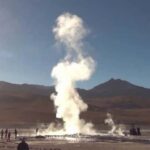
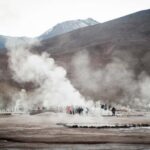
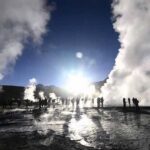
- Sol de la Mañana geysers: otherworldly activity in active geothermal zone
- Andean highlands track time: trekking near volcanoes like Licancabur, Ollague, and Tunupa
- Hot springs and lagoons: Polques and Blanca add a slower-feeling pause
Border-to-altitude travel: why this route feels like a journey, not a checklist
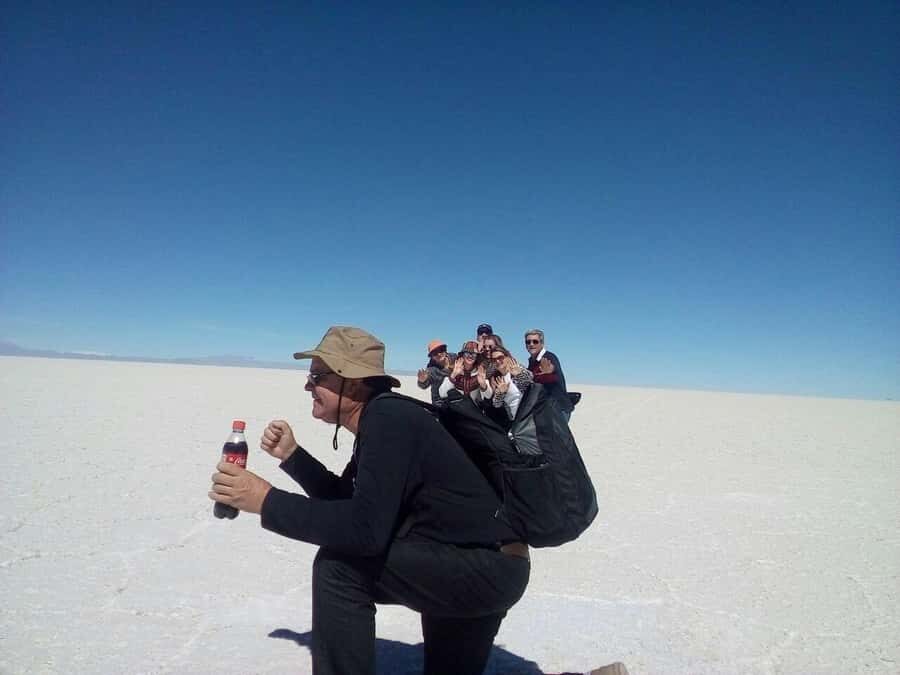
This trip is built around crossing the Chile–Bolivia border and then spending real time in Bolivia’s high Andean zones. That’s not a small detail. The border crossing sets the tone: early movement, slower thinking, and lots of practical pauses because you’re working at altitude.
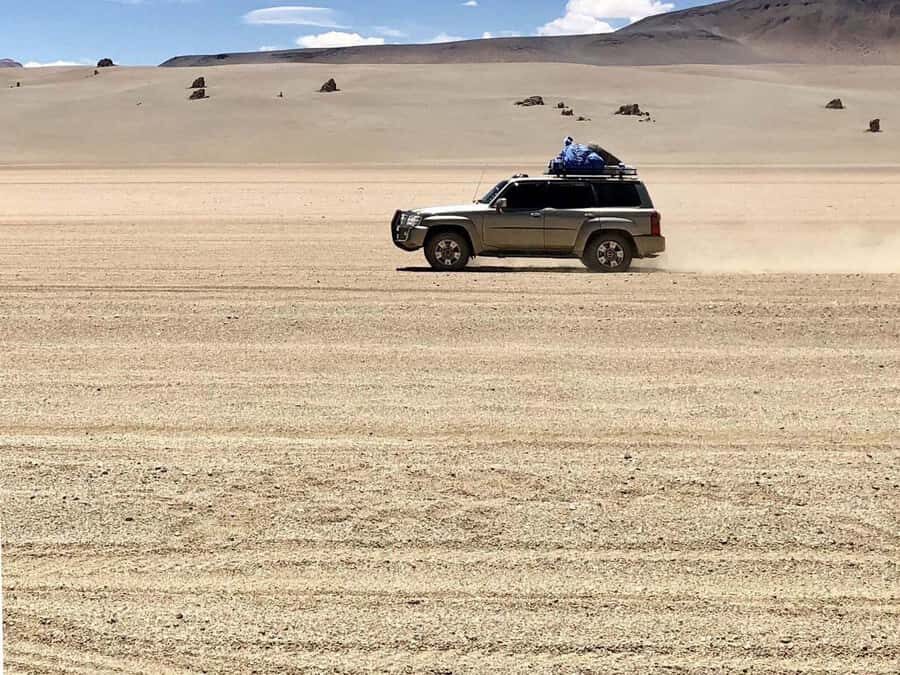
The payoff is that you don’t just hit one famous photo spot. You move between ecosystems and textures: salt flats, volcanic lagoons, geothermal fields, and desert-like stretches such as the Siloli and Salvador Dali deserts. It’s a wide-ranging itinerary that still feels organized because the driving is done by a local driver guide, and the group size stays small.
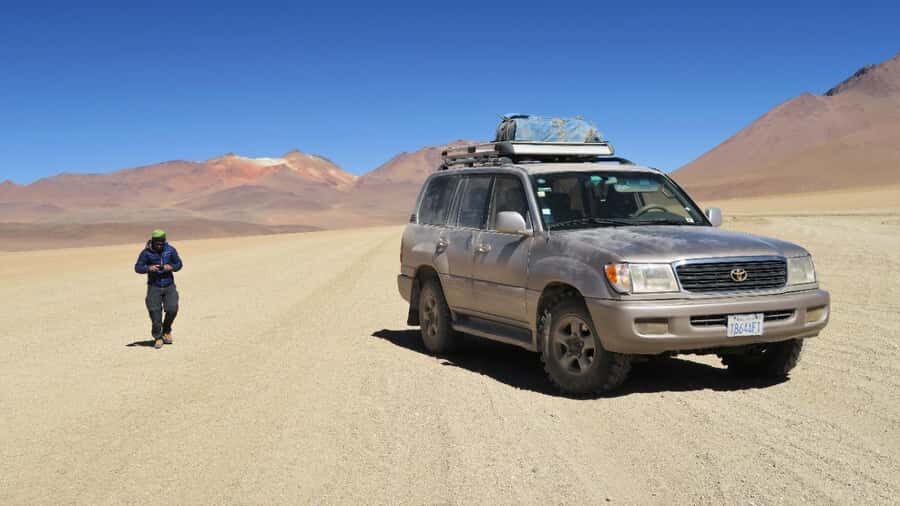
One other smart piece: you’re not stuck with giant buses. Transport in 4×4 vehicles is capped at up to 6 people per car, which usually means better control on rough roads and more personal help when the terrain is changing fast.
You can also read our reviews of more tours and experiences in San Pedro De Atacama.
Day 1: San Pedro de Atacama to Hito Cajon, then your first hostel night
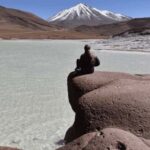
Your day starts with the long practical leg: minibus transfer from San Pedro de Atacama to Hito Cajon, the Chile–Bolivia border. You should expect this as a travel day, not a sightseeing-heavy day. The big thing is getting your bearings, staying warm, and preparing for altitude as you transition from Chile into Bolivia.
After the border area, you settle into your first night at Villamar family hostel in a shared room with a shared bathroom. This first hostel stop matters because it sets expectations for comfort. This route is remote, and the accommodation style is simple on purpose so you can spend your time and money on the real highlights outside of town.
If you’re used to plush comfort, treat this as a different rhythm: fewer luxuries, more time outdoors, and more focus on warm layers and good footwear.
Day 2: Uyuni Salt Flat time, Incahuasi Island, and the Salt Hotel night
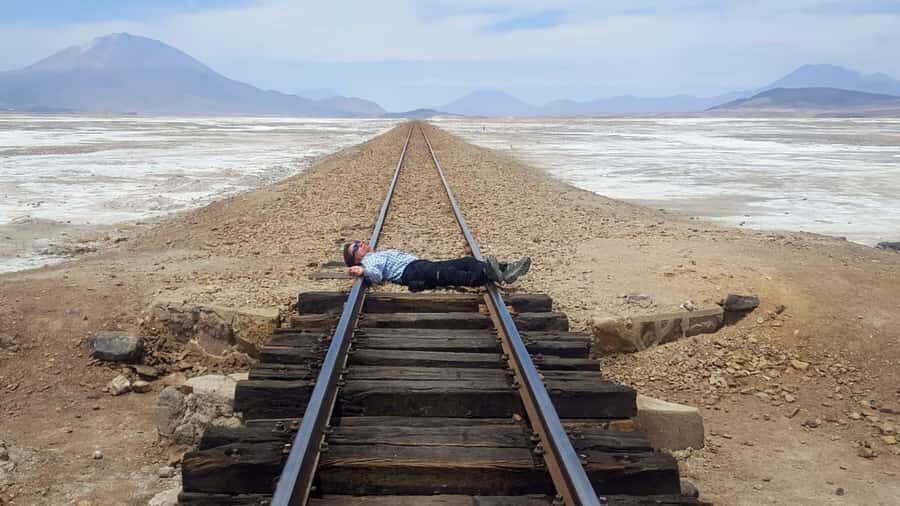
Day 2 is the day where Uyuni stops being theory and becomes a full-sensory place. You’re heading onto the world’s largest salt flat, where the visual scale can feel impossible at first. What makes the salt flat part of this tour especially worth it is the whole structure: you don’t just cruise. You use the 4×4 to access the key stops efficiently, then you get downtime built around the environment—like timing for sunset.
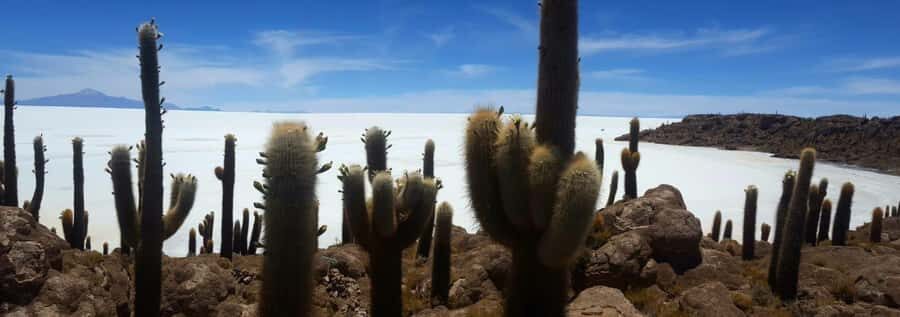
One of the most important stops is Incahuasi Island. It’s known for cactus growth rising out of the salt, which gives you a strong sense of how life adapts even in this extreme environment. It also breaks up the monotone look of pure salt so your photos and your brain get a new reference point.
Then comes the memorable change of pace: a night at Hostal de Sal (Hostal de Sal), with options for double rooms (private double room) as part of what’s included. Staying in a salt hotel is more than a novelty. It’s a way to experience the region’s most iconic material in a literal, indoor setting. You’ll also be in a better position to catch the next day’s rhythm without long travel delays.
The trade-off: comfort is basic but functional, and you’ll want to keep layering up because nighttime temperatures on the altiplano can feel sharp.
Day 3: Colored Lagoons, volcano trekking, Siloli desert, hot springs, and geysers
This is the most “Bolivia” day, even within Bolivia standards. You’re in the altiplano and high-Andean zone where the scenery feels like a science lesson: saline lakes, geothermal energy, and volcano silhouettes that shift with the light.
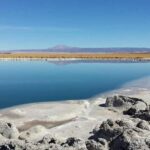
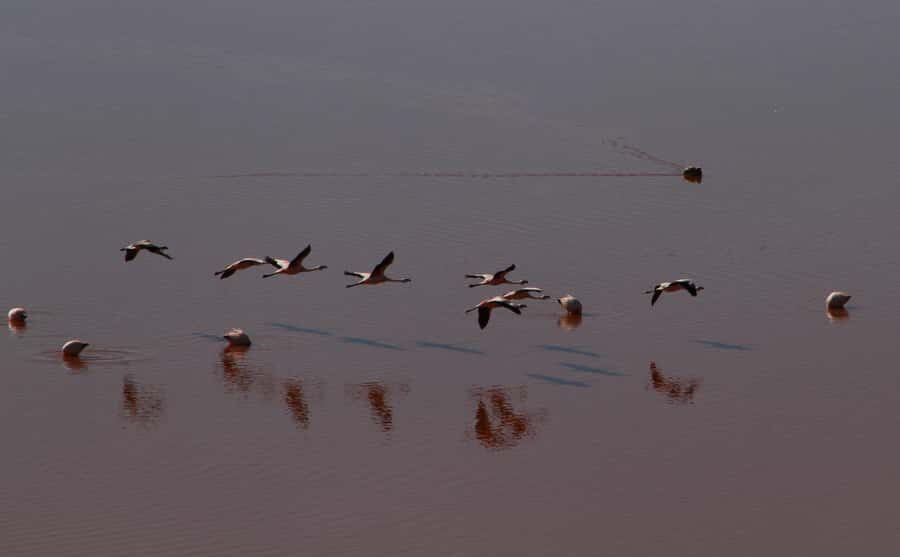
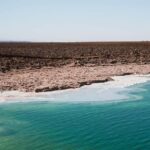
The headline stop is Laguna Colorada, one of the best places on this route to see flamingos. The salty, mineral-rich water and the surrounding highland terrain create the color palette that people come for. It’s also where you’ll want your warm gear ready—time outdoors can stack up.
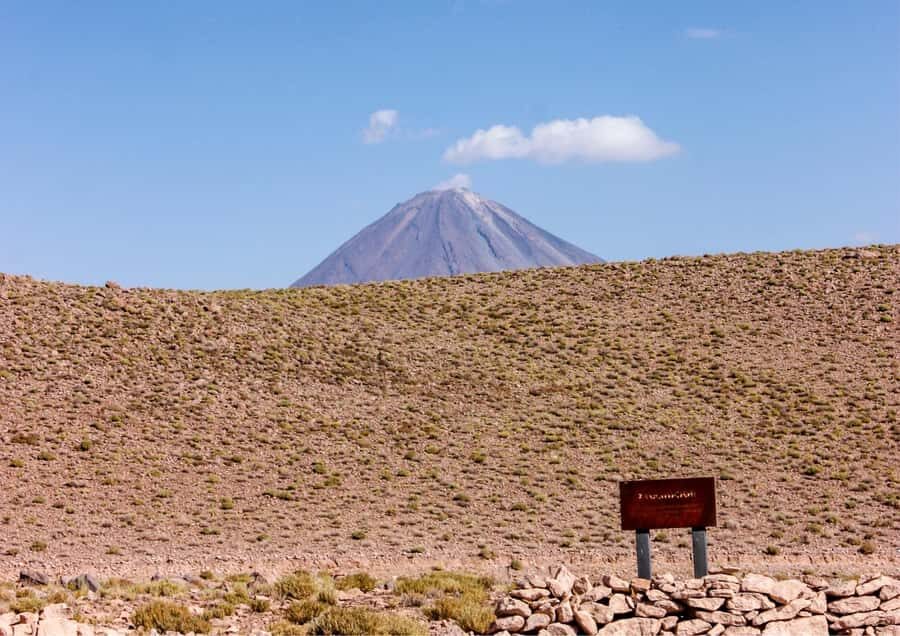
Along the way, the tour includes trekking near volcano country—specifically around Licancabur, Ollague, and Tunupa—at elevations that commonly sit between 3600 and 5000 meters. The trekking part is a real consideration for your fitness and pace. You don’t need to be an athlete, but you do need to be comfortable walking at altitude and keeping your effort steady.
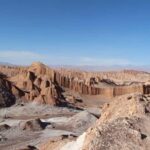
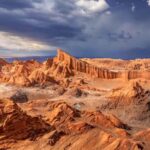
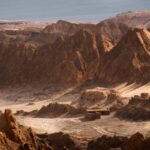
Then the itinerary widens into geothermal and desert zones. You’ll also see the Siloli and Salvador Dali deserts, which give you that stark, sculpted feeling that’s hard to replicate anywhere else. After that, you move to Sol de la Mañana geysers, a field of geothermal activity that can feel both dramatic and strangely ordinary once you get close—like the earth is doing its daily work.
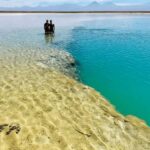
Hot springs and lagoons add a slower pause: you have time at Laguna Polques and Laguna Blanca. That’s a smart contrast day: after trekking and driving, the hot-water reset helps you feel human again, even if your accommodations stay simple.
Hostels, meals, and the bathroom reality on the Altiplano
Comfort on this trip is mostly about staying functional and warm. Here’s what’s included and why it matters:
You’ll have three dinners and four breakfasts, plus three lunches. That’s valuable on a route like this because you won’t be counting on finding meals in remote zones. You also get practical predictability when you’re moving early and changing altitude.
Accommodation nights are split between Villamar family hostel (shared rooms with shared bathrooms for the first and third nights) and Hostal de Sal (double rooms for the second night). If you’re traveling with someone and want the most comfort time, the salt hotel night is the one to look forward to.
Bathrooms and showers are where expectations matter most:
- There are bathrooms on the way for a cost of about 20 Bs (approx.)
- Hot showers are not included, but you can usually pay for them on the second and third nights for about 20 Bs (approx.)
A practical takeaway from experience on tours like this: bring what you’ll need for basic comfort. One review specifically noted communication gaps around what to bring like Bolivian pesos, toilet paper, and towels. Even if you don’t go overboard, you’ll feel calmer if you have small essentials packed and ready.
And if food is your priority, there’s a positive signal here too: the meal program has a vegetarian-friendly score. Still, you should expect simple, hearty Andean meals that match the energy demands of the day.
Price and logistics: what $458 covers, and what you should budget extra
At $458 per person for 4 days, you’re paying for more than sightseeing. You’re paying for cross-border transfers, time on rough roads, and a structured food and lodging package that keeps you from scrambling in remote areas.
What’s included:
- Minibus transfers from San Pedro de Atacama to Hito Cajon and back
- 4×4 transport with a small group (up to 6 per car)
- A driver guide (Spanish / basic English)
- Meals: 4 breakfasts, 3 lunches, 3 dinners
- Two types of accommodation: Villamar family hostel and Hostal de Sal
What costs extra (and can change):
- Eduardo Avaroa Protected Area entrance (150 Bs)
- Laguna Polques hot springs (6 Bs)
- Incahuasi Island entrance (30 Bs)
- Border tax (17 Bs)
Also note the likely add-ons you’ll face:
- Snacks and bottled water
- Bathrooms along the way (around 20 Bs approx.)
- Hot showers (around 20 Bs approx.) on the second and third nights
That’s why I recommend treating the listed price as your base number, then adding a modest buffer for sites, cash needs, and small comforts like water and snacks.
If you’re wondering about value: the price is strongest when you want the whole package—transport + guiding + meals—so you spend your energy on the terrain, not planning.
Altitude reality check and what to pack so you actually enjoy it
Altitude is not a side note on this itinerary. You’re traveling in zones around 3600 to 5000 meters, and the trek area is near volcanoes around 6000 meters like Licancabur, Ollague, and Tunupa. That’s the main reason the tour states it’s not suitable for people with altitude sickness, and it also lists pregnancy and pre-existing medical conditions as not suitable.
Even if you feel fine, treat the day as if your body might need time to adjust. Wear layers you can add or remove quickly. Warm clothing is essential, not optional. Comfortable shoes are a must because trekking and uneven ground can slow you down fast.
From the practical side, pack:
- Passport
- Comfortable shoes
- Warm clothing / layers
- Visa if required
Also, bring extra readiness for cash and small basics. Since entrance fees and some on-the-road services cost extra, having Bolivian pesos on hand helps you avoid stress when you’re already tired.
Who this small-group 4×4 suits best (and who should skip it)
This works best if you like structure but not crowds. The small-group size (limited to 6 participants) helps you keep attention on the guide, and it usually makes the road conditions feel safer and more controlled.
It’s also a good fit if you want variety in one trip:
- salt flats and island scenery
- highland lagoons like Laguna Colorada
- Sol de la Mañana geothermal stops
- hot springs at Laguna Polques and Laguna Blanca
- desert-like stretches such as Siloli and Salvador Dali deserts
If your travel style is mainly about photo stops with minimal walking, this might feel like work on the trek segments. If you have known medical risk, it’s safer to choose a different plan that doesn’t go into these elevations.
One small but helpful detail: the tour is listed as wheelchair accessible. That said, the altitude and the trekking component are still key constraints because the tour is not recommended for altitude sickness or medical conditions.
Should you book this Uyuni Salt Flat and Colored Lagoons adventure?
I’d book it if you want a small-group, guided, food-included version of the Uyuni + Laguna Colorada combo, with real time at the big highlights like Incahuasi Island, Sol de la Mañana geysers, and salt hotel sleeping. The route makes sense for value because you’re paying for transport and meals as much as you’re paying for viewpoints.
I’d skip it if altitude is a question for you, or if you really dislike early starts and walking at high elevation. This trip asks your body to participate.
If you do book, go prepared: layers, comfortable shoes, and some extra cash for the Eduardo Avaroa protected area and hot springs fees will make the experience smoother.
FAQ
How long is the roundtrip Uyuni Salt Flat and Colored Lagoons experience?
It lasts 4 days.
What’s included in the price?
The tour includes transfers by minibus from San Pedro de Atacama to Hito Cajon and back, transport in 4×4 vehicles (up to 6 people per car), a driver guide (Spanish with basic English), accommodations for three nights, and meals (4 breakfasts, 3 lunches, 3 dinners).
What entrance fees or extra costs should I budget for?
Entrance fees are not included and can change. You may need to pay for Eduardo Avaroa Protected Area (150 Bs), Polques Hot Springs (6 Bs), Incahuasi Island (30 Bs), and a border tax (17 Bs). Bathrooms on the way may cost around 20 Bs, and hot showers on the second and third nights may also cost around 20 Bs. Snacks and bottled water are not included.
What’s the pickup situation in San Pedro de Atacama?
Pickup is included, and you should wait in the hotel lobby 30 minutes before your scheduled pickup time. Drivers will wait no longer than 5 minutes after the scheduled pickup time.
What language will the guide speak?
The tour guide is listed as Spanish, and the driver guide is local and speaks Spanish / basic English.
Is this tour suitable for wheelchair users?
It is listed as wheelchair accessible.
Is it suitable for pregnant travelers or people with altitude sickness?
No. It is not suitable for pregnant women, people with altitude sickness, or people with pre-existing medical conditions.