REVIEW · SAN PEDRO DE ATACAMA
San Pedro de Atacama: Astro Tour with big telescopes
Book on GetYourGuide →Operated by aire libre - outdoor experiences · Bookable on GetYourGuide
Two hours, and the sky starts making sense. I really liked the Chakana-shaped setup with the water mirror, and I also loved how the high-end telescopes helped turn pinpricks of light into real celestial objects. You’re out in the Atacama Desert, far from the glow of town, while your guide connects the night sky to both Andean and classic (Greek/Roman) constellations.
The only real drawback is simple: it can get cold fast, and the tour depends on conditions—cloudiness or storms can affect what you see. My guide Lasse made it easy to ask questions and not feel overwhelmed, which matters when you’re staring at the heavens and trying to follow along.
In This Review
- Key things I’d pencil into your night
- Entering the Andean-Chakana Stargazing Setup in the Atacama Desert
- Pickup, Drive, and Why Leaving Town Matters for Your Eyes
- The Star Lesson: Andean Cosmovision Meets Classic Greek/Roman Constellations
- Big Telescopes: What You’ll Actually See Through the Eyepiece
- The Water Mirror and the Light-Sensitive Photo Moment
- Drinks, Comfort, and How the 2 Hours Really Feel
- Language Options: Choose English, French, German, or Spanish
- Price and Value: Is $82 Worth It in San Pedro de Atacama?
- Who This Astro Tour Suits Best (and Who Might Want Something Else)
- Should You Book the San Pedro Astro Tour With Big Telescopes?
- FAQ
- FAQ
- How long is the stargazing tour?
- Where does the tour pick you up and drop you off?
- What’s included besides telescope viewing?
- Can I choose the language of the guide?
- Do I get a photo with the stars?
- What should I bring?
- Is there a toilet available?
- Does the tour run in bad weather?
- Is alcohol allowed?
- Is there private or small-group options?
Key things I’d pencil into your night
- A Chakana (Andean Cross) viewing area with a water-mirror centerpiece that reflects the stars
- Two interpretations of the same sky: Andean cosmovision plus classic Greek/Roman constellations
- High-end professional telescopes for detailed views you can’t get with your eyes alone
- A light-sensitive camera photo moment so you actually end up with a memory, not just screenshots
- Hot drinks and red wine (included) to keep you comfortable while you watch the sky
Entering the Andean-Chakana Stargazing Setup in the Atacama Desert
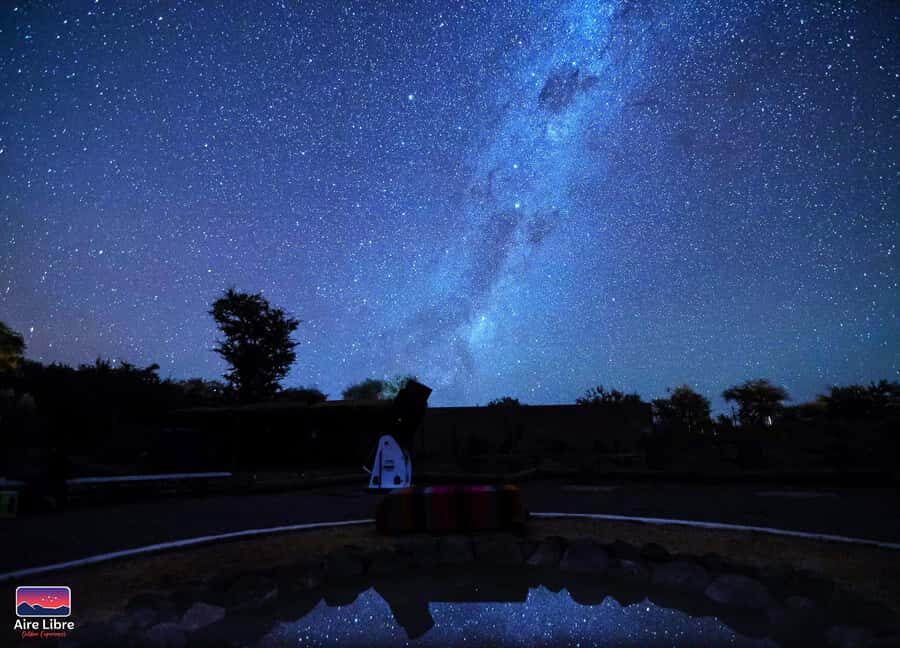
This is a stargazing tour built like a night ritual, not a quick bus-stop astronomy lecture. You’ll be picked up from your accommodation and driven out toward the observation site, arriving to a thoughtfully arranged outdoor area under the sky.
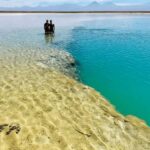
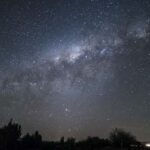
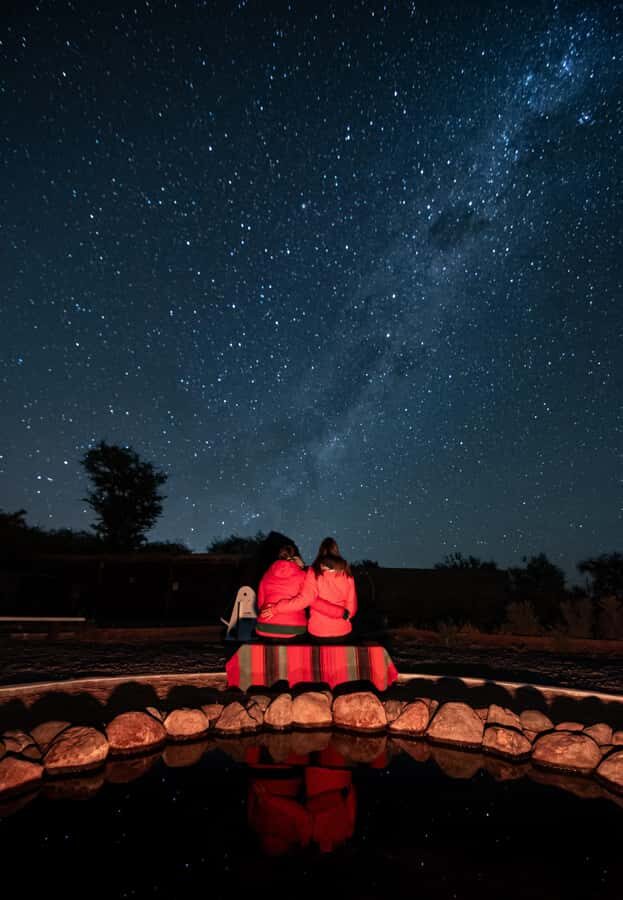
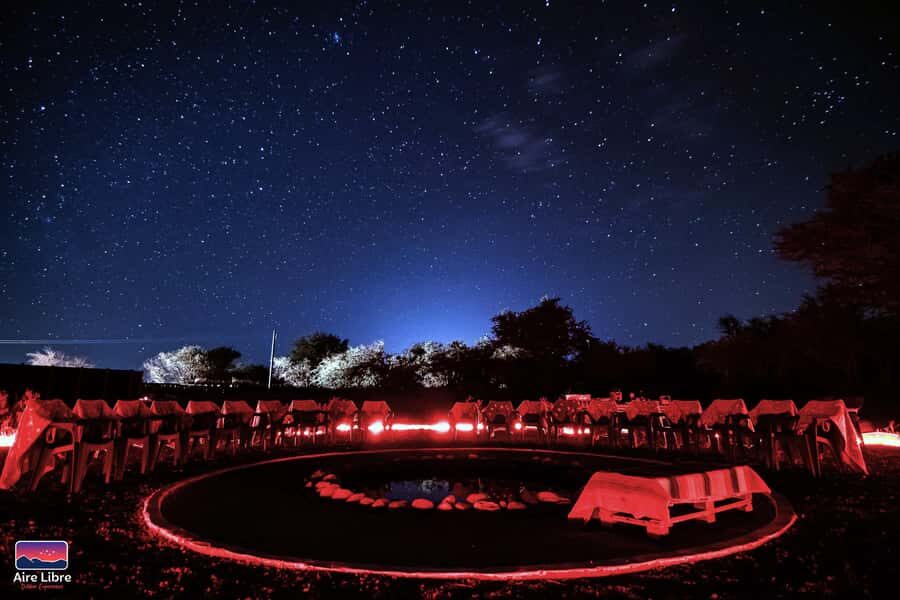
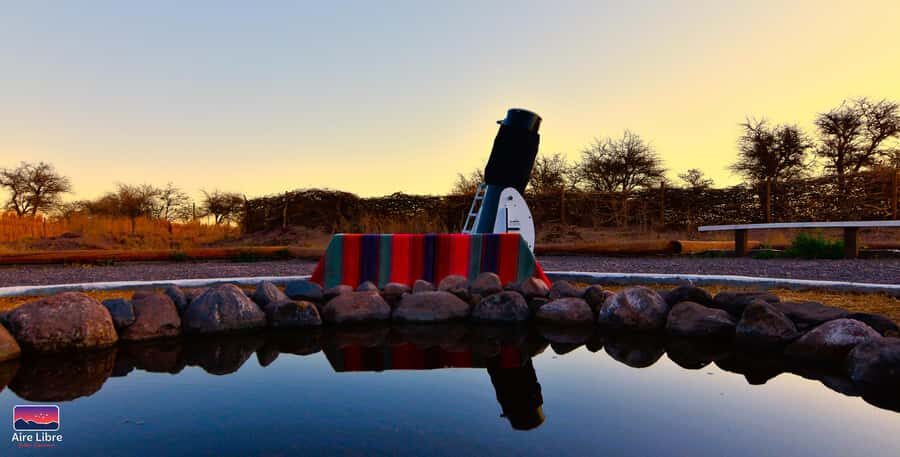
The big visual detail is the Chakana shape (the Andean cross). In the center sits a mirror of water, designed so you can notice the stars not just above you but also reflected back at you. That reflection is more than pretty. It gives you a feel for how indigenous cultures in the Central Andes used mirrors and water as part of how they watched the sky.
Even before anyone points a telescope toward anything, you get that immediate Atacama feeling: dry air, big darkness, and the sense that the night has layers. This is one of those tours where the setting helps you look better, and longer.
You can also read our reviews of more tours and experiences in San Pedro De Atacama.
Pickup, Drive, and Why Leaving Town Matters for Your Eyes
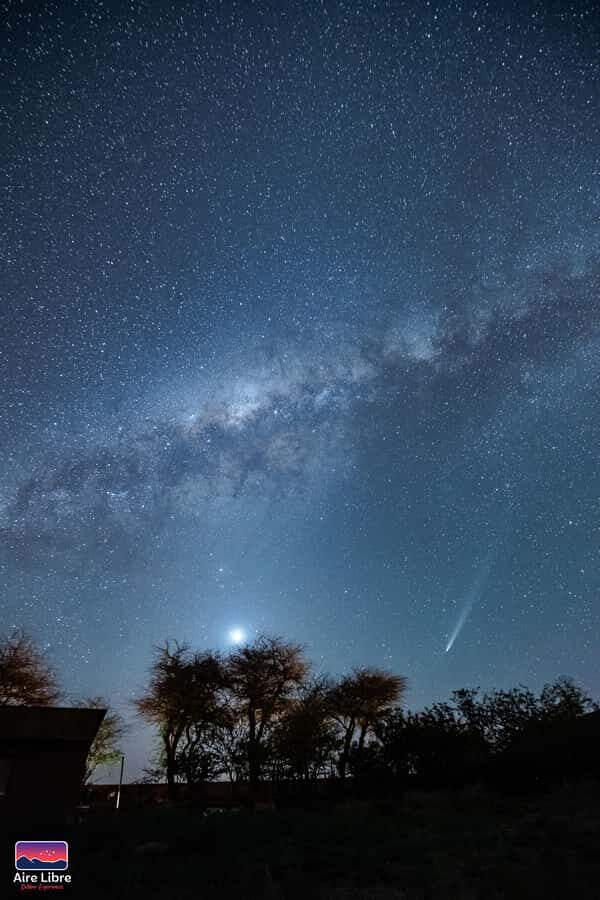
You’re not staying in the bright, busy area of San Pedro de Atacama. The whole point is to get you away from magical-town lighting and into darker skies where stars actually pop.
Logistics are straightforward. Pickup is included, and your driver has your name on a passenger list. The van ride is about 15 minutes each way, so you’re not spending half the night in transit.
There’s a visitor center stage before the main stargazing time, and then you settle into the guided experience for about 2 hours. That timing is good. Long enough to learn something and see multiple celestial targets, not so long that you freeze through your jacket.
Practical tip: even if you’re used to warm days in northern Chile, this is an outdoor evening activity. Wear layers. Comfortable shoes help too, since you’ll likely stand and shift positions as you look up and then move for photos.
The Star Lesson: Andean Cosmovision Meets Classic Greek/Roman Constellations
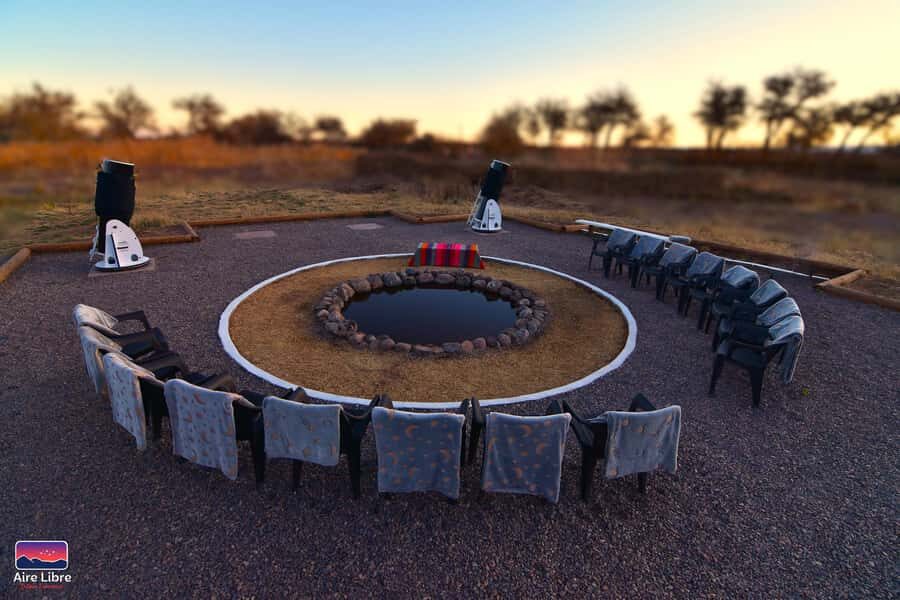
The main brain-teaser (in the best way) is that you’re taught the sky through two different lenses.
First, you learn the Andean cosmovision interpretation of stars and constellations. The guide explains how people in the Andes historically understood patterns in the sky, tying them to a worldview that feels very different from the modern Western approach.
Then you also get the classic European story—Greek/Roman constellations—so you can recognize the sky both ways. This matters because it changes how you look. You stop treating constellations like a static “map,” and start seeing them as a shared human language for making meaning from what’s far away and hard to measure.
A nice detail from my experience reading about the guides is that Lasse (and others on this tour) focuses on making the sky feel approachable. The goal isn’t to dump facts on you. It’s to help you connect to astronomy without getting swamped.
If you’re the type who likes asking questions, this tour’s format supports it. The guide is there in a live setting, answering what people want to know rather than racing ahead.
Big Telescopes: What You’ll Actually See Through the Eyepiece
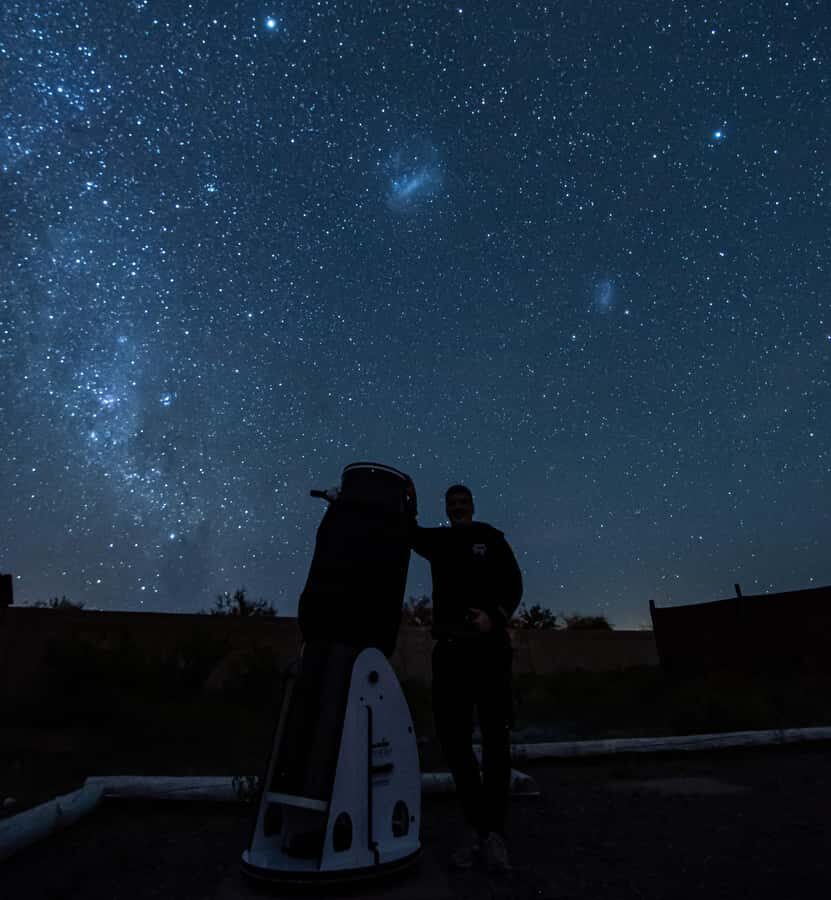
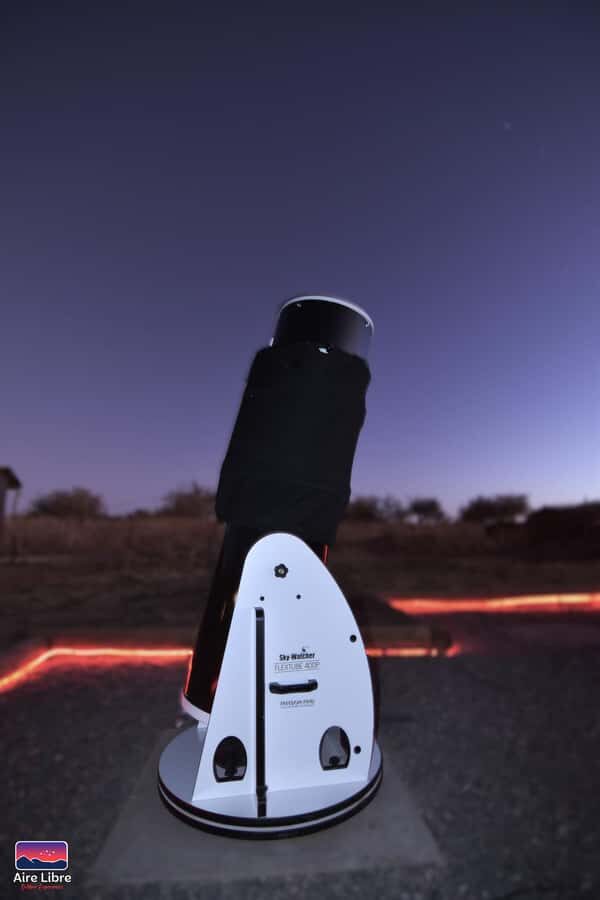
The star talk would be nice on its own, but the star-show piece is the viewing through high-end professional telescopes.
Here’s the practical payoff: with your naked eye, the sky can feel like a lot of dots—beautiful, but vague. With a properly aimed telescope, those dots start becoming objects. You get more structure, more detail, and a better sense of scale.
The tour is designed so you move from:
- naked-eye sky appreciation (constellations and stars)
- to telescope viewing of “most interesting celestial objects”
What counts as “most interesting” depends on what the night sky is offering that evening, but the intent is consistent: you’ll see targets that reward being patient and looking carefully.
If you’re curious but not technical, you’ll be fine. The guide doesn’t need you to memorize star names. You just follow along, look through when it’s your turn, and let your guide explain what you’re seeing in plain terms.
The Water Mirror and the Light-Sensitive Photo Moment
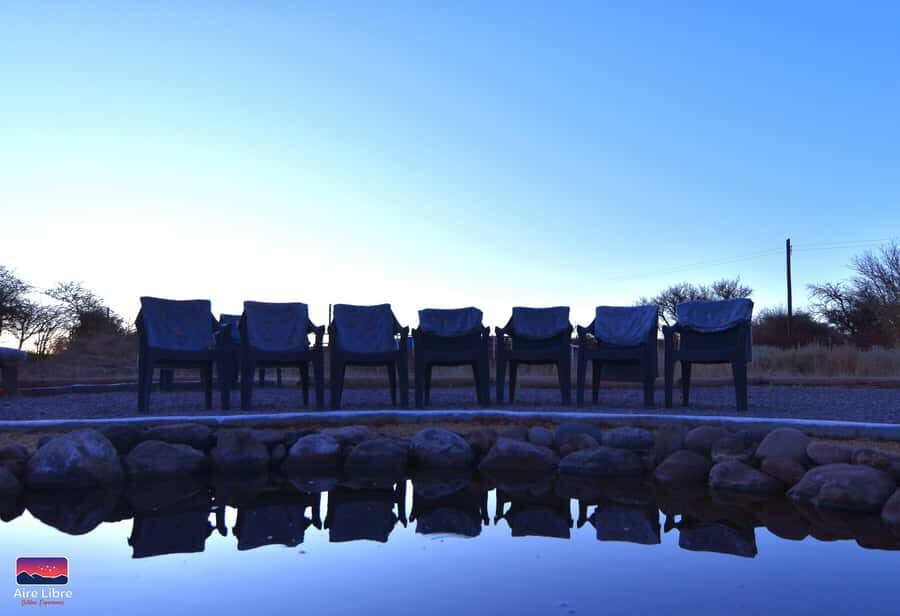
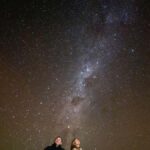
One of the smartest parts of this tour is the photography plan. Instead of hoping you’ll take a decent phone picture in near-total darkness, the experience includes a special light-sensitive camera/lens to take photos of you with the stars.
This matters because stargazing photos are hard. Your phone struggles with low light, long exposure blur, and focusing. A light-sensitive camera approach helps produce images that actually show the scene: stars plus you, not just a black screen with a couple bright points.
And then there’s the water mirror. You’ll have time to contemplate the stars and their reflection in the center of the setup. The visual trick of seeing the same sky both above and below you is a powerful way to slow down. It also makes the photo area feel like part of the experience, not a rushed side quest.
If you hate standing still for photos, don’t worry—you can still take your time looking up. The tour is paced to let you enjoy the view and then switch to the camera moment when ready.
Drinks, Comfort, and How the 2 Hours Really Feel
A practical astronomy truth: you can love the sky, but you still need comfort. This tour includes a snack with hot beverages plus red wine. It’s a small thing, but it helps you stay out longer and pay attention instead of thinking about being chilly.
At the same time, the rules list that alcohol is not allowed and drugs are not allowed. Since red wine is included, I’d treat that as a cue that you should only have what’s offered during the tour and follow the guide’s instructions. If you’re unsure, ask directly on pickup.
Duration is about 2 hours total, including the main guided portion. That means you’re not signing up for an all-night marathon. It’s a good length for first-time stargazers and for people who want something special without losing the next day.
To help you stay comfortable: bring warm clothing. Nights in the desert can be cold, even when daytime temperatures are pleasant.
Also, there’s a toilet available, which is a rare win on night tours.
Language Options: Choose English, French, German, or Spanish
Stargazing gets much better when you can follow the story without translating in your head.
This tour runs with a live guide in English, French, German, or Spanish (the guide is described as certified and multilingual). That’s a big deal. Constellations are easy to misplace when the names or patterns aren’t explained clearly.
If you’re traveling in a small group and want to keep the vibe relaxed, this tour’s language flexibility is a plus.
The overall feel from recent feedback is that the guide makes the material understandable. You’ll likely leave with a couple constellations you can spot on future nights, not just a memory of lights.
Price and Value: Is $82 Worth It in San Pedro de Atacama?
At $82 per person for about 2 hours, you’re paying for four main things:
- A skilled guide who explains both Andean and classic sky interpretations
- Transportation from your lodging out to darker skies and back
- High-end telescopes plus guided target viewing
- A guided photo setup using a light-sensitive camera/lens
If you’ve ever tried to do stargazing yourself in the Atacama, you know the problem: telescopes, expert guidance, and decent photos aren’t cheap to replicate. A tour gives you equipment and attention, not just darkness.
Also, the setting—the Chakana layout and water mirror—adds value that you won’t get from wandering around on your own. You’re not only buying a telescope view. You’re buying a guided way of learning what you’re seeing, while capturing it.
One more value point: there are private or small group options. If you hate big crowds and you want a calmer pace for questions and photos, small groups can be worth it even if the base price is the same.
Who This Astro Tour Suits Best (and Who Might Want Something Else)
This tour is a strong fit if you want:
- a first stargazing experience in the Atacama with guided context
- a night that’s more than looking up at random stars
- a mix of culture and astronomy, with both Andean and Greek/Roman explanations
- telescope time plus professional-style photos
It’s also a good choice if you travel with someone who isn’t super into science. The guide’s job is to make the sky understandable, and the format supports questions.
Where you might think twice:
- If you’re extremely sensitive to cold, plan to dress like it’s winter. This is outdoors, and the night sky timing is fixed.
- If you only want one thing—like just photography or just casual stargazing—this tour gives you a full program. That can be ideal, but it’s still structured.
And remember: it’s subject to weather conditions. Cloudiness or storms can affect what you see.
Should You Book the San Pedro Astro Tour With Big Telescopes?
If you want a night in the Atacama that feels guided, meaningful, and visually memorable, I’d book this. The big reasons are the combination of Andean cosmovision + classic constellation teaching, the telescope viewing, and the fact that you get a proper night-sky photo without stressing over your camera settings.
One final check before you go: pack warm layers and be ready for cold desert air. If the sky is clear, this tour is exactly the kind of structured stargazing experience that makes the night feel personal, not generic.
FAQ
FAQ
How long is the stargazing tour?
The tour lasts about 2 hours.
Where does the tour pick you up and drop you off?
Pickup and drop-off are included, and you’ll be collected from your hotel, Airbnb, or housing. There are also pickup location options listed around Tocopilla 517, and your name is on a passenger list. Drop-off returns you to San Pedro de Atacama, Tocopilla 517.
What’s included besides telescope viewing?
You get naked-eye constellation and star observation, Andean cosmovision, viewing with high-end professional telescopes, a snack with hot beverages and red wine, and night photography using a light-sensitive camera/lens.
Can I choose the language of the guide?
Yes. Live tour guide languages include French, German, Spanish, and English.
Do I get a photo with the stars?
Yes. A light-sensitive camera/lens is used to take pictures of you with the stars.
What should I bring?
Bring comfortable shoes and warm clothing, since desert nights can get cold.
Is there a toilet available?
Yes, there is a toilet available.
Does the tour run in bad weather?
The activity is subject to weather conditions, including cloudiness or storm.
Is alcohol allowed?
The information includes a snack with red wine, but it also lists alcohol as not allowed. Follow the tour guidance on what you can have during the experience.
Is there private or small-group options?
Yes, the experience offers private or small groups.