REVIEW · SAN PEDRO DE ATACAMA
San Pedro de Atacama: El Tatio Geysers & Machuca Lagoon Trip
Book on GetYourGuide →Operated by Exploor Trip E.R.L · Bookable on GetYourGuide
El Tatio at sunrise is unreal in a way charts can’t explain. This 7-hour trip from San Pedro de Atacama takes you into Chile’s top geothermal zone, then pairs it with a peaceful stop at Machuca Lagoon where highland birds hang out. You get bus transport plus a guided morning built around when the geysers are most active.
What I like most is the sheer scale: you’ll see steam rising from more than 100 small craters across a field considered the third largest in the world. I also appreciate the pacing and comfort factor—after a roughly hour and a half on foot, you slow down for a real breakfast (tea or juice, sandwiches, cookies, yogurt, and fruit) while you watch the geothermal show.
One drawback to think about is timing. This kind of sunrise outing often means very early pickup, and I learned that pickup details may come by text late the night before (for at least one 4am pickup), so keep your phone handy and don’t assume you’ll get info the week-of.
In This Review
- Key highlights you’ll remember
- El Tatio and Machuca: why this combo works in the Atacama
- The 7-hour timeline from San Pedro de Atacama (and what to plan for)
- Entering El Tatio: steam, thermal pools, and a field with real scale
- Breakfast with sunrise viewing: simple food, good timing
- The walk to the geysers: how the hour and a half shapes your experience
- Machuca Lagoon after El Tatio: birds in a highland wetland
- What’s included (and what you’ll pay separately)
- Bus transport and guide style: language, timing, and morning structure
- Who should book this tour, and who might skip it
- Should you book the San Pedro: El Tatio & Machuca Lagoon trip?
- FAQ
- What is the duration of the San Pedro de Atacama: El Tatio Geysers & Machuca Lagoon trip?
- Where does this tour operate?
- What does the $60 per person price include?
- Is the El Tatio entrance fee included?
- What language is the tour guide?
- How long do you walk before reaching El Tatio?
- What will I see at El Tatio?
- What is Machuca Lagoon like in this tour?
- When will the tour end back in San Pedro de Atacama?
Key highlights you’ll remember
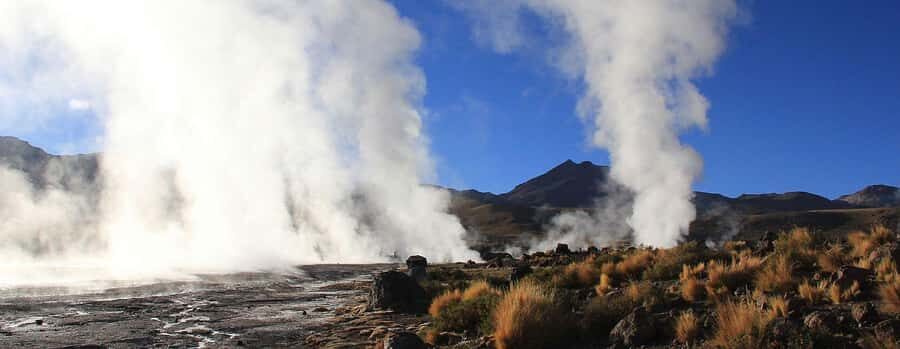
- El Tatio geothermal field at over 4,000 meters, with constant steam from 100+ small craters
- Sunrise timing paired with breakfast, so the morning feels both dramatic and practical
- Thermal pools and close viewing as you walk through the geyser area
- Machuca Lagoon birdwatching, with flamingos and ducks in the wetland
- Guided tour in English or Spanish with bus transport included
El Tatio and Machuca: why this combo works in the Atacama
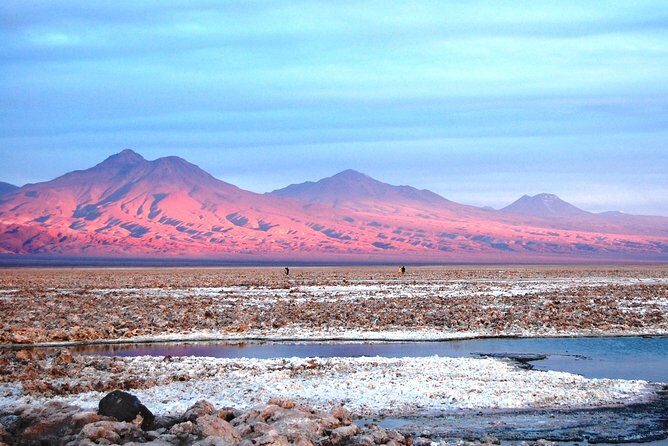
This trip is a smart two-part day. First comes El Tatio, the big geothermal moment near San Pedro de Atacama. Then you trade steam, altitude, and camera bursts for something calmer at Machuca Lagoon, a wetland environment where birds like flamingos and ducks show up.
That mix is exactly why this tour makes sense for many visitors. You’re not just ticking off a famous sight. You’re experiencing two very different sides of North Chile in one morning: high-energy geothermal activity followed by a quiet bird-and-wetland pause.
Also, El Tatio is not a small stop. It’s Chile’s most important geothermal activity zone and the third largest geyser field in the world. When you understand that, you stop thinking of it as a quick look and start treating it like a place with scale and rhythm.
You can also read our reviews of more tours and experiences in San Pedro De Atacama.

The 7-hour timeline from San Pedro de Atacama (and what to plan for)
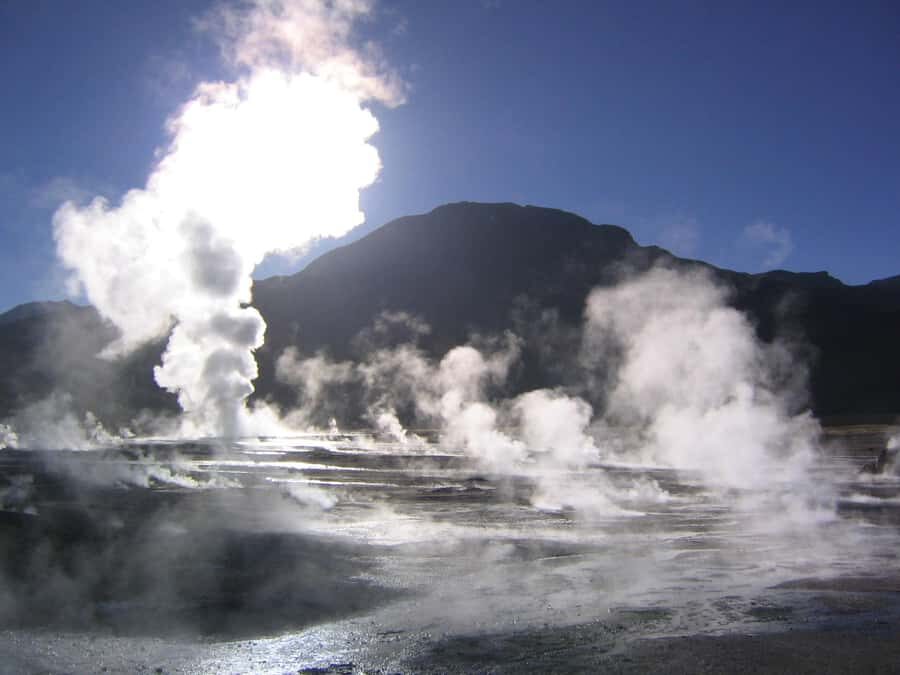
The flow is straightforward, but the early-morning structure matters. You’ll meet in San Pedro de Atacama and head toward El Tatio, Chile’s key geothermal area. After about an hour and a half of walking, you reach the geyser field sitting above 4,000 meters.
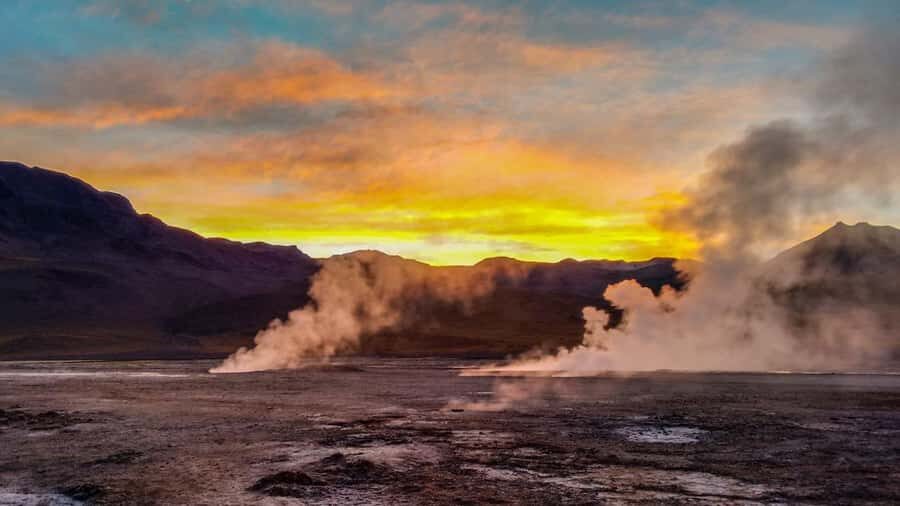
Once you’re there, the visit is built around sunrise. You’ll watch constant steam eruptions from the network of small craters while you take in the geothermal activity. After that, you leave the geyser area for the next stop: Machuca Lagoon.
At the end, you’ll be taken back to San Pedro de Atacama, arriving roughly between 11:30 and 12:00 noon at the town’s central square or another central pickup/drop-off point.
Practical takeaway: because you’re walking for around 90 minutes as part of the main experience, your day is not just a bus ride. It’s a morning outing that asks you to get comfortable moving on your feet.
Entering El Tatio: steam, thermal pools, and a field with real scale
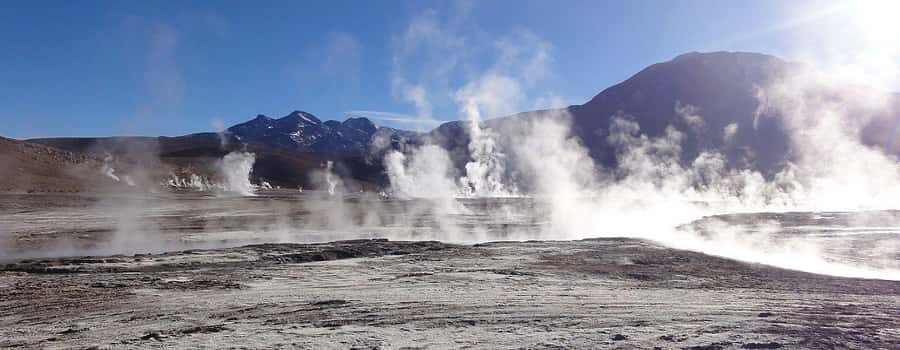
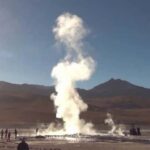
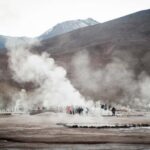
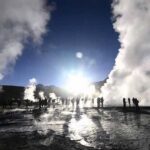
El Tatio is known for its constant steam. In this area, you’ll see eruptions from more than 100 small craters, spread across a field that’s considered the third largest in the world. That detail changes how you should view it. You’re not waiting for one main eruption. You’re watching many small events happening around you.
You’ll also get time to walk near the thermal pools. That’s where the experience shifts from distant viewing to something more grounded and immediate. You’re physically moving alongside the geothermal features rather than only stopping at a single viewpoint.
One thing I appreciate about tours like this is that the pacing fits the goal. The sunrise timing and breakfast plan mean you’re not stuck either rushing through or spending the whole morning only hunting the best photo angle. Instead, you get a slow rhythm: walk in, watch and contemplate at sunrise, then eat.
Breakfast with sunrise viewing: simple food, good timing
This is one of the quietly valuable parts. You’ll enjoy breakfast during the geyser viewing, with tea or juice plus a mix of items like sandwiches, cookies, yogurt, and fruit.
Why that matters: sunrise starts the day fast, and El Tatio is an early, active stop. Having food included means you don’t spend the morning searching for a café or paying premium prices before you even see the geysers. It also keeps your energy steady for the walking portion and the viewing time after you arrive.
It’s also a nice way to slow your brain down. Watching steam and eruptions all at once can feel intense. The break for breakfast turns it into something you can experience, not just survive.
The walk to the geysers: how the hour and a half shapes your experience
The itinerary includes about an hour and a half of walking on the way to El Tatio. That doesn’t mean you’ll be trekking for hours. But it does mean the tour is not designed for a “mostly sit and look” day.
This matters for a couple reasons:
- You’ll want to manage your energy early, since the walk is part of the schedule before you even reach the main geothermal field.
- Your comfort level with uneven terrain and altitude isn’t discussed in the tour details, so I’d treat this as a moderate walking requirement rather than a casual stroll.
If you like hands-on sightseeing—moving through a place while you take it in—you’ll probably enjoy this format. If you prefer minimal walking, you may find the pace less comfortable than you hoped.


Machuca Lagoon after El Tatio: birds in a highland wetland
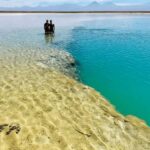
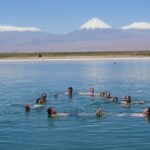
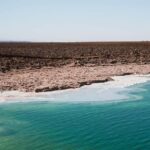
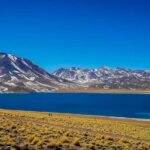
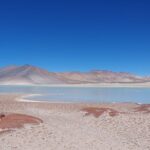
Once you leave the geyser field, you head to Machuca Lagoon. This stop is about a different kind of nature show: a wetland with highland birds.
The tour specifically mentions seeing birds like flamingos and ducks. That’s a strong clue that Machuca Lagoon is not just a scenic pause. It’s a real birdwatching and habitat stop where the wetland conditions bring animals into view.
For me, this second half works because it balances the morning. El Tatio is loud in a natural way—steam, motion, and constant eruptions. Machuca Lagoon is calmer. It lets your eyes reset, and it gives you a second set of memories beyond geothermal steam.
If you’re into photography, you’ll likely enjoy the variety of textures and light between the two settings. If you’re more into wildlife, this is the moment to focus less on buildings and more on behavior—who’s feeding, where they’re standing, and how they move.
What’s included (and what you’ll pay separately)
The tour price is listed as $60 per person for a 7-hour outing. Included are bus transport, a live tour guide (offered in English or Spanish), and breakfast.
The separate cost is important: entrance to the El Tatio geysers is not included. The listed entrance fee is 15,000 CL$ per person (shown as 14.20 €).
So how do you judge value here? You’re not only paying for access. You’re paying for guided time at El Tatio, the transport from San Pedro, and breakfast during the main viewing period. The entrance fee is the main “add-on” you must plan for, but the rest of the essentials are handled.
If you were trying to DIY this day, you’d likely still spend money on transport and timing, and you’d still need a plan for breakfast. Here, the breakfast is built into the schedule, which reduces friction.
Bus transport and guide style: language, timing, and morning structure
This is a guided experience with a live tour guide in English or Spanish. That matters because the geothermal viewing area can be confusing if you’re trying to figure out what you’re looking at on your own.
A guide helps you connect what you see to what it means, especially with a site like El Tatio where you’re surrounded by many small craters and constant steam. Even with excellent photos, you’ll get more value from having someone help you interpret the activity.
Timing is the other big factor. The day is set up around sunrise viewing. That’s not random scheduling—it’s part of why the day is built this way. Sunrise also tends to make tours feel more structured and focused, since you’re working toward a specific moment rather than drifting.
One small practical note from an available scheduling experience: pickup info might arrive via text the night before (one case referenced a 10:30 text for a 4am pickup). That’s not something you can control, but it’s something you can prepare for by keeping your phone available and charging the day before.
Who should book this tour, and who might skip it
I’d steer you toward this tour if you want a classic Atacama morning with two real themes: geothermal activity and highland wetland birds. It’s also a good fit if you like structured sightseeing where breakfast and viewing are timed together, not squeezed in after the fact.
You might consider skipping if you’re not comfortable with a schedule that includes about 90 minutes of walking before you reach the main geyser field. If your ideal day is mostly sitting or minimal movement, this could feel more effort than you want.
Also, it’s a good option for couples, friends, and solo travelers who want a guided group format without complexity. The itinerary is simple to follow: San Pedro to El Tatio, then Machuca Lagoon, then back to town by late morning.
Should you book the San Pedro: El Tatio & Machuca Lagoon trip?
If you’re doing Atacama for the big nature moments—geothermal steam and birdlife—this is a strong pick. The price-to-inclusions ratio is decent because bus transport and breakfast are covered, and the itinerary hits two major areas in one go.
Book it if:
- You’re excited by El Tatio’s scale and constant steam from 100+ craters
- You like sunrise experiences that are planned, not improvised
- You also want a second stop that’s calmer and different (Machuca Lagoon and birds)
Think twice if:
- You’d rather avoid an outing that includes around an hour and a half of walking
- You don’t want early-morning uncertainty around pickup details, especially if your phone won’t be available the night before
Bottom line: if you can handle the walking and the early start, this tour offers good value for a 7-hour morning that’s genuinely focused. Just budget for the 15,000 CL$ El Tatio entrance fee, and go in ready to watch more than one eruption at a time.
FAQ
What is the duration of the San Pedro de Atacama: El Tatio Geysers & Machuca Lagoon trip?
The tour lasts 7 hours.
Where does this tour operate?
It operates in North Chile from San Pedro de Atacama, visiting El Tatio and Machuca Lagoon.
What does the $60 per person price include?
It includes bus transportation, a live tour guide (English or Spanish), and breakfast.
Is the El Tatio entrance fee included?
No. El Tatio geyser entrance is not included and costs 15,000 CL$ per person (listed as 14.20 €).
What language is the tour guide?
The tour offers live guidance in English and Spanish.
How long do you walk before reaching El Tatio?
The itinerary includes approximately an hour and a half of walking to reach the El Tatio geyser field.
What will I see at El Tatio?
You’ll see geothermal steam eruptions from more than 100 small craters in Chile’s most important geothermal activity zone.
What is Machuca Lagoon like in this tour?
Machuca Lagoon is a wetland where you can see highland birds, including flamingos and ducks.
When will the tour end back in San Pedro de Atacama?
You’ll return to San Pedro de Atacama and arrive between 11:30 and 12:00 noon, at the town’s central square or another central meeting point.