REVIEW · SANTIAGO
“Tour Tradicional” Viña Cousiño Macul Oficial portugués
Book on Viator →Operated by Cousino Macul · Bookable on Viator
A short walk with big winery stories. I love the human, family-style welcome and the way the tour connects vineyard work to real history. The highlight for me is the underground bodega and old wine-making spaces, all paired with a three-wine tasting. One possible drawback: this is a packed, 1 hour 15 minutes experience, so if you want lots of extra time in each room, you might feel slightly rushed.
This is also a good pick if you like wine tours that feel less like a script and more like a conversation. You’ll get a guided stroll through the main historic areas of Viña Cousiño Macul, plus time to learn what makes the wines and the estate special. Expect a small group (up to 20) and a tour in Portuguese, with guides praised for being warm, clear, and attentive—names you may meet include Leonardo Farfan, Melissa, Jordana, Jairo, Cleiton, Amaro, and Valentina.
For logistics, I liked that it’s easy to access for most people and uses a mobile ticket. The meeting point is in Peñalolén (Av. Quilín 7100), and the tour ends back where you start. If the weather turns, the experience can be rescheduled or refunded, so plan for flexibility.
In This Review
- Key things to know before you go
- A boutique winery feel in the Santiago area
- What you actually do in 1 hour 15 minutes
- The historic stops that give this tour its character
- 19th-century tanks and the story they carry
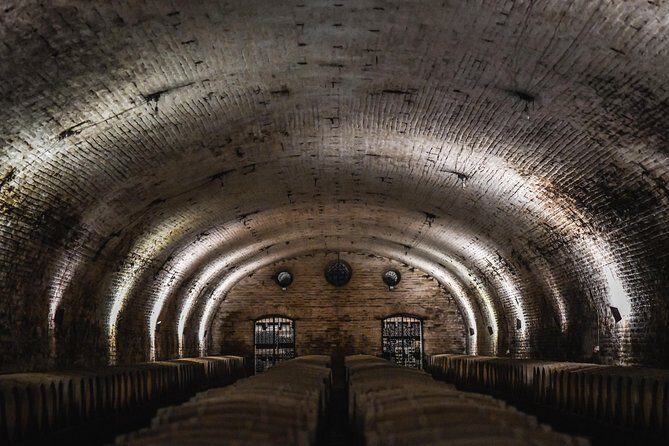
- Century-old cellars and the museum stop
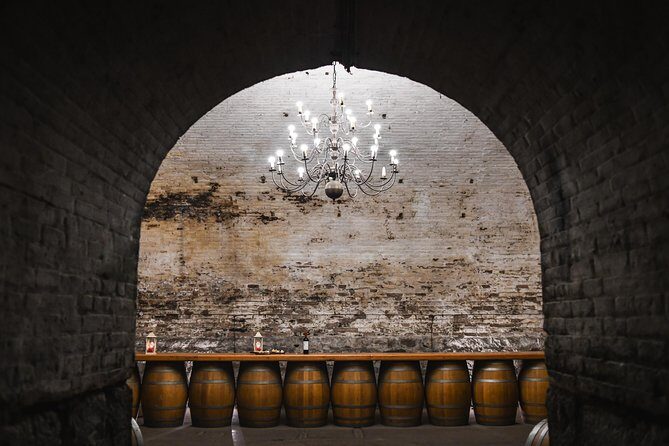
- The underground bodega: the stop people remember
- How sustainability fits in
- The wine tasting: three glasses and a simple structure
- Guides in Portuguese make the visit feel personal
- Easy access in Peñalolén, with a clear start point
- How to judge value: $26 for a structured, memorable visit
- Who this tour suits best
- Quick tips to make your tour smoother
- Should you book the Tour Tradicional in Portuguese?
- FAQ
- FAQ
- How long is the Tour Tradicional at Viña Cousiño Macul?
- Is the tour available in Portuguese?
- How much wine is included in the tasting?
- What is the price per person?
- Where do I meet for the tour?
- What size group is this tour?
- Is mobile ticketing used?
- What if the weather is bad?
- What is the cancellation policy?
Key things to know before you go
- Portuguese-guided walking tour focused on the Cousiño family and how the winery works
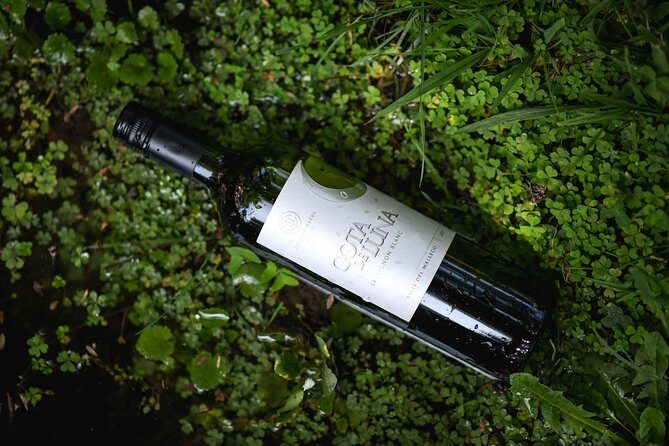
- Three wine tastings during the tour, with a welcome toast included in many visits
- Historic stops like 19th-century tanks, century-old cellars, a museum, and an underground bodega
- Small group size (maximum 20) for a more personal pace
- Close-to-Santiago setting with easy public transport access and a start point in Peñalolén
- Sustainability is part of the story, not just a side note
A boutique winery feel in the Santiago area
Viña Cousiño Macul is a boutique operation, right in the Santiago region—not a remote day trip where you only see buses and gift shops. What makes this tour appealing is the tone: they clearly aim for a more human, familiar visit, and it shows in how guides handle questions and pace the group.
The estate’s long family timeline matters too. You’ll hear how more than 150 years of Cousiño family involvement shaped both the approach to hospitality and the way wine is made on-site. That’s a good difference from tours that focus only on production equipment. Here, the “why” is woven into the “how.”
One more practical win: many people like that it’s a cosy viña experience without feeling lost in a huge complex. Even though you’re touring multiple historic areas, it stays organized and comfortable for a short visit.
You can also read our reviews of more tours and experiences in Santiago.



What you actually do in 1 hour 15 minutes
This is a walking tour through the main historical and production highlights, with a curated path that fits into about 75 minutes. The structure is simple: move through key areas of the property, get explanations along the way, then taste wine as part of the flow.
Here’s the kind of sequence you can expect:
- A welcome and an introduction to the Cousiño Macul story
- A walk past important points tied to the estate’s history
- Time in or near spaces connected to wine-making from earlier eras
- Visits related to the winery’s current production focus
- A finish back near the start point after the tasting and historic stops
The big value is that the tour isn’t just “here’s a cellar.” You learn how the vineyard and its practices connect to what you’re tasting, and you see specific rooms that relate to different eras of production. It’s the right length for travelers who want to fit wine into a busy Santiago itinerary.
Potential catch: because it’s a short tour, you’ll move quickly between stops. If you’re the type who likes standing still for 20 minutes in the same room to take notes and photos, this might feel time-tight. Still, it’s long enough to leave with a clear picture of what makes Cousiño Macul distinct.
The historic stops that give this tour its character
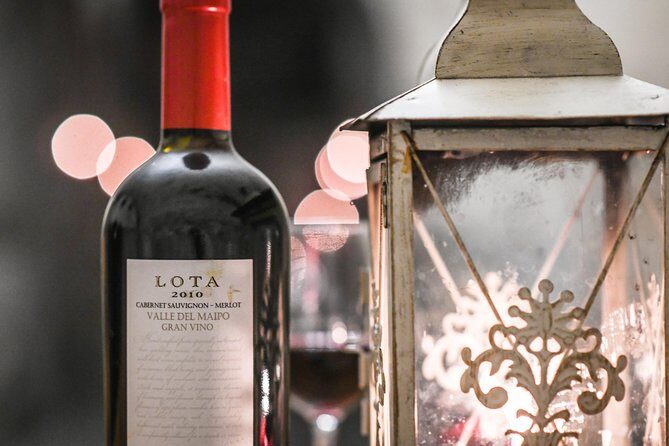
The strongest part of the experience is how the tour uses the estate’s physical spaces to tell a story. Instead of only showing modern highlights, the walk includes older elements that make the winery feel lived-in and genuine.
19th-century tanks and the story they carry
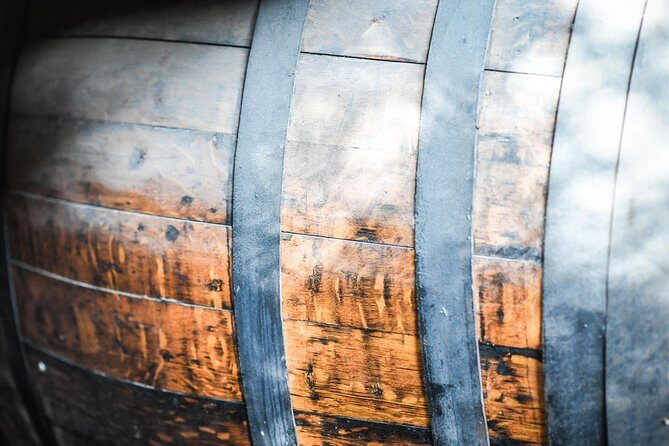
You’ll visit or learn about tanks that produced wines in the 19th century. This matters because it reframes old winemaking as something practical and technical, not just decorative history. You get context for how the winery evolved while staying tied to the same family legacy.
Century-old cellars and the museum stop
You’ll also see centenarian cellars and a museum connected to the winery’s heritage. The museum piece can be especially useful if you want to understand the family and production philosophy without needing extra reading later.


The underground bodega: the stop people remember
A major standout is the underground bodega. Even if you’re not a hardcore wine nerd, this is the kind of place that creates a quick wow moment because it’s atmospheric and purpose-built for aging. More than one guide route emphasizes it as a showpiece, and it’s often what you’ll remember after the tasting.
How sustainability fits in
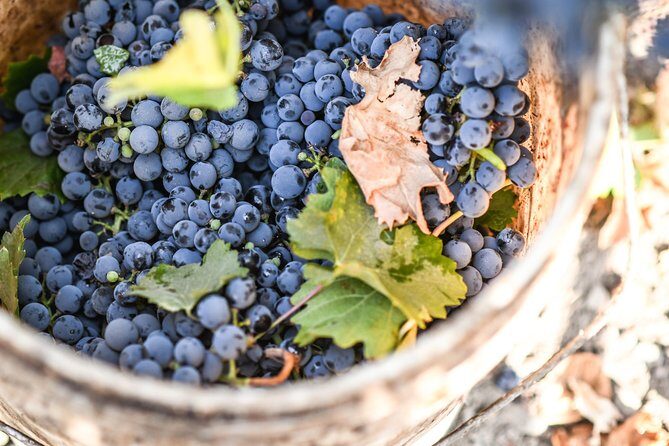
The tour also covers the vineyard and its sustainable practices. For me, that’s important because it prevents the experience from becoming only nostalgia. You’re seeing the past, but you’re also getting a basic sense of how the estate thinks about today’s growing conditions.
The wine tasting: three glasses and a simple structure
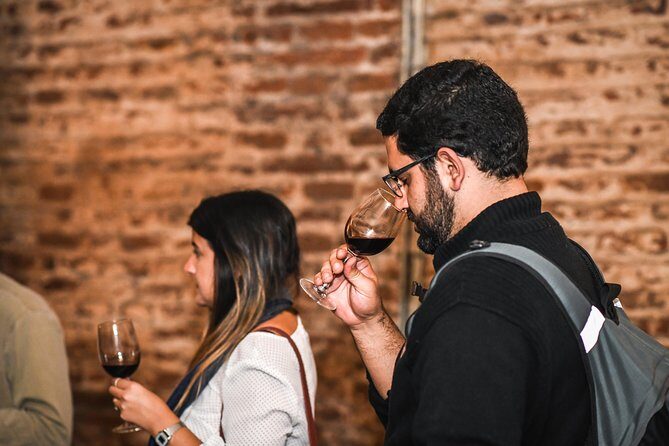
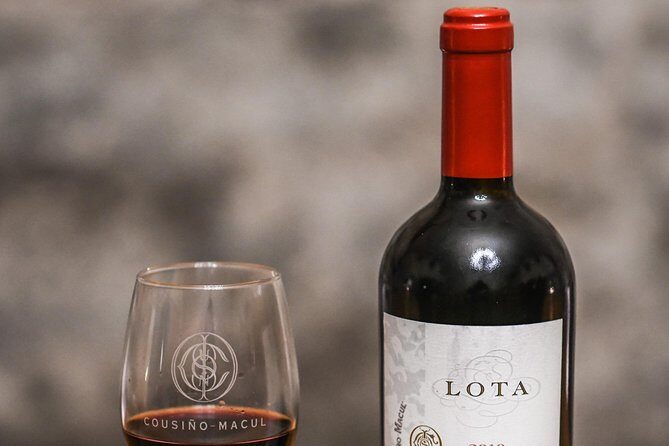
The Tour Tradicional includes a tasting of three wine glasses. This is a very practical number for a first visit: enough variety to understand the winery style, but not so much wine that the tour turns into a blur.
You’ll taste while you’re already learning the context—tanks, cellars, and the underground bodega—so the wines aren’t floating in a vacuum. You can connect what you saw and what you poured.
Many visits also include a welcome toast when you arrive. It’s a small thing, but it helps the tour feel like an event, not a fast transaction at the counter.
What to watch for as you taste:
- Pay attention to how the guide explains aromas and texture in plain language
- Ask one follow-up question if something clicks for you (you’ll get clearer answers while things are fresh)
- If you’re sensitive to wine, pace yourself. The group stays together, and you don’t want to lose the thread of the historic stops
Guides in Portuguese make the visit feel personal
This is an official Portuguese tour, and the best part is how the language shapes the experience. When guides speak in your language, you don’t just understand facts—you get the tone of storytelling too.
Several guide names come up again and again in Portuguese-guided experiences: Leonardo Farfan, Jordana, Melissa, Jairo, Cleiton, Amaro, Valentina, plus support and service team members like Tiago and Alisson. You’ll see the same theme regardless of who guides: attentive hosting, clear explanations, and a friendly style that makes questions feel normal.
If you care about learning wine without feeling intimidated, this is the sweet spot. You can talk about history, sustainability, and winemaking without needing prior knowledge. And because the group stays small (maximum 20), you’re less likely to get lost in a sea of people.
Easy access in Peñalolén, with a clear start point
The meeting point is Av. Quilín 7100, 7921077 Peñalolén, Región Metropolitana, Chile. The tour ends back at the meeting point, so you don’t have to plan a complex return.
Why I like the location: it’s in Santiago’s orbit, and it’s described as near public transportation. That matters when you’re bouncing between neighborhoods and don’t want to burn half your day figuring out last-mile logistics.
Also, the tour uses a mobile ticket, which is helpful if you’re juggling maps, transit apps, and reservation screenshots during a busy trip.
Group size is kept small (up to 20), which tends to make the flow smoother. You’re not waiting forever for everyone to catch up, and your guide can keep attention on the main story points.
How to judge value: $26 for a structured, memorable visit
At $26 per person, this tour feels priced for real-world value. Here’s what you’re paying for:
- A guided walk through multiple historic-production spaces
- Context about vineyard practices and sustainability
- A museum and century-old cellars/tanks component
- Three wine tastings during the tour
- An atmosphere described as cozy and family-like, not corporate
It’s not a half-day excursion, and it won’t replace a longer deep-dive winery trip. But that’s also the point. If you want a solid first look at Cousiño Macul and a tasting with meaningful context, this is a smart use of time.
If you’re trying to choose between doing this and something else in Santiago, I’d treat it like a high-impact “wine primer” that pays off later. You’ll taste wines with a better mental map of the estate and its heritage.
Who this tour suits best
This tour is especially good for:
- First-time visitors to Chilean wineries who want a quick, well-structured experience
- Travelers who prefer Portuguese and want explanations in their own language
- People who like history that’s tied to actual wine-making spaces, like the underground bodega and older cellars
- Anyone who wants an easy win in the Santiago area without long travel time
It’s also a good option if your schedule is tight. The total time is short, and the route is designed to fit into your day.
Quick tips to make your tour smoother
A few things I’d do to get the most out of it:
- Wear comfortable shoes. You’re walking through multiple areas.
- Bring a light layer if you’re sensitive to temperature changes in older stone spaces like cellars.
- If you really like a wine, ask what pairs with it. Guides usually give more useful direction right after tasting.
- If weather is questionable, have a flexible plan the rest of the day. The experience depends on good conditions.
Should you book the Tour Tradicional in Portuguese?
If you want a winery visit that feels warm, organized, and historically grounded, I’d book this. The combination of Portuguese guiding, a small group size, and stops like 19th-century tanks, century-old cellars, a museum, and the underground bodega makes it more memorable than the average quick tasting.
It’s also a strong value at $26 because you’re paying for structure: you don’t just taste—you learn where those wines come from and why the estate is proud of its continuity.
Just go in knowing it’s not a slow, leisurely day. If you’re hoping for hours of free wandering, choose a longer option instead. For a focused 75-minute experience, this is exactly the kind of tour that leaves you feeling informed and happily satisfied.
FAQ
FAQ
How long is the Tour Tradicional at Viña Cousiño Macul?
It lasts about 1 hour 15 minutes.
Is the tour available in Portuguese?
Yes. This experience is listed as an official Portuguese tour.
How much wine is included in the tasting?
The tour includes a tasting of three wine glasses.
What is the price per person?
The price is $26.00 per person.
Where do I meet for the tour?
You meet at Av. Quilín 7100, 7921077 Peñalolén, Región Metropolitana, Chile.
What size group is this tour?
The tour has a maximum of 20 travelers.
Is mobile ticketing used?
Yes, the tour uses a mobile ticket.
What if the weather is bad?
The experience requires good weather. If it’s canceled due to poor weather, you’ll be offered a different date or a full refund.
What is the cancellation policy?
You can cancel for a full refund up to 24 hours in advance. If you cancel less than 24 hours before the start time, the amount you paid won’t be refunded.