REVIEW · SAN PEDRO DE ATACAMA
Cerro Toco
Book on GetYourGuide →Operated by Feel Atacama · Bookable on GetYourGuide
Cerro Toco is a high-altitude reality check with a reward. This Andes trek climbs to the top of Toco Mountain from near an old sulfur mine, with dramatic views over the Altiplano. I like how it feels classic in San Pedro: close enough to make sense on a day trip, but still serious because you’re hiking at 5,000–5,600 meters.
Two things I really like about this excursion: the support you get from a certified high-mountain guide, and the way the experience is designed around altitude. Guides such as Catherine and Brian (from past groups) are focused on pacing, calm reassurance, and practical breathing technique—plus they’ll help slower hikers keep moving instead of rushing the group. Another bonus is what you get without fuss: pickup/drop-off, professional high-mountain gear, and a snack to keep you steady.
The main drawback is also the main point: altitude. You should take the acclimatization advice seriously, and you’ll need to be ready for cold wind and a rocky descent. This is not the kind of hike where you can fake it with sneakers and optimism.
In This Review
- Key highlights worth knowing before you go
- Cerro Toco: why this 5,600 m climb feels special from San Pedro
- Getting there: the 1.5-hour ride to an old sulfur mine
- The ascent plan: pacing matters at 5,000–5,600 m
- Altitude reality check: what to do before you step outside
- What the trek feels like: penitent snow, cold wind, and rocky descents
- Summit payoff: the views and the quiet satisfaction
- Gear, snack, and what you must bring yourself
- Price and value: is $130 a good deal for Cerro Toco?
- Who Cerro Toco suits best (and who should skip)
- Should you book Cerro Toco? My decision guide
- FAQ
- How long is the Cerro Toco excursion?
- What altitude will I reach on Cerro Toco?
- Is breakfast required before the tour?
- What does the tour include?
- What should I bring?
- How big is the group?
- Who should not book this hike?
Key highlights worth knowing before you go
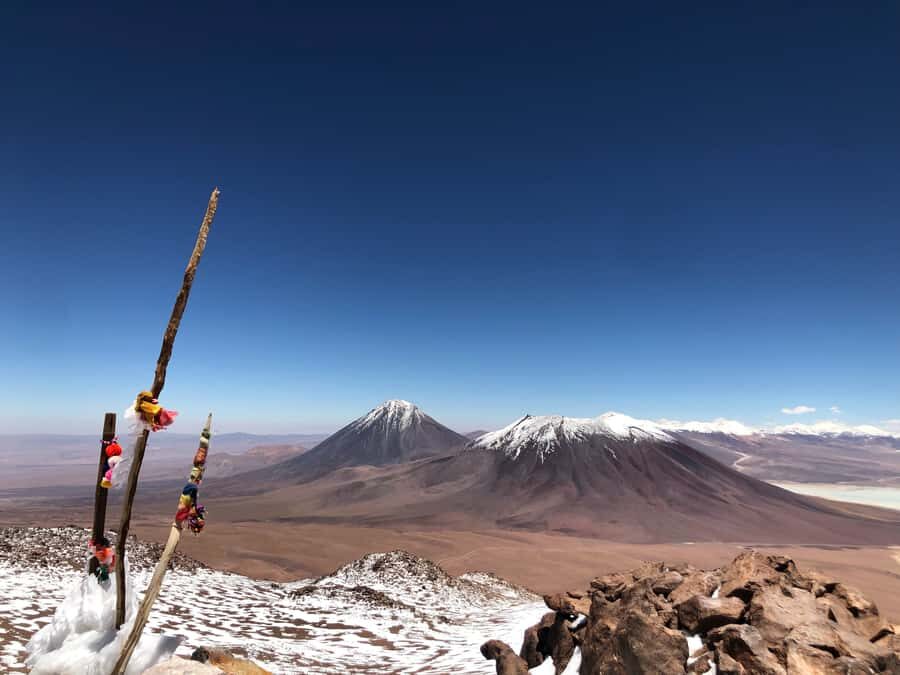
- A famous San Pedro summit: Cerro Toco is one of the best-known climbs near town.
- Altitude-focused rhythm: you start around 5,000 m and reach about 5,600 m.
- Small group size: limited to 6 participants, so the guide can manage the pace.
- Cold summit conditions: plan for wind and real winter-style trekking layers.
- Short warm-up effect: many days include a brief acclimatization walk before the main ascent.
- Views that cover the Altiplano: the summit is made for wide panoramas, not just a photo stop.
Cerro Toco: why this 5,600 m climb feels special from San Pedro
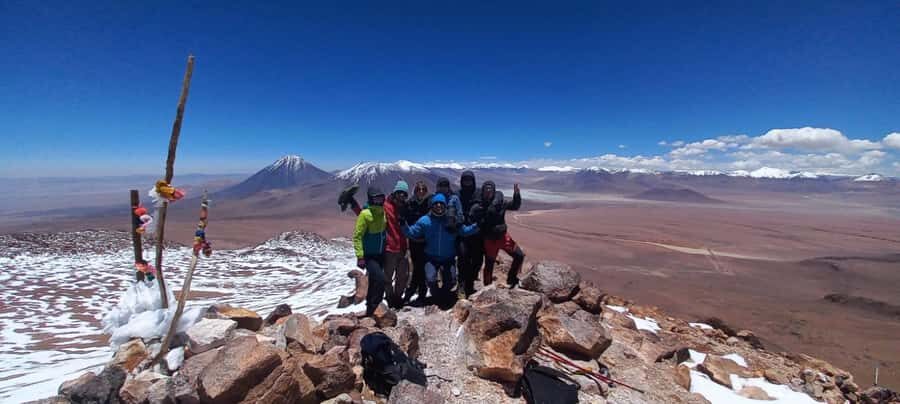
Cerro Toco is an ancient dormant volcano, part of the Andean lineup that surrounds San Pedro de Atacama. The reason it stays popular is simple: it’s one of the nearest big summit experiences you can do without committing to a multi-day expedition. You get a true high-altitude trek, but it’s still workable as a same-day outing once you’re acclimatized.
What makes the day memorable is the mix of “otherworldly” scenery and real physical effort. Depending on the season, you may spot penitent snow and large areas of frozen water formed naturally through sublimation. That’s the kind of detail you only see in places where the air and elevation do strange things with moisture.
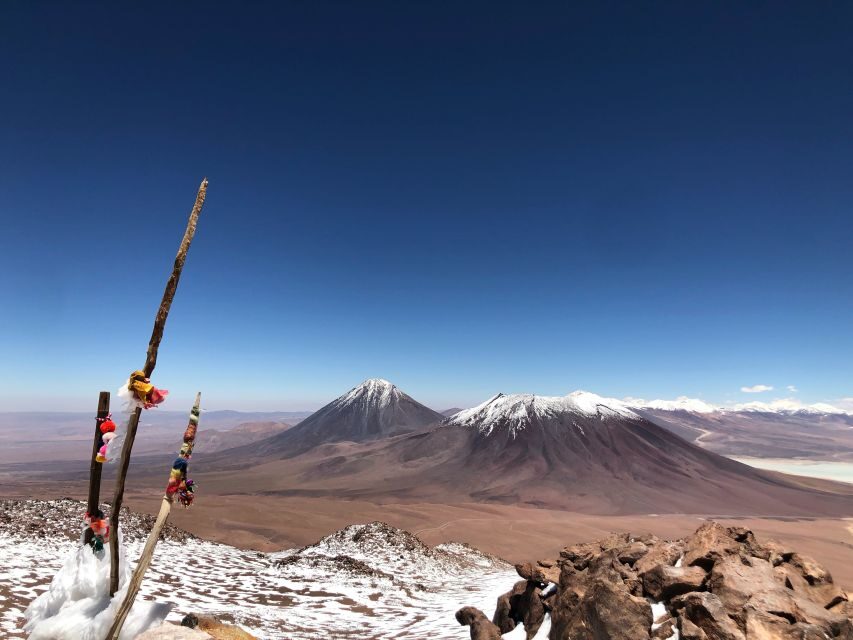
And when you reach the top, it’s not a cramped or hidden viewpoint. You’re up in the open, looking across Altiplanic summits, with enough horizon to make your brain stop trying to measure it. This is the sort of hike where you’ll understand why people schedule their whole San Pedro trip around altitude challenges.
You can also read our reviews of more tours and experiences in San Pedro De Atacama.

Getting there: the 1.5-hour ride to an old sulfur mine
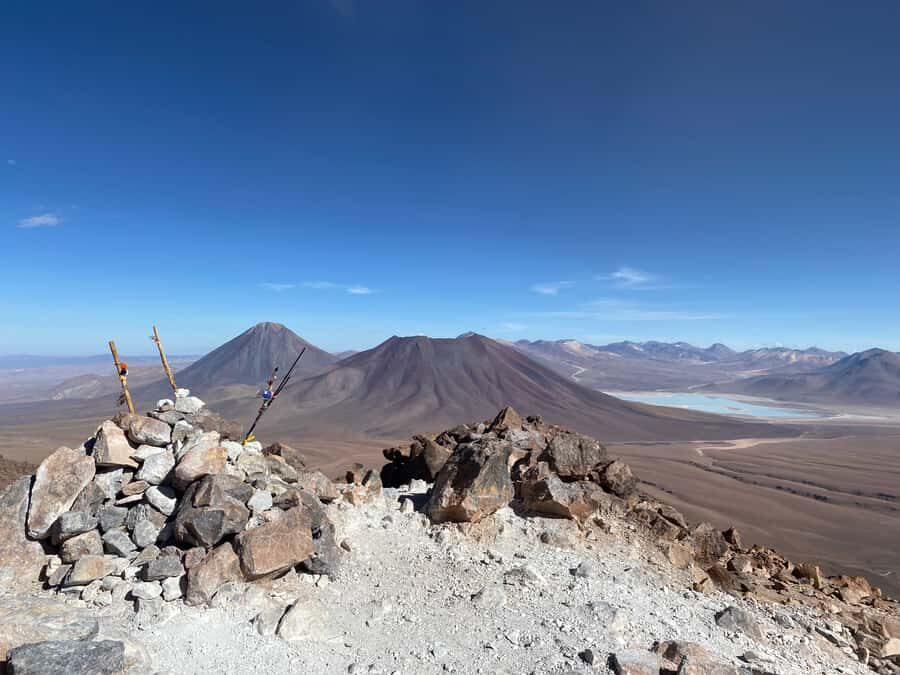
You leave San Pedro de Atacama by vehicle, a drive of about 1.5 hours toward an old sulfur mine. That transit matters more than you might expect. It helps you settle into the day, then you arrive at the starting area at roughly 5,000 meters. You’re not wasting time slowly “climbing” from sea level. You’re stepping into altitude quickly, so the rest of the plan has to work with that reality.
Once you’re at the mine area, the real ascent begins. The climb to the summit zone takes about 2 to 3 hours. After that, you come back down for around 1 hour, then head home by vehicle to San Pedro.
The practical takeaway: wear your boots and layers before you leave town if you can. The closer you get to the high start elevation, the less you’ll want to fuss with clothing changes.
The ascent plan: pacing matters at 5,000–5,600 m
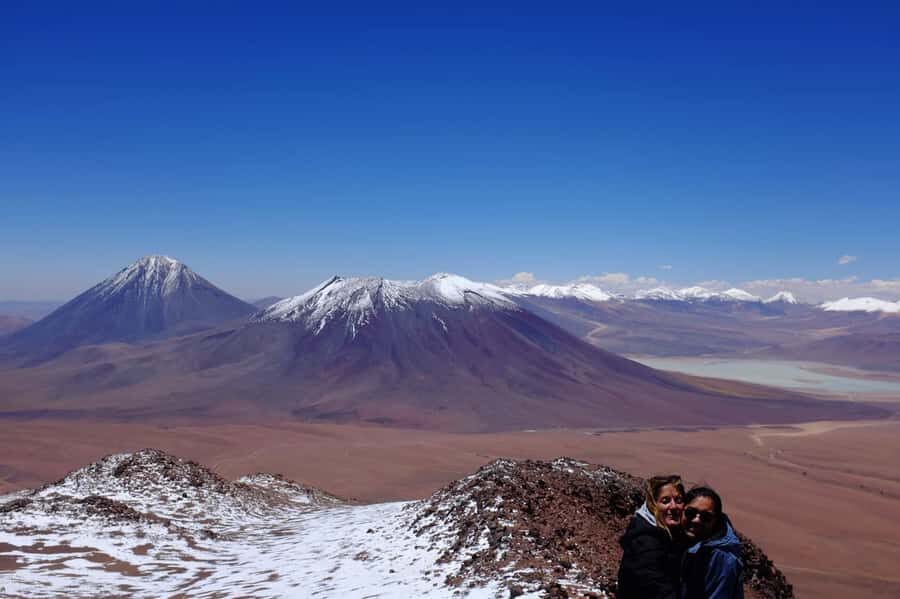
The hike itself is straightforward in structure—start near 5,000 meters, climb for 2–3 hours, reach the top around 5,600 meters, then descend for about an hour. What’s not straightforward is how your body handles that thin air.
I like that this tour is candid about adaptation. You’re advised to be in San Pedro for at least two nights before the hike, so your body has time to adjust. In the short term, I also take the warm-up idea seriously. Some guides build in a brief walk at higher altitude first (often around the 3,000–3,900 m range for roughly 1 km) before the main ascent. Even if the exact numbers vary by day, that’s a smart way to get your breathing and footing under control.
On the mountain, a good guide does two things at once: watches the terrain and manages the group. In prior experiences with guides like Brian, the pace is monitored, and there’s an emphasis on supportive coaching—loving but still guiding. That’s a key value of a small group: the guide can respond to slower hikers without turning the hike into a race.
Altitude reality check: what to do before you step outside
This excursion asks you to respect altitude, not fight it. The tour guidance is clear: have breakfast before you go, and arrive with a proper acclimatization window in San Pedro (at least two nights). That’s not a marketing detail. It’s what keeps a summit attempt from becoming a stubborn failure.
You also have clear boundaries in the fine print. This hike isn’t suitable for people with high blood pressure, heart problems, mobility impairments, pregnant women, people over 65, or anyone under 17. If that applies to you, it’s worth skipping Cerro Toco rather than “hoping for the best.”
A practical note from the hiking advice shared by guides: keep your water realistic. Plan for roughly 1.5 to 2 liters for the day, and don’t over-pack food or extra weight to carry uphill. You’ll feel the difference more than you’d think.
And yes, the group dynamic matters: if someone reaches their limit, the whole group may have to turn back. That’s the nature of altitude hiking with shared pacing.
What the trek feels like: penitent snow, cold wind, and rocky descents
The most atmospheric part is the upper section. During much of the year, Cerro Toco can offer penitent snow—those long, blade-like shapes you don’t see in normal mountains. You also might encounter frozen water formations created naturally through sublimation, which is basically the environment reshaping ice as conditions change.
Once you’re near the summit, it’s usually cold enough that wind becomes part of the effort. One of the most consistent notes: the top area can be intensely chilly. Bring warm layers you can actually breathe in, not just bulky clothes that trap sweat and freeze you during stops. Gloves are also not optional in practice, because your fingers will feel it fast.
On the descent, pay attention to the ground. Scree and loose stones can make your footing sloppy, especially when you’re tired. I’d rather you spend an extra ten seconds checking your step than do the classic altitude hike mistake: charging down because you’re relieved you made it up. A careful descent is how you keep the day enjoyable at the end.


Summit payoff: the views and the quiet satisfaction
Reaching the top is about more than photos. Cerro Toco sits high enough that the world looks simplified—fewer distractions, more horizon. When you’re on the summit, you get an expansive view of other Altiplanic summits, and the entire area reads like a map you can finally see in three dimensions.
It’s also a psychological win. Altitude treks can feel slow and intense, and yet the summit often comes with a burst of calm. In experiences guided by Brian, the mood can stay upbeat even during the hike, with music included. That kind of morale boost isn’t required, but it can turn a hard day into a memorable one instead of a stressful one.
Gear, snack, and what you must bring yourself
This is one of the better-organized ways to tackle a high summit day because key things are included. You’ll get professional equipment for high mountain trekking and a certificated high-mountain guide. A snack is also included.
What you still bring matters. You’re told to bring your own:
- Water
- Trekking shoes (comfortable trekking boots, not sneakers)
- Gloves
- Trekking gear and warm clothing
- Passport or ID card
One detail that’s worth calling out: even if gloves are provided in some cases, don’t plan on being without your own warm hand protection. Cold wind doesn’t negotiate.
Also, don’t show up in the wrong footwear. You’re required to wear comfortable trekking boots, and sneakers are not allowed. If you’re used to city shoes, give your boots time at home so they break in before the trip.
The tour also runs with hotel pickup and drop-off. You’ll wait in the lobby around 10 minutes before pickup, and the guide will make phone contact before arriving. They won’t wait more than 5 minutes after the scheduled pickup time, so keep your phone charged and visible.
Price and value: is $130 a good deal for Cerro Toco?
At about $130 per person for a full 7-hour outing, Cerro Toco can be good value if you compare it to what you’d need to do the hike independently. You’re getting:
- Hotel pickup and drop-off
- A certified high-mountain guide
- Professional high-mountain gear
- A snack
- A small group capped at 6
In other words, you’re paying for safety and logistics, not just movement from point A to point B. If you don’t already have proper high-altitude gear, and you don’t want to manage altitude complexity alone, the included equipment and guidance are where the money really goes.
The flip side is that you’re paying for an experience you can’t fully “wing.” If you show up unprepared—especially footwear, warm layers, and acclimatization—you’ll feel it quickly. This isn’t a casual hike.
Who Cerro Toco suits best (and who should skip)
This tour is best for people who:
- Can hike uphill at altitude without needing frequent stops
- Plan ahead for acclimatization by spending at least two nights in San Pedro
- Want a famous nearby summit with big Andes energy
- Prefer a small group where the guide can manage pacing
It’s not for you if you have any of the listed health or mobility concerns (high blood pressure, heart problems, mobility impairments, pregnancy), or if you fall outside the age range (under 17 or over 65). Cerro Toco is a summit attempt at altitude. It needs the right body and the right preparation.
If you’re 17 to 65, in reasonably good hiking shape, and you take the cold and altitude seriously, this can be one of the best “signature” climbs in the San Pedro area.
Should you book Cerro Toco? My decision guide
Book Cerro Toco if you want a high-altitude summit that’s famous, close to town, and run with a small-group high-mountain approach. I’d choose it when you’re ready for cold, you’ve done the acclimatization basics in San Pedro, and you have the right boots and layers.
Skip it if you’re hoping for a low-effort walk, you’re not comfortable hiking at altitude, or you fall into any of the health or age restrictions. Altitude hiking isn’t a place for last-minute bravery.
If you do book, treat the pre-trip steps as part of the hike. Stay two nights in San Pedro, eat breakfast, and show up with boots, gloves, and water. Then let the guide handle the pacing and keep you steady.
FAQ
How long is the Cerro Toco excursion?
The total duration is about 7 hours, including pickup, the hike, and returning to San Pedro de Atacama.
What altitude will I reach on Cerro Toco?
You start the ascent around 5,000 meters and reach the summit zone at about 5,600 meters, then descend for about 1 hour.
Is breakfast required before the tour?
Yes. The guidance is to have breakfast before the tour.
What does the tour include?
It includes hotel pickup and drop-off, a certificated high-mountain guide, professional high-mountain equipment, and a snack.
What should I bring?
Bring passport or ID card, gloves, water, hiking shoes/trekking gear, and wear appropriate warm clothing for altitude trekking.
How big is the group?
It’s a small group limited to 6 participants.
Who should not book this hike?
This activity is not suitable for people with high blood pressure, heart problems, mobility impairments, pregnant women, people over 65, or people under 17.