REVIEW · SAN PEDRO DE ATACAMA
From San Pedro de Atacama: 3 days to Uyuni Salt Flat
Book on GetYourGuide →Operated by XPLORA AMERICA · Bookable on GetYourGuide
Three days through Bolivia is a salt-and-fire mix. You bounce from San Pedro de Atacama into the highlands, hitting the wild sights like Sol de Mañana geysers (around 90 °C) and then finishing with Salar de Uyuni at sunrise, plus Laguna Blanca and Laguna Verde near Licancabur and Laguna Colorada for flamingos.
I really like how this trip balances big icons with the oddball stops that make the Altiplano feel like another planet. You’ll get a small group vibe (limited to 10) and spend time in a 4×4 built for a tight headcount (6 people), and the Spanish-speaking guide experience is a clear plus—one review specifically praised Léo for being patient with basic Spanish. The main consideration is that extra costs and basic facilities can come up: drinks/water aren’t included, bathrooms during the day may require purchases, and the lodging bathrooms may not feel hotel-smooth.
In This Review
- Key highlights you should not miss
- From San Pedro to the Bolivia border: the drive that sets the tone
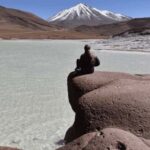
- Laguna Blanca and Laguna Verde by Licancabur volcano
- Salvador Dalí desert: when geology turns into theater
- Polques hot springs: the day’s built-in comfort break
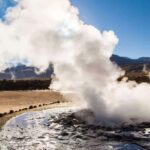
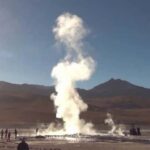
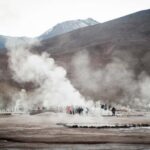
- Sol de Mañana geysers: bursts at about 90 °C
- Laguna Colorada: 30,000+ flamingos and why this stop is more than photos
- Day 1 night in Villamar: expect the real road version of “rest”
- Valley of Rocks (World Cup / Lost Italy): volcanic shapes that fool your brain
- Camello and Sora: a wildlife-style pause
- A mysterious Laguna (or Catal) and a walk for Altiplano flora and fauna
- Laguna Vinto, the Mirador, and Anaconda Canyon: layered viewpoints
- Night at Colcha K Salt Hotel: the salt-flat vibe before the big day
- Sunrise on the Salar de Uyuni: the whole point of Day 3
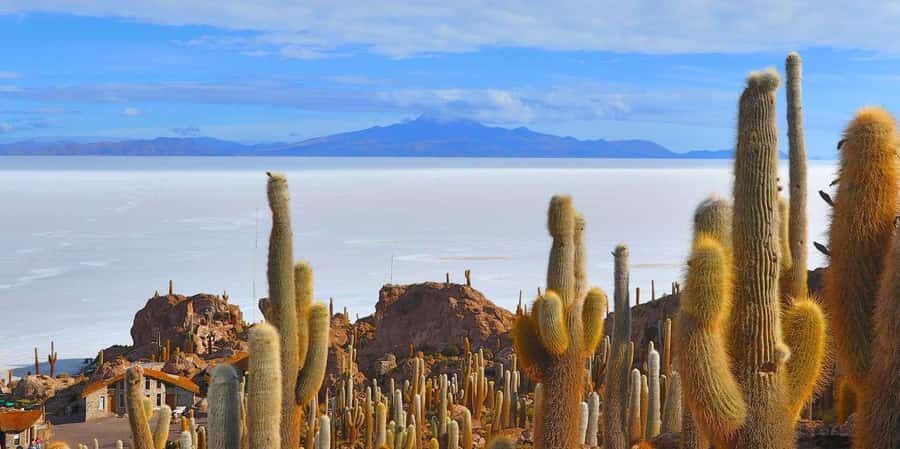
- Incahuasi Island: limestone walk and the giant cactus moment
- Salt Museum and leaving via Colchani: turning awe into context
- Train cemetery photo stop: your last big scene before Uyuni
- Price and logistics: what $340 really covers
- Language, group size, and why the guide matters
- Who this 3-day Uyuni plan suits best
- Should you book this San Pedro to Uyuni 3-day tour?
- FAQ
- What is the duration of the tour?
- Where does the tour start and end?
- How big is the group?
- Are meals included?
- Is the return to San Pedro de Atacama included?
- What language is the guide?
- What costs are not included?
- Whoa—can I cancel for free?
Key highlights you should not miss
- Sol de Mañana geysers near 90 °C: dramatic bursts of hot water in a place that still looks otherworldly.
- Laguna Colorada and flamingo nesting: a key reserve stop where birds matter, not just scenery.
- Valley of Rocks (World Cup / Lost Italy): volcanic shapes that look like they were staged for a photo shoot.
- Incahuasi Island limestone + giant cactus: a quick walk with a view that makes the salt feel endless.
- Colchani handicrafts stop: a chance to buy directly in the town that serves salt-flat visitors.
- Train cemetery photo stop: one more visual payoff before you reach Uyuni.
From San Pedro to the Bolivia border: the drive that sets the tone
This is a true overland crossing. Day 1 starts with a pickup from your accommodation in San Pedro de Atacama, then you ride by minibus to the Chile–Bolivia border. Once across, the group shifts into a 4×4 for 6 people, which changes the feel right away—more bumpy, more personal, more “out in the elements.”
That matters because the itinerary moves fast. You’re not just traveling; you’re stacking environments: lagunas, hot springs, geysers, and a flamingo hotspot. If you like trips that feel like a sequence of discoveries instead of one long bus ride with a couple stops, this setup suits you.
A few more San Pedro De Atacama tours and experiences worth a look
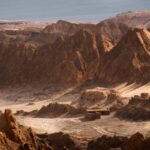
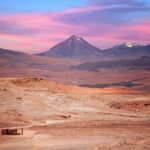
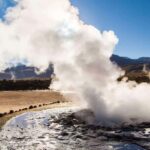
Laguna Blanca and Laguna Verde by Licancabur volcano
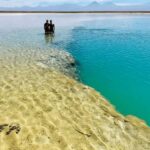
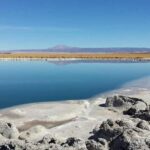
After the border, the day turns toward the Bolivian highlands with Laguna Blanca and Laguna Verde, both at the foot of the Licancabur volcano. These are classic Altiplano scenes—bright water and stark rock—where the colors can shift with light and weather.
Why I’d prioritize these early: you arrive before the day gets fully “in motion.” By the time you reach the next stops later, your eyes will be tired and your camera will be hot (yes, even in cold places). Early lagunas help you reset your sense of scale: the mountains loom close, yet the terrain feels vast.
Practical note: bring patience for the timing. High-altitude areas can have changeable conditions, and the day is packed with transitions.
Salvador Dalí desert: when geology turns into theater
Next comes the Salvador Dalí desert. The name says it all—wind and volcanic shapes create forms that look like surreal art. It’s the kind of place where you can point and say, that looks like something, and then look again and see something else.
This stop works because it’s not about staying long. It’s about looking closely and letting your brain do what it does best on the road: connect shapes, imagine stories, and laugh a little at how geology can look like human design.
Polques hot springs: the day’s built-in comfort break
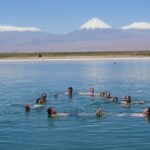
After the surreal desert, you get a real recharge: Polques hot springs. You’ll have time to bathe, which turns the day from “watching wonders” into something more physical and memorable.
Even if you’re not a hot-springs person, I think this stop is key for two reasons. First, your body usually needs a break after driving and sitting. Second, it gives contrast—white salt-flat light is the endgame, but here you get warmth and steam energy mid-trip.
Tip that’s grounded in the tour details: since towels are not included, plan to bring one if you want to be comfortable.
Sol de Mañana geysers: bursts at about 90 °C
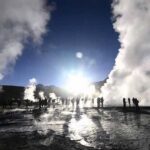
Then it’s Sol de Mañana—springs where water erupts intermittently at around 90 °C. This is one of the most intense stops on Day 1, because the heat is not subtle. You’ll see hot activity where the land feels cold and dry, and the contrast is the point.
When you’re there, don’t rush. Watch the timing patterns and give yourself space to get photos without crowding your group. It’s also one of the places where you’ll want to respect safety distances; you’re near heat and steam, not a gentle splash pad.
Laguna Colorada: 30,000+ flamingos and why this stop is more than photos
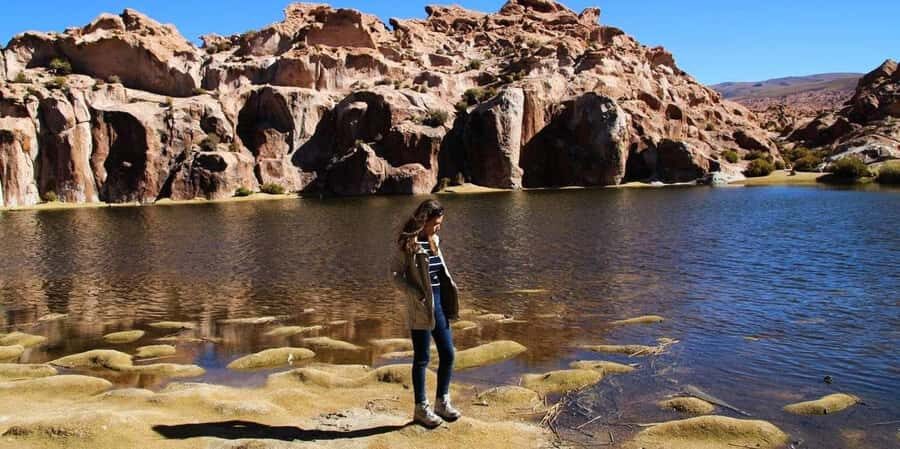
Day 1 ends with Laguna Colorada, described as a nesting center for more than 30,000 flamingos. Yes, it’s beautiful. But what makes it special is the role it plays in the ecosystem. This isn’t just a pretty lake—it’s a key habitat.
If you want one “wow factor” scene, this is where many people feel it hardest. The water, the color palette, the birds, and the stark highland setting combine into something that photographs well but also feels bigger in person.
Day 1 night in Villamar: expect the real road version of “rest”
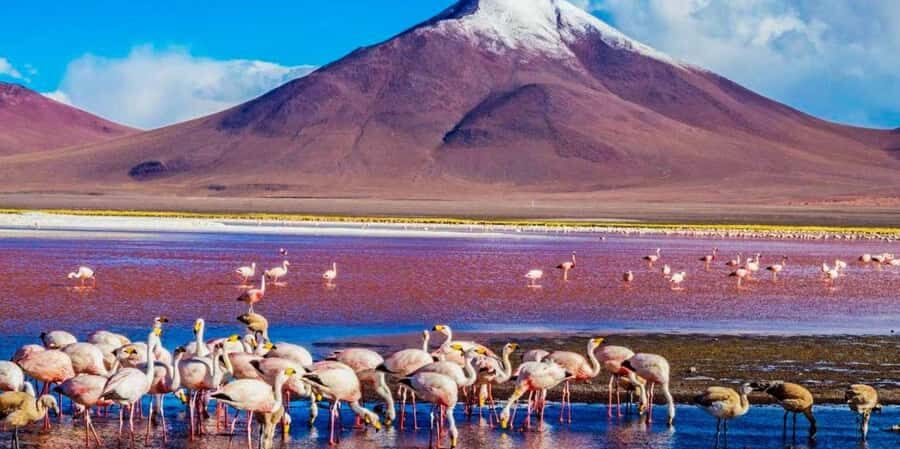
After a full day, you sleep in a hostel in Villamar. This is included (shared rooms, shared or private bathroom depending on the night), and it’s practical for the route. Just don’t expect luxury.
One review flagged that the bathroom condition at accommodations wasn’t great. That lines up with what you should assume on a remote overland route: facilities can be basic, even when the rest of the trip runs smoothly. Focus on what matters most—sleep, water, and getting ready for the next day’s driving.
Valley of Rocks (World Cup / Lost Italy): volcanic shapes that fool your brain
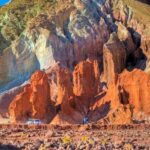
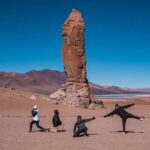
Day 2 starts with Valley of Rocks, also known as the World Cup or Lost Italy. The idea is simple: volcanic rock has eroded into forms that look like structures, scenes, and even empty “city” shapes.
Why it’s worth doing on Day 2: you’ll have already seen the reserve’s lakes and heat on Day 1, so your brain is ready for the next type of wonder—shape and texture. This stop can be funny in a good way because you’ll keep thinking you recognize something.
Take your time walking and spotting different angles. If you sprint, you’ll miss the slow visual trick: the shapes change as you move.
Camello and Sora: a wildlife-style pause
After the rocks, you visit the Camello and Sora areas. The description says you can see wild animals here, which is why it feels different from the more geology-driven stops.
This is also a good moment to slow down because animal spotting usually doesn’t follow a strict schedule. If nothing pops into view instantly, give it a little time rather than trying to “force” the experience.
A mysterious Laguna (or Catal) and a walk for Altiplano flora and fauna
Next you stop at a mysterious Laguna or Catal, where you can walk around and see typical flora and fauna of the Bolivian Altiplano. This is a nature stop, not just a viewpoint.
What you’ll likely enjoy is the grounded feeling: you’re not only looking at dramatic landforms; you’re also noticing smaller details—plants, edges of habitat, and the way the Altiplano supports life in a harsh setting.
Laguna Vinto, the Mirador, and Anaconda Canyon: layered viewpoints
Late-day highlights include Laguna Vinto, a Mirador, and Anaconda Canyon. The Mirador gives you the classic “step back and see it all” viewpoint, while Anaconda Canyon sounds like one of those named places that hints at a twisting form or line you can track visually.
These are good for photos, but the bigger value is pacing. The itinerary keeps you moving, yet these stops let your eyes rest on broader compositions before you settle in for the night.
Night at Colcha K Salt Hotel: the salt-flat vibe before the big day
You finish Day 2 with a transfer to Colcha K Salt Hotel for the second night. Since this is part of the included plan, you’re not juggling your own lodging in Uyuni-related areas.
This night sets expectations for Day 3. When you wake up early, you’ll be ready to chase one thing: that sunrise over a white expanse that looks unreal.
Sunrise on the Salar de Uyuni: the whole point of Day 3
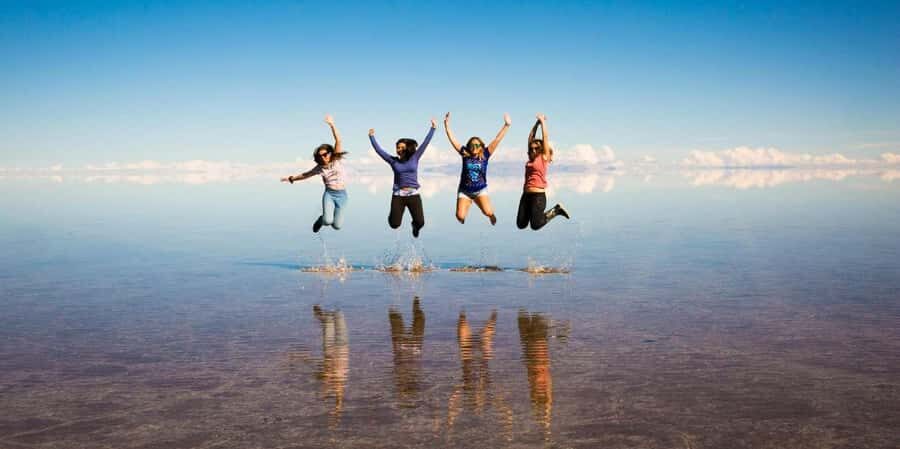
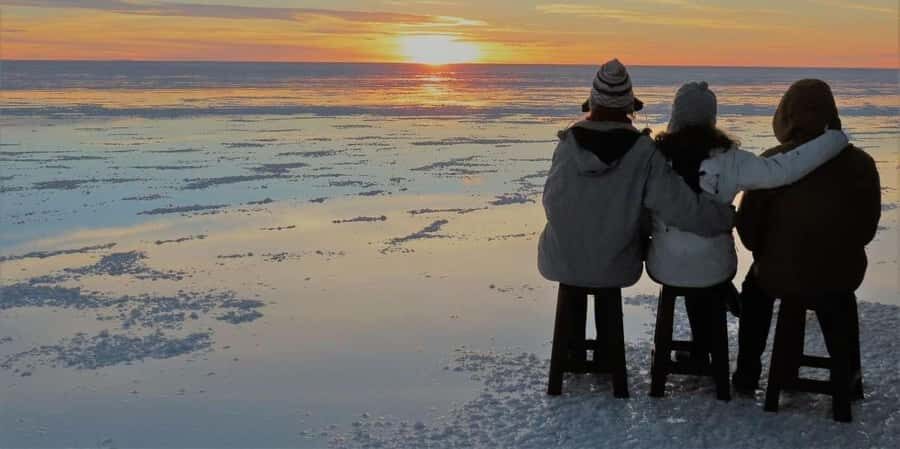
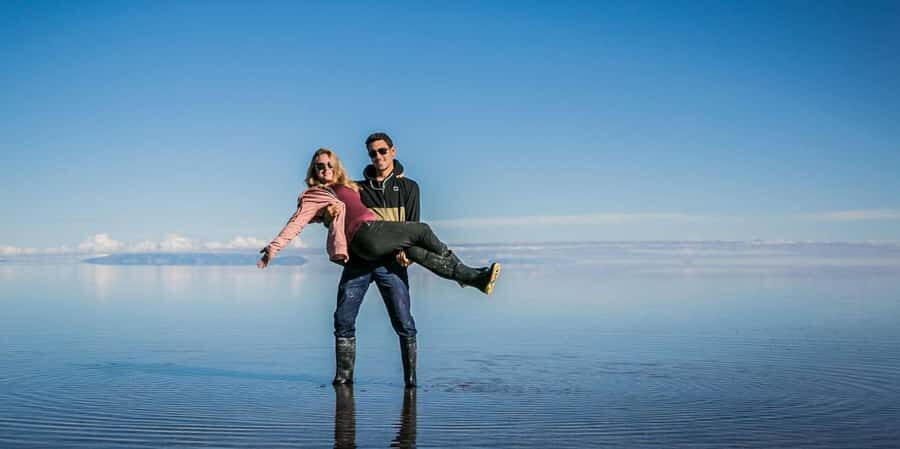
Day 3 begins early. You drive out to the salt flat and watch the sunrise over the white blanket formed by the accumulation of salt. This is not just a scenic moment—it’s the emotional climax of the trip.
Why I think the early timing is worth it: morning light changes everything. Color temperature, shadow shape, and the way the salt reflects make sunrise feel like a new place, not the same flat you saw earlier in the trip.
Keep your camera and your hands warm. Even when the day looks bright ahead, dawn can be a lot colder than you expect.
Incahuasi Island: limestone walk and the giant cactus moment
After the sunrise, you visit Incahuasi Island. You’ll walk briefly through the limestone rock formation, which contains a giant cactus, and you’ll enjoy a stunning view over the salt flat.
This stop gives you something the salt itself can’t: solid ground with textures. It also helps break up the experience so it doesn’t become one long stare. You’ll see the salt as a backdrop, not just the main stage.
Salt Museum and leaving via Colchani: turning awe into context
Next you visit the Salt Museum. It’s a useful addition because it helps connect the salt flat to people and livelihoods. Then you leave the salt flat through Colchani, where you can buy handicrafts.
This is one of those stops that can be quick or meaningful, depending on your mindset. If you like knowing what you’re buying, pause. If you just want a souvenir, you’ll still get the chance to support local crafts.
One practical thing: plan for cash or payment method ahead of time since the tour doesn’t say how purchases work in Colchani.
Train cemetery photo stop: your last big scene before Uyuni
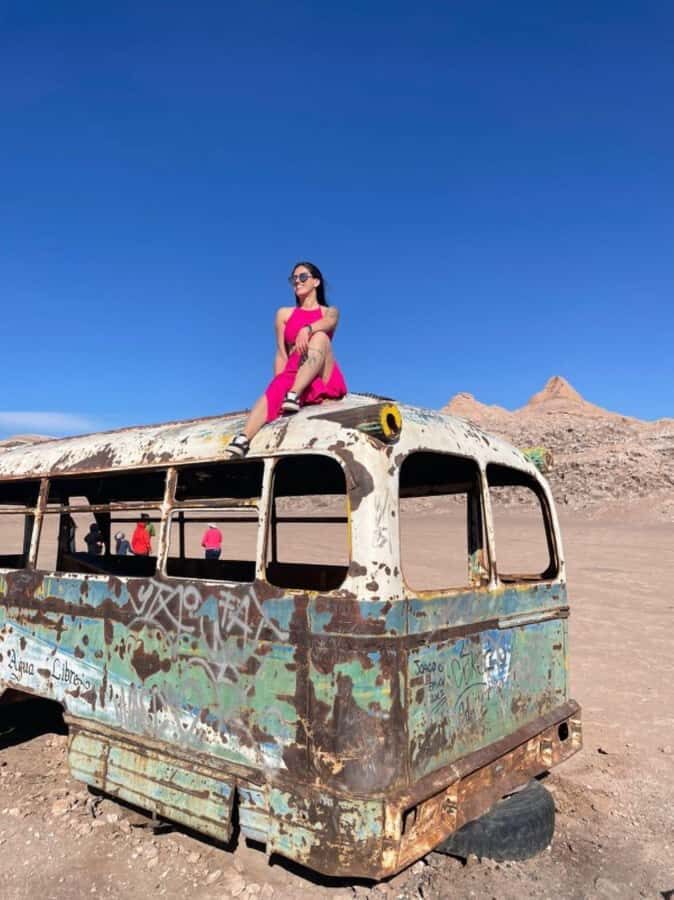
Before you arrive in Uyuni, you pass by the train cemetery for photos. It’s a visual finale—industrial relics against a stark setting. It also gives you a “stretch” moment after salt walking and island viewpoints.
When you do photos here, keep it simple: one or two clean shots and then move on. The tour schedule aims to get you to Uyuni by the end of the day, and you’ll likely be tired.
Price and logistics: what $340 really covers
The price is $340 per person for 3 days. That’s not cheap, but it also isn’t just “transport and hope.” You’re paying for a lot of moving parts to be handled: border crossing routing, shared transport, a Spanish-speaking driver, all meals, and 2 nights of accommodation (shared rooms with shared or private bathrooms depending on the night).
Here’s what that likely means for you in real life:
- You don’t have to arrange separate lodging for both nights.
- You get included meals (breakfast, lunch, dinner), which matters when stops are remote.
- You get the 4×4 experience for a smaller group (6 people), which is usually more comfortable and less chaotic than large buses.
What costs extra:
- Return to San Pedro de Atacama is not included.
- Drinks and water during meals aren’t included, and access to bathrooms during the trip can be purchased.
- Entry fees and border taxes aren’t included.
- Towels, room heating, and internet access aren’t included.
So my value verdict: if you want a guided, meal-included route with salt-flat timing handled for you, this is a solid deal. If you hate basic accommodations or you want drinks on tap, you’ll want to budget for add-ons.
Language, group size, and why the guide matters
The tour runs with a Spanish live guide/driver, and group size is capped at 10 participants. That small group number is a big deal on this kind of route because you’re frequently getting in and out of vehicles, moving on uneven terrain, and sharing viewpoint time.
One of the most praised parts from feedback is the guide’s approach. A review called out Léo as patient and friendly, especially with travelers using approximate Spanish. If you’re not fluent, that’s reassuring. Basic effort goes a long way.
Who this 3-day Uyuni plan suits best
I’d book this if you want:
- A fast, focused hit list of key reserve attractions plus the Salar de Uyuni sunrise
- A group small enough to feel like a shared adventure, not a crowd
- A trip that includes meals and your two nights, so you spend less time coordinating
I’d think twice if:
- You’re very sensitive to basic bathroom conditions in remote areas
- You strongly prefer included drinks and easy access to facilities without extra purchases
- You need a lot of downtime between long drives and early starts
Should you book this San Pedro to Uyuni 3-day tour?
If your priority is a guided route that gets you from the Atacama region into Bolivia’s highland highlights and then times the salt-flat sunrise right, I think this is an excellent fit. The itinerary hits the reserve’s signature natural scenes—Laguna Colorada with flamingos, Sol de Mañana geysers, and Incahuasi Island—while still giving you stops that are about shapes, wildlife, and local crafts.
One caution: there’s at least one past complaint about an operator not showing up, so it’s smart to confirm pickup details the day before and stay ready to communicate if anything seems off. If everything lines up, this is the kind of trip where the scenery keeps escalating, and the salt flat at sunrise feels like the best payoff of all.
FAQ
What is the duration of the tour?
The tour lasts 3 days.
Where does the tour start and end?
It starts with pickup in San Pedro de Atacama and ends with delivery to a central location in Uyuni.
How big is the group?
The group is limited to 10 participants, and the 4×4 vehicle is described as carrying 6 people.
Are meals included?
Yes. Breakfast, lunch, and dinner are included.
Is the return to San Pedro de Atacama included?
No. Return in San Pedro de Atacama is not included.
What language is the guide?
The live guide/driver provides Spanish.
What costs are not included?
Not included are entry fees and border taxes, drinks (including during meals and water), and towels. Bathroom access during the trip can be purchased.
Whoa—can I cancel for free?
Yes. There is free cancellation up to 24 hours in advance for a full refund.