REVIEW · SAN PEDRO DE ATACAMA
From San Pedro de Atacama: Lagoons and Piedras Reds
Book on GetYourGuide →Operated by DMC Latam Travel · Bookable on GetYourGuide
Flamingos in the high desert? That is the deal, and this 12-hour route from San Pedro de Atacama hits Laguna Chaxa for real bird-spotting and then pushes up to the Miscanti and Meñiques lagoons for dramatic, volcano-backed views. I like that the day is built around short walks plus plenty of photo stops, so you’re not stuck staring out a window. One thing to plan for: the high-altitude portions are serious, and this tour isn’t a fit if you’re prone to altitude sickness.
What makes it work is the mix of culture and nature. You’ll spend time in Toconao for crafts and architecture, then pass through Socaire to see the church and learn how farming happens in this harsh place. I also like that the tour includes breakfast and lunch in a packed format, so you’re not hunting for food while the clock runs.
Finally, go in with the right expectations. This is a long day in a desert climate, and you’ll want warm layers even when the sun is strong. Also note that national park tickets are not included, so you’ll need to budget for that add-on before you go.
In This Review
- Key things I’d highlight before you book
- A route that links salt flats, villages, and high lagoons
- San Pedro pickup, desert breakfast, and the early start you’ll actually use
- Timing reality check
- Toconao: crafts, calm streets, and simple village architecture
- What to watch for
- Los Flamencos National Reserve and Laguna Chaxa (the flamingo moment)
- Birding highlights you can realistically expect
- The one drawback here
- Socaire: a working village, its church, and agriculture lessons
- Practical tip for this stop
- Miscanti Lagoon and Meñiques Lagoon: high altitude, volcano shapes, and crisp bird spotting
- Wildlife you’ll keep an eye out for
- Altitude reality check (please don’t skip this)
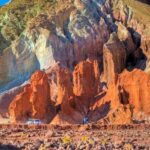
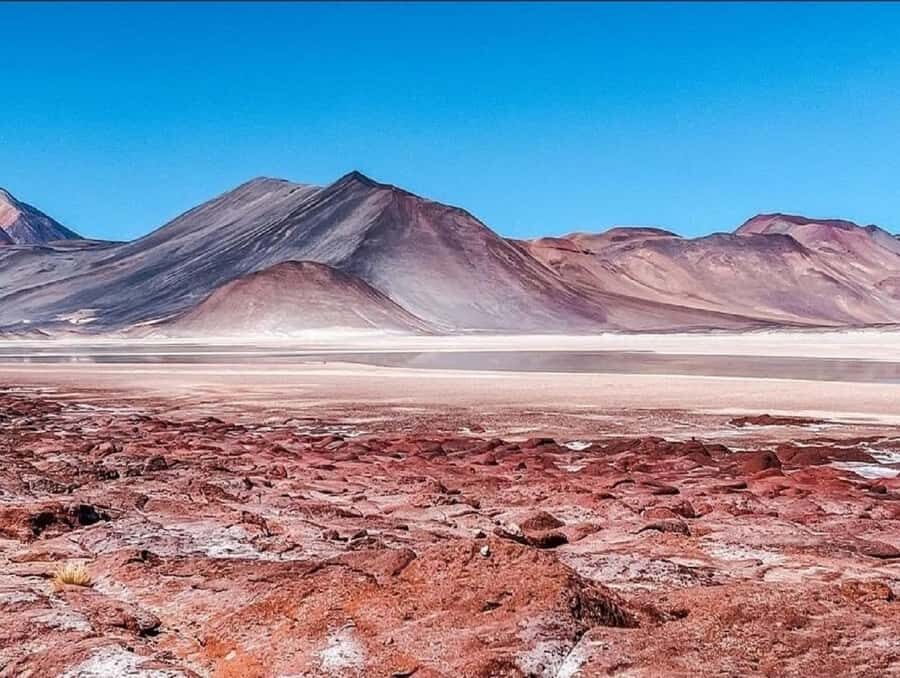
- The Talar Salt Flat’s Red Stones: oxidation-driven color you can’t manufacture
- Best way to photograph it
- What the $99 price really covers (and where costs can pop up)
- The costs that are not included
- Group size and guiding style: why the day feels calm
- What to bring so you’re not miserable at 4,200 meters
- A small day-saving move
- Who should book (and who should skip it)
- Practical logistics: the one thing to confirm before you leave
- Should you book this Lagoons and Red Stones day?
- FAQ
- How long is the tour from San Pedro de Atacama?
- What’s included in the tour price?
- Do I need to buy national park tickets?
- What languages is the guide available in?
- What wildlife and sights can I expect?
- What should I bring and wear?
Key things I’d highlight before you book
- Small-group feel (up to 12 people) for more personal guiding and easier wildlife viewing
- Laguna Chaxa in Los Flamencos National Reserve for classic Atacama bird life
- Toconao + Socaire so the day isn’t only scenery; you get human scale too
- Miscanti and Meñiques lagoons at ~4,200 m for high-altitude drama and crisp photos
- Talar Salt Flat, Red Stones where oxidation and weathering create a color shift you can’t fake
- Binocular-friendly bird watching led by a live guide, with stops designed for looking closely
A route that links salt flats, villages, and high lagoons
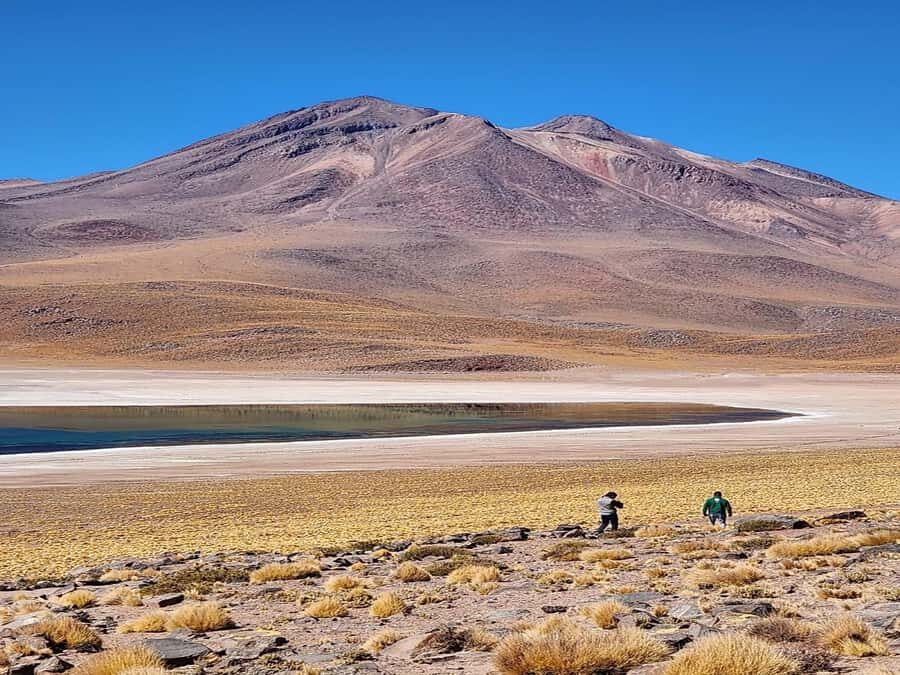
This tour is one of those Atacama days that feels efficient without feeling rushed. You start near San Pedro, then work your way through salt-flat ecosystems, small communities, and finally the higher lagoons where the scenery changes fast.
The best part is that you’re not just collecting viewpoints. Toconao and Socaire add context—how people live, work, and build in an environment where water and altitude shape everything.
You can also read our reviews of more tours and experiences in San Pedro De Atacama.

San Pedro pickup, desert breakfast, and the early start you’ll actually use
The day begins with hotel pickup in San Pedro de Atacama and then a drive toward the desert flats and reserve areas. There’s a morning break with breakfast (packed), which is practical because you’ll be outdoors for long stretches and you don’t want to get stuck hungry or cold.
Expect a “drive, stop, look, walk, repeat” rhythm. That’s how you see more animals and get better photos, because the guides time stops around visibility and the way the light moves across the salt and lagoons.
Timing reality check
This is a full-day tour that runs about 12 hours, so you’ll want to treat it like your main commitment of the day. If you’re fighting fatigue from arriving in altitude, you’ll probably feel it more on day one than day three.
Toconao: crafts, calm streets, and simple village architecture
Toconao is a town built for slow wandering. You’ll stop here for photos and guided time, and you’ll see the kind of understated architecture and craft tradition that makes the Atacama feel human, not just wild.
This stop matters because it breaks the day up. After lagoons and salt flats (which can feel visually huge), Toconao gives you scale: doors, walls, tools, and small details you can actually notice while you walk.
What to watch for
Bring your camera, but also bring patience. Village visits often run on a different pace than reserve stops, so the best photos come when you slow down and let your eyes adjust to texture—craftwork patterns, building shapes, and the light on pale stone.

Los Flamencos National Reserve and Laguna Chaxa (the flamingo moment)
Laguna Chaxa sits in the Los Flamencos National Reserve area and is one of the classic places to spot Atacama birdlife. You’ll visit the Chaxa Lagoon in the Soncor sector, with time for a guided introduction and walking where conditions allow.
This stop is about wildlife as much as views. I love that the tour is built for looking closely—your guide can help you track species without making it feel like you’re hunting blind.
Birding highlights you can realistically expect
The tour describes a strong chance of seeing species such as:
- Andean flamingos
- Horned coot
- Baird’s sandpiper
- Puna plover
- Andean duck
- Andean goose
Also, the guide may provide tools like binoculars, which makes a huge difference when birds are small or far out across the water.
The one drawback here
Laguna Chaxa can be a “stand and watch” kind of stop. If you’re hoping for a lot of strenuous hiking, you might find it more observational than adventure-y.
Socaire: a working village, its church, and agriculture lessons
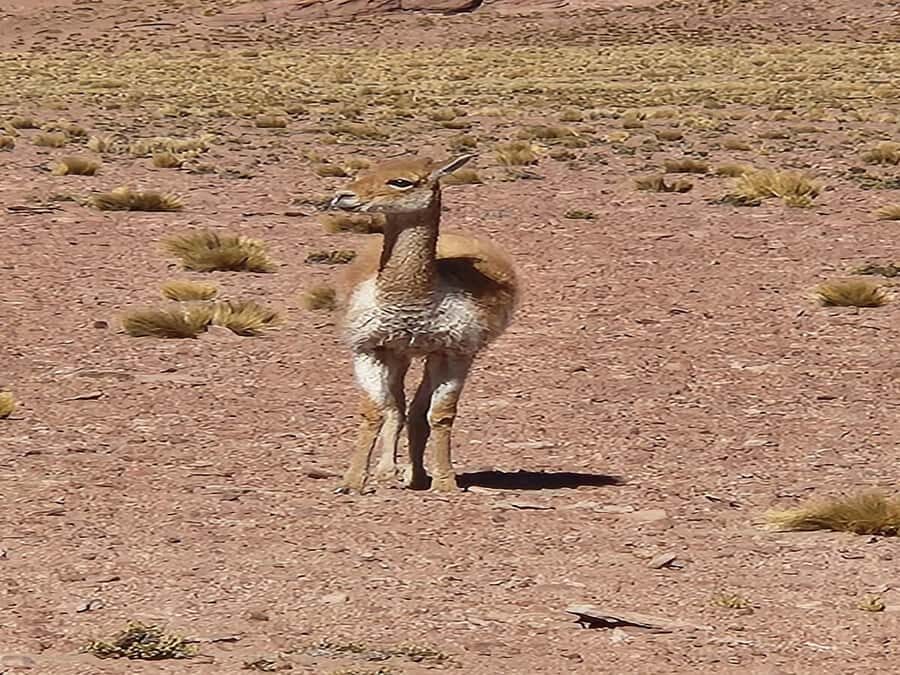
Next comes Socaire, another place where you’re not just passing through. You’ll have a break, photo time, and a guided visit focused on the church and local agriculture.
This part of the day is valuable because it connects the landscape of the Atacama to how people actually survive here. Farming in high, dry conditions takes know-how and adaptation, and Socaire is exactly where that story becomes visible.
Practical tip for this stop
Wear comfortable shoes, even if the walk is short. Church-and-village visits often mean uneven ground and quick transitions between light and shade, and your feet will thank you.
Miscanti Lagoon and Meñiques Lagoon: high altitude, volcano shapes, and crisp bird spotting
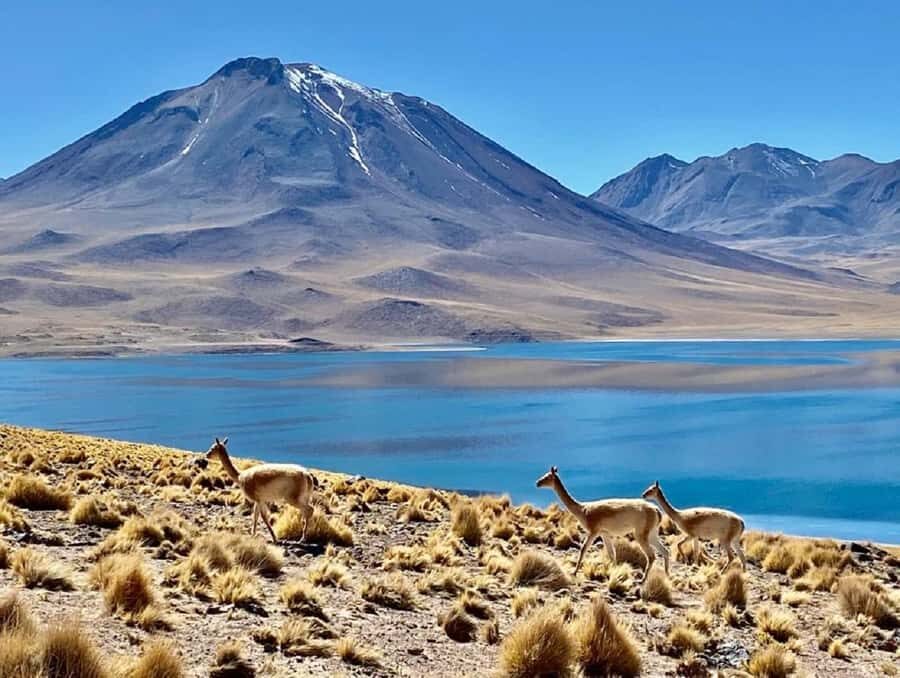
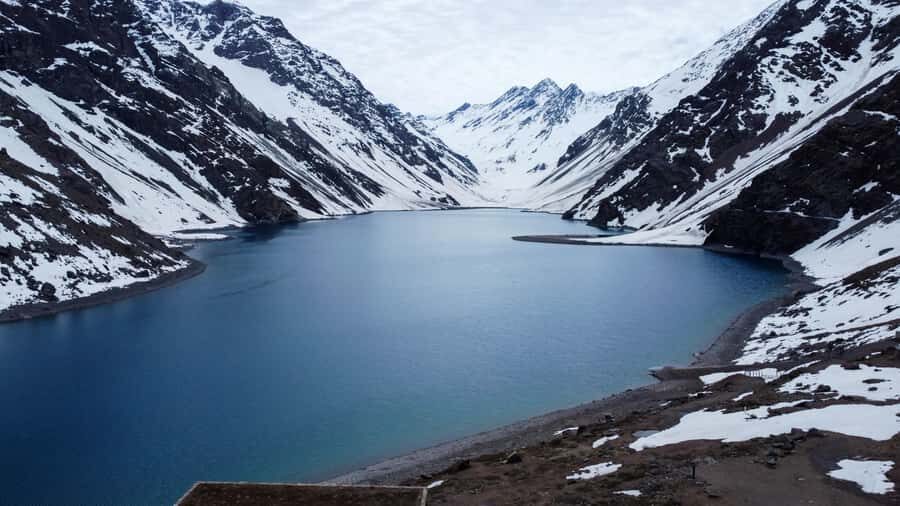
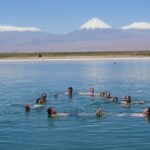
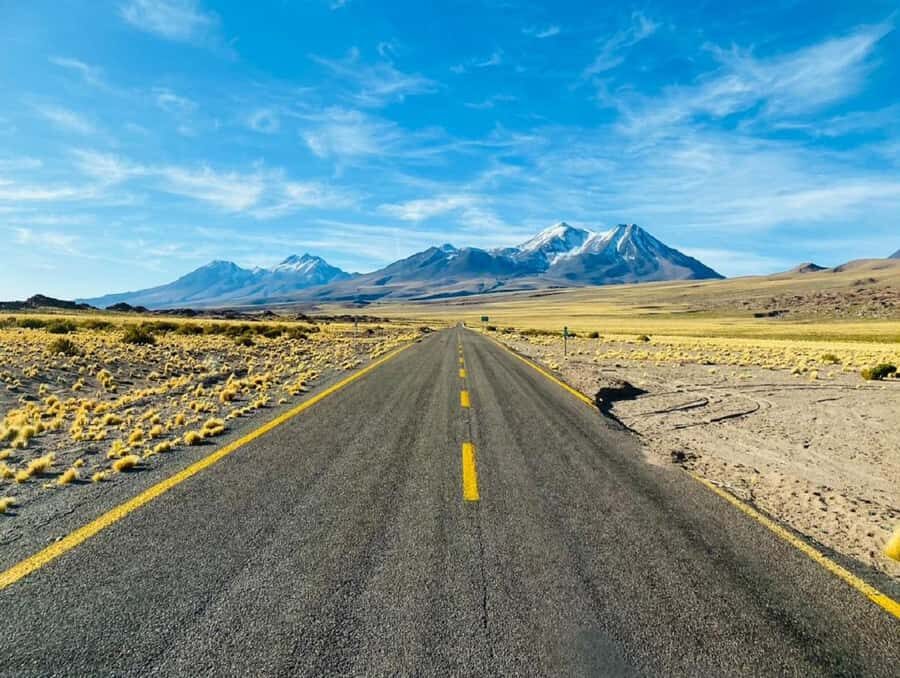
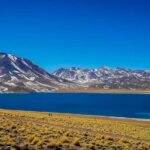
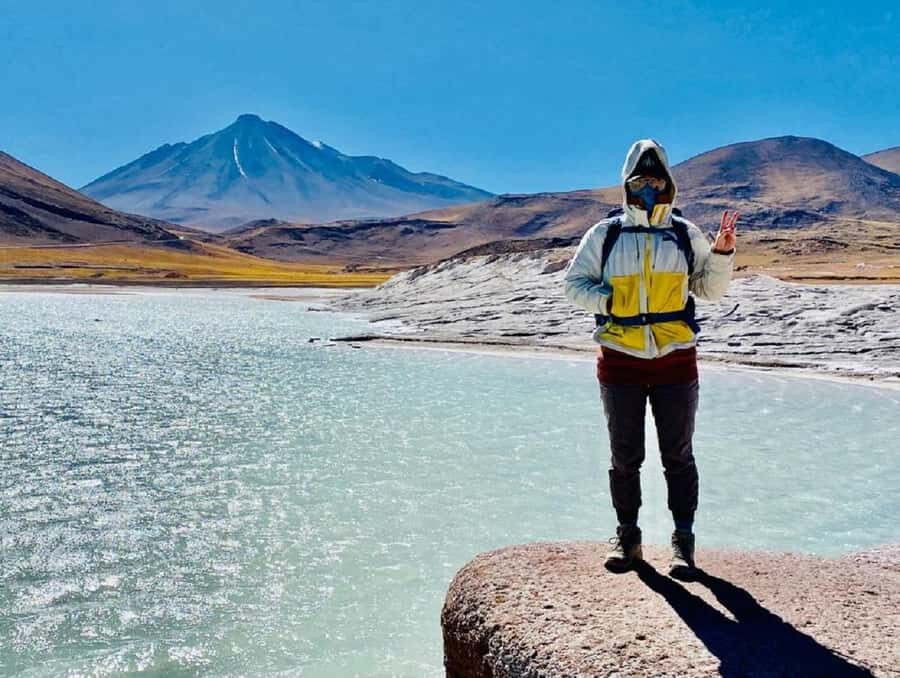
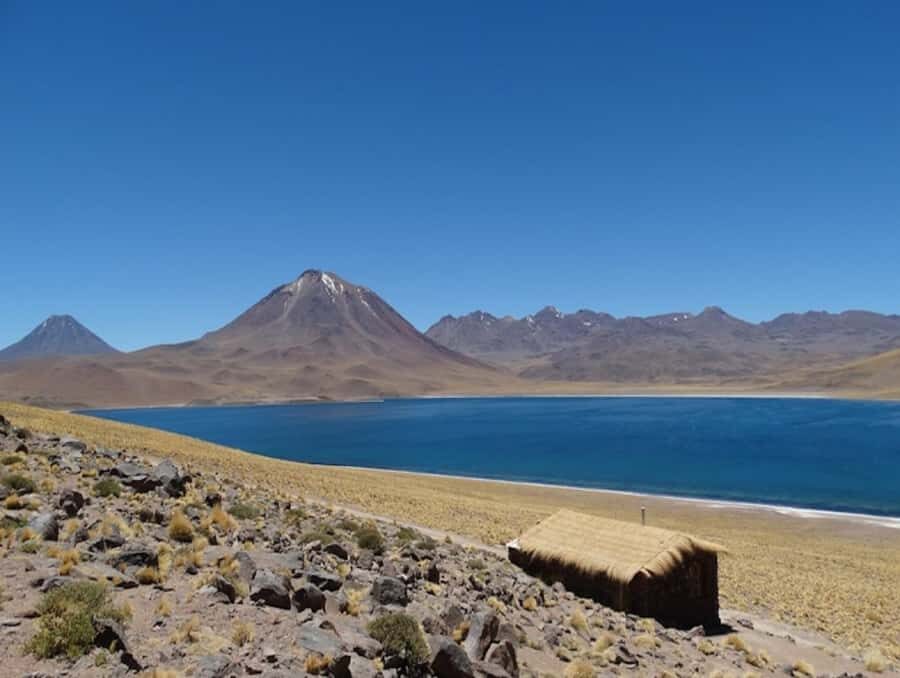
The big altitude push comes next. Miscanti and Meñiques lagoons sit at around 4,200 meters, in the Los Flamencos National Reserve, and the tour includes photo stops plus a guided walk/time to look.
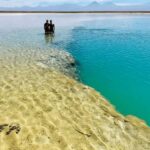
The setting is all about contrast: water in a high, dry zone; volcano silhouettes; and the feeling that you’re far above the everyday world. You’ll also learn what to watch for in the ecosystem, including the kinds of plants that cushion against cold and wind—mostly cushion plants and grasses.
Wildlife you’ll keep an eye out for
The tour highlights that you may spot species like:
- Andean flamingo (again, depending on conditions)
- Horned coot
- Plus several shore and water birds listed for the day
You’ll likely do better if you pause often. This is one of those places where constant motion makes you miss the smaller moments, like a bird shifting near the edge of the lagoon.
Altitude reality check (please don’t skip this)
This portion is not suitable for everyone. If altitude has bothered you before—headaches, breathlessness, or anything that feels more than normal exertion—skip the tour. The operator explicitly flags altitude sickness as a reason to avoid this experience.
The Talar Salt Flat’s Red Stones: oxidation-driven color you can’t manufacture
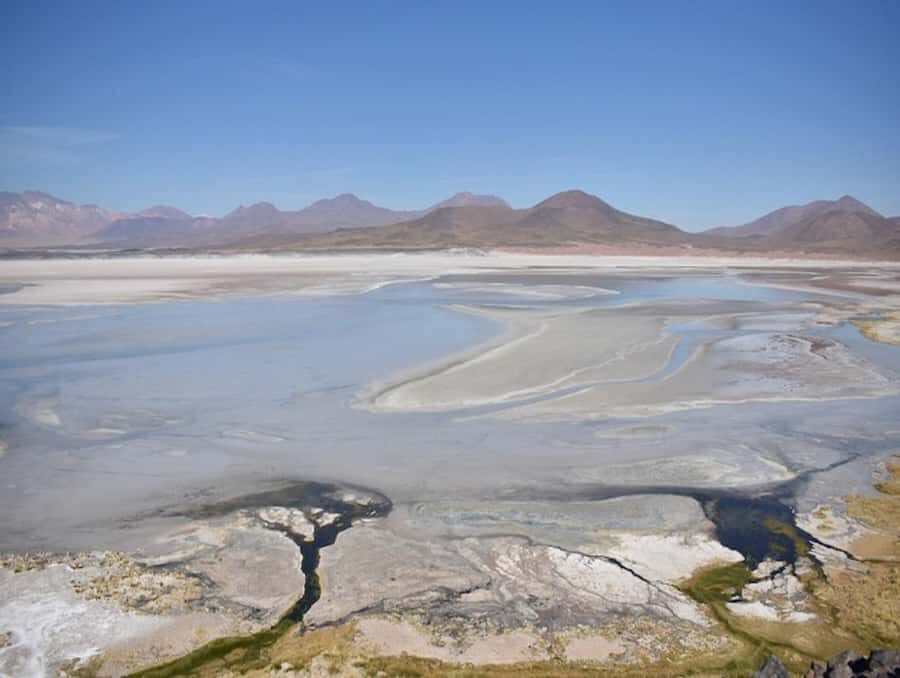
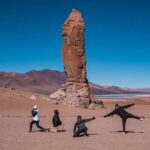
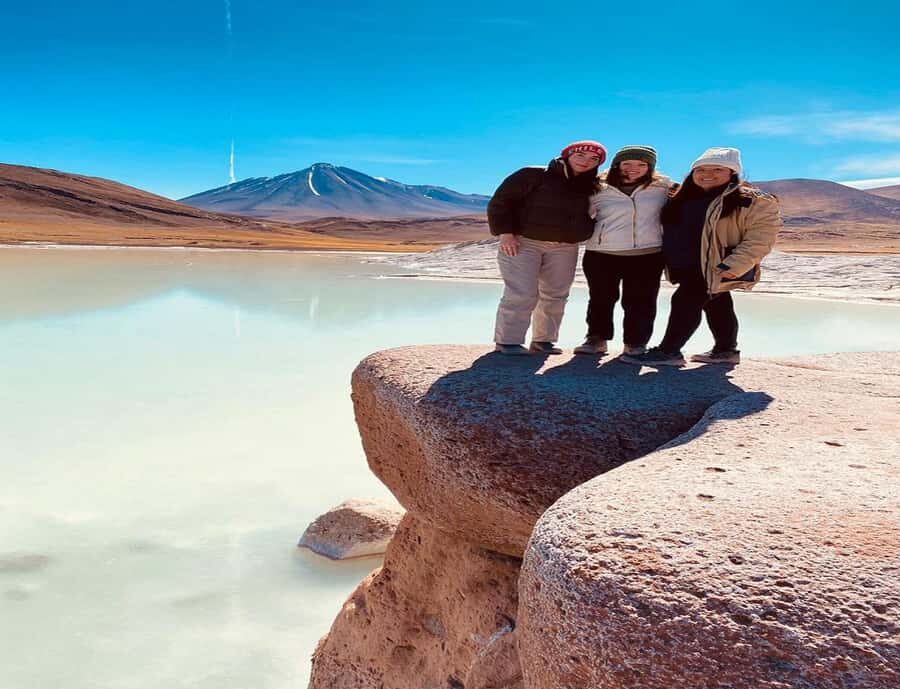
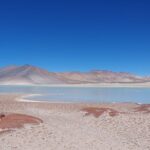
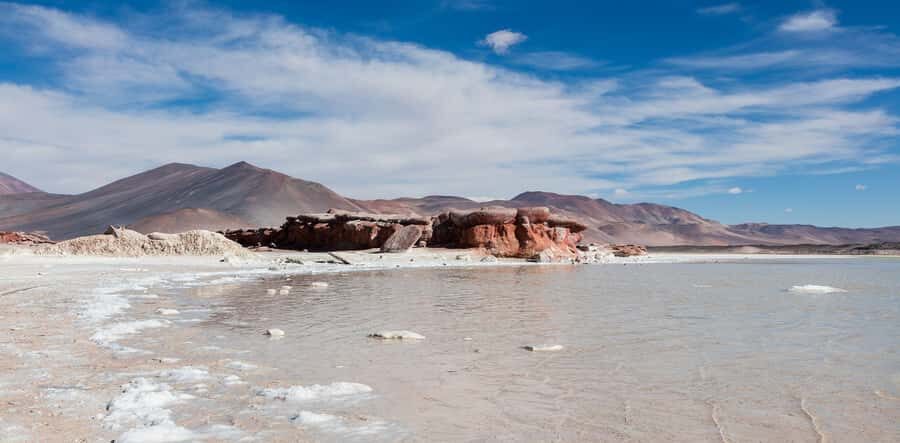
The tour also includes a stop at the Talar Salt Flat, known as the Red Stones. Here, rocks undergo natural oxidation and weathering, creating a striking color effect.
What I like about this moment is that it’s a different kind of “wow.” You’re not looking at birds or water now—you’re looking at texture and chemistry, the kind of visual result you can almost feel in your imagination.
Best way to photograph it
Keep your camera settings ready. Light can change quickly in high desert areas, and you’ll want to capture the rocks before the color shifts with the sun angle.
What the $99 price really covers (and where costs can pop up)
At $99 per person, this tour can feel like a fair deal because it’s not just a bus ride to one viewpoint. You get:
- hotel pickup
- a professional live guide
- transportation in a Jeep/SUV
- packed breakfast and lunch
- guided visits and safety briefings during reserve walks
Small group size matters here. With limited spots (up to 12), you get more attention during walks and wildlife stops, and it’s easier for the guide to keep everyone oriented at altitude.
The costs that are not included
National park tickets are not included. You’ll want to confirm how that’s handled for your exact date so you’re not scrambling on arrival.
Group size and guiding style: why the day feels calm
A big part of the experience is how it’s run. You’re in a small group, and the guide style is aimed at keeping everyone comfortable and informed.
One guide name that comes up often in the context of this tour is Daniel, described as attentive and careful behind the wheel, with safe-driving confidence. Another point people emphasize is that guides help you see more by giving you tools like binoculars for bird spotting.
That guidance tone matters because Atacama can be visually overwhelming. Good guiding helps you pick what to focus on, when to look up, and when to slow down.
What to bring so you’re not miserable at 4,200 meters
This tour lists a smart packing list, and I agree with all of it. Bring:
- comfortable shoes
- warm clothing (the high parts can feel much colder than you expect)
- camera
- sunscreen
- water
Sunscreen isn’t optional. High altitude and open sky can burn you fast. Water matters too, especially with the altitude portion, because you’ll be breathing drier air even when you don’t feel thirsty.
A small day-saving move
If you’re sensitive to cold, add an extra layer you can put on quickly during pauses. Reserve walks are often short, but the wait time before and after can be cool.
Who should book (and who should skip it)
This is best for adults and active travelers who can handle walking at altitude. It also helps if you like birds and want a guided, photo-ready day rather than a drive-by tour.
It is not suitable for:
- children under 10 (and the tour lists age limits up through 70+)
- pregnant women
- people with back, heart, or respiratory issues
- people with altitude sickness
- babies under 1
If any of those apply, pick a gentler option. The lagoons at 4,200 meters are the reason this tour can be so spectacular—and also the reason it can be risky.
Practical logistics: the one thing to confirm before you leave
One operational note to keep yourself from stressing: in San Pedro, morning pickup times can be communicated late by some agencies, and the boarding schedule may be shared at the last minute. The simple fix is to message or confirm the meeting time the evening before, and again early that morning.
Also, ask how your group is being handled once you arrive at the first reserve area. Having clarity keeps the day smooth, especially with limited daylight and altitude pace.
Should you book this Lagoons and Red Stones day?
I’d book it if you want one day that balances wildlife, high-altitude lagoons, and real village stops like Toconao and Socaire. It’s also a good choice if you like smaller groups and a guide who helps you see what matters.
Skip it if you’re altitude-sensitive, need very easy walking only, or you’re trying to do too many big tours back-to-back in the first days in Chile. This is a full-day commitment, and it earns its time at the higher elevations.
If you’re planning your Atacama week, it’s a strong candidate for your “nature plus culture” day—the one where you come away with both bird memories and a better understanding of how people live here.
FAQ
How long is the tour from San Pedro de Atacama?
It runs about 12 hours, starting with pickup from your hotel and returning to San Pedro after the day’s stops.
What’s included in the tour price?
Included are hotel pickup, transportation by Jeep/SUV, a professional guide, visits at Socaire (as part of the route), and packed breakfast and lunch.
Do I need to buy national park tickets?
National park ticket(s) are not included, so you should plan for that extra cost.
What languages is the guide available in?
The live guide speaks Spanish, English, and Portuguese.
What wildlife and sights can I expect?
You may see birds such as the horned coot, Andean flamingo, Baird’s sandpiper, puna plover, Andean duck, and Andean goose, plus cushion plants and grasses in the high-altitude areas and Red Stones on the Talar Salt Flat.
What should I bring and wear?
Wear comfortable shoes, bring warm clothing, and pack sunscreen, water, and a camera for photos and wildlife viewing.