REVIEW · SAN PEDRO DE ATACAMA
San Pedro de Atacama: Red Rocks and Aliplanic Lagoons
Book on GetYourGuide →Operated by OASIS EXPEDICIONES · Bookable on GetYourGuide
That first sight of high-altitude lagoons hits fast. This San Pedro de Atacama day trip strings together altiplanic lagoons and salt flats with great wildlife odds, plus stops in a real Atacamean village. I especially love the combination of breakfast at Miscanti and Miñiques and the later flamingo time at Chaxa Lagoon. One consideration: you’re committing to an early 6:30am pickup and a full day at altitude, so if you’re not comfortable pacing yourself, this may feel like a lot.
The tour is run by Oasis Expediciones with an English/Spanish guide, and the day moves efficiently across big-name places. From one standout guide moment I picked up on, Andres is good at making a plan for solo travelers, including help with photos. The main downside I’d watch for is any early-day service hiccup: for a pickup at dawn, I recommend you stay reachable and verify the pickup location the night before so your day doesn’t start with stress.
In This Review
- Key points at a glance
- A High-Altitude Day With Real Salt Flats and Real Village Life
- Leaving San Pedro de Atacama at 6:30am: Why the Early Start Matters
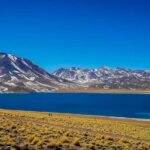
- Miscanti and Miñiques Lagoons at 4,200m: Breakfast With Mountains All Around
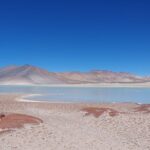
- Salar de Talar and Piedras Rojas: When the Red Rock Gets Loud
- Socaire Village: Farming Terraces and a Historic Church
- Salar de Atacama and Chaxa Lagoon: The Flamingo Reserve Finale
- Wildlife Moments You Can Actually Aim For: Vicuñas, Suris, Foxes
- Food and Timing: Breakfast and Lunch Done in the Best Settings
- Price and Value: Is $55 Worth a Full High-Altitude Day?
- Photography and Solo Travel: How to Get the Shots Without Chasing People
- Should You Book This San Pedro de Atacama Tour?
- FAQ
- How long is the tour?
- What time do they pick you up in San Pedro de Atacama?
- What major places does the tour visit?
- Are breakfast and lunch included?
- What wildlife can I expect to see?
- Are entrance fees included for Pedras Vermelhas and altiplanic lagoons?
- Can I cancel and get a full refund?
Key points at a glance
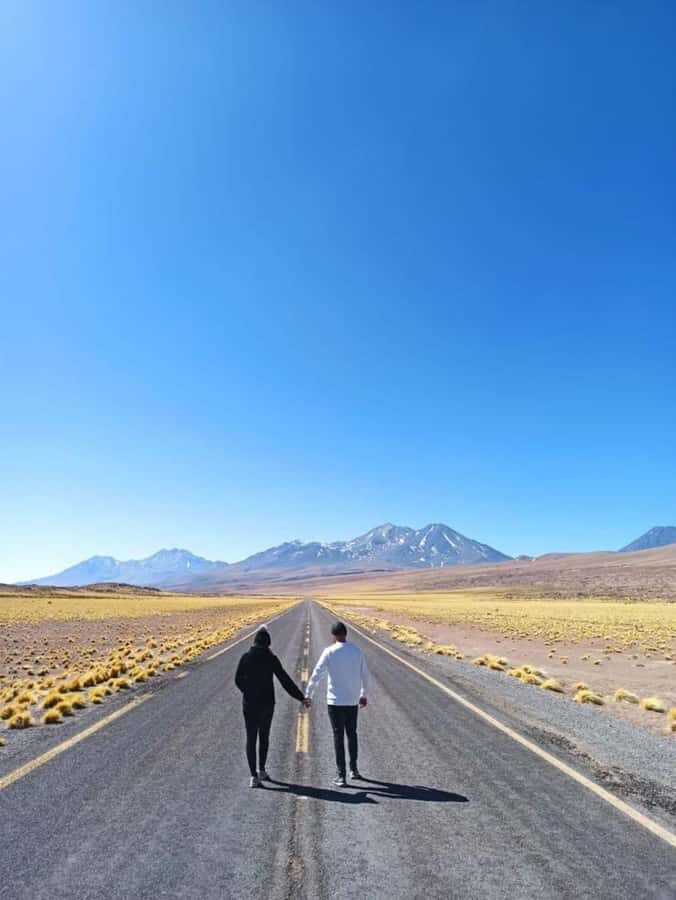
- 4200m altitude at Miscanti and Miñiques, with breakfast timed for the views
- Salar de Talar / Piedras Rojas red rocks, a dramatic change from the lagoons
- Socaire village visit, including farming terraces and a historic church
- Salar de Atacama and Chaxa Lagoon inside the national flamingo reserve
- Wildlife chances: vicuñas, suris, and foxes, plus flamingos in multiple species
- A full-day route that’s designed to fit 10 hours with meals included
A High-Altitude Day With Real Salt Flats and Real Village Life
This is the kind of Atacama trip that makes sense if you want a lot of variety in one day. You’ll start from San Pedro de Atacama at 6:30am and work your way through high ground, red-rock terrain, a small farming village, and finally the salt flats where the wildlife gets serious.
I like that the day isn’t just driving past viewpoints. The stops are positioned so you can actually slow down: breakfast at the lagoons, time at the red-rock salar, a village visit that’s about how people live, and then a longer salt-flat finale at the flamingo reserve. That flow is a good value for your time, especially if you don’t have days to spare to do separate tours.
Just plan for the altitude. The route flags multiple high-altitude moments, and one of the clearest ones is the 4,200m setting of Miscanti and Miñiques. Even if you’ve been fine in town, your body may take a little time to adjust once you’re higher. Bring a calm pace into the day and keep your expectations anchored in the scenery, not speed.
You can also read our reviews of more tours and experiences in San Pedro De Atacama.

Leaving San Pedro de Atacama at 6:30am: Why the Early Start Matters
An early departure sounds painful, but it’s useful here. First, the lagoons at 4,200m are the star, and morning light tends to flatter both water and mountain tones. Second, the Atacama day is built on a chain of places that are far apart, so the schedule needs momentum.
You’ll be picked up from your accommodation in San Pedro de Atacama, then you’ll ride out toward the highlands. Expect a full day rather than a quick hit: you’re back around 5pm, which helps you keep the rest of your evening free in town.
Practical note: you’ll have a guide speaking English and Spanish, which matters because altitude and wildlife viewing can get more interesting when you know what you’re looking at. If you’re traveling solo, I also think it helps to have someone who can guide you through angles and timing, not just read off facts.
Miscanti and Miñiques Lagoons at 4,200m: Breakfast With Mountains All Around
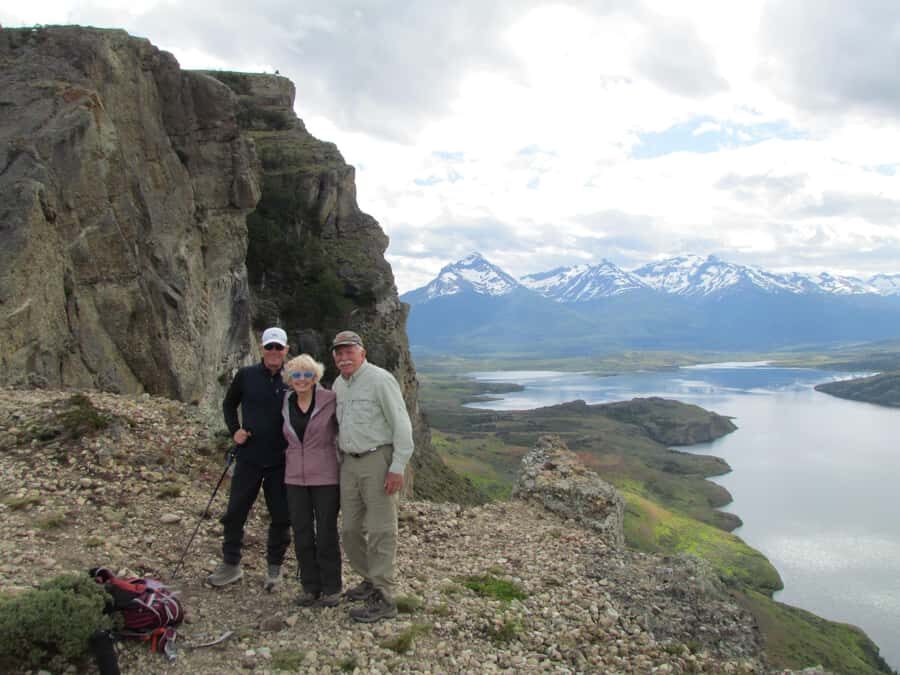
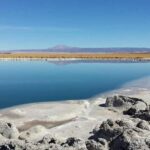
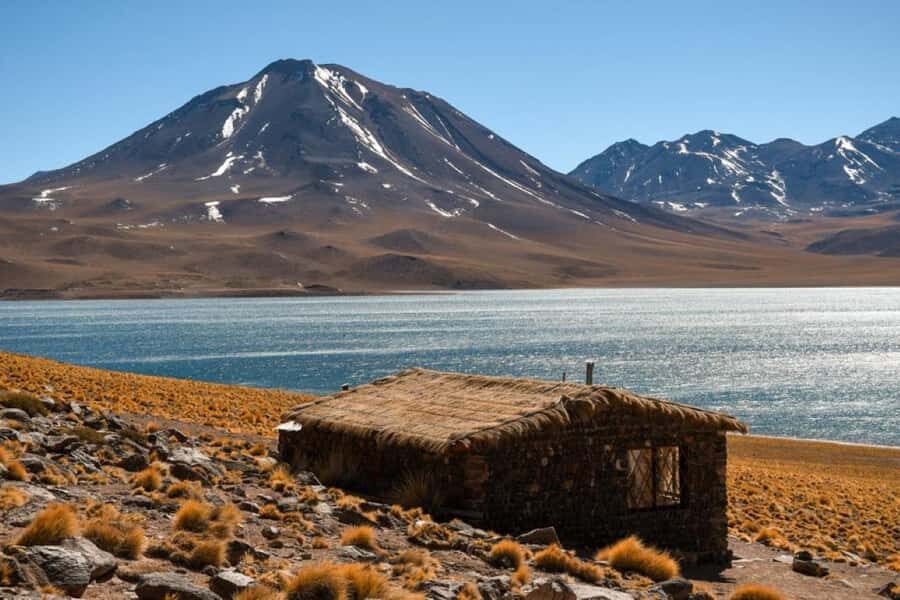
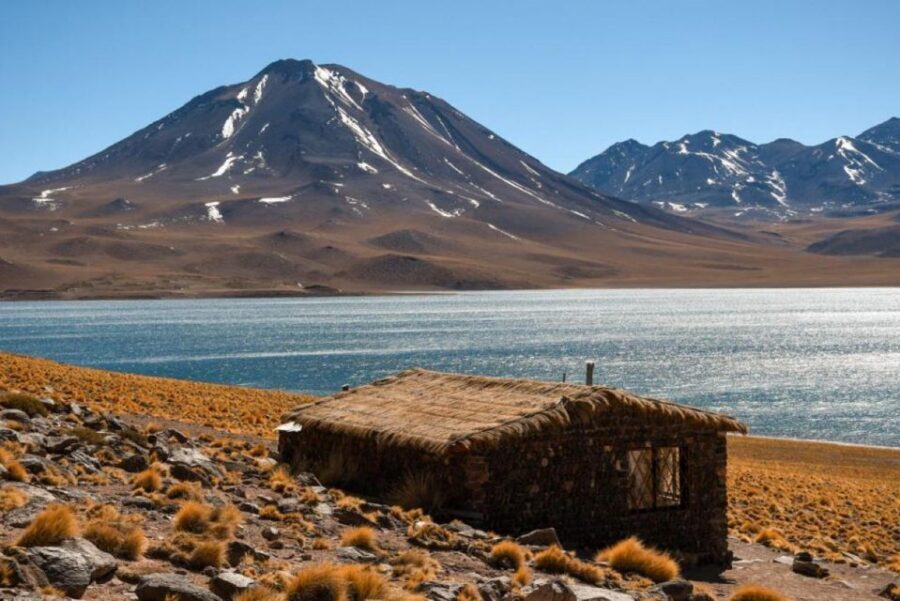
Your day’s first major wow is the mountain lagoons of Miscanti and Miñiques, sitting at about 4,200 meters above sea level. These lagoons are beautiful in a quiet, held-breath way. The mountains ring the area, and the whole scene feels far removed from the town hustle.
Breakfast here is a big part of the experience, not just a meal stop. Food at altitude tends to feel more energizing because the air is crisp and the whole setting makes you slow down. You’ll also have a better chance to spot the smaller signs of life around the waterline, since the surroundings aren’t just wide-open rock.
You can also expect fauna and flora attention from your guide. The Atacama highlands aren’t a zoo scene; it’s more about noticing details—tracks, the way animals use the terrain, and where birds gather.
If you’re coming from sea level comfort, take it easy on arrival. The best strategy is simple: drink water, move slowly, and don’t treat this stop like a race to the best photo spot.
Salar de Talar and Piedras Rojas: When the Red Rock Gets Loud
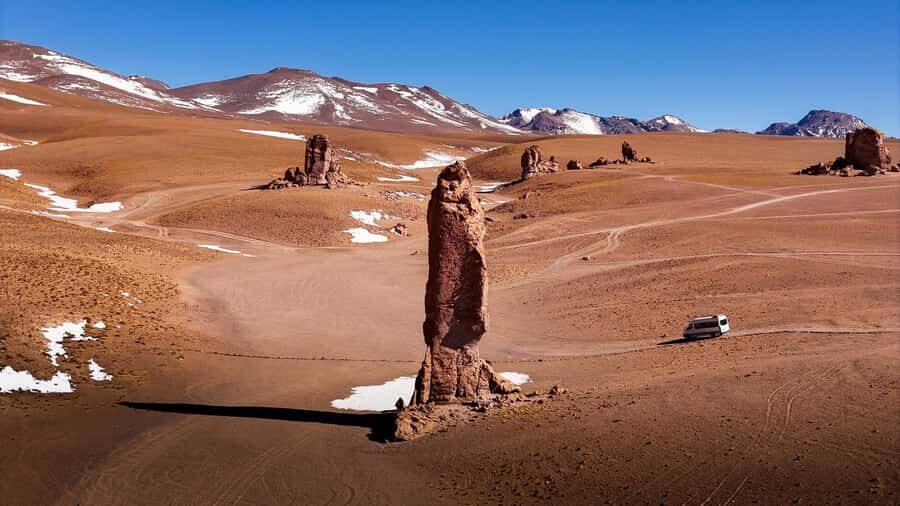
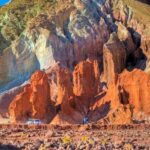
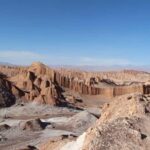
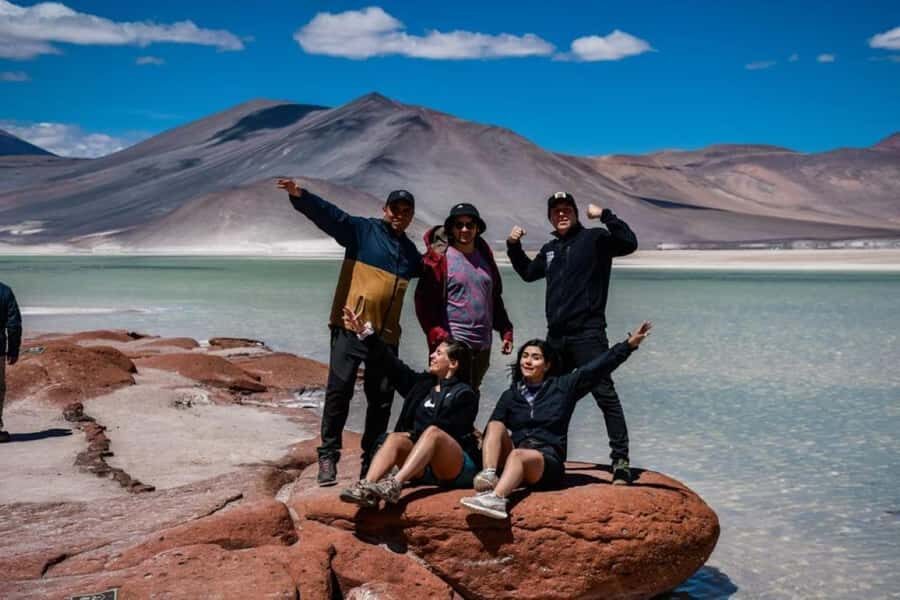
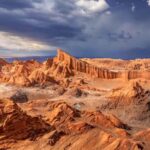
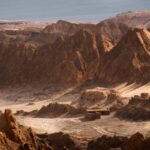
After the lagoons, the scenery shifts toward one of the most photogenic contrasts in the region: Salar de Talar, also known as Piedras Rojas (red rocks). This is where the color story changes fast. Instead of mountain water, you’re looking at the kind of red-toned terrain that makes your camera work harder.
This stop is ideal if you like scenery that feels dramatic without needing explanation. The rocks and textures create their own drama, and they photograph well from multiple angles. A quick tip: expect the light to change over the course of the time you’re there, so take a few photos early and then return to your favorite angle once the color settles.
One more reason I like this kind of stop inside a full-day tour: it breaks up the long “high plateau” feeling. You’re still in the highlands, but the visual mood becomes different enough that the day stays interesting.
Socaire Village: Farming Terraces and a Historic Church
Next comes a stop that adds context beyond geology. You’ll visit Socaire, a picturesque Atacamean village where farming terraces and a historic church are part of what you’ll see.
This is where the trip feels grounded. You’re not just chasing scenery; you’re seeing a place shaped by people working with harsh land. Farming terraces in the Atacama are a reminder that survival here isn’t abstract. It’s practical, built into the terrain, and visible if you look closely.
I also like that the village stop provides a mental reset after the intense open landscapes. When you step into a village environment, your brain shifts from scanning for animals and textures to noticing architecture, everyday movement, and human scale.
If you enjoy cultural stops that don’t feel forced, this is a strong fit. It also helps break the day into chunks so you don’t feel stuck in a single mode for 10 hours.
Salar de Atacama and Chaxa Lagoon: The Flamingo Reserve Finale
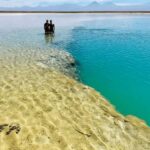
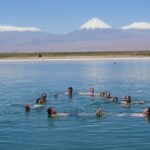
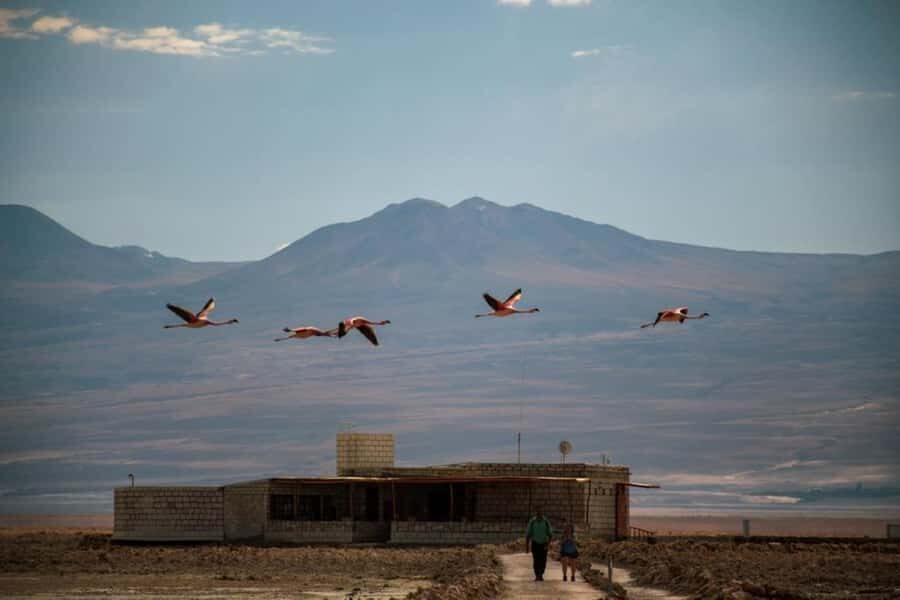
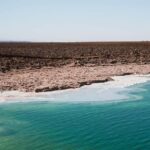
The grand finale is the salt-flat world: Salar de Atacama, Chile’s largest salt lake, and the national flamingo reserve. Here, you’ll reach Chaxa Lagoon, a prime viewing area where three distinct species of flamingo are said to show up, along with other creatures.
This is the part of the tour that many people come for, and for good reason. Flamingos in the wild look different from photos because you see their behavior—how they stand, where they group, and how they move across the water edge. The salt-flat setting also makes the whole scene feel crisp and graphic, like the horizon is sharper than it is in most places.
What makes this stop valuable is the viewing context. You aren’t just driving past a big place; you’re spending time in one area where wildlife can show itself without you constantly relocating.
Photography tip: go for a mix of wide shots and tighter frames. Wide helps you capture the salt-flat geometry and water contrast. Tighter shots are better for the flamingo behavior.
If you’re a bird watcher, you’ll probably get more out of patience here than you will from chasing every quick movement. Watch for how the group forms and reforms, not just the one bird that happens to move first.
Wildlife Moments You Can Actually Aim For: Vicuñas, Suris, Foxes
The tour’s wildlife list is one of the reasons it has a strong reputation for repeat interest. In addition to flamingos, you may encounter vicuñas, suri (rheas), and foxes.
Here’s the realistic way to think about wildlife on this route: you’re in open terrain. That means you often see animals at a distance, and the best sightings come from scanning steadily rather than sprinting to every spot.
Vicuñas are the kind of animal that can feel almost unreal when you notice them in the right spot on a ridge line. Suris are harder to predict, since their viewing is about terrain and timing more than anything. Foxes, when they show up, tend to be quick and subtle, so you’ll want to keep your eyes moving but your body steady.
Your guide can make this easier because they know where to focus attention. It’s one thing to travel with a camera; it’s another to travel with a guide who can point out what to look for and when.
Food and Timing: Breakfast and Lunch Done in the Best Settings
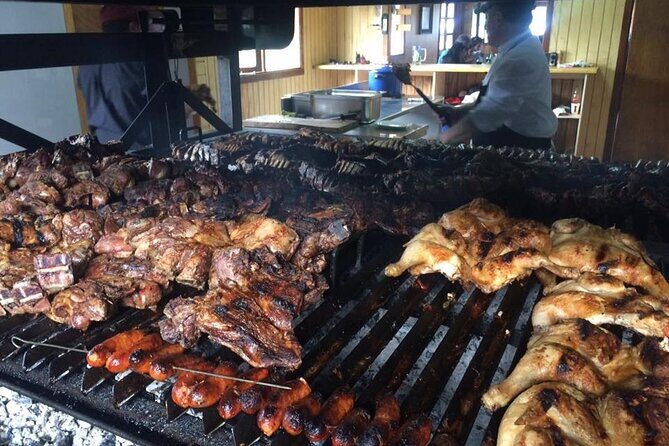
This trip includes breakfast and lunch, served in scenic highland settings rather than as a random stop. Breakfast is at the lagoons, and lunch is included as part of the day’s natural rhythm.
That matters for value. Atacama tours can be expensive because you pay for logistics, guide time, and entry fees. Here, the meal plan is part of the package. You’re not spending extra time hunting for food in town or changing plans because a lunch place doesn’t exist where the schedule needs it.
Also, eating at the right times helps your altitude comfort. If you keep a steady routine—eat, drink, rest between viewpoints—you’re more likely to enjoy the day instead of just surviving it.
Price and Value: Is $55 Worth a Full High-Altitude Day?
At $55 per person for a 10-hour day, this is the kind of price point that makes sense if you want to stack major Atacama highlights without piecing together multiple separate tours.
Here’s what you’re getting for your money, based on what the day includes:
- Transportation with pickup in San Pedro de Atacama
- A guide speaking English/Spanish
- Meals (breakfast and lunch)
- Multi-stop access across lagoons, red-rock salar terrain, village sights, and flamingo reserve viewing
- Time set aside for viewing rather than just passing through
Compared to the cost of doing the same areas as separate day trips, this kind of bundled route is often where the value lives. The trade-off is that it’s still a full day with early pickup and some time at altitude. You’re paying for variety and schedule efficiency.
If you’re the type who wants maximum sights per day, this is a strong match. If you’re looking for a relaxed, slow tour with lots of free time for wandering, you might prefer a smaller, single-region itinerary instead.
Photography and Solo Travel: How to Get the Shots Without Chasing People
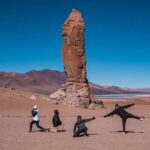
One of the more useful details from real-world experience is how the guide handles solo travelers. Andres is specifically called out for being great at helping with photos when someone is traveling alone. That’s not a small thing. In the Atacama, most of the best shots require a steady tripod pose, and it’s hard to get the right angle when you’re responsible for your own camera.
If you travel solo, I recommend you:
- Keep your camera accessible at each stop
- Ask the guide at the start of a viewpoint if they can help with shots when the group pauses
- Take one wide shot first, then switch to behavior and detail shots
For red rocks and flamingos, timing matters. If you wait until everyone moves again, you’ll lose the chance to get the best light and the cleanest background.
Should You Book This San Pedro de Atacama Tour?
I’d book it if you want a high-altitude sampler that covers the big visual hits in one day: Miscanti/Miñiques, Piedras Rojas, Socaire, and Salar de Atacama/Chaxa Lagoon for flamingos. The meals and guided viewing make the day feel organized, and the wildlife mix adds real payoff beyond scenery.
Skip it or rethink it if you strongly dislike early mornings, don’t handle altitude well, or prefer very slow travel with lots of downtime. This is a “see a lot” day, not a “linger for hours in one place” day.
If you do book, set yourself up for a smooth start: confirm pickup details the night before, keep water handy, and go in expecting beauty plus a bit of altitude effort.
FAQ
How long is the tour?
It’s listed as a 10-hour experience.
What time do they pick you up in San Pedro de Atacama?
Pickup from your accommodation is at 6:30am.
What major places does the tour visit?
You’ll go to Miscanti and Miñiques lagoons, Salar de Talar (Piedras Rojas), Socaire, and Salar de Atacama with Chaxa Lagoon.
Are breakfast and lunch included?
Yes. Breakfast and lunch are included.
What wildlife can I expect to see?
The tour highlights include flamingos (three distinct species at Chaxa Lagoon) and the chance of seeing vicuñas, suris, and foxes.
Are entrance fees included for Pedras Vermelhas and altiplanic lagoons?
Entrance for Pedras Vermelhas and Altiplanic Lagoons is shown as included.
Can I cancel and get a full refund?
Yes. You can cancel up to 24 hours in advance for a full refund.