REVIEW · SAN PEDRO DE ATACAMA
Tour Piedras Rojas + Altiplanic Lagoons + Chaxa Lagoon
Book on GetYourGuide →Operated by Whipala Expedition · Bookable on GetYourGuide
High-altitude lagoons and red rocks in one day.
This tour strings together Los Flamencos National Reserve highlights, from the marshy shores of Laguna Chaxa to the glacial-fed lagoons of Miscanti and Meñiques, plus the oxidized color of Piedras Rojas. I like how the day keeps moving but still makes time for short, doable walking, and I appreciate the guide-led focus on birds and desert plants like llareta and paja brava. One thing to consider: you’ll be at big elevation for hours, so if you’re sensitive or expect a casual pace, plan carefully and dress for cold.
I also like the human stops. Toconao brings calm street life, simple architecture, and local craftsmanship, then Socaire adds an agriculture angle with a church visit in the Andes. The possible drawback is that weather can force changes to the plan, and a long day at altitude can feel tougher if you weren’t ready for it.
In This Review
- Key Things You’ll Notice on This Route
- Why This Mix Works: Toconao, Lagoons, and Piedras Rojas in One Loop
- Price and Logistics: Tickets, Timing, and the Real Total Cost
- Toconao and Socaire: The Desert Has People, Not Just Views
- Laguna Chaxa in Los Flamencos: Wetlands Where Birds Own the Show
- Miscanti and Meñiques (Around 4,200m): The Walk, the Lagoons, and the Species List
- Piedras Rojas (Salar de Talar): Red Rocks and the Geology Behind the Color
- En Route Stops and the Meals: Small Breaks That Affect Your Day
- Who Should Book This Tour (and Who Should Skip)
- The Guide Experience: Spanish and English, and How It Shapes the Day
- Should You Book This Piedras Rojas + Altiplanic Lagoons Tour?
- FAQ
- How long is the tour?
- What main places are visited?
- Is hotel pickup included?
- Are park or entrance tickets included in the $82 price?
- What meals are included?
- Is there trekking during the tour?
- What should I bring?
- Are drones allowed?
- What’s the tour’s guide language?
- Is this tour suitable for kids or seniors?
Key Things You’ll Notice on This Route
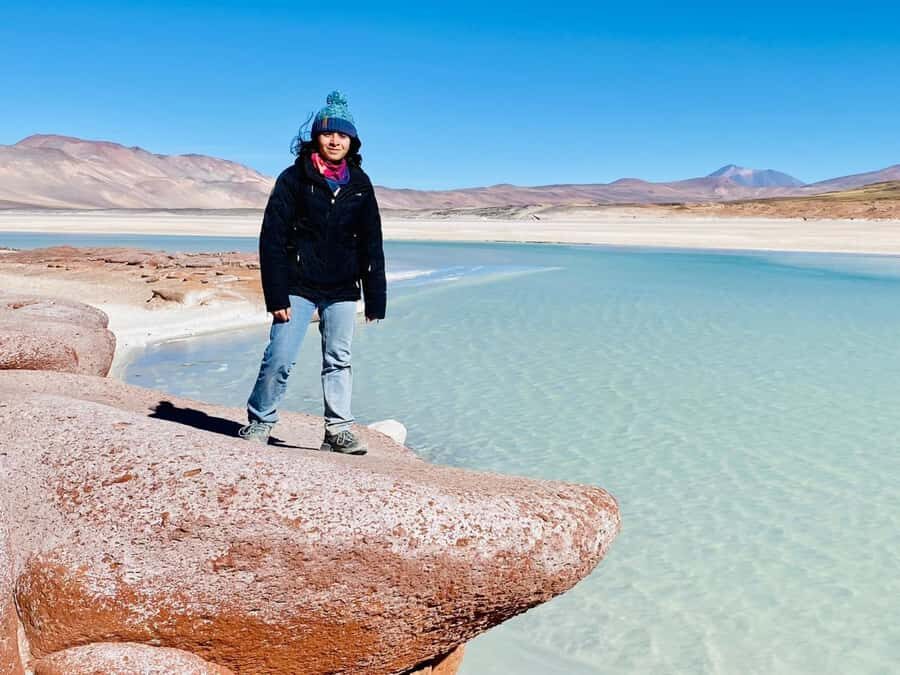
- Los Flamencos National Reserve in three different moods: Chaxa wetlands, then Miscanti and Meñiques lagoons, then bird country with volcano backdrops
- A short trek (about 1 hour) on trails near the lagoons, built for people who want a stretch without an all-day hike
- Glacial-fed water explained in plain terms: the lagoons form from groundwater tied to melting ice
- Birdwatching with named species like horned tagua and guallata, not just generic wildlife talk
- Piedras Rojas color from oxidation and weathering, a geology lesson you can actually see
- Pickup timing matters: you’re expected to be ready in the lobby within a ~30-minute pickup window
Why This Mix Works: Toconao, Lagoons, and Piedras Rojas in One Loop
This is the kind of day trip that makes sense in northern Chile because the distances are long, but the payoffs are concentrated. You start with Toconao, then shift into the altiplano world of Los Flamencos, and end at Piedras Rojas for that pop of red rock that looks unreal until you understand the chemistry behind it.
I like that the itinerary isn’t just scenic stops. It gives you context: why the lagoons exist, what species call them home, and what the salt-flat region is doing geologically. Even the planned stop for the Tropic of Capricorn helps you anchor the trip to a real line on the globe instead of vague “look how far south we are” tourism.
The tour is listed as 11 hours with shared minibus transport, a driver/guide in English and Spanish, and both breakfast and lunch en route. At $82 per person, it’s priced like a solid “value slot” tour—but the total cost can rise once you add the park entrance tickets (more on that next).
You can also read our reviews of more tours and experiences in San Pedro De Atacama.

Price and Logistics: Tickets, Timing, and the Real Total Cost
On paper, $82 covers the core tour components: hotel pickup, shared transportation by minibus, guide/driver, and two meals (breakfast en route and lunch en route). The big catch is entrances.
Entrance tickets to the parks and places to visit are not included. The listed amounts are:
- National: $20,200
- Foreigners: $28,7500
And you’re told to pay in advance at the agency, coordinating through WhatsApp +56966501961.
That means you should think of the price as two parts: the tour fee (covering transport, guiding, meals) plus the park fees (covering access to the reserve and specific sites). If you’re budgeting, ask for the exact ticket total early and plan to handle the payment promptly.
Timing is the other logistics piece you can’t ignore. Pickup lasts about 30 minutes, and you must wait in the lobby or reception. If your accommodation is outside town, you’ll need to arrange a central pickup point. If you miss pickup, the tour doesn’t wait around.
Finally, the day is long enough that small surprises can matter. I’ve seen a range of outcomes in reviews, including cases where weather changes required a last-minute shift. In those situations, the day can feel more intense at altitude, so I recommend you travel like it’s an all-weather adventure: warm layers, water, and a calm mindset.
Toconao and Socaire: The Desert Has People, Not Just Views
The tour’s human-side stops do real work. Toconao is described as simple and calm, with distinctive architecture and local craftsmanship. Even if you only get a short window, you’re not just rushing past storefronts. The goal is to show you a town that has adapted to extreme conditions with practical building choices and everyday rhythm.
I like Toconao because it changes your body’s expectations. You step out of “tour photo mode” and into something more lived-in. The air feels sharper, the light is different, and you start to notice how daily life fits the climate.
Then you head to Socaire in the Andes. You visit the church there and learn about agriculture. That agriculture angle is important in this region. The altiplano isn’t only about barren ground; it’s about managing water, seasons, and hardy crops in a landscape where you have to plan.
If you’re the kind of traveler who likes learning beyond a viewpoint plaque, these two towns are where the tour adds depth without taking over the whole schedule.
Laguna Chaxa in Los Flamencos: Wetlands Where Birds Own the Show
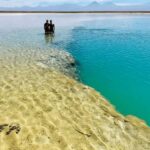
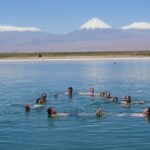
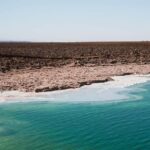
After Toconao, you move to Laguna Chaxa in the Soncor sector of Los Flamencos National Reserve. This stop is built around what’s happening at the waterline: the open, shallow wetland areas attract a range of birds. The reserve’s reputation isn’t just for looks—it’s for wildlife presence.
You’re likely to spend time at the Laguna Chaxa sector observing from the area the tour route uses. In this region, a big part of the fun is timing and patience. Birds don’t perform on a schedule, and the best sightings often come after you stop trying to “catch” something and start watching.
One practical tip: take sunscreen seriously here. Even with cold weather, the sun can feel intense at altitude. The tour advises sunscreen and warm clothing, and I agree—your comfort will change your ability to enjoy the viewing time.
If you’re a first-timer, this is also where you’ll probably get your first sense that the lagoons aren’t random puddles. They’re part of a larger system tied to groundwater and ice melt. That idea becomes clearer later at Miscanti and Meñiques.
Miscanti and Meñiques (Around 4,200m): The Walk, the Lagoons, and the Species List
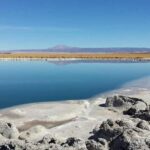
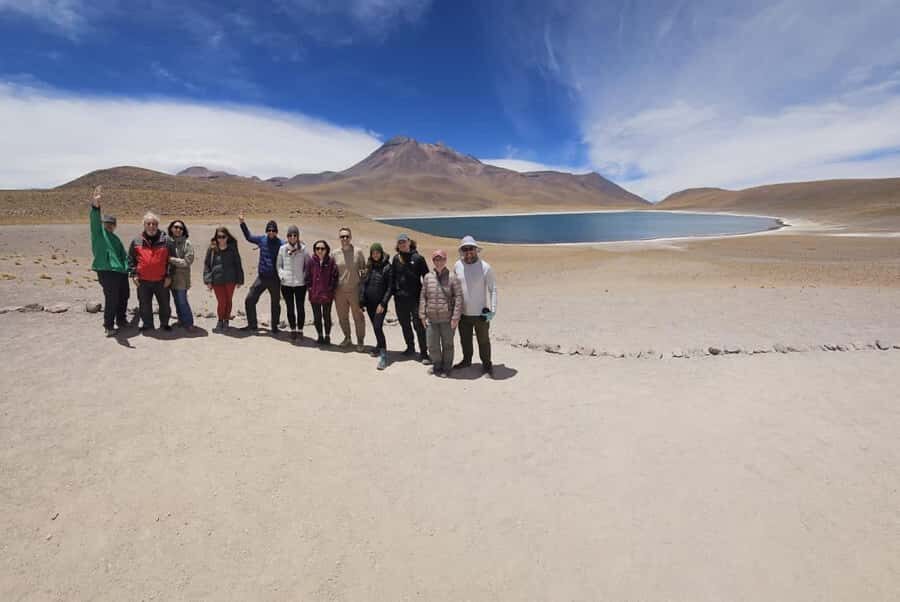
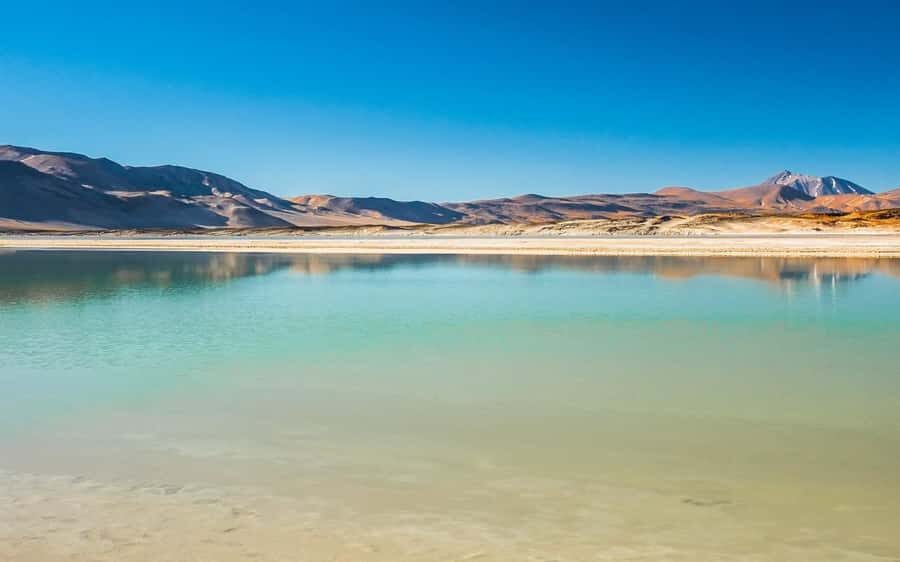
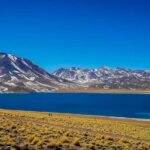
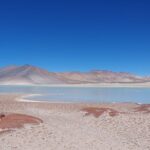
This is the centerpiece stop for many people because it combines high elevation, dramatic terrain, and a manageable trek. The tour heads to the altiplano area at about 4,200 meters, aiming for Lagunas Miscanti y Meñiques, both within Los Flamencos National Reserve.
You get two key experiences here:
1) time by the lagoons themselves
2) a trekking walk of about 1 hour on nearby trails
The walking part matters because it turns “standing and staring” into an actual experience. You’ll be on trails close enough to see the shores, but you’re not committing to a long hike. The guide-led pace can make a difference too—one review highlights how the day was not rushed and felt calming, with strong knowledge-sharing from the guide (including a guide named Denny).
What makes these lagoons feel special is the explanation of origin: they form thanks to groundwater fed by melting ice. That gives the scene a cause-and-effect story. You’re not just looking at water; you’re looking at a process that depends on seasonal conditions and mountain ice.
The tour also points out the wildlife you might see, including:
- horned tagua
- parinas chicas
- caití
- Baird’s sandpiper
- puna plover
- juarjual duck
- guallata
The flora is equally specific: llareta and paja brava. This kind of naming helps you notice details. When you can attach a name to a plant you’re seeing, the stop becomes more than scenery.
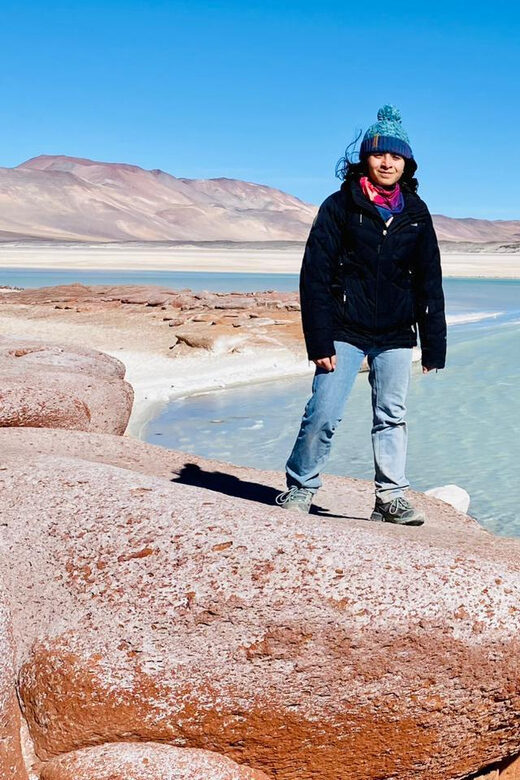
Because you’re at altitude, dress like it’s cold and windy even if the day feels bright. The tour suggests warm clothing, a jacket, long pants, closed-toe shoes, and water. I’d add one practical approach: plan to move slowly at the start of the trail walk. Rushing is a surefire way to feel worse than you need to.


Piedras Rojas (Salar de Talar): Red Rocks and the Geology Behind the Color
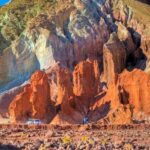
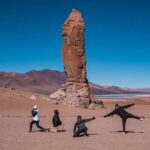
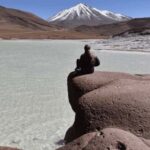
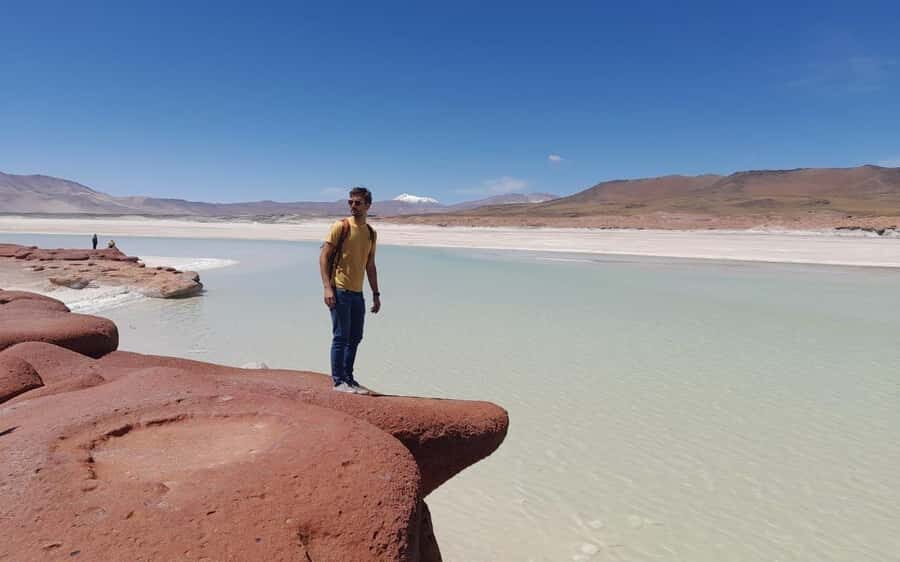
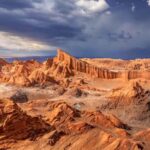
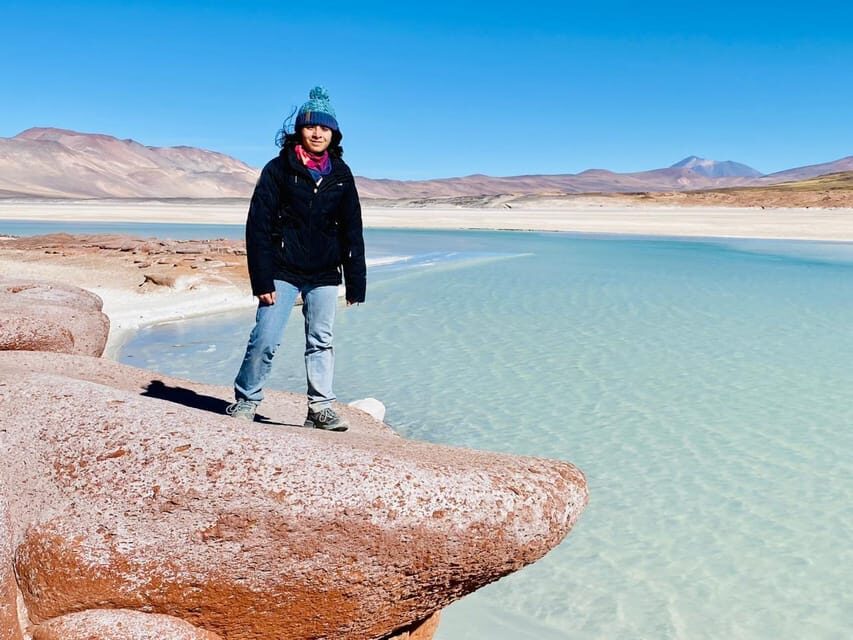
After the lagoons, you head along the foothills of the Southern Andes to Salar de Talar, known touristically as Piedras Rojas. The color here is the star: rocks are subjected to natural oxidation and weathering, which creates the red tones. The tour notes that the intensity can lessen under the intensity of the Andes light—meaning photos can look different depending on sun angle and cloud cover.
This stop works well as a finale because it changes the visual story. You’ve been in wetland and ice-influenced water zones, then you shift to arid rock color, and the geology explanation ties it together.
Even if you’re not a geology person, you’ll probably find it satisfying because the cause is visible. You’re not told a legend; you’re shown something that looks like it’s actively being transformed.
As with other sites, conditions can shift quickly, so keep your layers on and your camera ready. Wind can sneak up on you at altitude.
En Route Stops and the Meals: Small Breaks That Affect Your Day
This tour includes a stop en route, plus breakfast and lunch. The exact timing can vary based on the day’s flow and weather, and that’s where you should be flexible.
One caution from a less positive review: a badly disrupted day can mean longer stretches without food or extra snacks, especially if the itinerary changes. I can’t promise that kind of disruption will happen to you, but I can say this: the itinerary is long, altitude makes you feel it more, and hunger can turn a beautiful day into a stressful one.
So my practical recommendation is simple: carry a small snack in your day bag (something quick and non-messy), plus extra water. The tour includes water in its packing list, but bringing a bit more than you think you’ll need is smart in high places.
Who Should Book This Tour (and Who Should Skip)
This is not a casual “anyone can do it” excursion. The tour data lists it as not suitable for:
- children under 12
- pregnant women
- people with mobility impairments
- people with heart problems
- people prone to seasickness
- people over 80
And because the day includes time around 4,200m, altitude comfort matters even if you’re otherwise healthy. If you get headaches easily at elevation, feel breathless quickly, or have any heart or circulation concerns, you should think twice and check with your doctor.
That said, it can be a great fit if you:
- want a one-day hit list of Los Flamencos Reserve highlights
- like short guided walking more than long hikes
- enjoy birdwatching and named nature explanations
- want a structured day with morning pickup and a guided route, not self-driving
If you’re traveling with limited time but you want more than a single photo stop, this tour is a strong match.
The Guide Experience: Spanish and English, and How It Shapes the Day
A tour like this lives or dies by the guide. The best experiences share the same traits: clear communication, pacing that doesn’t rush your altitude adjustment, and explanations that help you see what matters.
One review praises the organization and the included meals, with a guide who was both competent and friendly. Another review specifically calls out a guide named Denny, describing the experience as organized and anxiety-free, with lots of knowledge sharing.
You should expect interpretation of the landscape through wildlife and plant names, plus practical timing. If you speak either English or Spanish, you’ll have a better chance of understanding what you’re seeing instead of just collecting photos.
Should You Book This Piedras Rojas + Altiplanic Lagoons Tour?
Book it if you want a structured, single-day route that covers Toconao, Laguna Chaxa, Miscanti and Meñiques, and Piedras Rojas, with short walking and detailed wildlife/plant explanations. The value is strongest when you budget correctly for the park entrance tickets and dress for altitude.
Skip or reconsider if altitude is a big risk for you, if you need step-by-step accessibility support, or if a long day with possible weather disruptions would stress you out. The itinerary is designed for doable walking and viewing, but it still moves through high country where comfort depends on preparation.
If you do book, do the unglamorous things that make the trip better: handle the park ticket payment in advance, be ready for the pickup window, pack warm layers and closed-toe shoes, and bring a small snack just in case the day runs longer than you expect.
FAQ
How long is the tour?
It runs for 11 hours.
What main places are visited?
You’ll visit Toconao, Laguna Chaxa (Soncor sector), Socaire (including a church visit), Lagunas Miscanti and Meñiques, and Piedras Rojas (Salar de Talar), plus a stop en route.
Is hotel pickup included?
Yes. Hotel pickup is included, and pickup lasts about 30 minutes. You should wait in the lobby or reception. Drop-off is at the center where the driver can park.
Are park or entrance tickets included in the $82 price?
No. Entrance tickets are not included. The tour lists different costs for nationals and foreigners, and says tickets must be paid in advance with the agency via WhatsApp.
What meals are included?
The tour includes breakfast en route and lunch en route.
Is there trekking during the tour?
Yes. There is a trekking of about 1 hour, and you’ll also walk along trails near the lagoons.
What should I bring?
Bring warm clothing, jacket, long pants, closed-toe shoes, sunscreen, water, and follow the tour’s packing guidance.
Are drones allowed?
No. Drones are not allowed.
What’s the tour’s guide language?
The guide/driver provides service in English and Spanish.
Is this tour suitable for kids or seniors?
It is listed as not suitable for children under 12 and people over 80, and it’s also not suitable for several other groups including pregnant women and people with certain health conditions.