REVIEW · SAN PEDRO DE ATACAMA
Rainbow Valley
Book on GetYourGuide →Operated by Feel Atacama · Bookable on GetYourGuide
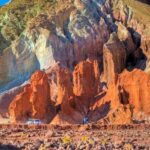
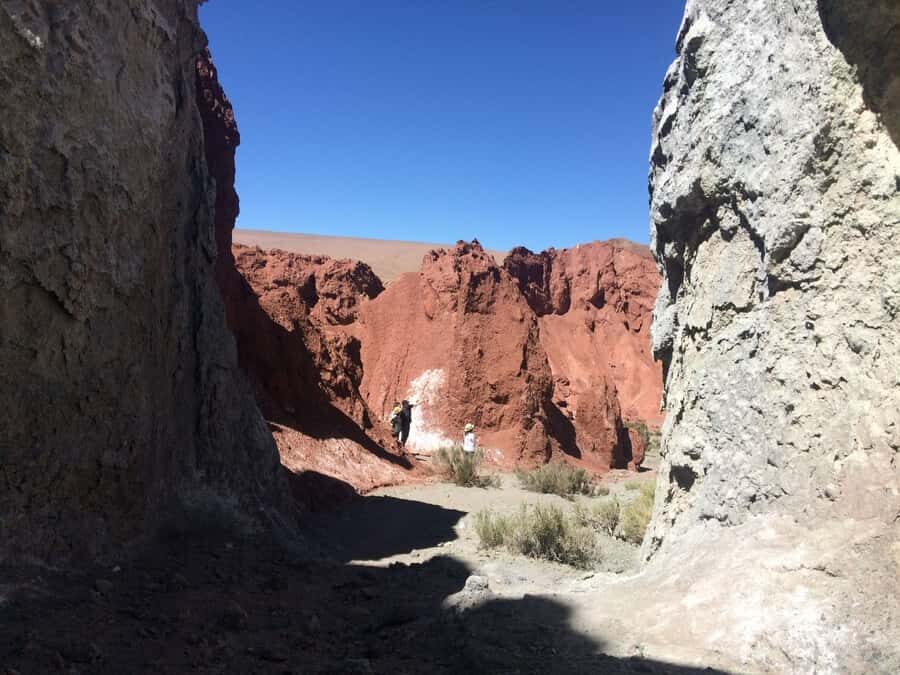
Colorful rocks make the Andes feel close. In Rainbow Valley, I love seeing minerals turn the ground into a real-world diagram, and the morning includes an outdoor breakfast before the walking. It’s a scenic, guide-led half-day that feels made for people who like their travel grounded in the real stuff you can touch.
The other highlight for me is the stop at the Yerbas Buenas petroglyphs, where you can link the rocks to human presence in the high desert. You’ll also have chances to spot guanacos and lamas, but the day is outdoors and you’ll need to plan for a cash entrance fee and some walking.
In This Review
- Key Highlights to Know Before You Go
- Rainbow Valley in the Andes: What Makes This Trip Worth Your Time
- The Early Pickup From San Pedro de Atacama (and How to Prep)
- The Van Ride Toward Domeyko: Calama and the Oldest Range in Atacama
- Valle del Arcoiris: Minerals, Colors, and Close-Up Rock Study
- The “what to notice” approach
- One drawback to consider
- Outdoor Breakfast: Fuel Before the Valley and a Real Sense of Place
- Yerbas Buenas Petroglyphs: Ancient Marks in a Desert World
- Wildlife Encounters: Guanacos and Llamas Without the Spectacle
- Price and Entrance Fees: Is $50 Good Value?
- What to Bring, What to Skip, and What to Wear
- Accessibility Note: The Info Conflicts, So Check Before You Book
- Who This Tour Suits Best
- Should You Book Rainbow Valley?
- FAQ
- What time does pickup start?
- Where does the tour end?
- How long is the tour?
- Is breakfast included?
- Do I need cash for the entrance fee?
- What language is the guide?
- What should I bring?
- Are drones allowed?
- Is it wheelchair accessible?
Key Highlights to Know Before You Go
- A geology-focused valley where mineral colors explain the scenery better than any postcard.
- Wildlife spotting with guanacos and lamas on the day’s route.
- Yerbas Buenas petroglyphs, among the oldest in Chile.
- Breakfast outdoors early in the morning, right when the colors look best.
- A bilingual guide in English and Spanish to connect the dots quickly.
Rainbow Valley in the Andes: What Makes This Trip Worth Your Time
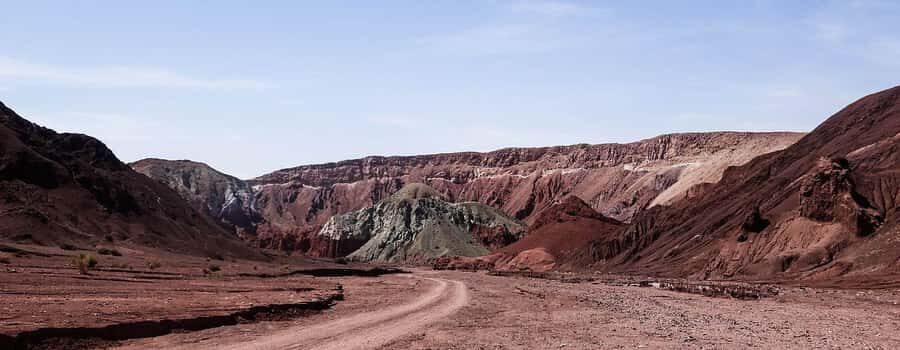
Rainbow Valley is all about the Andes as a living geology lesson. You’re driving into the Domeyko mountain range, then spending time in a mineral-rich valley where the colors are not just pretty. They’re the clue.
I like that this tour doesn’t treat the scenery like background. You’re meant to notice how the rocks and formations create the named look of the place. If you’ve ever wondered why certain deserts look painted, this is the kind of day that answers it with your feet on the ground.
You can also read our reviews of more tours and experiences in San Pedro De Atacama.

The Early Pickup From San Pedro de Atacama (and How to Prep)
Pickup starts at 7:00 AM in San Pedro de Atacama, and you’ll be dropped back in town at the center, finishing at Plazoleta La Apacheta. Since it’s a morning start, you’ll want to keep things simple the night before: have water and sunscreen ready, and double-check that you have your ID.
Bring passport or ID card, sunscreen, water, and cash. The cash part matters because you’ll pay an entrance fee separately once you’re there, so don’t plan on improvising at the last second.
One practical tip: wear something comfortable for a walk and that you don’t mind dusting off. This is a desert outing, and you’ll likely be walking as part of the experience. Good shoes are not optional.
The Van Ride Toward Domeyko: Calama and the Oldest Range in Atacama
The drive starts by heading toward Calama, with about an hour of driving in that direction before you reach the Domeyko mountain range. This range is described as the oldest in Atacama, and that detail helps you understand why the rock formations feel so “built” over time.
On this kind of route, the road time isn’t just transportation. It’s context. You’ll be moving from the town edge into higher, rockier country, and it makes the later stops hit harder because the environment is already changing under you.
You also get a clear sense of distance. It’s not a quick stroll from town; it’s a real outing into the Andes region, guided by someone who can explain what you’re seeing as you go.
Valle del Arcoiris: Minerals, Colors, and Close-Up Rock Study
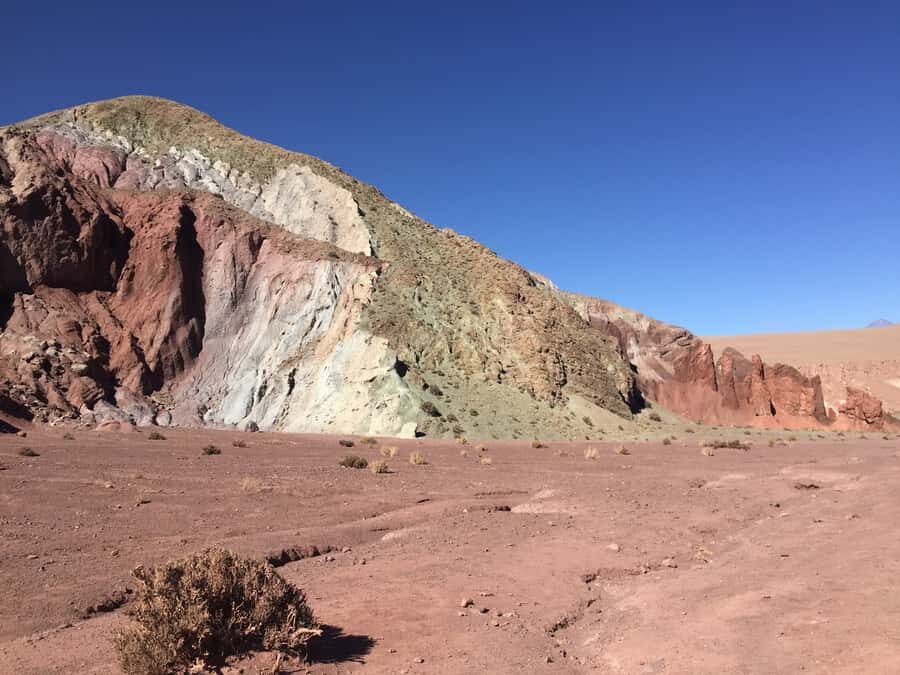
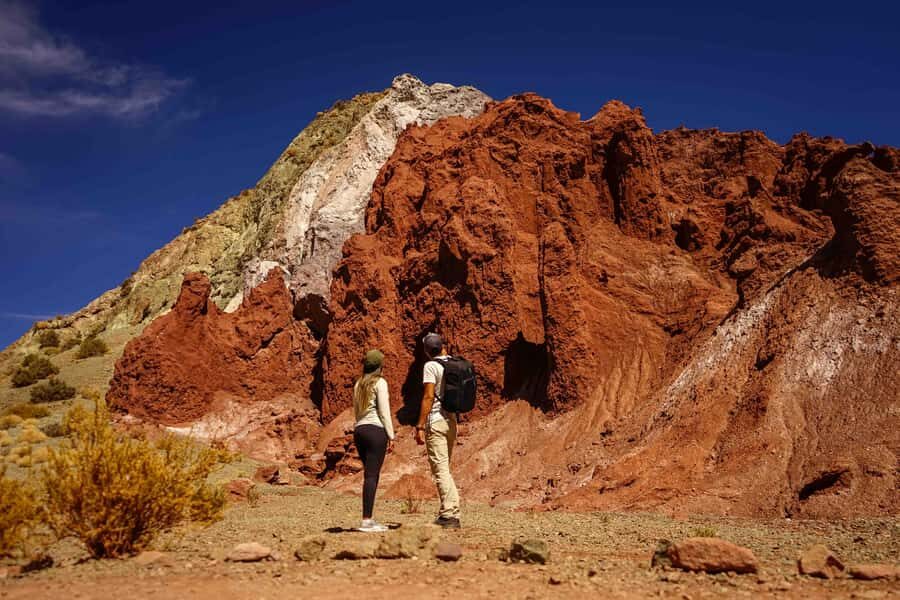
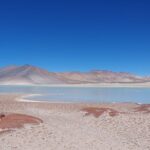
Valle del Arcoiris, or Rainbow Valley, is the core of the day. This is the place for people who love geology—because the colors come from mineral-rich formations, not just lighting or luck.
You’ll spend time walking through the valley and learning about the rocks and formations creating the distinctive look. Think of it as a guided field lesson where the landscape is the classroom and the rocks are the textbooks.
The “what to notice” approach
When you’re standing in Rainbow Valley, focus on patterns:
- Color bands and streaks: they’re the most obvious cue for mineral differences.
- Changes in texture: hardened rock can look almost layered even when the colors are subtle.
- How formations repeat: seeing repetition helps the guide’s explanations make sense faster.
This part of the tour is also where wildlife can appear. The route includes time to know animals such as guanacos and lamas, which makes the valley feel alive rather than strictly scientific.


One drawback to consider
The walking is part of the experience, and the day is outdoors. If you’re sensitive to sun, wind, or dry conditions, plan your comfort first—sunscreen and water matter here, not later.
Outdoor Breakfast: Fuel Before the Valley and a Real Sense of Place
One of the easiest perks is the wonderful outdoor breakfast during the morning. It’s not just a meal between activities; it’s timed so you start the day with energy before you’re out in the valley.
Breakfast outdoors also changes your perspective. You’re already in the right setting—Andes air, desert light, and the sense that you’re in motion—so the day feels less like a checklist and more like a trip.
If you’re the type who hates arriving hungry and rushed, this is the kind of planning that saves your mood for the fun part.
Yerbas Buenas Petroglyphs: Ancient Marks in a Desert World
After the valley time, you’ll visit the petroglyphs of Yerbas Buenas, described as one of the oldest in Chile. This stop adds a human layer to what you’ve been learning about geology.
The connection works well: minerals and rock formations explain why the region looks the way it does, and then the petroglyphs remind you that people were here long before modern maps. Even if you’re not an expert in prehispanic art, the guide can help you understand what you’re looking at in context.
A smart way to handle this stop: slow down. Petroglyphs are easier to appreciate when you give your eyes time to adjust and when you listen for what the guide points out.
Wildlife Encounters: Guanacos and Llamas Without the Spectacle
The tour includes time to know animals like guanacos and lamas. I like this approach because it doesn’t turn wildlife into a show. You’re learning about what’s around you, then moving on to the next place of interest.
In the high Andes region, animal sightings can be quick, so don’t expect a guaranteed long stare. Just keep your eyes open during the day’s walking and stops, and follow your guide’s cues.
This also works for different travel styles. If you’re into photos, the animals add variety. If you’re into nature and context, the animals keep the day grounded in real ecology.
Price and Entrance Fees: Is $50 Good Value?
The tour price is listed at $50 per person, and it includes hotel pickup, a Spanish and English-speaking guide, and breakfast. For a morning half-day that takes you out of town, that package is usually what makes the price feel fair.
What’s not included is the park entrance fee, which you pay in cash. The info specifically says to bring 10,000 CLP for the entrance fee. So the true cost is your $50 plus that cash fee.
Here’s how I’d think about value:
- You’re paying for transport out of San Pedro, guiding in two languages, and breakfast.
- The entrance fee is separate, so you control it by having cash ready.
- The geology focus can be the best kind of “learning” travel, because you can actually see what you’re being told.
If you want a day where you’re not just driving and snapping pictures, this tour tends to deliver more meaning per hour than the average quick sightseeing option.
What to Bring, What to Skip, and What to Wear
This is a simple list, and you should follow it.
Bring:
- Passport or ID card
- Sunscreen
- Water
- Cash (for the entrance fee)
Wear:
- Comfortable clothes and shoes for walking
Skip:
- Drones are not allowed
If you tend to travel with minimal gear, you’ll still want water and sun protection. Desert days can get intense fast, even when you think it’s “just a short outing.”
Accessibility Note: The Info Conflicts, So Check Before You Book
The activity information says wheelchair accessible, but it also states not suitable for wheelchair users. That contradiction matters because walking is part of the experience.
If you need mobility support, I’d treat this as a must-confirm situation before you commit. Ask the operator how they handle walking and whether there are alternatives during the stops.
Who This Tour Suits Best
This tour fits best if you like:
- Geology and rock formations
- Outdoors time with a guided explanation
- Wildlife sightings such as guanacos and lamas
- Prehispanic culture, especially the Yerbas Buenas petroglyph stop
It’s also a good choice when you want a structured morning plan without spending energy designing your own route. The guide handles the flow, the language support, and the key connections between geology, nature, and ancient art.
If you’re hoping for a fully relaxed day with minimal walking, you might find the walking portion a bit more than you want. Bring comfortable shoes and take breaks as needed.
Should You Book Rainbow Valley?
I’d book it if you want your desert trip to have a clear theme: rocks, minerals, and the way humans experienced this region long ago. The $50 price is easier to justify because pickup, bilingual guiding, and breakfast are included, and the day has real substance beyond a quick photo stop.
Skip it or rethink it if cash payments and walking are deal-breakers for you, or if the accessibility situation affects your comfort and movement. For everyone else who likes understanding what they’re seeing, Rainbow Valley is the kind of day that makes the Andes feel close and readable.
FAQ
What time does pickup start?
Pickup starts at 7:00 AM from San Pedro de Atacama.
Where does the tour end?
The tour ends in the center of San Pedro de Atacama, specifically at Plazoleta La Apacheta.
How long is the tour?
The duration is listed as 5 hours.
Is breakfast included?
Yes. A breakfast outdoors is included during the morning.
Do I need cash for the entrance fee?
Yes. You must pay the park entrance fee in cash, and the suggested amount to bring is 10,000 CLP.
What language is the guide?
The guide speaks English and Spanish.
What should I bring?
Bring passport or ID card, sunscreen, water, and cash.
Are drones allowed?
No. Drones are not allowed.
Is it wheelchair accessible?
The information says it is wheelchair accessible, but it also lists not suitable for wheelchair users. If this affects you, confirm details with the operator before booking.