REVIEW · SAN PEDRO DE ATACAMA
San Pedro de Atacama: Astronomical Tour
Book on GetYourGuide →Operated by MUNDO AFORA AGENCIA DE VIAGENS · Bookable on GetYourGuide
Atacama night skies are the main event, and this tour is built around making them easy to enjoy. What I like most is the small group setup (up to 10 people) and the way the guide layers Andean stories over real stargazing, so you’re not just staring upward.
You’ll also get practical help using telescopic equipment, while still enjoying the sky with your own eyes. One drawback to keep in mind: if you care about getting tour photos afterward, plan to ask how that process works, because support timing has been a complaint.
In This Review
- What makes it so good for star watching
- Key things to know before you go
- Atacama skies: why this tour works in the real world
- Meeting at Plaza Turistour and setting your expectations
- Getting into the desert darkness (and why it’s a big deal)
- Andean sky stories: more than memorizing constellations
- Telescope time: what the equipment is for
- Hot beverages under the stars
- Languages and guide support: English, Esperanto, Portuguese
- Price and value: is $65 worth 2 hours?
- Who this tour suits best in San Pedro
- Accessibility and practical comfort (what I’d watch for)
- A quick heads-up on photos and support
- Should you book this San Pedro Atacama star tour?
- FAQ
- Where is the meeting point for the tour?
- How long is the astronomical tour?
- What does the $65 price include?
- What languages are available for the guide?
- Is this tour a small group?
- Do I need to bring a telescope?
- Are drinks allowed during the tour?
- Is alcohol allowed?
- Is the tour wheelchair accessible?
What makes it so good for star watching
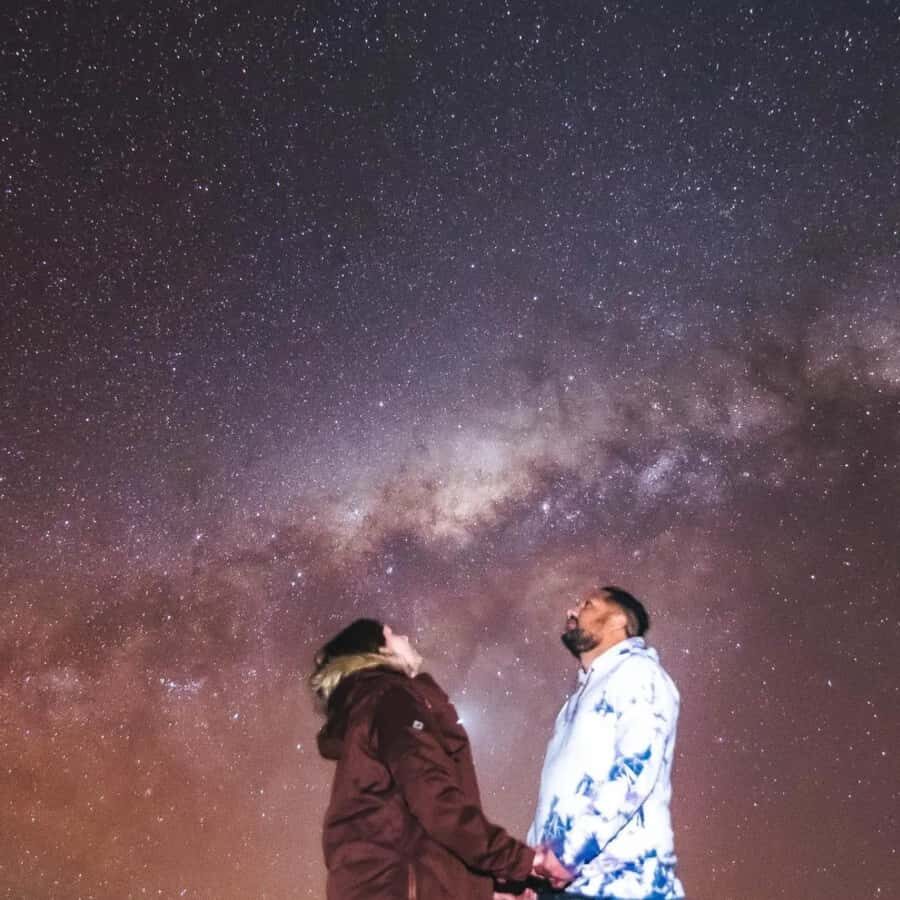
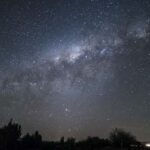
Atacama’s arid air and the region’s record of clear nights (often described as about 300 days without rain) are why people come here for astronomy-style viewing. In other places you fight haze and light pollution; here the darkness and clarity do most of the work for you.
The experience runs on a simple rhythm: travel out from San Pedro, learn the constellations and sky “language,” look through telescopes, then warm up with hot drinks before heading back.
Key things to know before you go
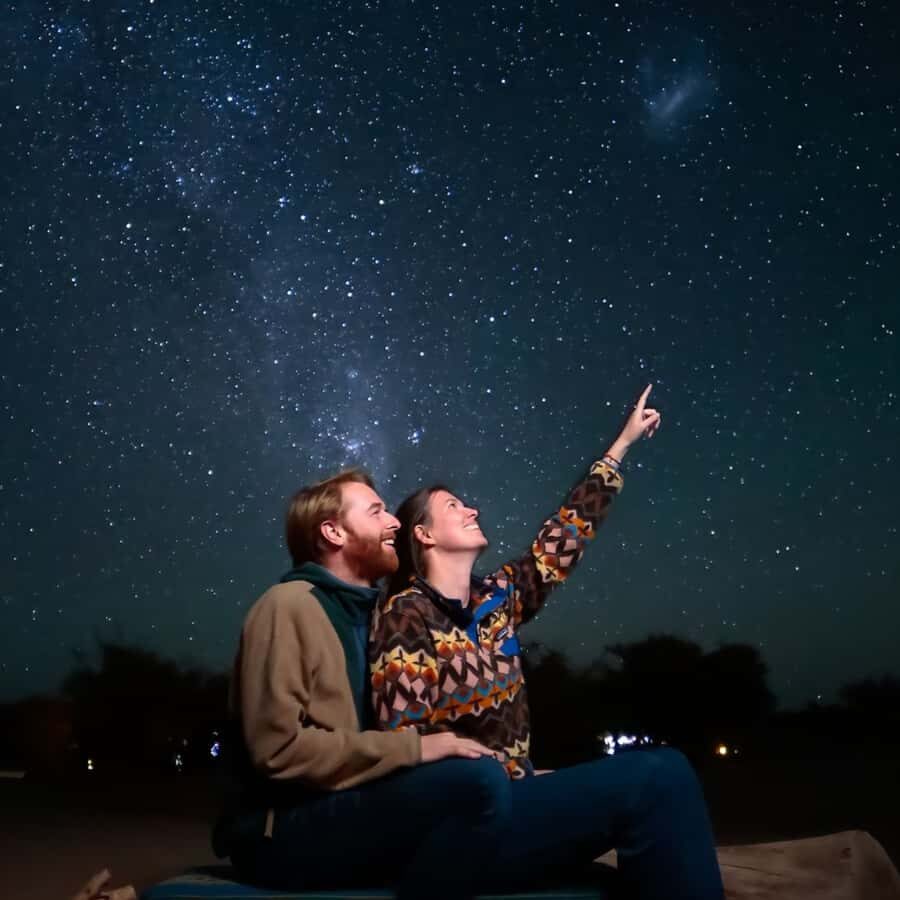
- Up to 10 people means you’re more likely to get attention when using the telescopes
- Plaza Turistour is the meeting point, with pick-up/return tied to San Pedro de Atacama
- Telescopic equipment included, plus star viewing you can do without one
- Andean worldview and constellations are part of the guide’s night-sky explanation
- Hot beverages included to keep the experience comfortable during the nighttime timing
You can also read our reviews of more tours and experiences in San Pedro De Atacama.
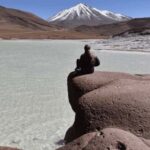
Atacama skies: why this tour works in the real world
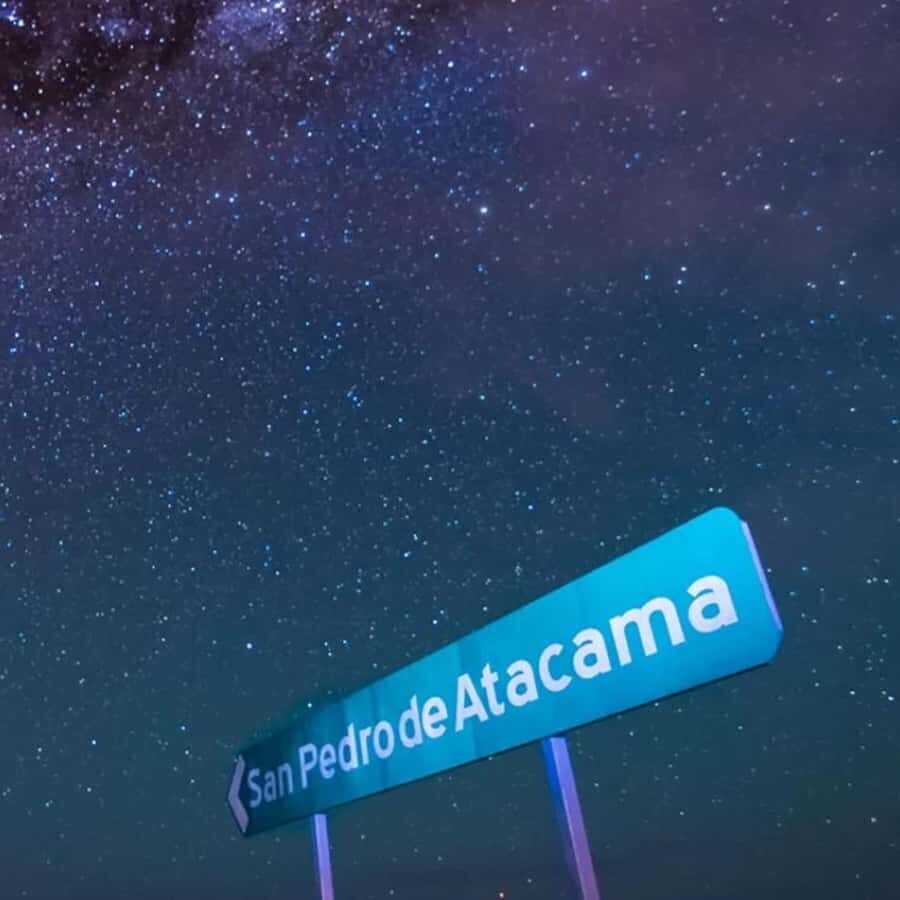
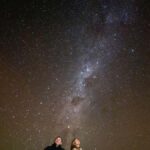
San Pedro de Atacama sits in one of the driest places on Earth, and that matters more than most people expect. When the air is dry, there’s less haze, fewer clouds, and less “blur” in the view. The result is that the stars look sharper and brighter, and the Milky Way can feel like it’s drawn right onto the sky.
This is where the tour’s promise is strongest: it doesn’t try to wow you with gadgets. It uses the desert’s natural conditions. The guides focus on helping you find what you’re looking at, then using telescopes to show what’s just beyond naked-eye visibility.
That combination is the secret sauce. You get a quick understanding of the sky, then you get upgraded views—without needing to already know astronomy.
Meeting at Plaza Turistour and setting your expectations
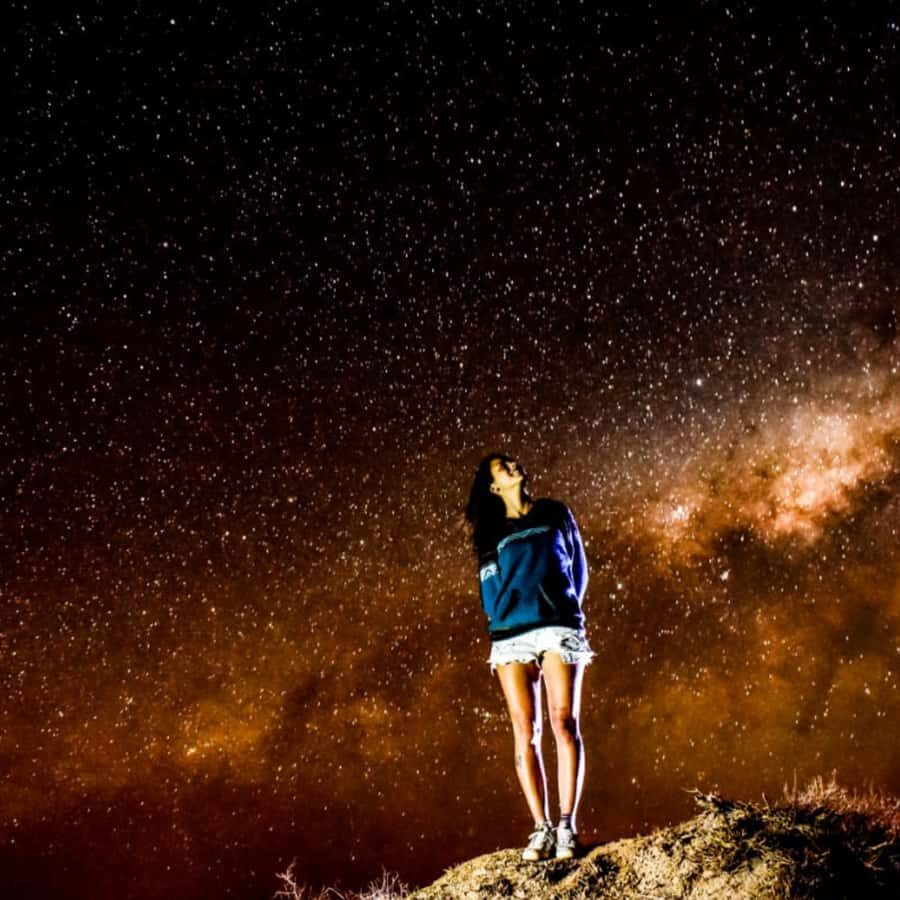
You’ll start at Plaza Turistour in San Pedro de Atacama. This matters because you avoid the “where do we go” stress that can spoil a night tour. From there, you head out toward a viewing site in the desert.
Because the total time is 2 hours, you should treat this as a concentrated star session—not an all-night campout. The tour is designed to move at the right pace: enough travel to escape city light, enough time for stories and seeing stars, and then enough back-in-San-Pedro time to keep it simple.
If you’re the kind of person who gets distracted easily, this structure helps. You’re not wandering around hoping the group finds something. The guide keeps you pointed the right way.
Getting into the desert darkness (and why it’s a big deal)
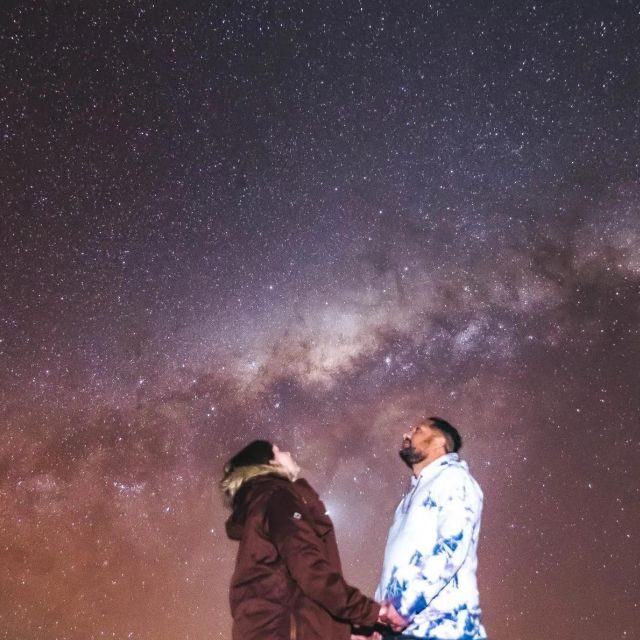
The tour includes transfer out of San Pedro and the return to town. The viewing site is described as deep enough into the desert to cut down on light pollution, which is the main reason this kind of stargazing feels different than a casual backyard look.
Here’s what to expect from that practical benefit: when you step into a darker area, your eyes adjust fast and you start noticing things you didn’t realize you were missing. It’s a noticeable shift, and it’s one reason people say Atacama is different from other star destinations.
Also, the desert setting is part of the theme. The guide’s explanation isn’t only about astronomy facts—it connects the sky to an Andean worldview, so you’re looking at the night as people once interpreted it, not just as a science chart.
Andean sky stories: more than memorizing constellations
One of the most praised parts of this style of tour is the human layer: the constellations and stars come with meaning. In this experience, the guide shares how local culture interpreted the night sky over centuries, and you’ll connect star patterns with traditional understanding rather than only modern names.
Why I think this matters to you: learning the sky through a narrative helps your brain remember. You’re not just collecting information. You’re building a mental map that makes the next star easier to spot.
And you’ll feel the difference while you’re outside. When the guide points and explains, it’s easier to keep looking instead of drifting into that “I know I’m supposed to see something” mood.
Telescope time: what the equipment is for
Yes, the tour includes telescopic equipment. But the best part is that telescopes aren’t presented as a replacement for your eyes. You’re encouraged to appreciate the sky directly, then use the telescopes for closer views.
What telescopes typically do well in a clear place like Atacama is show details that your naked eye can’t hold onto—especially when you’re learning where to look. The guide’s job is to make the telescope feel straightforward, not intimidating.
This is where a small group becomes a real advantage. With up to 10 participants, there’s less waiting around and more chance you’ll get the chance to look and ask questions. You also won’t be stuck behind a crowd of people all trying the same moment.
Hot beverages under the stars
The tour includes hot beverages, and that’s not a throwaway detail. On a night tour, warmth changes how you experience time. You can focus on the sky instead of worrying about comfort.
The format is also practical: you’re out at night, you observe, and then you warm up before the return. That keeps the experience from turning into a long endurance test.
One note to stay aware of: the activity information says drinks are not allowed, but hot beverages are included. The safest approach is to rely on what the tour provides and skip bringing extra liquids unless the operator tells you otherwise. And the tour also notes alcohol isn’t allowed.
Languages and guide support: English, Esperanto, Portuguese
A big value point here is that the guide offers live interpretation in multiple languages: English, Esperanto, and Portuguese. That means you’re less likely to end up in the “I kind of followed” category.
If you’re traveling with a friend who doesn’t speak English well, this kind of language coverage can keep the whole group on the same page. And because the group stays small, the guide can keep explanations clear instead of speaking over people.
Also, the tour is described as having both a bilingual guide and a local guide. In practical terms, that usually means you get both translation and local context—the kind of combination that makes a star talk feel grounded rather than generic.
Price and value: is $65 worth 2 hours?
At $65 per person for a 2-hour experience, the value comes down to what you’re buying besides the view. You’re paying for:
- Escape from light pollution via transfer in a time-efficient window
- A guide who knows the constellations and can explain them in an accessible way
- Telescopic equipment (so you don’t have to bring anything)
- Hot beverages included
If you were to piece this together on your own—transport to a good dark spot, time, and equipment—it would likely cost more in effort and money than you expect. And the 2-hour length matters, too. You’re not committing your whole night to astronomy logistics.
So yes: in a town like San Pedro, $65 for a guided, equipped star session is in the “reasonable if you’re serious about the sky” range. If you’re only casually curious and prefer a flexible self-guided experience, this might feel a bit structured. But if you want someone to point, explain, and help you see more, the price starts to make sense fast.
Who this tour suits best in San Pedro
This is a strong fit if you:
- Want a guided way to learn the night sky without needing astronomy knowledge
- Prefer small-group experiences where you can see and ask questions
- Like cultural interpretation, not just star facts
- Are short on time and still want a real stargazing highlight in San Pedro
It may be less ideal if you want a long, self-directed night with no guiding and no telescope coordination. With a 2-hour window, the tour is designed to be efficient rather than slow and lingering.
Also, if you’re traveling with mixed interests—someone who wants science and someone who wants culture—this format helps balance both.
Accessibility and practical comfort (what I’d watch for)
The experience is listed as wheelchair accessible, which is a big plus for many travelers. For you, that means the operator has considered how to accommodate different mobility needs.
For your personal comfort, here’s the practical angle: you’ll be outside in the desert at night. Even with hot beverages included, you’ll want to be prepared for nighttime conditions. You might find it cooler than you expect, especially if you’re used to warmer evenings at lower elevations.
A quick heads-up on photos and support
There’s at least one reported concern about tour photos not being delivered and poor response from the agency. I can’t confirm how common that issue is, but if photos matter to you, I’d treat it as a planning question before you go. Ask what you’ll receive and when, and make sure you have the details in writing (message confirmation works).
This isn’t a reason to avoid the star watching. It’s just a smart risk-management step.
Should you book this San Pedro Atacama star tour?
I’d book this if you want a guided, high-success stargazing experience with telescopes, Andean sky stories, and comfort support like hot beverages, all in a tight 2-hour window. The small group limit is a real advantage, and the Atacama conditions are the kind of natural setup that makes astronomy feel accessible.
I would not book it only if you’re expecting a long program, a photo guarantee you can fully rely on, or a purely self-guided night. This tour is structured for learning and seeing more—quickly.
If you’re choosing between options in San Pedro, this one earns points for clarity of purpose: stars, telescopes, and cultural context, with transfers handled so you can focus on the sky.
FAQ
Where is the meeting point for the tour?
The tour meets at Plaza Turistour in San Pedro de Atacama.
How long is the astronomical tour?
It lasts 2 hours.
What does the $65 price include?
It includes transfer (pickup and return in San Pedro), a bilingual/local guide, hot beverages, and telescopic equipment.
What languages are available for the guide?
The live guide is available in English, Esperanto, and Portuguese.
Is this tour a small group?
Yes. It is a small group limited to 10 participants.
Do I need to bring a telescope?
No. The experience includes telescopic equipment, and it’s designed so you can also enjoy the sky without a telescope.
Are drinks allowed during the tour?
The activity states that drinks are not allowed. Hot beverages are included, so it’s best to stick with what the tour provides.
Is alcohol allowed?
No. The activity notes that you do not ingest alcohol.
Is the tour wheelchair accessible?
Yes. The tour is listed as wheelchair accessible.
If you want, tell me your travel dates and your language preference (English, Esperanto, or Portuguese), and I can help you decide whether this 2-hour format fits your San Pedro schedule.