REVIEW · SAN PEDRO DE ATACAMA
San Pedro de Atacama: Atacama Desert and Salt Flats Day Trip
Book on GetYourGuide →Operated by PUKARUMI TRAVEL AGENCY · Bookable on GetYourGuide
Cold air, big views, real science.
This trip in San Pedro de Atacama turns a long day into a guided story of the desert, starting with a Lickancabur Viewpoint breakfast and ending at Crystal and Black lagoons. I like that you’re not just doing photo stops; the guide helps you connect what you’re seeing with how this high, dry place works, including the Quepiacó River ecosystem and the geology behind the famous volcanic formations. The main drawback to weigh is altitude: the route climbs to around 4,800 meters, so it’s not a great fit if you have respiratory or heart issues.
What makes it especially appealing is the pacing. You get real time at the salt flats (with chances to spot local fauna like vicuñas and flamingos) and then you close the loop with lagoons for those classic Atacama-color photos. In the best kind of way, the day feels designed for learning and pictures at the same time. I’d also flag that some people feel the driving time and pick-up logistics can eat into active time, so if you’re chasing maximum minutes on the ground, manage your expectations.
In This Review
- Key things I’d focus on before you go
- Why this desert-and-salt day feels different than just going straight to photos
- Pickup at 8:00–8:40 and the altitude reality check near 4,800 m
- Lickancabur Viewpoint breakfast: the calm start before the cold hits
- Quepiacó River and ecosystem: learning how life survives here
- Pacana’s Monks in the middle of the desert: geology that changes how you see the ground
- Aguas Calientes and Quisquiro Salt Flats: white shine, vicuña energy, and a good included lunch
- Crystal Lagoon and Black Lagoon: finishing with color and photo chances
- Price and logistics: is $106 per person worth 7 hours?
- Guides matter here: Sarah and Francisca set the tone
- Who should book this tour (and who should skip it)
- Should you book San Pedro’s Atacama Desert and Salt Flats day trip?
- FAQ
- How long is the San Pedro de Atacama Atacama Desert and Salt Flats day trip?
- What’s included in the price?
- What time does pickup happen, and when does the tour end?
- What altitude should I be prepared for?
- What language is the live guide?
- What should I bring?
- Is alcohol allowed?
Key things I’d focus on before you go
- Breakfast with a volcano view at the Lickancabur viewpoint, then you head deeper into the desert.
- Quepiacó River stop helps you understand how life survives in such a dry region.
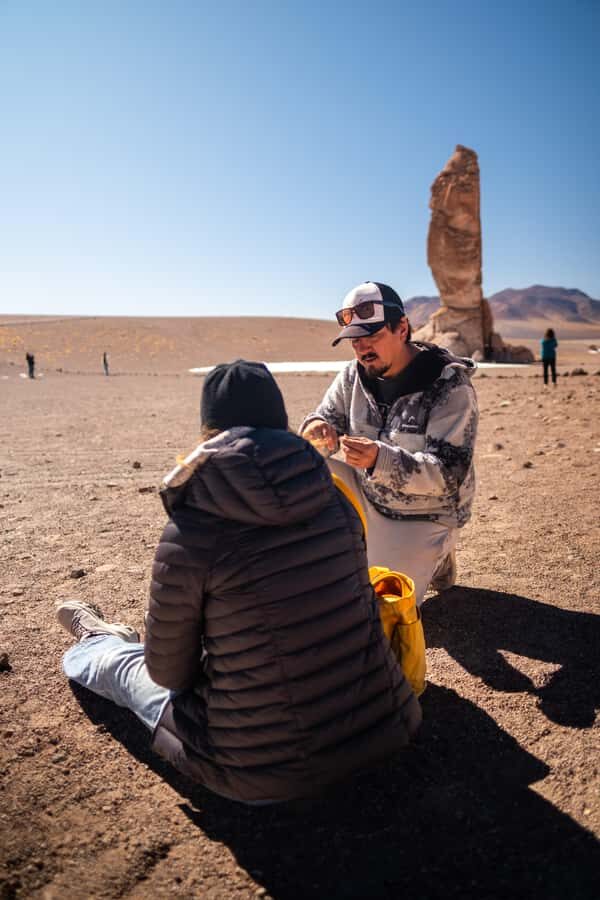
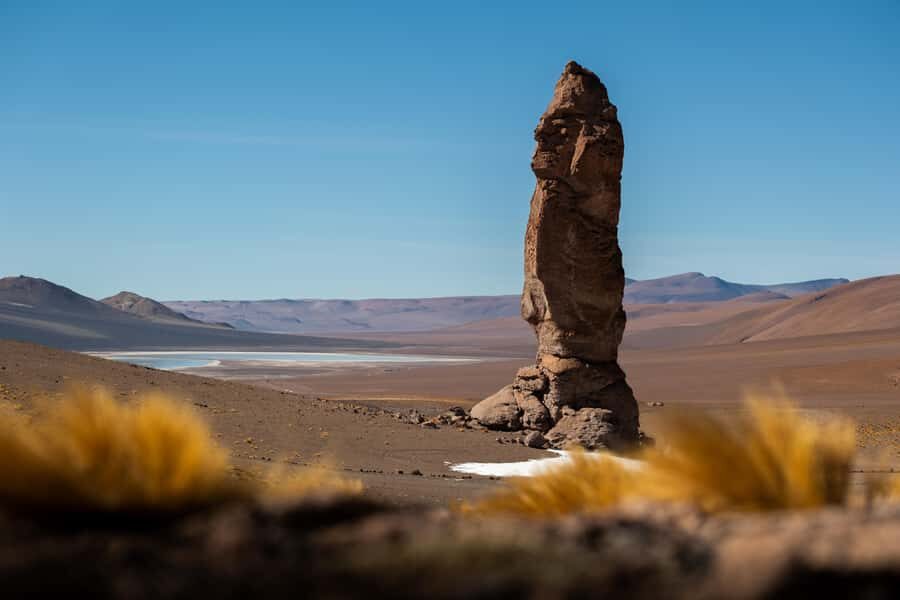
- Pacana’s Monks are the geology highlight, with giant volcanic forms off the usual routes.
- Salt flats with real wildlife potential (vicuñas and flamingos) plus included lunch.
- Crystal and Black lagoons for iconic scenery and photo time to finish the day strong.
Why this desert-and-salt day feels different than just going straight to photos
If you’ve visited other high desert areas, you might expect a simple drive and stop-and-shoot plan. This one is built around multiple types of terrain—river ecosystem, volcanic structures, salt flats, and then lagoons—so your brain keeps a better grip on what’s happening across the day.
I especially like how the tour connects the dots. You’re not just told what a place looks like; the guide explains the desert environment and why certain sights exist where they do. That matters in the Atacama, because a lot of what looks empty from far away is actually shaped by past volcanic activity and very specific weather patterns.
The other practical plus is that you’re traveling with a group and guide through a remote zone. The Atacama rewards curiosity, but it also punishes wandering without context. Here, you get help reading the terrain, plus the day is structured so you’re not guessing where to stand, when to move, and how to prepare for conditions that can flip fast.
A few more San Pedro De Atacama tours and experiences worth a look
Pickup at 8:00–8:40 and the altitude reality check near 4,800 m
The trip runs about 7 hours, with hotel pickup happening between 8:00 and 8:40 (exact time confirmed before the tour). You’ll end between 14:30 and 15:00 at Plaza Touristour. That early start is part of why the day works: you beat the later rush and you have time for each environmental zone.
Now the big thing: this route reaches heights around 4,800 meters above sea level. That’s not a detail to ignore. If you have respiratory issues, heart disease, high blood pressure, or altitude sickness concerns, this day should be approached carefully. The tour also isn’t suitable for children under 8, pregnant women, people with mobility impairments, wheelchair users, people over 70, and anyone who already struggles at altitude.
Logistics are also tied to where your hotel is. Pickup is only offered in San Pedro de Atacama’s urban area, and it’s not done for accommodations in certain nearby areas (including Quitor, Yaye, Checar, Sequitor, Solor, and Coyo), or from Toconao. If you’re staying outside the core, it’s worth confirming pickup coverage early so you don’t build your day around a return that isn’t included.
Finally, the cold can be real. One review called out how very cold it was, and that matches what you should expect at altitude even if it feels mild earlier in the morning. Pack warm layers, gloves, and a headscarf.
Lickancabur Viewpoint breakfast: the calm start before the cold hits
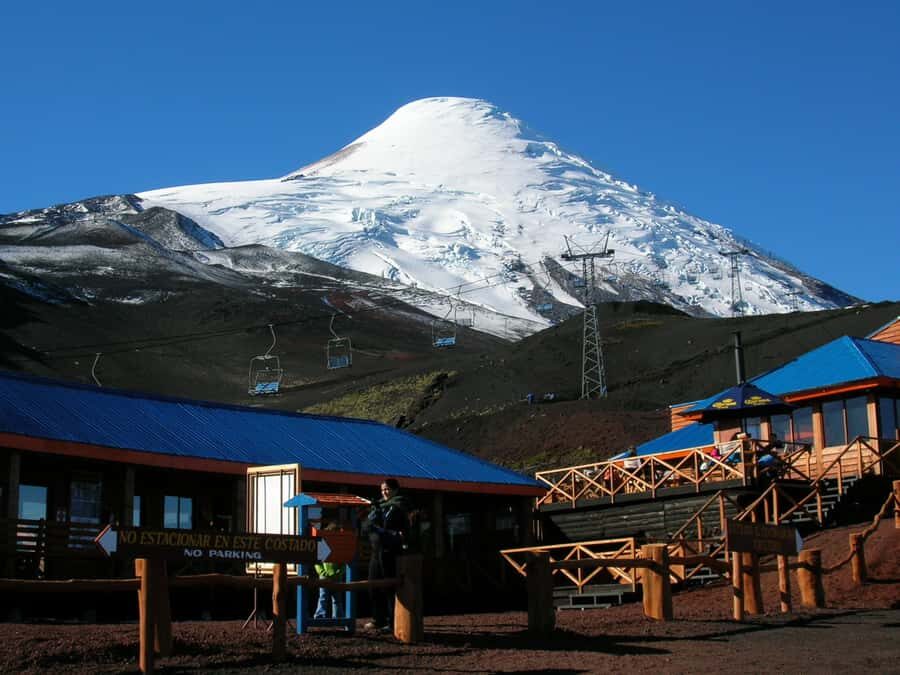
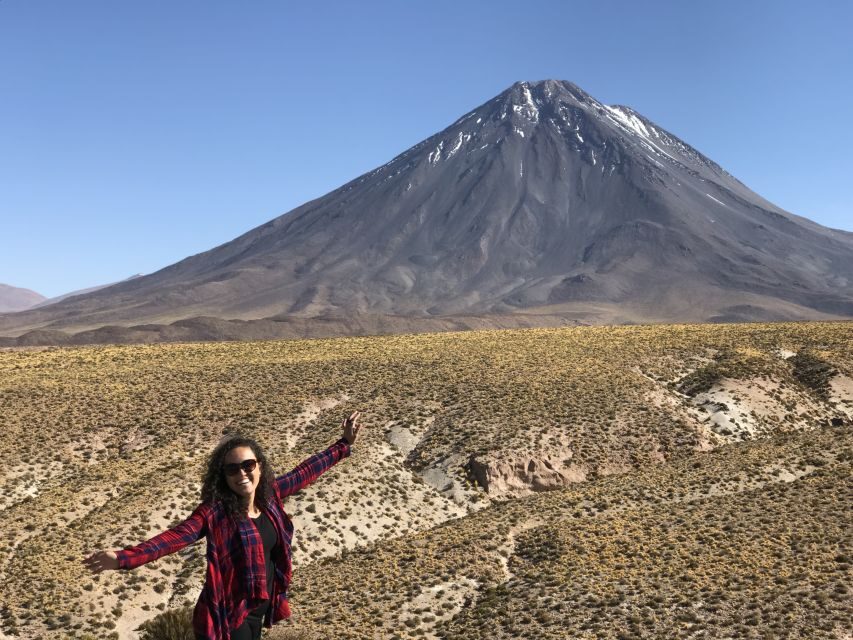
The day starts with a drive to the Lickancabur Viewpoint, and it’s a smart way to begin. You get a chance to admire the volcano from a prime perspective and start the day in a scenic, open setting rather than rushing straight into salt and stone.
Then there’s breakfast. It’s included, and the point isn’t just food—it’s timing and mood. Eating in the morning light while you’re looking out at Lickancabur helps you settle in, shake off the travel, and get ready for the higher-energy stops later.
I like that the viewpoint is framed as more than a quick look. The guide’s explanations (and the setting itself) help you understand what you’re seeing in context, especially because Lickancabur is tied into the wider volcanic story of the region.
Drawback to plan for: breakfast doesn’t cancel the altitude or the chill. Dress for cold from the start, not after you realize it’s freezing.
Also note that personal water is not included. Bring what you need, even if you think you won’t drink much at altitude.
Quepiacó River and ecosystem: learning how life survives here
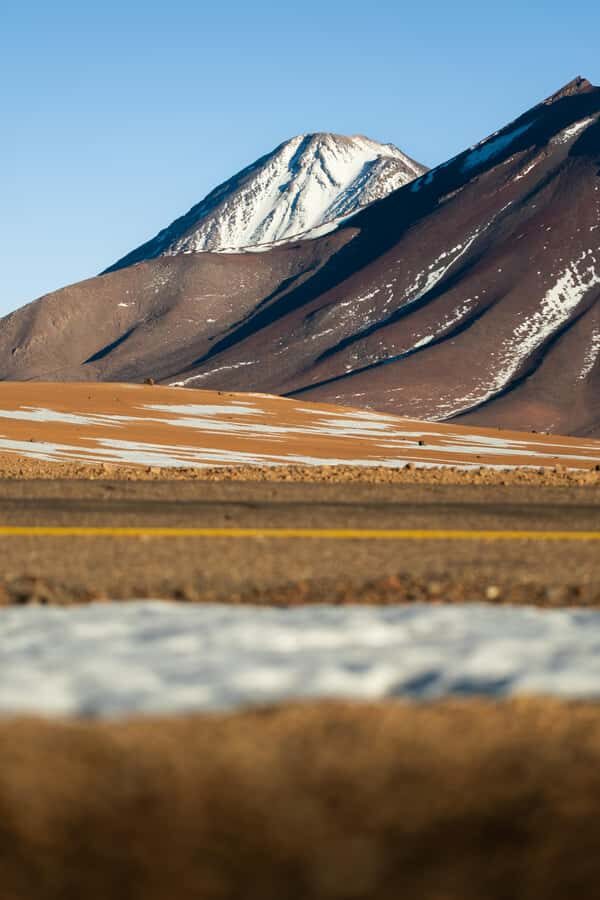
After breakfast and early viewpoint time, you head to the Quepiacó River area. This is where the tour shifts from big volcanic silhouettes to day-to-day survival in a harsh environment.
The river zone is one of the most interesting parts because it forces you to see the desert as a system, not just a blank background. You’ll get great photo opportunities, but the real value is the environmental understanding the guide provides—how the ecosystem works, why this place looks the way it does, and how water changes everything in the Atacama.
This stop is also a nice break from the more dramatic salt-and-stone visuals. The photos often come out less postcard-perfect than the salt flats, but they’re the kind you’ll remember because they capture textures and scale—vegetation, water channels, and the way the desert edges around it.
Practical note: this part of the day can still feel remote. Stay present, take your time, and don’t wait until you’re back in town to ask questions. Guides tend to share the most useful details when you’re standing in the environment they’re describing.
Pacana’s Monks in the middle of the desert: geology that changes how you see the ground
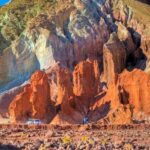
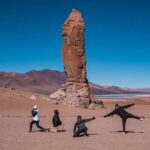
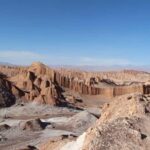
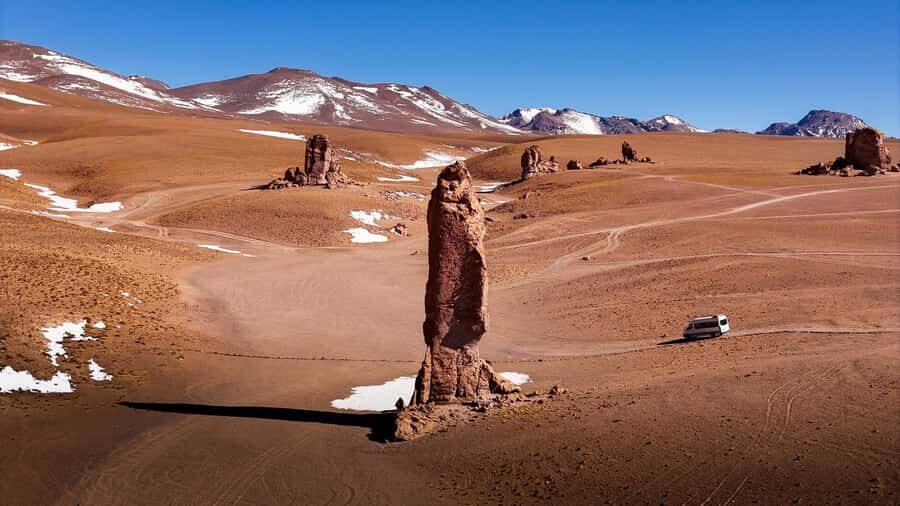
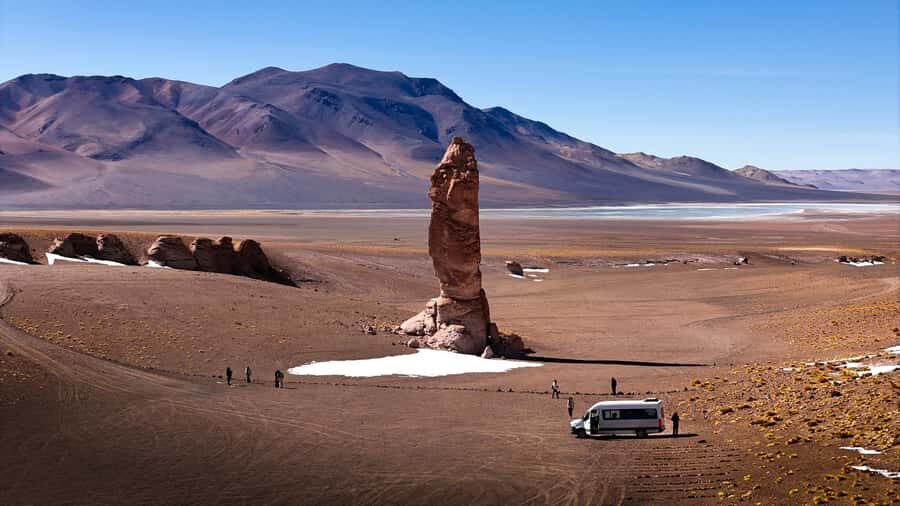
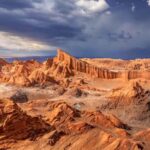
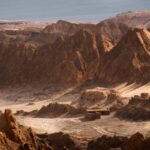
Before lunch at the salt flats, the tour goes into the middle of the Atacama Desert, away from the usual routes, to explore Pacana’s Monks. These are giant volcanic structures, and the best way to describe them is as eye-catching shapes that also function as clues.
Visually, they look otherworldly. But what makes the stop worth it is the explanation behind them: they’re evidence of incredible geological phenomena from the past, and they help shape how you understand the entire region today. That’s the kind of stop that makes the later salt and lagoon sights make more sense, because the whole day is about how this landscape was formed.
Photo advice: don’t only shoot straight-on. Walk a bit, change angles, and look for how shadows outline the stone. The guide’s direction helps here, but your legs and patience do a lot too.
The possible drawback is time. One critique mentioned that parts of the tour can feel like you’re waiting around—pick-ups, meal stops, and slower transitions. Pacana’s Monks can’t fix the drive time, but it does make the out-of-the-road detour feel purposeful instead of random.
Aguas Calientes and Quisquiro Salt Flats: white shine, vicuña energy, and a good included lunch
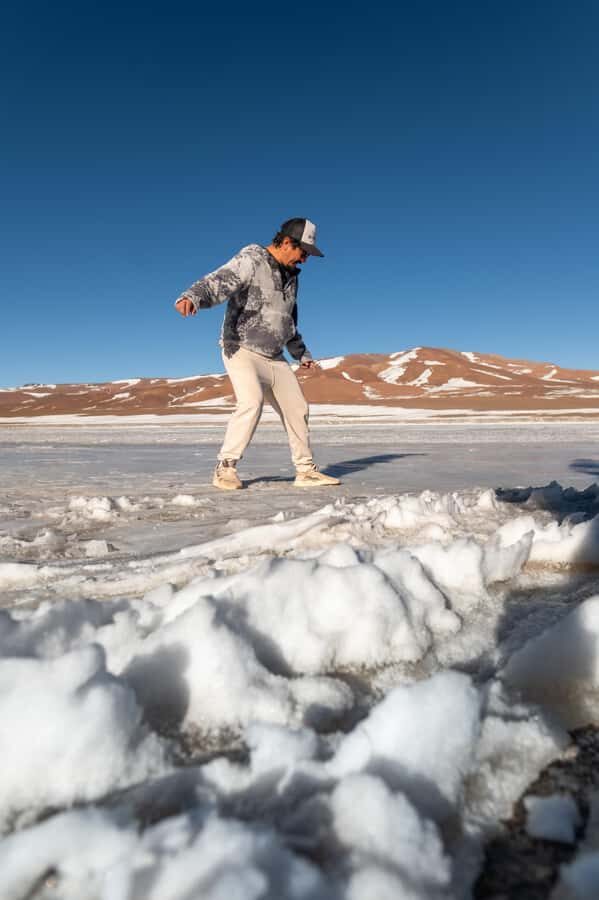
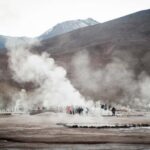
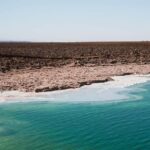
Then comes the main visual payoff: Aguas Calientes Salt Flat and Quisquiro Salt Flats. The contrast is striking—white salt against the surrounding rustic, brown desert tones. Even if you’ve seen salt flats before, Atacama’s scale and dryness create a look that feels sharp and dramatic in person.
This is also where you might get wildlife sightings. The tour mentions the presence of vicuñas and flamingos. Wildlife isn’t guaranteed, but it’s a big reason salt flat stops can feel more alive than you expect.
Lunch is included here, and it’s described as an included free air lunch in the desert setting. In practical terms, this is one of the major value pieces of the day: you’re not paying extra for a meal in a remote place, and you avoid a rushed scramble to find food once the schedule gets intense.
One more reason I like this portion: it teaches you to slow down. Salt flats reward timing. The guide’s explanations and your own eyes help you notice how bright surfaces change with the light, how distance flattens, and how the desert horizon behaves.
Crystal Lagoon and Black Lagoon: finishing with color and photo chances
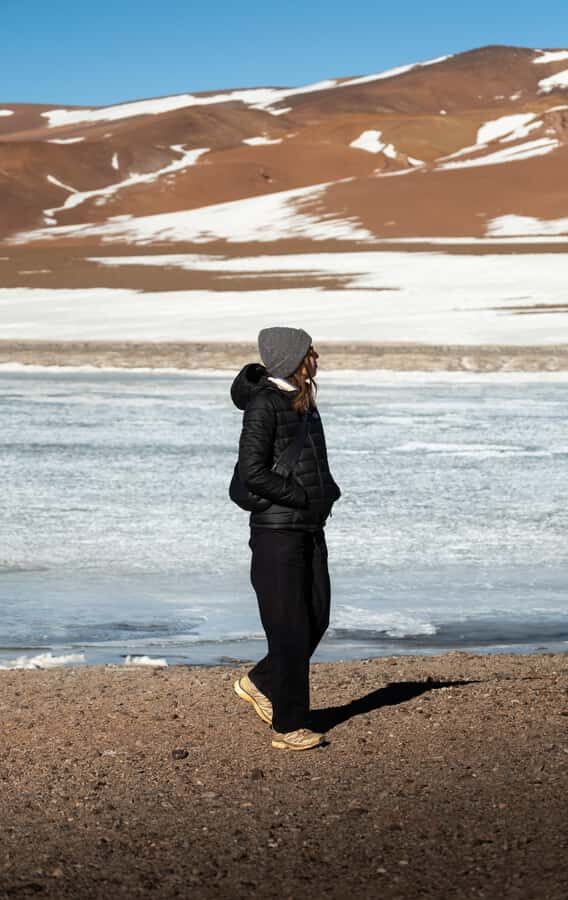
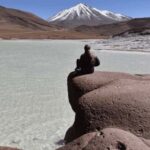
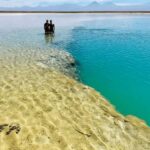
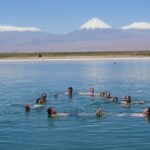
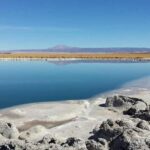
To wrap up, the tour heads to Crystal Lagoon and Black Lagoon. These are classic Atacama-style lagoon stops—high-altitude water scenes that can look unreal in photos, especially with the surrounding volcanic terrain.
What you’ll likely appreciate most is the photo time built into the finish. By the end of a long day, your energy can dip, so having two lagoon moments gives you more than one chance to nail the shot you want: different angles, different light, and the ability to compose without rushing.
The Black Lagoon stop also tends to feel especially memorable because the water can look much darker than you expect. That contrast against the desert and sky is what makes it so photogenic.
Practical advice: keep moving calmly. The ground can be uneven, and cold can return fast after hours outside. If you’re serious about photos, use your warm layer strategy: gloves on during lagoon stops, not only during the drive.
Price and logistics: is $106 per person worth 7 hours?
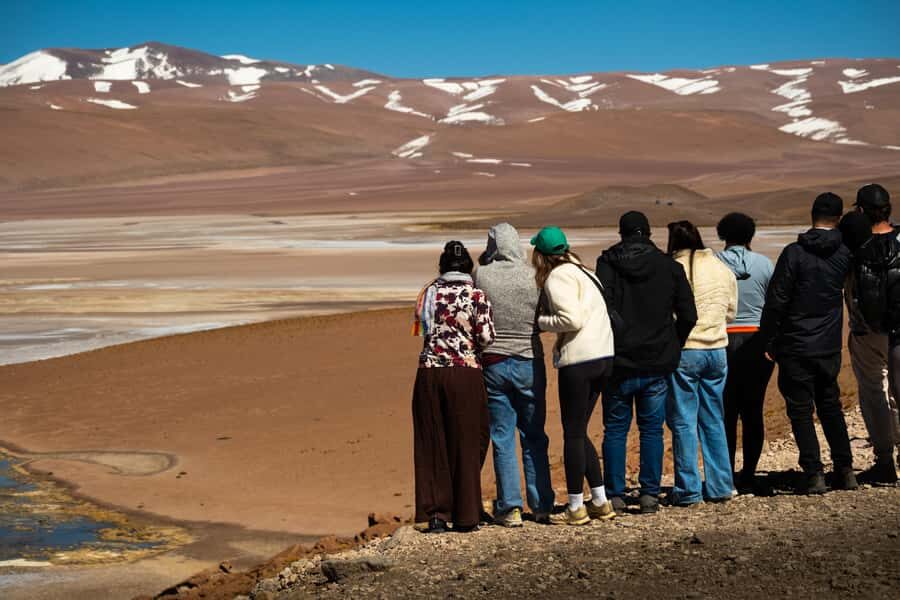
At $106 per person for a 7-hour guided day with breakfast, lunch, a guide, and transportation, the value depends on how you like to travel.
If you want guided context—how the desert ecosystem works, how volcanic formations formed, and how to interpret what you see—then the price is easier to justify. The included meals also help. Breakfast at the viewpoint and lunch at the salt flats cut out two big expenses that would be annoying to manage in remote areas.
I’ll also be fair: one review felt the tour was expensive compared with other options. Another noted that it can feel inefficient, with time spent on pick-ups, waiting, and meals, plus a lot of the day spent returning along the same driving corridor. That’s a real consideration if your top priority is maximizing time out in the field.
So here’s how I’d decide:
- If you value a structured day with explanations and meals included, you’ll likely feel it’s worth it.
- If you’re comfortable organizing your own day and you hate coach-style logistics, you might find you’d prefer a lighter, more flexible approach.
Either way, being ready for cold, altitude, and the schedule is key.
Guides matter here: Sarah and Francisca set the tone
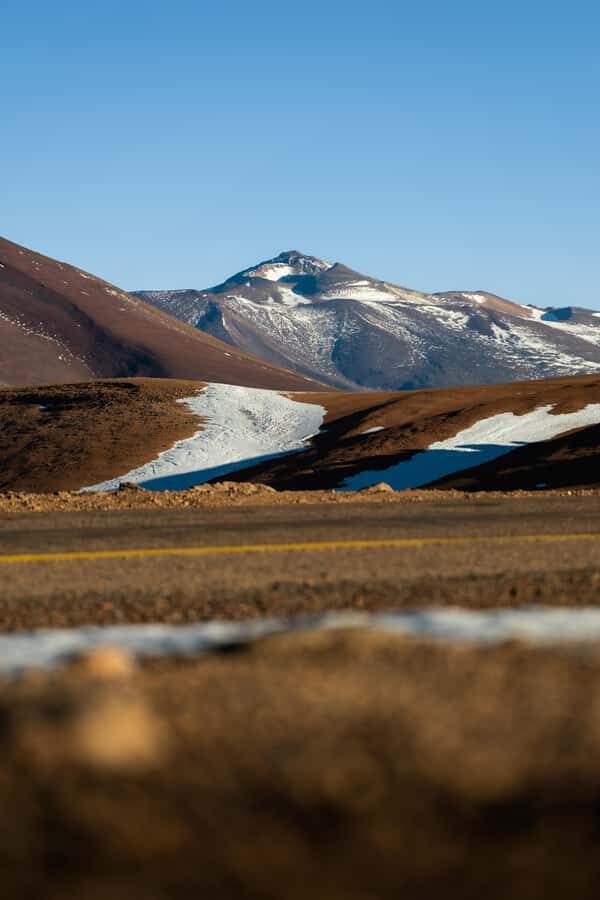
A big reason this tour scores well is the guidance. Reviews highlighted guides who kept the information engaging and timed things so you could actually enjoy each segment, not just survive it.
Specific names came up. One guest praised Sarah as excellent, knowledgeable, and friendly, and also mentioned that Sarah helped with recommendations for what to do next in the area. Another review praised Francisca as extremely competent and kind, again pointing to a guide who makes the day smoother and more informative.
That’s not just nice on paper. In high-altitude environments, small guidance choices make a difference—where to stand, how to pace yourself, and when to move for photos. A good guide also helps you understand why the ecosystem stop matters and what you’re actually looking at in the geological formations.
So if you’re the kind of traveler who likes learning without turning your trip into a lecture, you’re in the right place.
Who should book this tour (and who should skip it)
This day trip is best for you if you:
- Want a high-altitude desert overview in one day: volcano viewpoint, river ecosystem, volcanic structures, salt flats, and lagoons.
- Like having someone explain what you’re seeing rather than guessing on your own.
- Are comfortable walking outdoors in cold conditions and standing for photos.
It’s likely not a good idea if you:
- Have respiratory problems, heart disease, high blood pressure, or a history of altitude sickness.
- Need mobility accommodations or use a wheelchair.
- Are traveling with kids under 8, or if you’re pregnant.
- Are over 70 and want to avoid extra risk.
- Are sensitive to cold and distance and you don’t plan to dress for it.
Also remember: alcohol and drugs are not allowed. Bring water, dress warm, and plan to follow the guide’s instructions for safety.
Should you book San Pedro’s Atacama Desert and Salt Flats day trip?
I’d book this if your ideal day includes guided explanations, included meals, and a classic Atacama hit list: Lickancabur viewpoint, Quepiacó River, Pacana’s Monks, Aguas Calientes and Quisquiro salt flats, plus Crystal and Black lagoons.
Skip or reconsider if altitude is a concern for you, if you know you get wiped out by cold quickly, or if you strongly prefer more self-paced sightseeing where you can choose exactly how long you stay at each place.
If you do book, your best move is preparation: warm layers, gloves, headscarf, comfortable shoes, and water. And when you’re out there, ask questions. This tour is at its best when you treat it like a guided learning day, not just a checklist.
FAQ
How long is the San Pedro de Atacama Atacama Desert and Salt Flats day trip?
The duration is about 7 hours.
What’s included in the price?
Pickup in your hotel, breakfast, lunch, a guide, and transportation are included.
What time does pickup happen, and when does the tour end?
Pickup is between 8:00 and 8:40, and the tour ends between 14:30 and 15:00 at Plaza Touristour.
What altitude should I be prepared for?
The tour can reach heights around 4,800 meters above sea level.
What language is the live guide?
The live tour guide is available in Spanish and English.
What should I bring?
Bring comfortable shoes, warm clothing, a camera, water, comfortable clothes, gloves, and a headscarf.
Is alcohol allowed?
No. Alcohol and drugs are not allowed on the tour.