REVIEW · SAN PEDRO DE ATACAMA
San Pedro de Atacama: Láscar Volcano Summit Hiking Day Trip
Book on GetYourGuide →Operated by Ride Atacama · Bookable on GetYourGuide
Láscar is a volcano that you can almost smell. This day trip pairs an active crater experience with Andean panoramic views that start before you even put on your boots, then reward you deep into the altiplano around 5590 meters when conditions cooperate. I like that it’s built around real mountain time—long hikes, proper gear, and guided pacing—so you’re not just rushing to a viewpoint.
The main consideration is altitude and weather. You’ll be in the high zone (going up toward 5590 m), and the summit may not be accessible if conditions turn rough, or if the crater emissions make the final approach unsafe or uncomfortable.
In This Review
- Key Takeaways Before You Go
- Láscar Volcano: What Makes This Hike Worth a Full Day
- From San Pedro to the 4,600-Meter Base: The Drive Matters
- The Hike Setup: Helmet, Stick, and a Real Safety Briefing
- The Summit Moment: Reaching 5590 M (If Conditions Allow)
- Fumaroles and Sulfur Smell: The Part You Can’t Fake
- The Blue Lagoon and Salt Flats: A Pause That Feels Like a Reset
- Guides and Pace: What Makes the Day Feel Smooth
- Price and Value: Is $200 Fair for a 12-Hour Volcano Day?
- Packing for Cold Altitude: What You’ll Actually Use
- Who This Tour Suits Best (and Who Should Skip It)
- Common Hiccups: Weather, Summit Access, and Sulfur Steam
- Should You Book the San Pedro de Atacama Láscar Summit Hike?
- FAQ
- How long is the Láscar Volcano summit hiking day trip?
- What altitude do you reach on this tour?
- Is the summit guaranteed?
- How long is the hiking portion?
- What’s the ascent requirement mentioned for reaching the top?
- Do you visit the crater?
- What’s included in the price?
- Are drinks included?
- What should I bring for the hike?
- What guide languages are offered?
Key Takeaways Before You Go
- Aim for 5590 meters, but understand it’s conditional on conditions at the crater
- Expect fumaroles and sulfur smells; it’s part of the real Láscar experience
- You’ll hike from the base around 4,600 meters, with a real climb (700 m to the top)
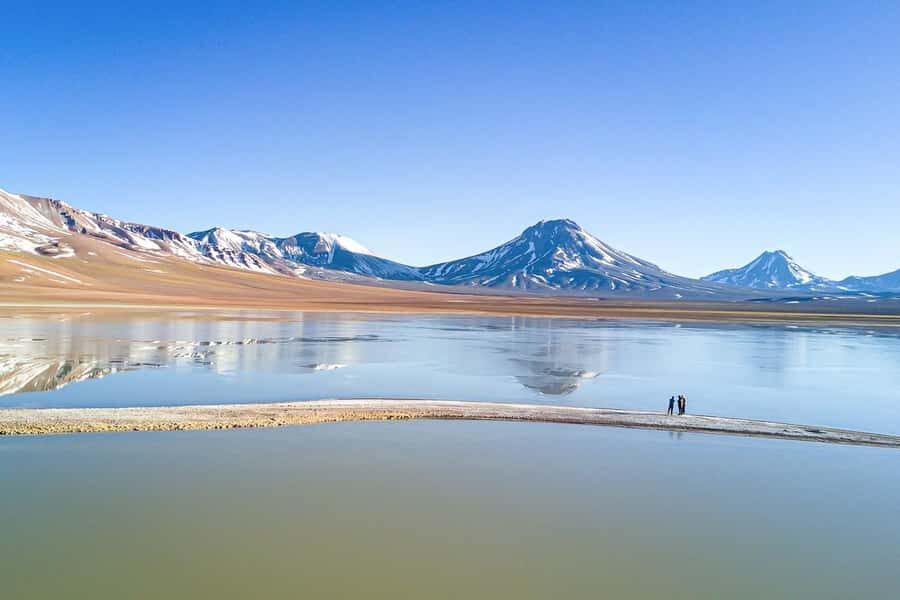
- The route includes a deep blue altiplanic lagoon set in salt, plus Andean viewpoints
- You get practical support: helmet, hiking stick, and a safety talk before the ascent
Láscar Volcano: What Makes This Hike Worth a Full Day
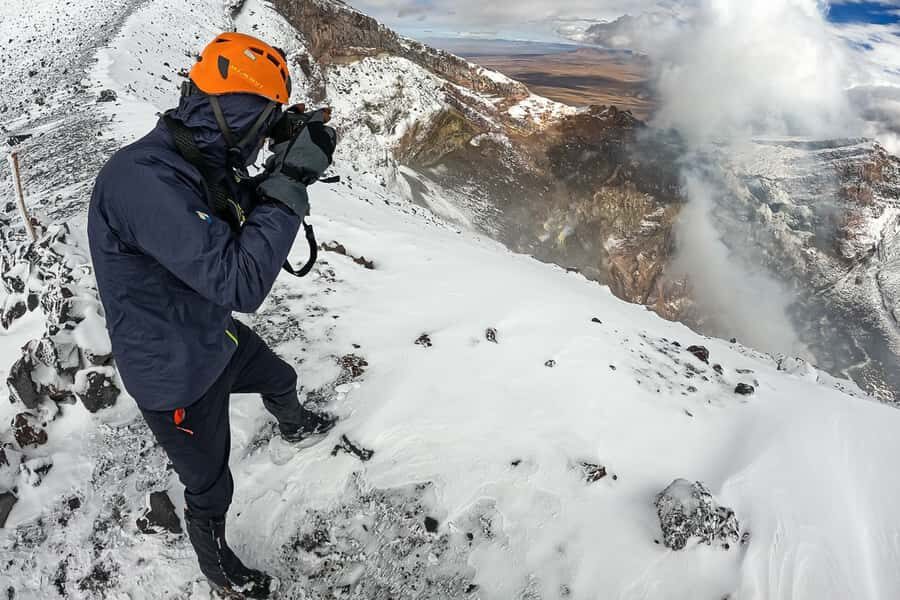
Láscar Volcano isn’t a quiet, postcard mountain. It’s northern Chile’s most active type of spectacle: a crater that keeps breathing out steam and gases, creating an atmosphere that feels more like a living site than a scenic stop. Even from the road, you’re looking up at a smoking crater, and that sets the tone for the hike.
What I love is the mix of “big altitude” and “real geology.” You’re not only chasing height—you’re also learning what you’re seeing: smoking fumaroles, sulfur emissions, and a huge crater that sits at the center of everything. Second, the experience isn’t only about the summit. You’ll also pause for the salt-and-water contrast of a deep blue altiplanic lagoon, plus desert flora and fauna along the walk up.
The other reason this works so well is the context. You’re based in San Pedro de Atacama, but the tour takes you into the high, harsh, beautiful altiplano where the terrain, wind, and vegetation all change. It feels like a full “zone shift,” not just a short drive and a quick climb.
You can also read our reviews of more hiking tours in San Pedro De Atacama
From San Pedro to the 4,600-Meter Base: The Drive Matters
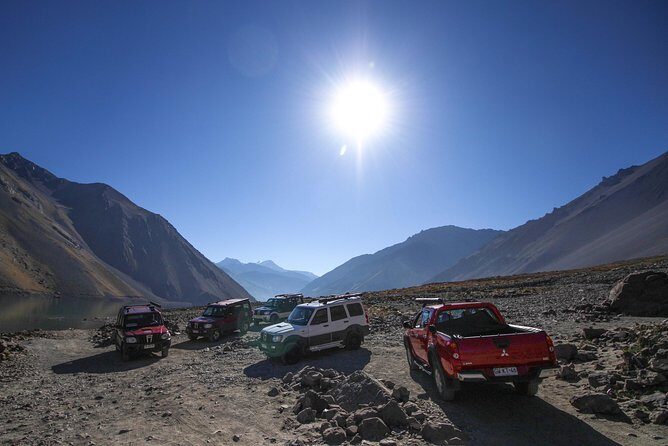
This is a 12-hour day, so the first phase is about getting you set up physically and logistically. You start with hotel pickup in San Pedro de Atacama, and you’ll want to be ready ahead of the scheduled time (your driver waits no longer than 10 minutes after). The ride is in an air conditioned Jeep/SUV, which helps a lot once you’re heading into colder, higher air.
On the way, the route passes through places like Toconao and Talabre. There’s also time to stop to purchase breakfast, which is useful because the hike later is long enough that you’ll want fuel in your system. This part is also where you’ll start seeing how the terrain tightens up as elevation increases: more stark color, more salt and stone, and less “desert warmth” feeling.
You’ll arrive at the base area and drive up to around 4,600 meters, with a chance to look up at Láscar’s smoking crater before the climb. That matters because it sets expectations. When you eventually step into the hike, you already know the “main event” is not just a viewpoint—it’s an active volcanic basin.
The Hike Setup: Helmet, Stick, and a Real Safety Briefing
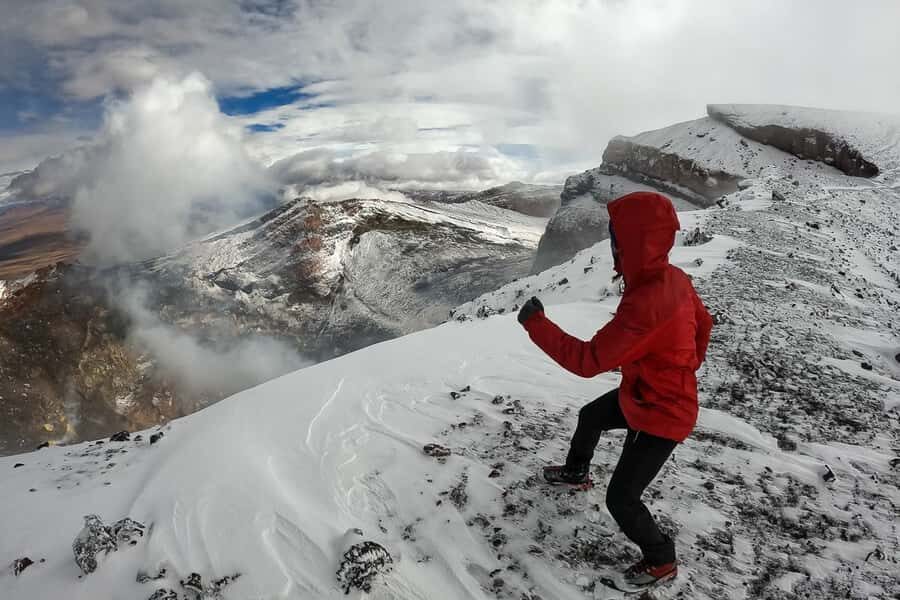
Before you start ascending, you’ll do three practical things that make a difference at altitude. First, you put on a helmet and pick up a walking stick. Those aren’t just formalities. On high, uneven ground, a stick helps you manage footing and reduce the strain on your legs when the slope gets steep.
Second, you’ll get a basic training and safety talk from your guide. You’re also moving with a plan: the tour includes guidance for the altitude and the crater terrain. This is especially important because you’re going to a deep crater area (the crater is described as about 300 meters deep), where footing and airflow can feel different than in lower valleys.
Third, the hike is not a quick sprint. It’s long—about 6 hours of hiking—with a requirement of roughly 700 meters of ascent to reach the top approach. That makes it a better match for people who can handle steady effort, breathe carefully, and keep moving even when the air feels thin.
If you’re traveling with questions about your pace or how your body handles altitude, this is where you’ll want to speak up early. Your guide’s job is to keep you safe, and the best hikes are the ones where you communicate before you’re forced to slow down.
The Summit Moment: Reaching 5590 M (If Conditions Allow)
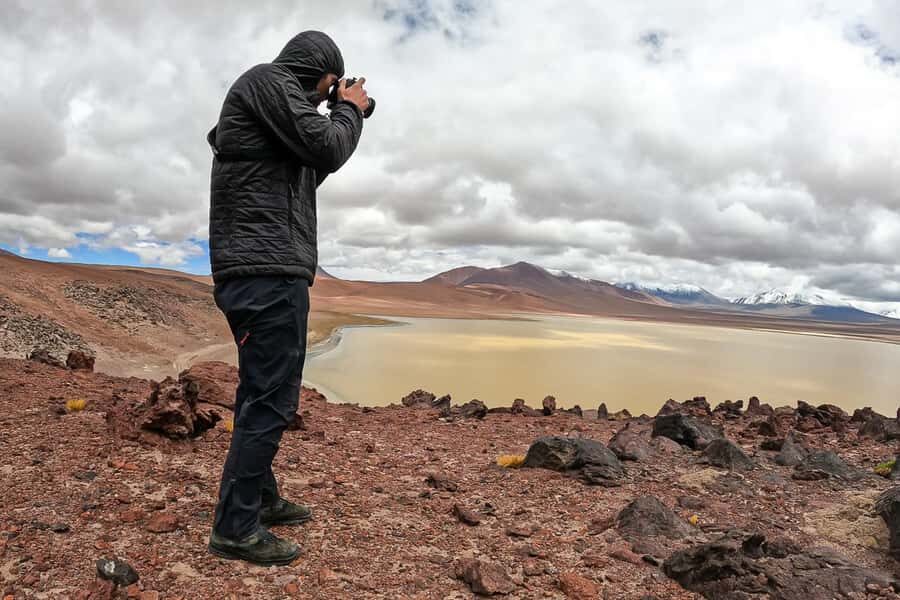
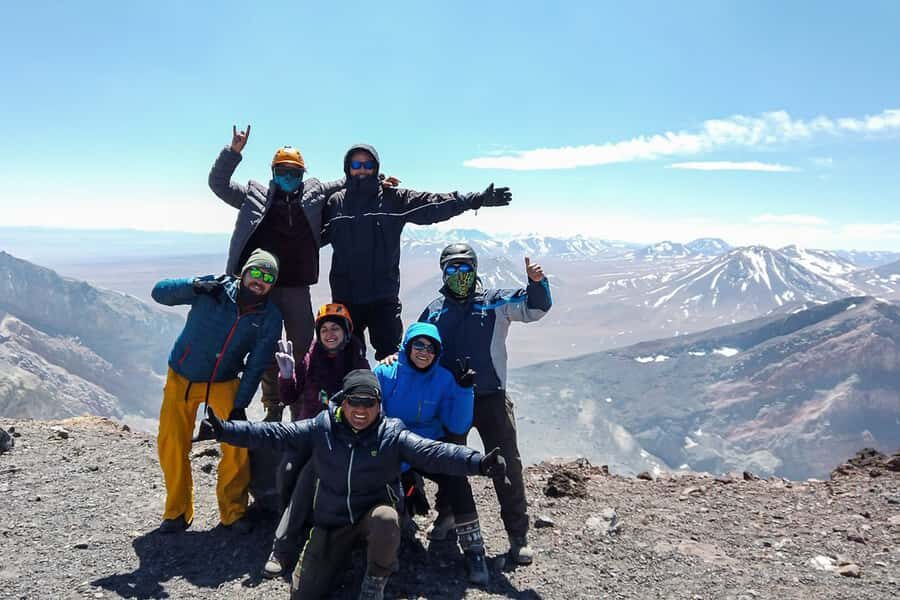
The headline goal is the top around 5590 meters above sea level. But this isn’t a guaranteed “sign here and you’re done” summit. The tour is designed around real mountain decision-making: the summit might not be accessible during bad weather, and your guide may decide based on conditions at the crater.
That “maybe” is not a marketing trick. At Láscar, crater conditions can change quickly. Steam and sulfur emissions can also mean visibility and comfort shift. In past outings, some groups have not gone to the very summit due to heavier sulfur-containing steam coming from the crater. That’s a good reminder that you’re hiking near active volcanic output, not strolling a museum trail.
When the summit approach is doable, you’re not just standing on a high point—you’re getting a view that spreads across the Andes range. It’s the kind of panorama where your brain starts to understand the scale of Chile’s high desert and the big tectonic story happening beneath it.
Just as important: you’ll descend afterward. The day is round-trip, and the descent is where people often underestimate how their legs will feel. Plan on moving slowly, staying steady, and letting your guide set the pace.
Fumaroles and Sulfur Smell: The Part You Can’t Fake
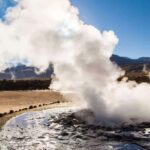
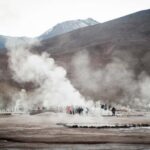
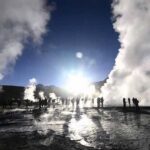
If you want volcanic drama, Láscar is the real deal. The tour specifically calls out smoking fumaroles, and you’ll smell the sulfur emissions as part of the experience. It’s not subtle. Your senses get involved, and that’s exactly why it feels authentic.
This is also where you should think practically about clothing and comfort. Warm layers matter because the crater zone and high altitude can bring cold snaps even in desert regions. Sunglasses help with glare. Gloves can be more than a nice-to-have when the wind cuts across the altiplano.
Also, remember that the crater is active. That means the guides are watching the situation, and they may adjust the plan if conditions aren’t right. If you’re the type who hates uncertainty, this tour will teach flexibility fast. The tradeoff is you’re not buying a “guaranteed postcard” hike—you’re choosing a living volcano experience.
A few more San Pedro De Atacama tours and experiences worth a look
The Blue Lagoon and Salt Flats: A Pause That Feels Like a Reset
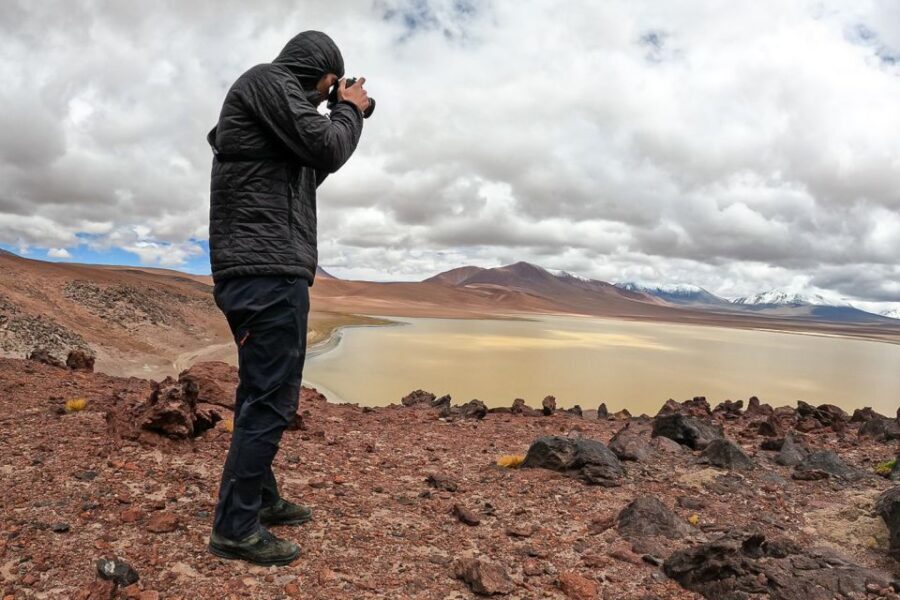
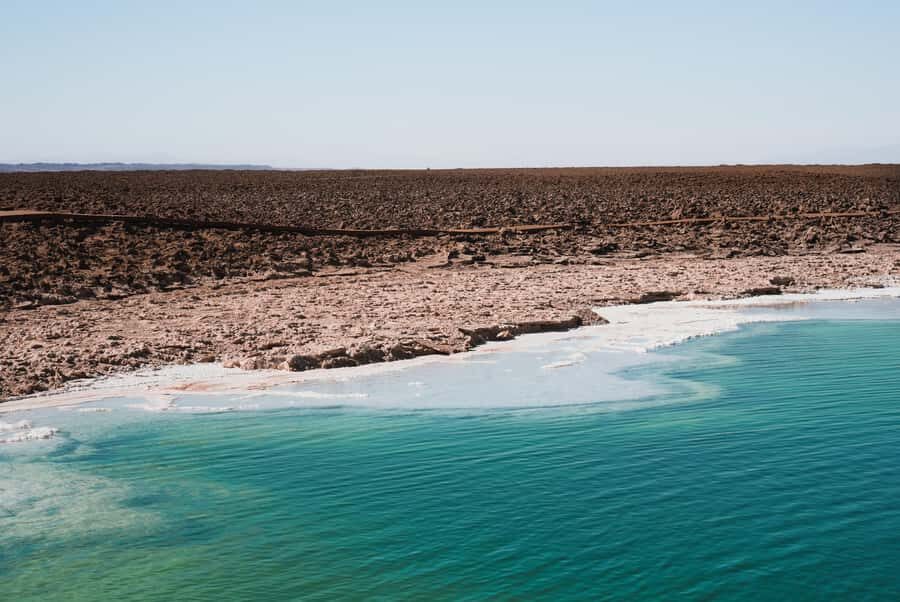
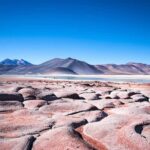
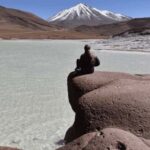
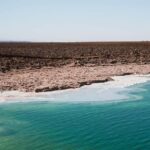
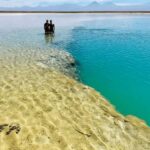
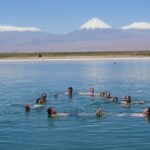
Not every volcano hike includes a lagoon stop that’s visually striking. Here, you’ll see a blue altiplanic lagoon surrounded by salt. That detail is important because it breaks the day into two kinds of wonder: the heat and activity of volcanic output, then the cold clarity of a high-water feature in a salty setting.
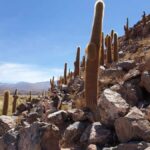
This stop also fits the ecology of the region. The walk and viewpoints include desert flora and fauna, including endemic species you might not see in other places. In other words, you’re not only looking at geology—you’re seeing how life adapts to harsh altitude and sparse resources.
Even if you’re a “summit person,” the lagoon moment is a good time to slow down, refocus, and catch your breath. It’s also a reminder that the day isn’t only about reaching a number on a map—it’s about how the whole environment connects.
Guides and Pace: What Makes the Day Feel Smooth
The quality of the guiding can turn a tough hike into a confident one. One positive thread from real experiences is that guides are professional, attentive, and focused on safety and pacing. Some groups have been led by guides such as Gary and Freddy, and the pattern is consistent: they help you stay on track, explain what you’re seeing, and respond if altitude starts messing with you.
That last point matters more than it sounds. At high elevation, people can get headaches, dizziness, or breathing fatigue. You can’t always predict how you’ll feel, even if you’ve hiked elsewhere. A good guide reads your condition and adjusts.
You also get the support tools that keep the day grounded: first aid kit, helmet, hiking stick, and a basic training talk. That doesn’t eliminate risk, but it does reduce the “are we prepared?” anxiety.
Price and Value: Is $200 Fair for a 12-Hour Volcano Day?
At $200 per person, you’re paying for a full logistical package: hotel pickup and drop-off, transport in an air conditioned Jeep/SUV, a guide, hiking equipment (helmet and stick), and safety gear (including a first aid kit). You’re also getting a planned half-day-plus on foot (about 6 hours hiking) in one of the most active volcanic zones you can visit from San Pedro.
What’s not included is drinks. Breakfast is also something you purchase during a stop along the route. So the real cost in your head should include water and any extra snacks you like.
Compared to arranging a climb independently, the value is the guidance and the timing. You’re hiking near volcanic emissions, operating at altitude, and dealing with summit conditions that can change. For most people, paying for that organization is a smart trade—especially when the goal isn’t just a viewpoint, but a whole day’s management.
This tour tends to be best when you want an “all taken care of” day but still want an active, physical experience.
Packing for Cold Altitude: What You’ll Actually Use
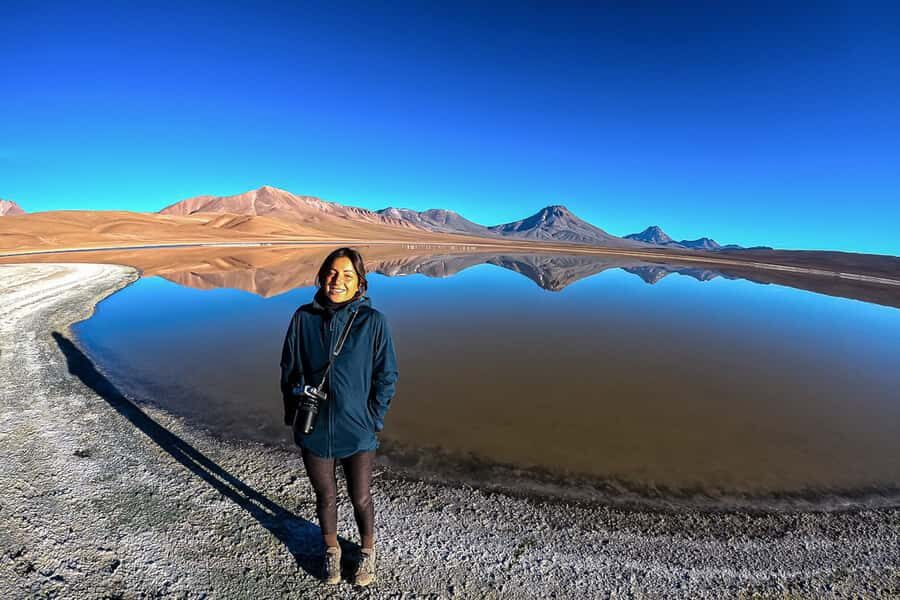
The tour lists specific items for a reason. You’re going above 4,600 meters and aiming toward 5,590 meters, so cold, wind, and glare are real factors. Here’s what you should plan to bring:
- Comfortable shoes (and ideally proper hiking shoes)
- Warm clothing and layers you can adjust
- Gloves
- Sunglasses
- Comfortable clothes to hike in
- Trekking gear you already use for altitude hikes
- Your passport or ID card
A few things are explicitly not allowed: smoking, alcohol and drugs, baby strollers, and shorts. That “no shorts” detail is a clue that the weather can bite even if San Pedro feels sunny and mild.
If you’re unsure about your clothing system, aim for warm, wind resistant layers. And if you tend to feel altitude quickly, pack for “cold discomfort,” not just “heat comfort.”
Who This Tour Suits Best (and Who Should Skip It)
This is not the tour for everyone. It’s not suitable for:
- Pregnant women
- People with mobility impairments
- Children under 18
- People over 65
That’s tied to the high altitude and the physical demands of a multi-hour hike plus uneven terrain. Even though the tour is guided, you still have to manage the ascent and descent with your own legs.
If you’re fit enough to hike at elevation, you handle cold layers well, and you’re comfortable with the possibility that the summit might not be reached, you’ll likely enjoy it. If you’re hoping for a gentle walk or mostly vehicle viewing, you’ll probably feel short-changed by the hiking time.
Common Hiccups: Weather, Summit Access, and Sulfur Steam
The two biggest variables here are weather and crater conditions. The summit might not be accessible in bad weather. Even in fair weather, sulfur-containing steam can affect how comfortable or safe the final approach feels. The guides respond to those conditions, which is part of why the tour is structured with flexibility.
Another variable is how your body handles altitude. The day goes high, and the tour includes a safety-focused plan, but it can’t change the physics of elevation. If you’ve had issues with altitude before, go slower, drink water as you’re able, and tell your guide early if you feel off.
The upside of these uncertainties is that they reduce the odds of pushing in the wrong direction. A good experience at Láscar is one where you leave safely and still take in the active crater, the lagoon, and the Andes views—whether or not you hit the exact summit line.
Should You Book the San Pedro de Atacama Láscar Summit Hike?
Book this tour if you want a true high-altitude volcano hike from San Pedro that includes active crater scenery (fumaroles and sulfur smell), a real ascent, and the bonus of a blue altiplanic lagoon stop. It’s also a strong choice if you value guidance and safety structure: helmet, hiking stick, first aid kit, and a professional guide who keeps you moving at a workable pace.
Consider skipping or choosing a lower-intensity option if you’re sensitive to altitude, can’t handle sustained hiking time, or fall into the listed non-suitable categories. And if you hate the idea that weather might prevent the summit, plan your mindset around the day as an experience of the volcano ecosystem, not only a summit checkbox.
If you go in prepared—warm layers, good shoes, patience with altitude—this is one of those rare day trips where the mountain feels alive under your nose as much as it dazzles your eyes.
FAQ
How long is the Láscar Volcano summit hiking day trip?
The duration is 12 hours.
What altitude do you reach on this tour?
The tour goes to 5590 meters above sea level, if conditions are right.
Is the summit guaranteed?
No. The summit might not be accessible during bad weather conditions.
How long is the hiking portion?
You’ll hike for about 6 hours.
What’s the ascent requirement mentioned for reaching the top?
The tour requires 700 meters to reach the top of the volcano.
Do you visit the crater?
Yes. You’ll hike near a crater that’s described as about 300 meters deep.
What’s included in the price?
Included are the hiking tour, a guide, hotel pickup and drop-off, basic training and safety talk, helmet and hiking stick, first aid kit, and a snack.
Are drinks included?
No. Drinks are not included.
What should I bring for the hike?
Bring your passport or ID card, comfortable shoes, warm clothing, sunglasses, hiking shoes, comfortable clothes, gloves, and trekking gear.
What guide languages are offered?
The live tour guide is available in English, Spanish, and French.