REVIEW · SAN PEDRO DE ATACAMA
San Pedro de Atacama: El Tatio Geyser Field and Wetlands
Book on GetYourGuide →Operated by Inspires Viagens · Bookable on GetYourGuide
Sunrise in the high Andes hits different. This San Pedro de Atacama day trip takes you to the El Tatio geyser field as it starts to glow, then adds a second side of the desert with wetlands around Putana and Machuca. I especially love the sunrise timing and the chance to share time in Machuca, a tiny indigenous village where food is local, not staged for tourists.
My second favorite part is the way the early start still feels relaxed once you’re at El Tatio. You’re not just rushing from photo spot to photo spot; you get a proper visit among 80+ active geysers and then an outdoor breakfast on the Altiplano. The main thing to consider is that it’s a very early 4:30 am pickup plus high-altitude cold, which can be a lot for some people.
In This Review
- Key highlights at a glance
- Why the El Tatio Sunrise Works So Well
- Meeting at 4:30 am: Getting to the Altiplano
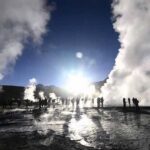
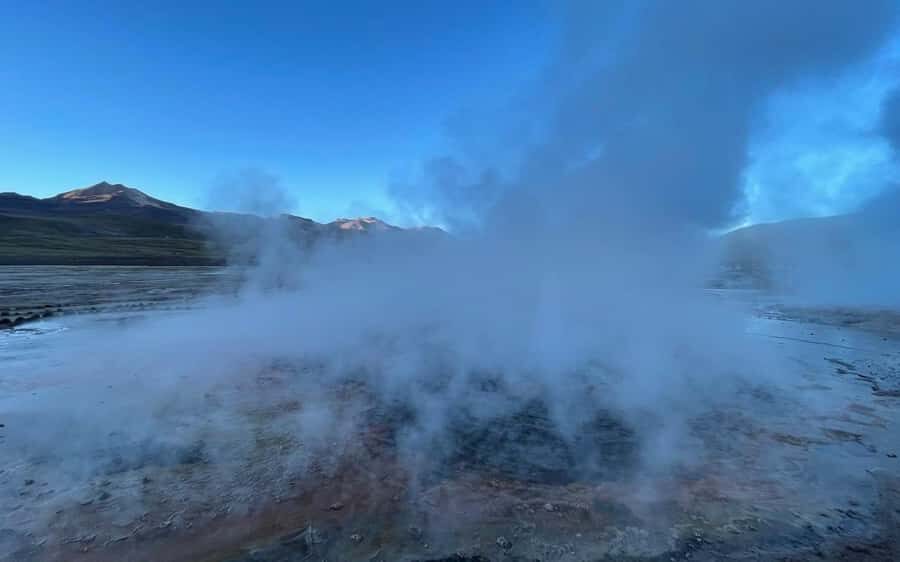
- El Tatio Geysers: 80+ Steam Engines at First Light
- Outdoor Breakfast in the High Desert
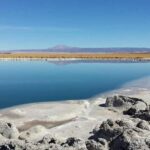
- Putana and Machuca Wetlands: A Different Side of the Atacama
- Machuca Town: Indigenous Food Stops and Community Time
- What to Pack and How to Handle the Altitude
- Price and Value: Is $58 Worth It?
- Should You Book This El Tatio and Wetlands Tour?
- FAQ
- What is the duration of the tour?
- What time is pickup?
- What does the price include?
- Is the entrance fee included?
- What are the main places visited besides El Tatio?
- What kind of food is included?
- What languages are offered?
- Is there free cancellation?
Key highlights at a glance
- 4:30 am departure so you can catch El Tatio in sunrise light
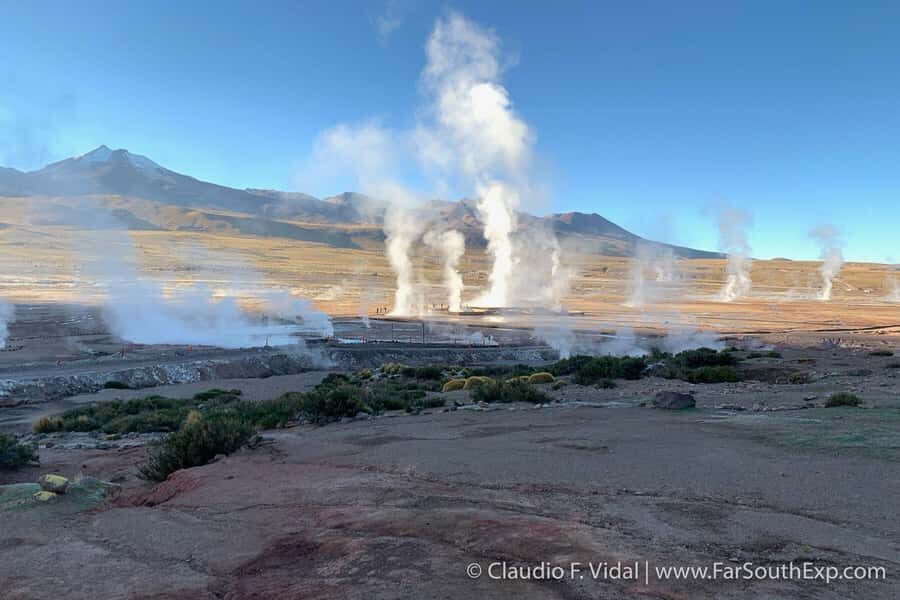
- El Tatio is the third biggest geyser field in the world
- 80+ active geysers for close-up steaming views
- Outdoor breakfast on the Altiplano, surrounded by volcano scenery
- Putana and Machuca wetlands plus time in Machuca village
- Machuca food stops like cheese empanadas and llama meat skewers
Why the El Tatio Sunrise Works So Well
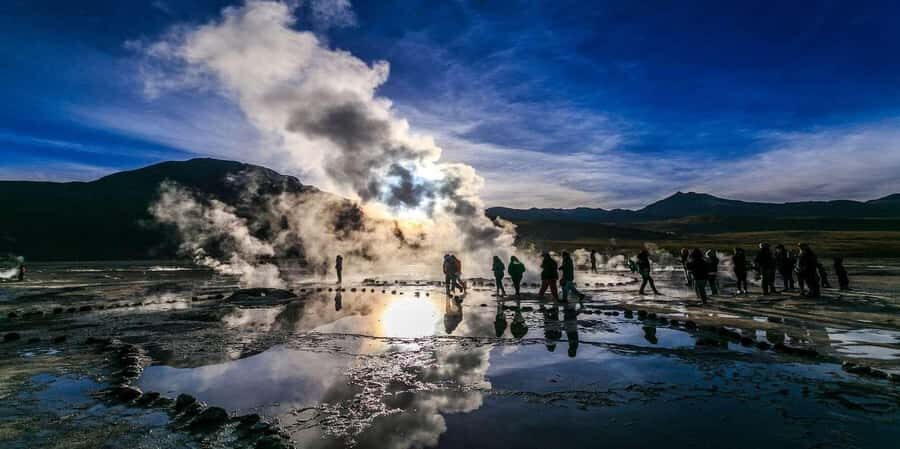
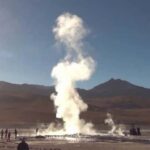
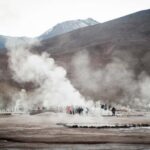
El Tatio is famous for a reason: at first light, the place feels alive. Steam rises, the ground looks subtly different with every minute, and the whole setting has that cold, crackling energy that makes you stop and pay attention.
The sunrise timing matters because it changes the experience. Early light brings out contrast in the steam and gives you clearer visibility for walking the field and spotting geysers. It also makes the whole trip feel more like a morning ritual than a generic day tour.
And there’s a second payoff. After the geysers, you get contrast with the wetlands—Putana and Machuca—where the desert softens into a quieter, more watery world. That switch from active steam to calmer edges is the sort of balance you’ll appreciate, especially if you’ve already seen a lot of dry desert scenery in the San Pedro area.
You can also read our reviews of more tours and experiences in San Pedro De Atacama.

Meeting at 4:30 am: Getting to the Altiplano
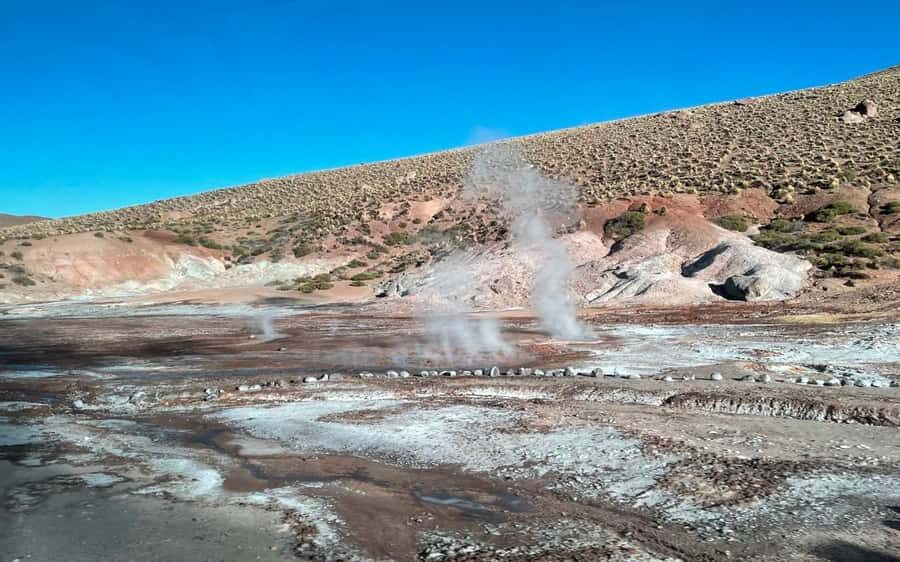
This tour runs about 7 hours, and it begins very early: pickup is at 4:30 am. That schedule isn’t random. You’re trying to arrive when the conditions are right for sunrise and for the geyser field’s morning atmosphere.
The early departure also means you spend the day with cooler temperatures first, then settle into the outdoors as the morning warms up. Still, expect to feel the cold when you’re standing around waiting for the geysers to look their best.
Transportation is included, and you’ll go with an English-speaking guide (Spanish and English are available). Even if you’ve seen photos, what a guide does with timing and pacing is huge. The best part is that you’re not trying to figure it out on your own at altitude and in low morning light.
El Tatio Geysers: 80+ Steam Engines at First Light
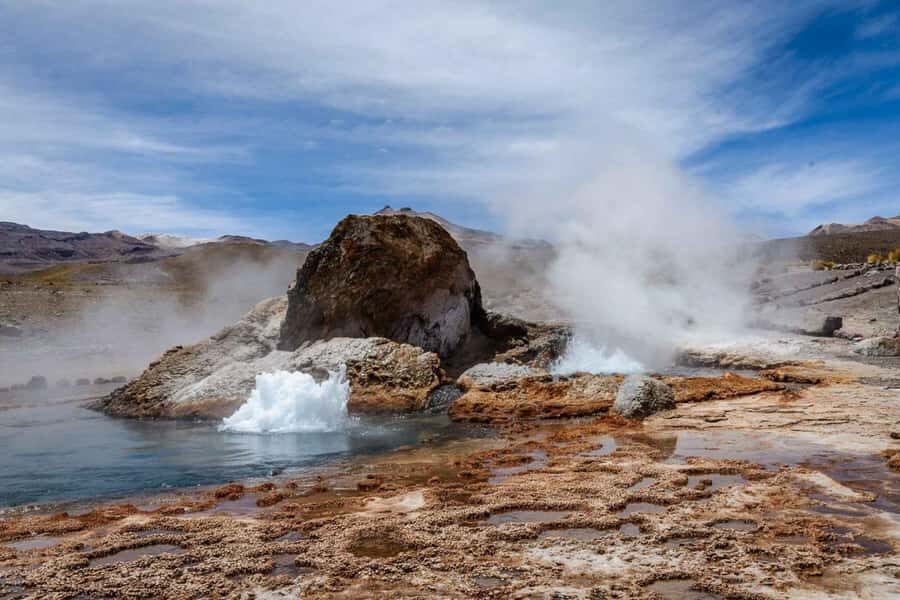
El Tatio is a geyser field with real scale. You’ll visit an area with more than 80 active geysers, and you’ll have time to move through the field and take it in.
What I like about this setup is that you’re not treated like a fast-moving line. You get enough time to watch how steam behaves and to notice that not every geyser is the same. Some release more constantly, others feel more “on/off,” and that variation makes the field feel less repetitive and more like a living system.
It’s also worth remembering what El Tatio means in the Atacama story. This region is all about extremes: high altitude, thin air, and volcanic influence. At El Tatio, that’s visible right in front of you. The field being the third biggest geyser field in the world helps explain the size of what you’re seeing, but the real impact is how much active geothermic activity you can actually experience close up.
One more point: dress warm. A past guest specifically emphasized that the cold at the right time of day matters. So even if you think you packed enough, pack a little extra warmth. When you’re standing still at altitude, that chill gets serious fast.
Outdoor Breakfast in the High Desert
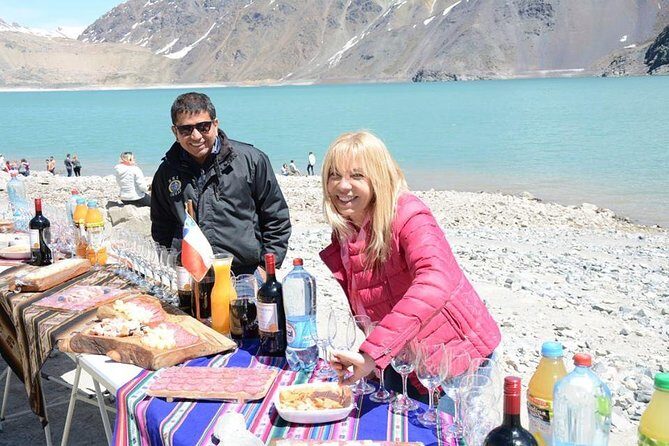
After the geyser walk, you’ll enjoy breakfast outdoors on the Altiplano. This is one of those moments that makes the early start feel worth it. You’re no longer rushing around in cold air—you’re sitting with a view and letting the day settle in.
Breakfast here works because it’s placed between two very different environments: the active geothermal field and the wetlands later. It also helps you reset your energy before the next stretch of the trip.
You should expect this to be simple, practical, and outdoorsy rather than fancy. The value is not about gourmet food. It’s the setting and the timing—eating in the middle of the high desert with volcano country around you.
Putana and Machuca Wetlands: A Different Side of the Atacama
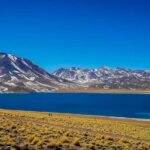
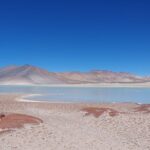
One of the smartest choices in this tour is that it doesn’t stop at geysers. You also visit the Putana and Machuca wetlands, plus the area around the town of Machuca.
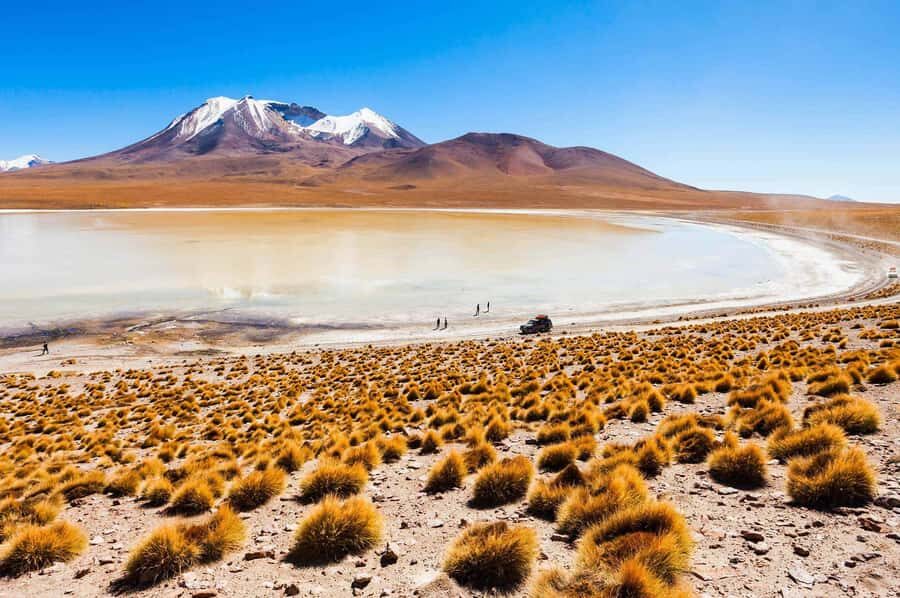
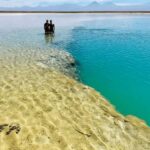
Wetlands in the Atacama context feel almost surreal. The desert you know from postcards is dramatic, but wetlands add movement in a different way—water attracts life, and life changes what the environment looks like. The tour also notes that you’ll be surrounded by volcanoes and wild animals, so this part is where you can get a more natural “watch and notice” experience rather than just photo stops.
What makes this stop valuable is the contrast. If El Tatio is steam and geology, the wetlands are about softness and edges—where land and water meet. Even if you don’t see animals constantly, the environment gives you a calmer rhythm than the geyser field.
Machuca Town: Indigenous Food Stops and Community Time
Machuca is a very small indigenous village, and the tour includes time there. That matters because it shifts the vibe away from a drive-through tourist stop.
You’ll also get specific food experiences tied to the town: cheese empanadas and llama meat skewers are mentioned as local favorites. I like that you’re not only hearing about local life—you’re tasting it, and you’re doing it in the place where the food is part of daily culture.
This is also where the tour’s “share with the community” aspect comes through. The visit isn’t described like a show. Instead, it’s more about being present in Machuca long enough to feel the scale of the village and understand how small and local it is.
You should keep expectations realistic, too. Machuca isn’t built for big crowds. If you’re the type of traveler who likes authentic places even when they’re basic, you’ll probably enjoy this section a lot.
What to Pack and How to Handle the Altitude
This is an early-morning, high-altitude itinerary. Even if you’re fit, you’re still dealing with thin air and cold temperatures, and you’ll be outside longer than you might expect.
Based on real feedback, plan to dress warm. Layers are key. Bring gloves or something warm for your hands, plus something that blocks wind when you’re standing still at the geyser field. A hat and a scarf are worth it because mornings can feel sharper than your intuition.
Altitude is another practical consideration. One guest described an incident related to altitude sickness during the drive, and the guide handled it with concern for both the affected person and the rest of the group. That’s a reminder that altitude can hit without warning, so take it slow, avoid overexerting yourself on the first stops, and don’t pretend you feel fine just to keep up.
If you’re prone to altitude issues, consider talking with a medical professional before you go. At minimum, plan to move gently and give your body a chance to adjust.
Price and Value: Is $58 Worth It?
At $58 per person for a 7-hour day, this tour is priced like a logistics-heavy experience, not a long casual walk. You’re paying for the early pickup timing, the transportation, and an English-speaking guide, plus breakfast.
Here’s how I judge value with tours like this: what would it cost you in time and hassle to replicate it on your own? Early arrival for sunrise at a remote geyser field isn’t the kind of thing you can wing easily. Then there’s the added route to wetlands and Machuca, which turns it into a full, varied day rather than a single-site detour.
The one important cost note: the entrance fee isn’t included. That’s typical for some sites, and it’s not a dealbreaker, but you should budget for it so there are no surprises at the start of your visit.
If you want El Tatio but also want more than just geysers, the price starts to look more reasonable. You’re getting a packed route—geyser field, breakfast, wetlands, and Machuca—with interpretation from your guide along the way.
Should You Book This El Tatio and Wetlands Tour?
I’d book this if you want a morning with real atmosphere. The El Tatio sunrise timing is the main reason to choose this format, and the rest of the day gives you variety—wetlands and Machuca town—so your trip feels like more than one long stop.
You should also consider it if you like experiences that stay human-sized. Spending time in Machuca, trying local foods like cheese empanadas and llama meat skewers, and sharing time with the indigenous community is a strong match for travelers who want authenticity over spectacle.
Skip it, or at least rethink it, if you know early mornings and cold conditions are hard for you, or if altitude typically affects you badly. This itinerary includes enough outdoor time that comfort and pacing matter.
If you go in prepared—warm layers, calm pace, realistic expectations—you’ll get a trip that mixes geology, high desert nature, and a small community visit into one well-timed day.
FAQ
What is the duration of the tour?
The tour lasts about 7 hours.
What time is pickup?
Pickup is very early, at 4:30 am, so you can arrive in time for sunrise at El Tatio.
What does the price include?
It includes pickup from the meeting point, breakfast, an English-speaking guide, and transportation.
Is the entrance fee included?
No. The entrance fee is not included.
What are the main places visited besides El Tatio?
You’ll also visit Putana and Machuca wetlands and the town of Machuca.
What kind of food is included?
The tour includes outdoor breakfast, and in Machuca you can enjoy local food such as cheese empanadas and llama meat skewers.
What languages are offered?
The guide can provide Spanish and English.
Is there free cancellation?
Yes. You can cancel up to 24 hours in advance for a full refund.