REVIEW · SAN PEDRO DE ATACAMA
San Pedro de Atacama: Wildlife Safari and Photography Tour
Book on GetYourGuide →Operated by On Safari Atacama · Bookable on GetYourGuide
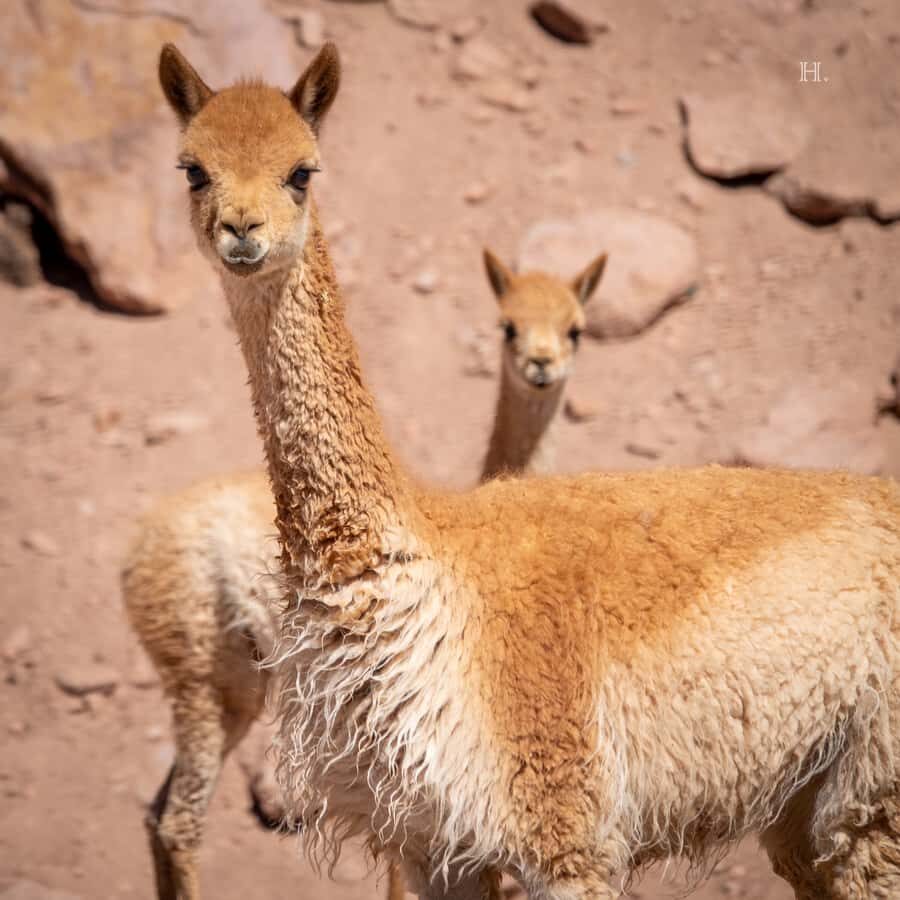
Wildlife here is close enough to photograph, not just watch. This safari in San Pedro de Atacama turns a short mountain outing into serious wildlife time with a guide who knows where the animals feed. I especially like the mix of close-up spotting (guanacos, vizcachas, birds) and the camera-friendly gear—scopes with phone adaptors plus binoculars.
The one consideration: this is a 4-hour outing with a short hike, so it’s not for people who want a long, strenuous trek or all-day walking.
In This Review
- Key things that make this tour worth it
- Wildlife Safari in San Pedro: built for spotting and shooting
- From pickup to Quirquincho Pass: rocky spotting for guanacos and vizcachas
- Machuca Village wetlands: the birdlife stop that often steals the show
- Putana Vado lookout: 360° views with volcano backdrop
- Why this tour’s “small group” setup helps your photos
- Gear and guidance: the included optics are the point
- What 4 hours feels like on the ground
- Who should book this tour (and who might skip it)
- Price and value: $145 for the optics and the right guidance
- Languages and group comfort: practical, not complicated
- Should you book this Wildlife Safari and Photography Tour?
- FAQ
- How long is the San Pedro de Atacama Wildlife Safari and Photography Tour?
- What is the price per person?
- Is hotel pickup and drop-off included?
- What wildlife and sights should I expect to see?
- Does the tour include photography equipment?
- What languages is the tour guide available in?
- Is it suitable for children?
- What should I bring for the tour?
- Is there free cancellation?
Key things that make this tour worth it
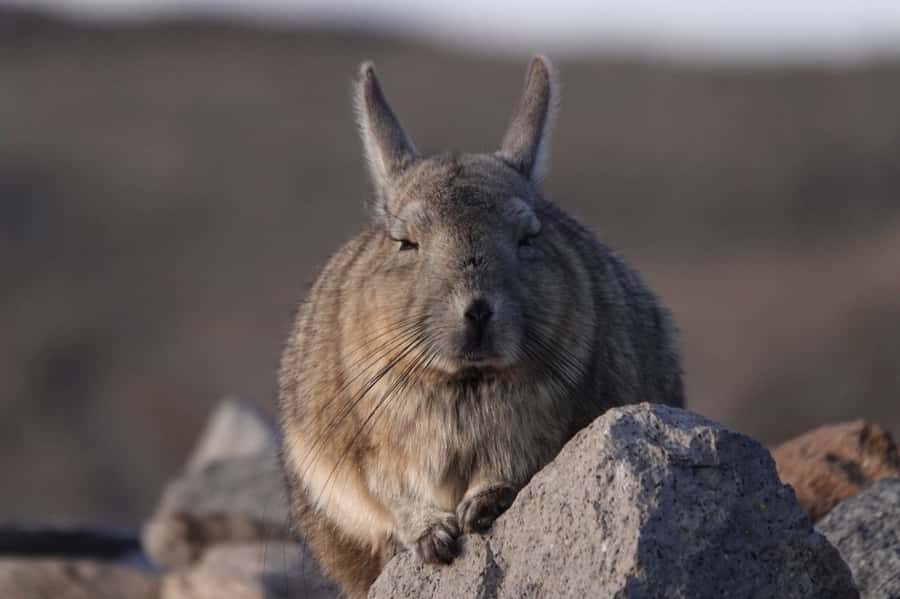
- Quirquincho Pass for guanacos and vizcachas in open, rocky terrain
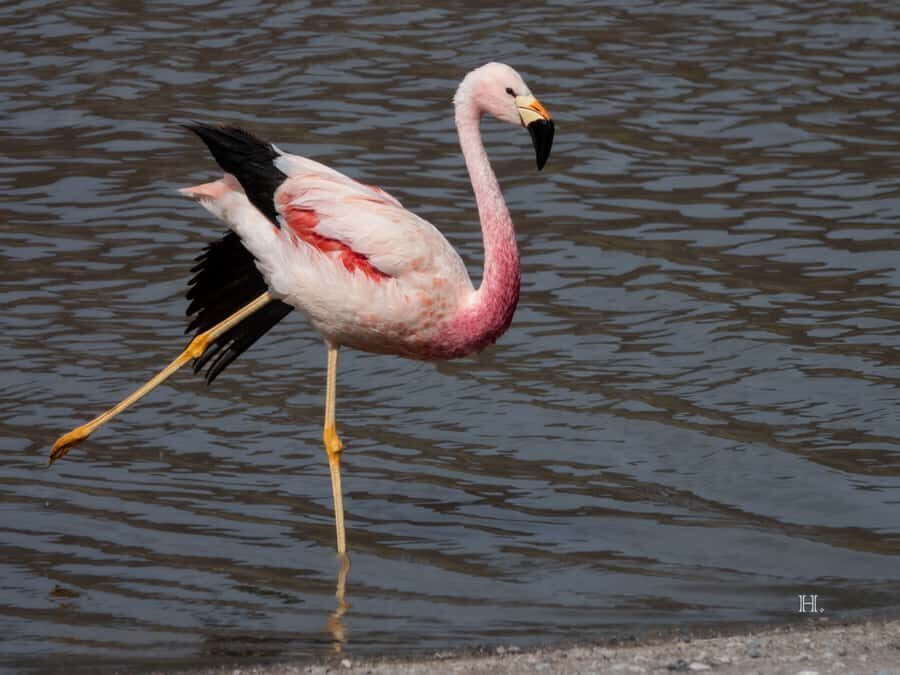
- Machuca Village wetlands for flamingos and lots of birdlife
- Putana Vado lookout with a 360° view over the region’s biggest wetland
- Small group (max 4) for quieter wildlife watching and easier photography
- Scopes + phone adaptors plus binoculars and field guides
- Fauna-focused guidance so you know what you’re actually seeing
Wildlife Safari in San Pedro: built for spotting and shooting
San Pedro de Atacama has a way of making you feel like you’re looking at the wrong continent—until you step into the right spots. This 4-hour wildlife safari is designed for exactly that moment: you drive from the town up into the high country, then slow down and focus on animals and birds you’d miss on your own.
If you like photography, this tour is a good fit because it doesn’t require you to be a pro. The guide works with your level and keeps you moving toward the places where wildlife actually shows up. And if you’re not chasing images, you still get a lot out of it: you’ll learn how animals behave in this altitude-and-dryness world, and you’ll get time to watch them calmly.
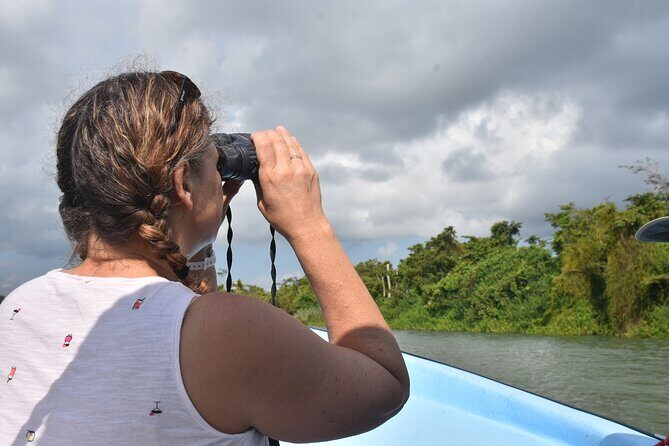
The tour’s value is in the mix of effort and tools. Hotel pickup gets you out of logistics mode. Once you’re in the mountains, you’re using binoculars with field guides and spotting scopes with phone adaptors, so your viewing isn’t limited to what you can see with bare eyes.
You can also read our reviews of more tours and experiences in San Pedro De Atacama.
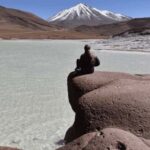
From pickup to Quirquincho Pass: rocky spotting for guanacos and vizcachas
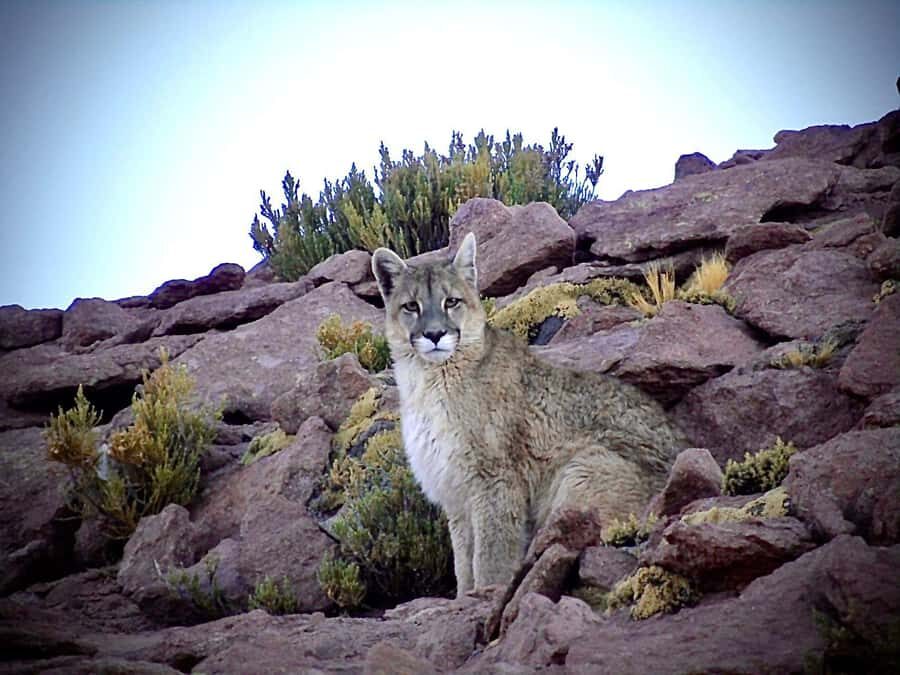
You start with pickup and a drive of about 45 minutes up into the mountains. The first key stop is the rocky Quirquincho Pass, where the goal is to find guanacos and vizcachas.
This is a great opening because it teaches you how to look. In this kind of terrain, animals can be both obvious and frustrating: you might spot movement, but you won’t get details unless you slow down. That’s where the guide’s experience really matters. You’re not just scanning the horizon—you’re learning what to watch for and how to interpret quick changes in behavior.
From a photography standpoint, this first stage is ideal for:
- practicing steady framing (especially at distance)
- switching between binoculars and scopes when animals are farther out
- learning what settings and light conditions do matter in this high, dry air
And it’s also a good reality check. In these mountains, wildlife doesn’t come to the roadside to pose. You’ll likely spend part of the time scanning, then get a rewarding payoff when the guide calls you in to observe from the right angle.
Practical tip: wear comfortable shoes. Even though you’re not doing a long hike here, the area is rocky and you’ll want stable footing for quiet watching.
Machuca Village wetlands: the birdlife stop that often steals the show
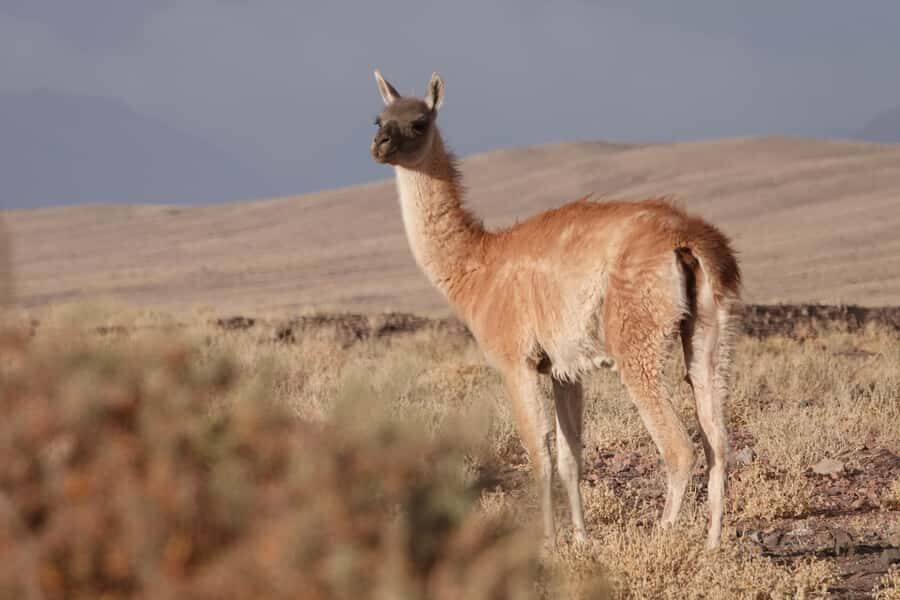
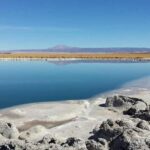
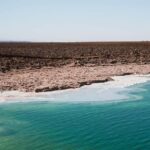
After Quirquincho Pass, you head to the wetlands around Machuca Village. This is where the tour shifts from rocky-and-open to bird-and-water, and it’s one of the best reasons to book.
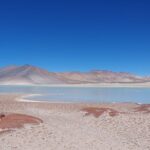
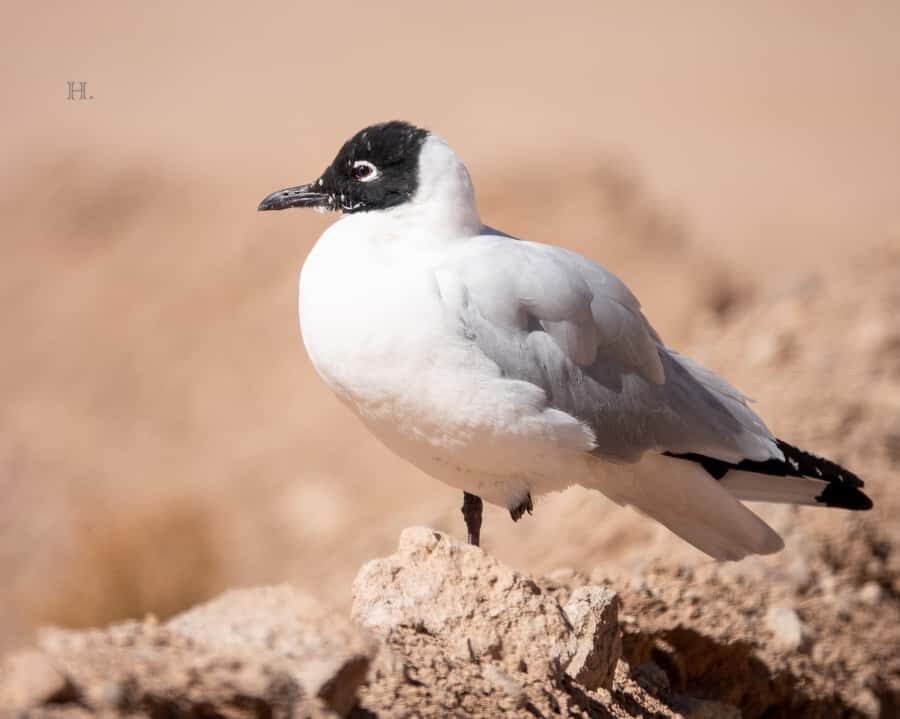
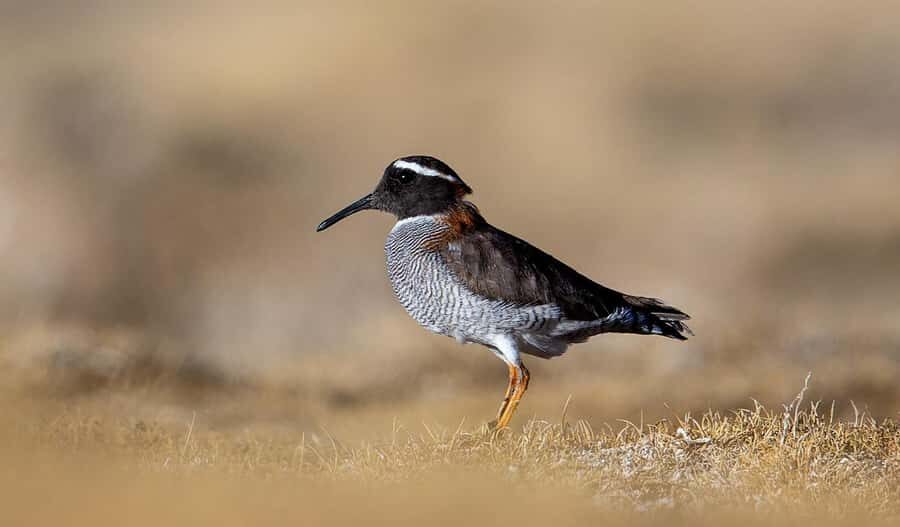
You’ll do a short hike here, and the whole point is birdlife. This is also the stop where flamingos can appear. The wetlands are the kind of place where your eyes keep finding new things: different bird shapes, different distances, different patterns of feeding and standing.
For photographers, Machuca is valuable because it gives you variety:
- larger subjects (flamingos) that you can track and photograph
- smaller birds that require careful observation
- wide-water views that help you compose more than just close-ups
For wildlife lovers who don’t care about camera gear, it still works because the guide keeps the experience grounded. You’re not just ticking off species. You’re learning what the birds are doing and why the wetland setting matters.
One subtle thing I like about this portion of the tour: it slows you down. You’re not racing from one view to the next. You’re in one wet area long enough to see patterns, not just moments. That’s when you get better photos too.
Putana Vado lookout: 360° views with volcano backdrop
Crossing through Machuca Village, you then drive up to the Highland of Putana Vado lookout. This is the “catch your breath” stop and, for many people, a highlight on its own.
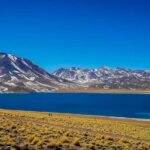
The big draw is the 360° view over the region’s largest wetland, surrounded by high volcanoes. Even if you’re focused on wildlife, don’t skip this part. It helps you understand the scale of what you’re photographing. And it gives you a different kind of frame: not close-ups, but context.
In other words, you’ll have images you can point to later and say: this is where the birds feed, this is how the water sits in the high desert, and this is how the volcano walls shape the weather and daylight. It’s the kind of background that makes your wildlife photos feel more complete.
Photography-wise, lookout time is great for:
- wide shots and environmental context
- establishing shots of wetlands
- using your optics to compare distant animal positions
Why this tour’s “small group” setup helps your photos
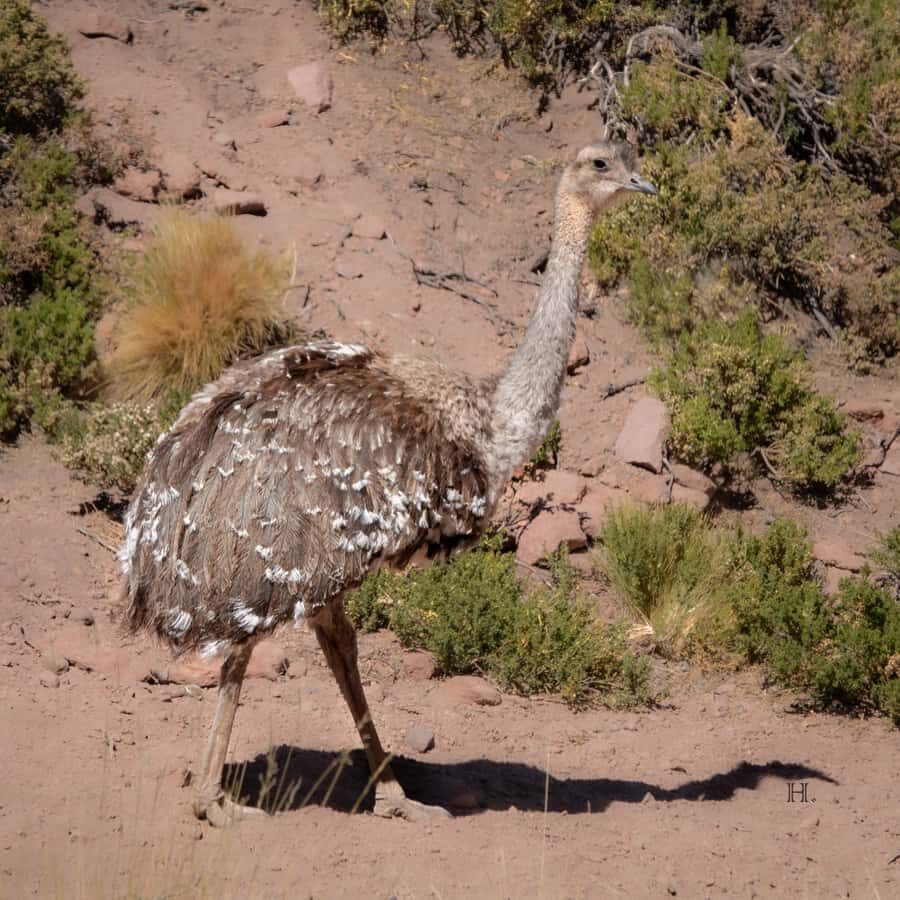
This experience runs as a small group—limited to 4 participants. That small size makes a real difference in the field.
When you’re using spotting scopes and binoculars, space matters. Too many people and the best angles get blocked. Too few people and you might feel awkward or rushed. Here, the group size stays small enough that you can wait for the right moment without feeling crowded.
It also helps that you have a guide who can work with different interests. If you want to photograph a specific animal, you can tell them. If you mainly want to learn, the guide can steer you through the wildlife without making it feel like a lecture. Either way, you get attention.
The tour also includes phone adaptors for the scopes, which is a simple but huge upgrade. It means you’re not stuck choosing between looking and photographing. You can focus on spotting, then switch into “make the shot” mode when the moment arrives.
Gear and guidance: the included optics are the point
Included in your tour:
- hotel pickup and drop-off
- a bilingual expert guide on fauna
- spotting scopes with phone adaptors
- binoculars plus field guides for fauna and birds
This is the heart of the experience. Without optics, wildlife viewing in Atacama can feel like an ongoing guessing game. With the optics, you can confirm what you’re seeing and then refine your photo composition.
A guide adds another layer. Animals may be present, but getting the details right is the difference between an average shot and a keeper. The guide helps you find animals and birds you might not notice at first. Then they help you interpret what you’re seeing—what it is, how it moves, and what it might be doing in that moment.
If you’re a beginner photographer, that’s especially useful. You don’t need fancy gear. You need the right target and the patience to observe long enough to capture something real.
What 4 hours feels like on the ground
Four hours sounds short until you’re actually in the mountains. The pace here is practical: drive up, stop and scan, do a short hike, then drive to a lookout and wrap with time for the view.
You’ll likely spend much of the time outdoors in open terrain and at the wetland area. That means you should dress for temperature swings. High desert air can feel sharp, especially if wind picks up near ridgelines.
Bring:
- comfortable shoes (you’ll want stable footing)
- warm clothing (layer up)
- a hat
- sunscreen
Also, plan for the reality of wildlife time. Animals and birds don’t obey schedules. This tour’s structure gives you multiple chances—so even if one moment is quiet, the next stop usually brings something interesting.
Who should book this tour (and who might skip it)
This safari is especially good for:
- people who want wildlife they can actually see well (not just hear about)
- photography lovers who want help targeting animals and birds
- couples or solo travelers who like a small-group feel
- nature watchers who want clear explanations of fauna
It may be less ideal if:
- you want a long hike or a full day of walking
- you’re traveling with kids under 12, since it’s not suitable for them
One more note: this tour can be a good option if you’re solo. There’s at least one documented case where the experience still ran even when someone booked alone, instead of being canceled.
Price and value: $145 for the optics and the right guidance
At $145 per person, this isn’t the cheapest way to spend an afternoon in San Pedro. But it also isn’t trying to be. This price mostly covers what you’re really getting:
- guided wildlife expertise
- included binoculars and scope gear
- phone adaptors that make the photography side easier
- pickup and drop-off so you’re not handling the mountain logistics yourself
If you’re comparing to tours that focus on drives and quick stops, the value here is time plus tools. You’re not rushing past animals. You’re slowing down long enough to identify them and photograph them at a distance.
Where you might feel the price differently is if you’re only looking for dramatic scenery and don’t care about animals. But if your interest includes wildlife and birds, the tour is built for that exact goal.
Languages and group comfort: practical, not complicated
The guide can work in English, Spanish, and Portuguese. That matters more than it sounds. Clear communication helps when you’re learning fauna behavior in real time.
You’ll also be picked up by car from your hotel area and returned after the tour. It’s a simple setup that keeps the day focused.
And because the group is small, you can ask questions and get specific help instead of waiting your turn through a crowd.
Should you book this Wildlife Safari and Photography Tour?
I’d book it if you want the Atacama wildlife experience in a way that’s usable for photography. The included optics and phone adaptors are a big deal, and the guide’s ability to direct you to animals and birds makes the difference between seeing something and actually understanding it.
Skip it if you want a long hike or you’re traveling with children under 12. Also, if you’re the type who needs nonstop action, keep expectations realistic. This tour is built around patient observation and short but meaningful stops.
If you’re deciding between a generic wildlife drive and a camera-minded safari, this one tilts toward the field experience: multiple wildlife-focused stops, time to watch, and the tools to see details without guesswork.
FAQ
How long is the San Pedro de Atacama Wildlife Safari and Photography Tour?
The tour lasts 4 hours.
What is the price per person?
The price is $145 per person.
Is hotel pickup and drop-off included?
Yes, pickup and drop-off from your hotel are included.
What wildlife and sights should I expect to see?
You’ll look for guanacos and vizcachas at Quirquincho Pass, and you’ll visit wetlands near Machuca Village with birdlife that can include flamingos. You’ll also have a lookout with 360° views over the largest wetland of the region, surrounded by high volcanoes.
Does the tour include photography equipment?
Yes. It includes spotting scopes with phone adaptors and binoculars with field guides of fauna and birds.
What languages is the tour guide available in?
The guide is available in English, Spanish, and Portuguese.
Is it suitable for children?
No. It is not suitable for children under 12 years.
What should I bring for the tour?
Bring comfortable shoes, warm clothing, a hat, and sunscreen.
Is there free cancellation?
Yes. You can cancel up to 24 hours in advance for a full refund.