REVIEW · SAN PEDRO DE ATACAMA
Astronomical Tour : San Pedro de Atacama – Chile
Book on GetYourGuide →Operated by Vendedor de Sueños · Bookable on GetYourGuide
Atacama nights feel unreal. I like the way the tour pairs powerful telescopes with clear, step-by-step astronomer explanations so the sky goes from points of light to a real map. The main drawback to consider is that weather and timing can affect the night, and a few departures haven’t matched what people expected.
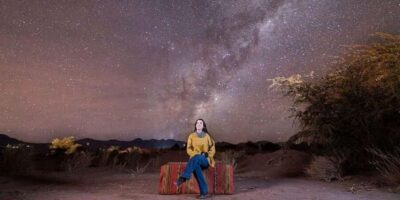
This is one of the big reasons San Pedro de Atacama is famous: the skies are typically bright and clear, and the light pollution is low. If you dress for the cold and follow the guide’s pace, you’ll get a calmer, more focused stargazing experience than the usual walk-and-look vibe.
It’s also worth thinking about value. At $72 for a 3-hour experience with transport, snacks, telescope time, and a photo, it can be a good deal—if the schedule lines up smoothly and the weather behaves. If you’re the kind of traveler who hates last-minute changes, you’ll want to plan a little buffer time.
In This Review
- Key Things to Know Before You Go
- Why San Pedro de Atacama Is Built for Stargazing
- The Caracoles Pickup and Van Ride Out to Darker Skies
- Your 3-Hour Stargazing Flow: What the Night Feels Like
- Telescopes, Targets, and What You Can Expect to See
- The Cold Reality: What to Pack for Atacama Nights
- Price and Value: What $72 Gets You (and What Can Go Wrong)
- Language, Group Style, and Comfort Level
- Who Should Book This Tour (and Who Should Skip It)
- Should You Book This Astronomical Tour?
- FAQ
- How long is the astronomical tour?
- Where do I meet, and where does the tour start?
- Is the tour guided in English and Spanish?
- What is included in the price?
- What should I bring for the night sky tour?
- What happens if the weather is bad?
Key Things to Know Before You Go
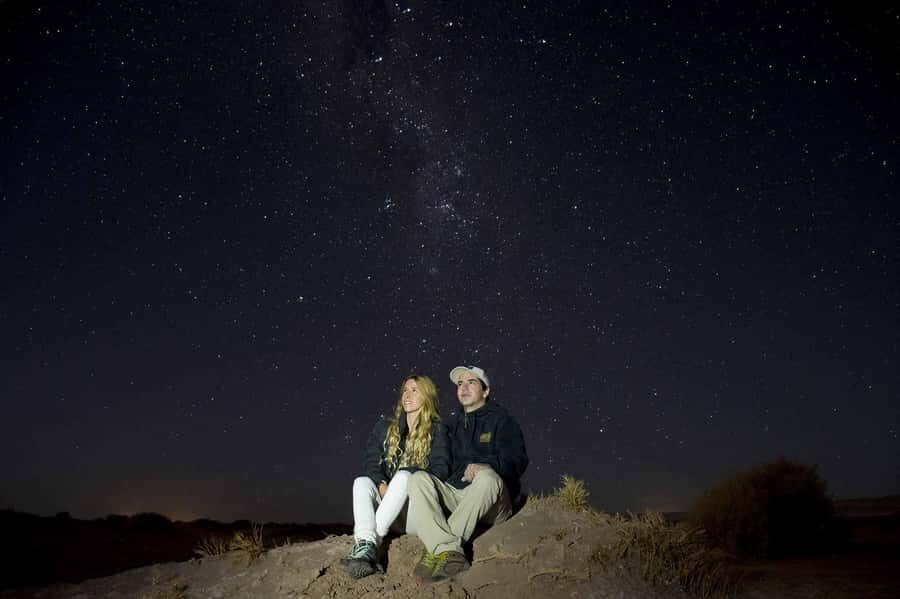
- Atacama skies matter: Low light pollution is the whole point, so cloud cover really changes everything.
- Telescopes are the star: You get guided observing through modern equipment rather than just standing in the dark.
- Short, practical snack break: Snacks and beverages are included, but you won’t be expected to eat on the move in the vehicle.
- Bring serious warmth: Warm clothing is essential because nights in the desert get cold quickly.
- Timing can shift: Some schedules start later or feel shorter than you might expect—double-check your departure time.
- Not for everyone: The tour isn’t suitable for people with altitude sickness or for those over 95 years old.
Why San Pedro de Atacama Is Built for Stargazing
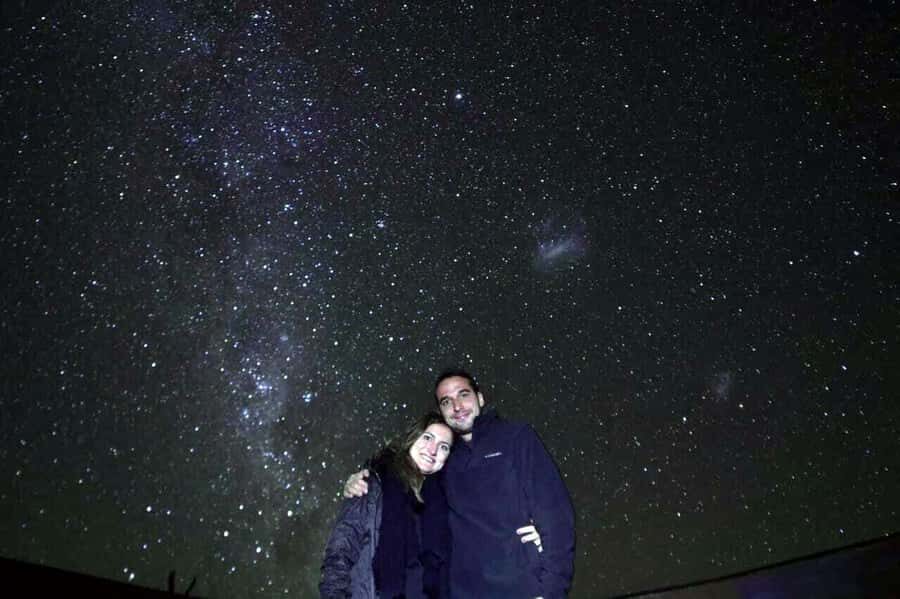
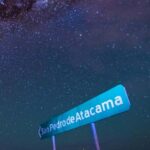
San Pedro de Atacama sits in one of the best observing regions on Earth because the air is often clear and the area has low light pollution. That combination is what turns an ordinary night into a sky show you can actually study.
This tour is designed around that advantage. The guide’s job isn’t just to point at constellations; it’s to help you see specific celestial targets through telescopes. When the sky cooperates, it’s the kind of experience where planets and bright deep-sky objects stop feeling abstract and start looking real.
Just remember: in the desert, weather is not a minor detail. If clouds roll in, the tour may be rescheduled or cancelled, and communication may happen close to departure time. Plan for that, especially if you’re on a tight itinerary.
You can also read our reviews of more tours and experiences in San Pedro De Atacama.
The Caracoles Pickup and Van Ride Out to Darker Skies
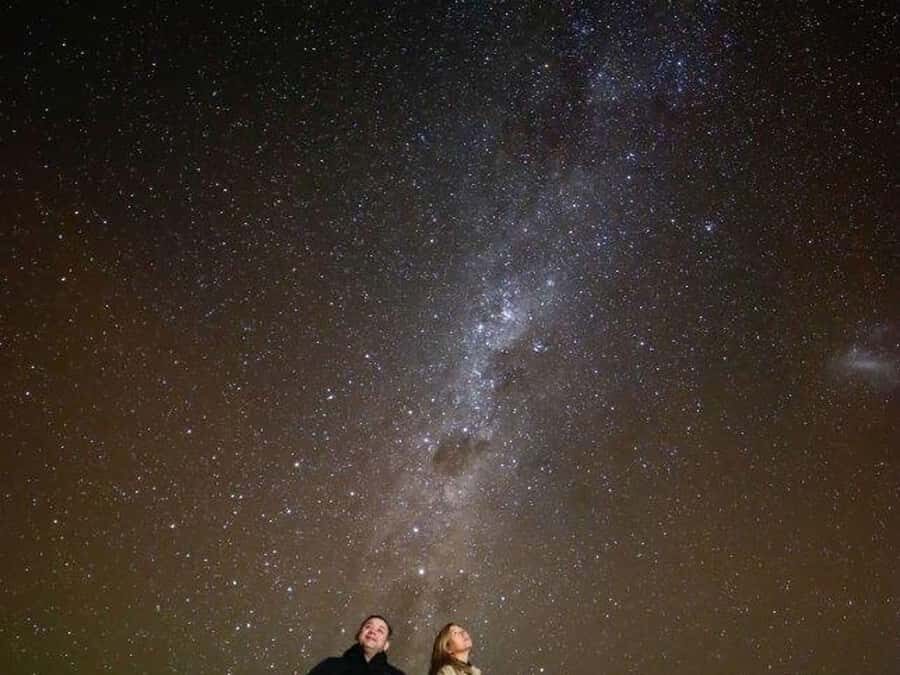
You meet at an agency, starting from Caracoles, then you go by van. The transfer is listed as about 25 minutes.
That drive matters more than you might think. Stargazing works best when you’re farther from town lights. Even a short ride can take you from a sky that’s merely pretty to one that’s truly dark, which makes stars “pop” and makes telescope viewing more satisfying.
One thing to watch: the exact pickup details can be a little messy on some nights. A few travelers noted the meeting point being unclear or the pickup time shifting later than the original plan. My advice: arrive early, confirm the pickup instructions the day before (and again the day of, if possible), and be ready for small delays.
Your 3-Hour Stargazing Flow: What the Night Feels Like
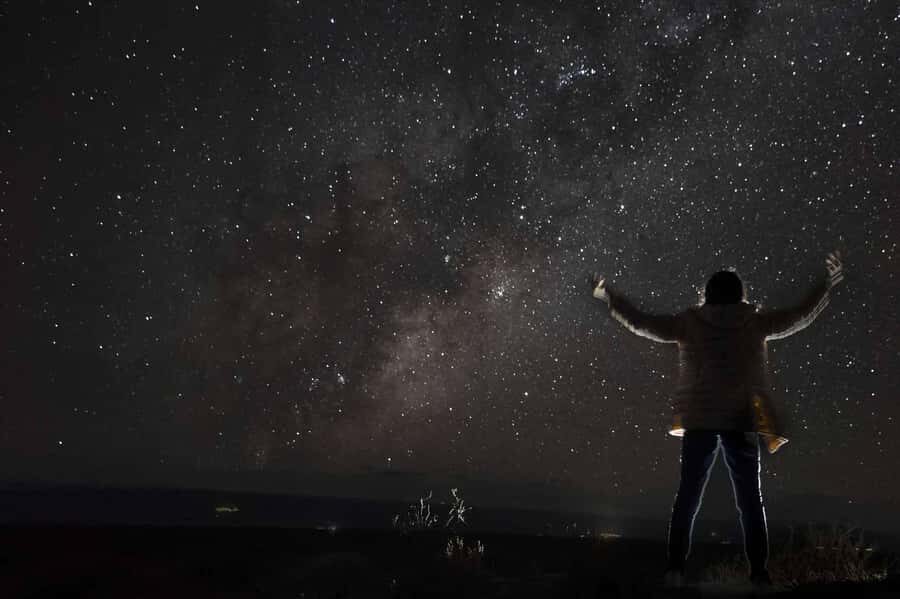
The guided portion is listed as 3 hours, and the whole outing is built like a guided astronomy lesson that happens at night. In practice, it usually moves through a predictable rhythm: arrive, get oriented, do an observation session, and then finish with telescope time and photos.
Here’s the practical way to think about the flow:
First, you’ll get oriented—snacks and beverages may happen early. Then you’ll move into the observing portion where the guide explains what you’re looking at and helps you connect names (stars, planets, nebulae, galaxies) to actual shapes and light patterns in the sky.
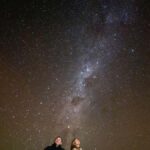
Some departures include a photo session with participants positioned in front of the night sky before telescope time. That can be fun, but don’t assume it’s a separate “extra-long” activity. It’s typically a brief moment in the overall schedule.
Then comes the main telescope work: the guide walks you through targets, and you get time to look through the instruments yourself. This is where the tour earns its value, because telescope viewing turns “seeing stars” into seeing structure—something the naked eye can’t do on its own.
Telescopes, Targets, and What You Can Expect to See
This tour’s promise is modern observing gear plus expert guidance. You’ll use powerful telescopes and additional observing equipment, and the guide will explain planets, stars, and deep-sky objects like nebulae and distant galaxies when conditions allow.
If you’re an amateur, this is a great way to learn quickly. You’re not just memorizing a map; you’re learning what the sky looks like when it’s magnified and filtered. If you already know a bit, you’ll still like the guided structure, because the guide can focus you on the best targets for the time of night and the sky conditions.
When the tour runs smoothly, telescope time feels like a series of small breakthroughs:
- You spot a target the guide names.
- You compare what you see through the eyepiece with what you can barely pick out with your eyes.
- You understand what you’re looking at, not just that you looked.
When conditions are less ideal, the targets you can observe may be limited. That’s why weather matters so much in San Pedro. On a clear night, this kind of tour can feel like a mini-planetarium you’re actually inside of.
The Cold Reality: What to Pack for Atacama Nights
Atacama nights can turn from comfortable to chilly fast. The tour specifically warns you that you’ll need warm clothing due to cold temperatures after dark.
Bring:
- Comfortable shoes (you may be standing and walking a bit)
- Warm layers that you’ll actually wear (not just bring)
- Comfortable clothes that can get dirty
- A change of clothes (useful if you’re out in dust or sweat earlier)
- A disability card if applicable (this is listed for travelers who might need documentation)
Also follow the rules:
- No alcohol or drugs
- No explosive substances
- No alcoholic drinks in the vehicle
- No food and drinks in the vehicle
If you hate cold, treat this as your big priority. Telescope viewing makes you stay still for longer than you’d expect, and standing still in desert night air is what gets people.
And one more health note: this tour isn’t suitable for people with altitude sickness, and altitude plus cold can affect some travelers. If you’re sensitive to altitude, be honest with yourself before booking.
Price and Value: What $72 Gets You (and What Can Go Wrong)
At $72 per person for a 3-hour astronomy experience, you’re paying for more than just a guide. Included items are:
- Expert astronomy tour guide
- Transportation to the observation site
- Snacks and beverages
- Information material
- A photograph of the experience
- Additional observing equipment
- Separate entrance for skipping the line (as described)
In a well-run night with good skies, that’s solid value. You get transport, telescope time, and instruction, and you leave with a photo and printed info. For many visitors, it saves money and hassle compared with trying to set up your own observing gear.
But you should also be aware of practical risk factors:
- Weather may force a cancellation or reschedule.
- Pickup timing and starting times may shift later than advertised.
- The evening may feel shorter than the description if there are delays or if they reduce the telescope portion.
I’d also mention that some travelers felt similar tours can cost less elsewhere (often cited around 20–25€). That doesn’t automatically make this one overpriced, but it does mean you should compare carefully and not assume every astronomy tour in the Atacama includes the same level of equipment time or service rhythm.
Language, Group Style, and Comfort Level
The tour includes a live guide in Spanish and English. That matters because astronomy works best when you can follow the explanations in real time and ask questions.
It’s also described as suitable for different levels—from complete beginners to people with more advanced astronomy interest. That’s believable in this setting because the guide can scale explanations up or down depending on what people ask and what the group seems to need.
On top of that, accessibility is listed as limited. If you have reduced mobility, you’ll want to check ahead, since night tours often involve uneven ground or long periods standing.
Who Should Book This Tour (and Who Should Skip It)
This experience makes the most sense if you:
- Want structured telescope viewing with explanations
- Prefer a guided activity over wandering the dark on your own
- Are comfortable dressing warmly and standing in cold air
- Can handle possible weather changes without ruining your trip
You should skip or strongly reconsider if you:
- Have altitude sickness issues
- Are over 95 years old (the tour lists it as not suitable)
- Know you struggle with cold nights in the desert
- Need guaranteed accessible terrain and step-free conditions (accessibility may be limited)
Also, if you’re the type who hates uncertainty—especially last-minute weather communication—build in time flexibility.
Should You Book This Astronomical Tour?
I’d book it if you want a real, guided stargazing session and you’re ready for desert conditions: cold layers, dark skies, and the chance of weather disruption. When everything lines up, this kind of telescope-led night is exactly what you came to the Atacama for.
I would hesitate if your schedule is rigid or if you can’t handle the possibility of delays, a later start, or a shorter night than expected. In that case, you might still enjoy astronomy in the region, but I’d choose a provider that clearly confirms timing and manages expectations better.
If you do book, do two simple things:
- Confirm the exact pickup/start time with the agency close to departure.
- Pack warmth like you’re going on a winter hike, not a casual evening stroll.
FAQ
How long is the astronomical tour?
The tour duration is listed as 3 hours.
Where do I meet, and where does the tour start?
The meeting point is at an agency, and the starting location is Caracoles.
Is the tour guided in English and Spanish?
Yes. The live tour guide is available in Spanish and English.
What is included in the price?
Inclusions listed are the expert astronomy guide, transportation to the observation site, snacks and beverages, information material, a photograph of the experience, and additional observing equipment.
What should I bring for the night sky tour?
Wear comfortable shoes and bring warm clothing. The tour also recommends a change of clothes and comfortable clothes that can get dirty.
What happens if the weather is bad?
The activity depends on weather conditions. If the weather is bad, the tour may be rescheduled or cancelled.