REVIEW · SAN PEDRO DE ATACAMA
Valle de la Luna (Moon Valley) from San Pedro de Atacama
Book on GetYourGuide →Operated by Ruta Chile · Bookable on GetYourGuide
Moon Valley looks fake until the sun drops. I love the moon-like salt formations and the Gran Duna sunset panorama. One heads-up: this is moderate walking on uneven desert ground, so wear proper shoes and plan your pace.
This is a classic San Pedro outing for a reason. You get pickup, a local guide, and snacks, plus time at the most photogenic stops in Valle de la Luna (about 10 km from town). The tour runs about 5 hours, in a small group of up to 14, usually with Spanish and English spoken throughout.
One more practical note: the Los Flamencos National Reserve entrance ticket is not included. Bring your ID, pack sunscreen and a hat, and you’ll be set for a long, dry afternoon in one of northern Chile’s most surreal places.
In This Review
- Key Things That Make Valle de la Luna Worth It
- Entering Valle de la Luna From San Pedro de Atacama
- Moon-like Formations: The Part You Can’t Unsee
- Tres Marias: Salt Sculptures With Big Photo Energy
- Salt Caves: Walking, Timing, and What to Expect
- Gran Duna Sunset Climb: The Best Reward for the Effort
- Price and Value: What $47 Buys You in the Desert
- Guide and Driver: Why It Feels Smooth (When It’s Done Right)
- Timing, Duration, and How to Plan Your Afternoon
- Who This Tour Suits Best (and Who Should Skip It)
- What to Pack for Valle de la Luna (Based on What Actually Helps)
- One More Note on Crowd Control and Photo Stops
- Should You Book Valle de la Luna?
- FAQ
- How long is the Valle de la Luna tour from San Pedro de Atacama?
- How far is Valle de la Luna from San Pedro de Atacama?
- Is pickup from my hotel included?
- What is included in the tour price?
- Do I need to buy the Los Flamencos National Reserve entrance ticket?
- What languages are the guides?
- How big is the group?
- Is the tour good for families and kids?
- What should I bring to the tour?
- Is free cancellation available?
Key Things That Make Valle de la Luna Worth It
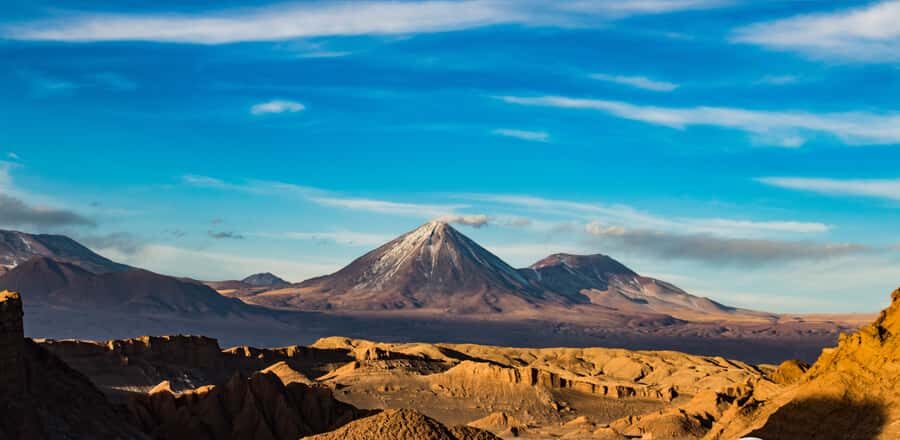
- Salt-and-color formations that look otherworldly as light shifts across the valley
- Tres Marias salt sculptures made for photos and quick picture breaks
- Salt caves that add texture and variety beyond just standing and looking
- Gran Duna (Great Dune) climb for big sky views at sunset
- Small-group size (max 14) that helps you move around the busy spots
Entering Valle de la Luna From San Pedro de Atacama
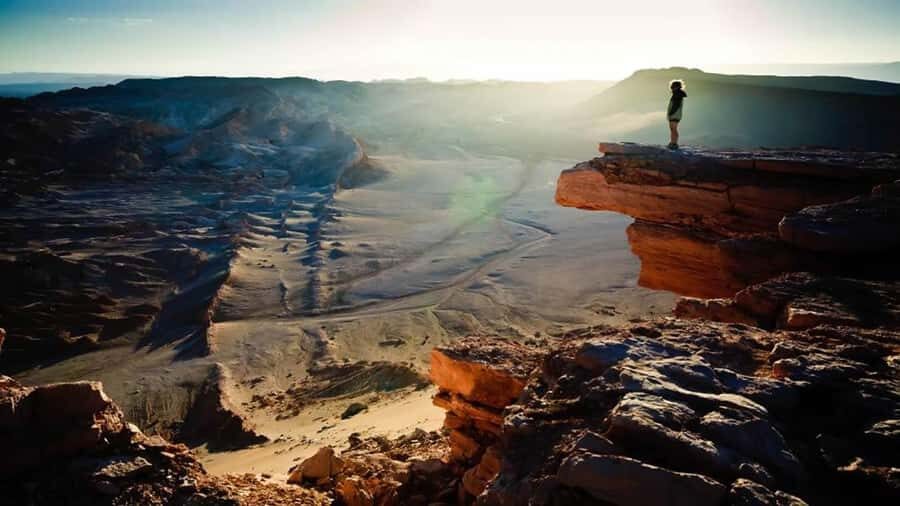
San Pedro de Atacama is a base camp for desert sights, but Valle de la Luna is the one that feels like a sci-fi set built from real geology. The tour starts with pickup right in town, and it’s about a 10 km drive to the Moon Valley area.
This part matters because the valley is popular. Being in an organized group with a local guide helps you get to the main points without wasting time. And the closer you keep the stops connected (instead of random solo wandering), the more the afternoon stays fun and photo-friendly.
The setting is tied to the larger Los Flamencos National Reserve area, within the Salt Mountain range. That means you’re not just visiting a pretty viewpoint. You’re walking through a protected natural sanctuary with the kinds of fragile formations that make responsible, guided movement a good idea.
You can also read our reviews of more tours and experiences in San Pedro De Atacama.

Moon-like Formations: The Part You Can’t Unsee
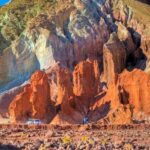
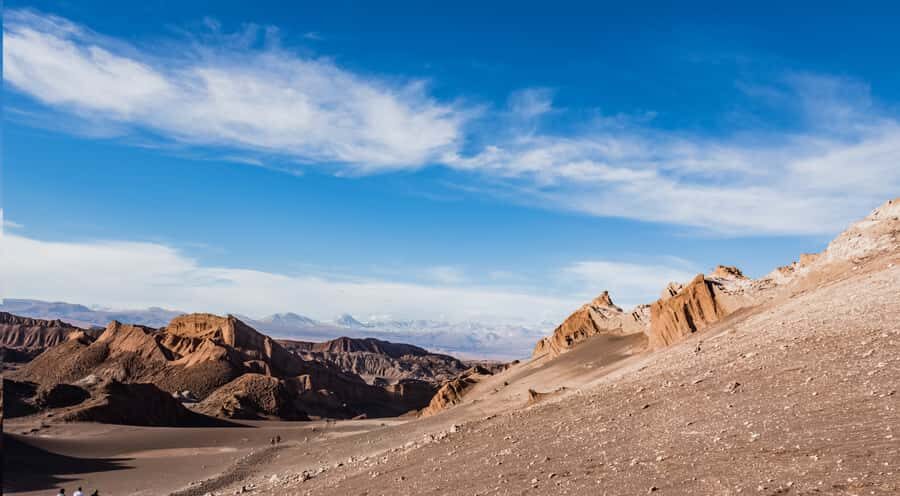
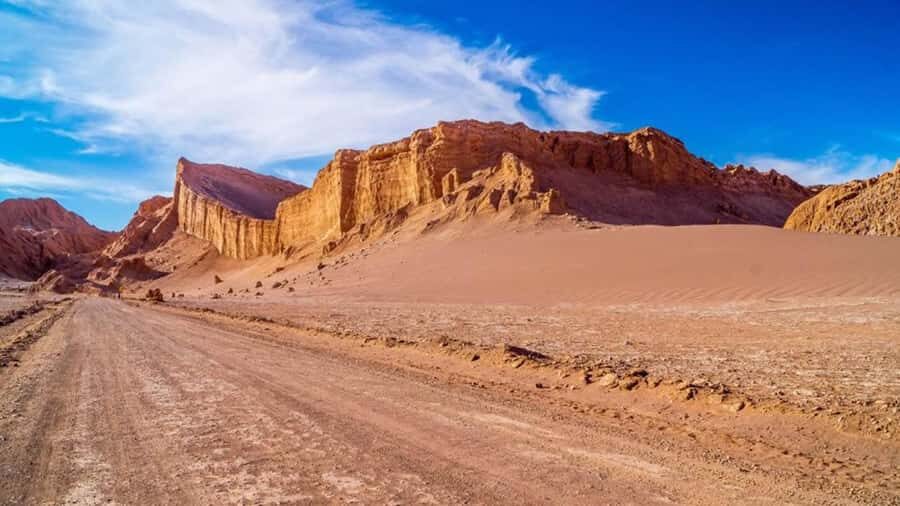
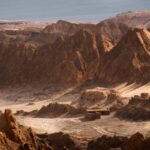
Valle de la Luna is famous for its colorful, carved-looking terrain—formations that create a geological spectacle that really does resemble the surface of the moon. In the desert, the light is everything. So even if you’ve seen photos online, the real payoff comes when the sun angle starts changing and the valley turns from flat-looking to three-dimensional.
I love that the guide doesn’t treat this as a drive-by stop. You get time at the key areas where you can actually take in the shapes: ridges, carved channels, and layers of color that show up best when the sky is clearing.
A practical detail: expect to spend time outdoors with direct sun. Sunglasses and sunscreen are not optional here. If you think you can tough it out with just a quick spray, the desert will call your bluff.
Tres Marias: Salt Sculptures With Big Photo Energy
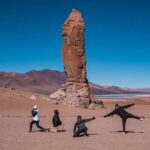
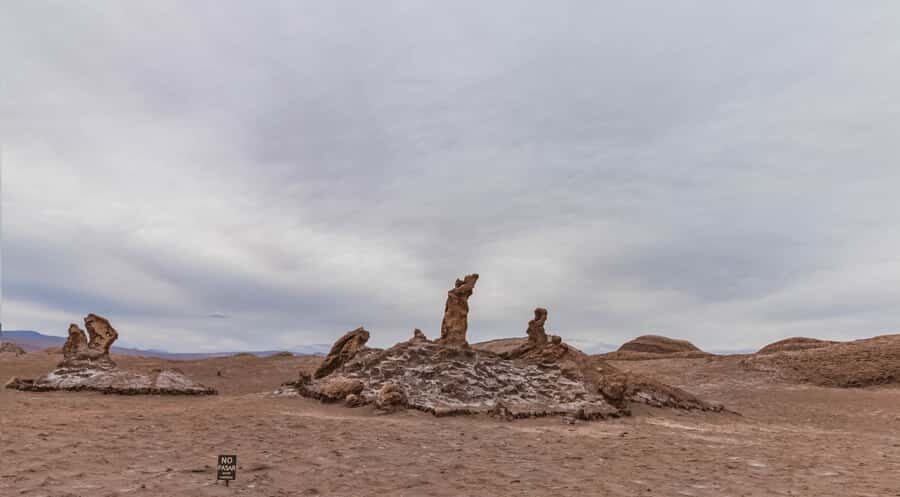
One of the valley’s signature stops is Tres Marias—salt statues that look like natural sculpture standing watch. This is the kind of moment where you can do a quick loop for angles and then slow down to notice how the shapes connect to the surrounding formations.
What makes it satisfying is the contrast. You’ll bounce between wider views (the valley as a whole) and this tighter, more specific subject (the statues). It breaks up the tour nicely so it doesn’t become nonstop “look at the desert” without a visual anchor.
In one of the tour experiences, the guide and driver were also very willing to help people get pictures—adjusting where you stand so you don’t fight the crowd at every single stop. If you’re traveling with a camera or just want clean shots, that kind of attention makes a real difference.
Salt Caves: Walking, Timing, and What to Expect
After the open formations and statue views, the tour moves into something with a different feel: the salt cave stop. This is where the valley starts to feel like a place you explore rather than just admire.
Expect uneven ground and a moderate amount of walking. That’s why hiking shoes help. Flip-flops or soft sneakers can turn a short hike into an annoying shuffle. A pullover is also smart since desert temperatures can swing as the afternoon cools toward sunset.
Also, remember that this is a guided visit. You’re going to be following the flow of the group in a protected area. The benefit is you’re more likely to hit the right spots and get time without feeling rushed. The tradeoff is you’re not roaming freely like you would solo. For most people, that’s a fair exchange for not getting lost and for getting the best timing with the group.
Gran Duna Sunset Climb: The Best Reward for the Effort
The final big moment is the Gran Duna, also called the Great Dune. This is a climb—short, but noticeable—designed to reward you with a sweeping panorama as the sun sets and the sky shifts colors.
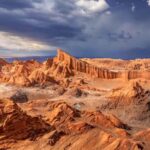
Here’s why this stop is so popular: desert sunsets don’t just look pretty. They change the entire surface texture. The same salt formations that seemed dull in harsh light suddenly show contrast and depth.
To make this part easier, start with shoes that grip well. Then pace yourself. The climb isn’t a technical hike, but it is on sand and sloped ground, so steady steps beat sprinting.
A nice bonus at sunset: you’ll have snacks, and in some tour experiences the sunset snack stop included a pisco sour alongside the treats. Even if the exact drink part varies by group and moment, the overall idea stays the same—snacks and time to enjoy the view instead of a rushed photo and go.
If you’re sensitive to timing changes, keep in mind that some departures can run a bit later than what you initially see. It’s not a reason to skip the tour—just plan the rest of your day with a cushion.
Price and Value: What $47 Buys You in the Desert
At about $47 per person for a roughly 5-hour outing, this tour sits in the “worth it if you want the structure” category. You’re paying for the guide expertise, the small-group format (max 14), and the included pickup plus snacks.
What you don’t get in that price is the Los Flamencos National Reserve entrance ticket. So your real total depends on what you need to pay onsite. The tour data also says food or drink isn’t included, though snacks are included and the sunset stop can come with an extra drink in some cases.
My takeaway on value: you’re paying for convenience and good timing more than luxury. If you like guided photo stops, a clear route between signature points, and someone handling the logistics while you focus on the views, this is a good fit. If you prefer to wander independently, you might feel like you’re paying to follow a set path.
Guide and Driver: Why It Feels Smooth (When It’s Done Right)
A big reason people rate this tour so highly is the human side: friendly, engaging guiding and smooth driving. In one of the experiences, a guide named Andres was singled out for being entertaining and informative, switching confidently between English and Spanish.
That language flexibility is practical in real life. You don’t want a long desert walk where you miss half the story because your group language didn’t line up. When the guide keeps both languages moving, questions make sense for everyone, not just part of the group.
Another common win: people were not rushed. The guide and driver also worked on picture timing, sometimes adjusting where you stop to find a quieter spot when certain points were busy. In a crowded destination, that adaptability can make the difference between constant jostling and calm, “okay, now get the shot” moments.
Timing, Duration, and How to Plan Your Afternoon
The tour runs about 5 hours. Starting times vary based on availability, but it’s clearly set up as an afternoon-focused outing, built around the sunset moment at Gran Duna.
So plan around it like this: don’t schedule something tight right after. Sunset timing matters, and desert plans can shift slightly. If your next commitment is strict, give yourself buffer time back in San Pedro.
Also, bring your energy. Even though it’s not a long-day trek, you’ll be outdoors for hours with sun exposure and some walking. Water helps, and you’ll appreciate having it even if snacks are included.
Who This Tour Suits Best (and Who Should Skip It)
Valle de la Luna is for people who can handle moderate walking and uneven terrain. The tour is not recommended for pregnant women, people with back problems, and people with hypertension. It’s also not suitable for children under 7 (and there’s another note saying children under 8), and adults over 70 also aren’t recommended.
It’s also not for people with mobility impairments, wheelchair users, or people with heart problems. If any of those apply, it’s worth choosing a different type of tour where you can minimize walking and avoid climbs.
For everyone else, this is a great “first big day” outing from San Pedro because it hits multiple iconic points—formations, statues, caves, and a sunset dune. It’s also a strong choice if you want one organized day instead of piecing together several stops yourself.
What to Pack for Valle de la Luna (Based on What Actually Helps)
You’re in a desert environment, so pack for sun and for walking comfort. Bring:
- Passport or ID card
- Sunglasses and a sun hat
- Camera
- Hiking shoes (or grippy walking shoes)
- Sunscreen
- Comfortable clothes
- Cash
You might also want:
- A bottle of water (recommended)
- A pullover for the cooler air as the afternoon moves toward sunset
Not allowed:
- Pets
- Smoking
- Luggage or large bags
This last part matters if you’re traveling with extra gear. Try to keep your load small so you’re not wrestling bags on the walkways and in crowded picture moments.
One More Note on Crowd Control and Photo Stops
Valle de la Luna is popular. Some stops can get busy, especially around peak light and sunset. The good news is the tour format typically helps with managing that—guides and drivers can adjust to find quieter spots for pictures.
If you’re a serious photographer, plan to move with the group and be ready to shift positions quickly when the timing is right. The best shots often happen in the moment you’re standing, not the moment you’re thinking about standing.
Should You Book Valle de la Luna?
I’d book this tour if you want an organized path through San Pedro’s most famous desert site, with the sunset payoff built in. It’s great value for a 5-hour outing because pickup, a guide, and snacks are handled, and the itinerary hits the valley’s top “must-see” elements: salt formations, Tres Marias, salt caves, and the Gran Duna climb.
I’d skip it (or choose a different option) if walking and climbs are an issue for you. The tour isn’t set up for mobility limitations, and it’s not recommended for pregnant travelers or people with the listed health considerations.
If you’re healthy enough for desert walking, bring sturdy shoes, sun protection, and a bit of patience for a busy hotspot. Then get ready for a rare sight: a place that really looks like another planet right after you’ve earned the viewpoint.
FAQ
How long is the Valle de la Luna tour from San Pedro de Atacama?
The duration is about 5 hours.
How far is Valle de la Luna from San Pedro de Atacama?
Valle de la Luna is around 10 kilometers away from San Pedro de Atacama.
Is pickup from my hotel included?
Yes, pickup is included from centrally located hotels in San Pedro de Atacama. If your accommodation is outside the pickup area, you’ll be given a meeting point.
What is included in the tour price?
The tour includes pickup, a local expert guide, and snacks.
Do I need to buy the Los Flamencos National Reserve entrance ticket?
Yes. The entrance ticket to Los Flamencos National Reserve is not included.
What languages are the guides?
Guides provide live interpretation in Spanish and English.
How big is the group?
The group is limited to 14 participants.
Is the tour good for families and kids?
It’s not recommended for children under 7 (and another note says under 8). It also isn’t suitable for young children, based on the tour guidance.
What should I bring to the tour?
Bring your passport or ID card, sunglasses, sun hat, camera, hiking shoes, sunscreen, comfortable clothes, and cash. A bottle of water is recommended.
Is free cancellation available?
Yes. You can cancel up to 24 hours in advance for a full refund.