REVIEW · SAN PEDRO DE ATACAMA
Small-Group Tour to Moon Valley from San Pedro de Atacama
Book on Viator →Operated by Say Hueque Travel · Bookable on Viator
Moon Valley feels like a different planet. What I love is the small-group pace and the chance to catch that desert sunset over Piedra del Coyote, with guides who explain the salt-and-clay geology clearly (I’ve seen names like Alex, Ernesto, Javier, Philippe, and Dani attached to this tour). The one catch: the Valle de la Luna reserve entrance fee is not included in the $65 price.
You’ll ride in an air-conditioned vehicle and spend about 4 to 5 hours in the afternoon, moving between short walks and viewpoints. Just be ready for the altitude jump to 2,550 masl and the fact that you do step onto the Great Dune with some slope. Bring the right layers and shoes, or the desert will happily take the comfort back in exchange for photos.
In This Review
- Key highlights to know before you go
- Why the Moon Valley actually looks lunar
- Getting from San Pedro: timing, group size, and the vehicle you’ll appreciate
- Stop-by-stop: what you’ll see in Valle de la Luna
- Start near San Pedro: the desert lesson begins
- Salt Mountain Range and the Amphitheatre: the big “wow” structure
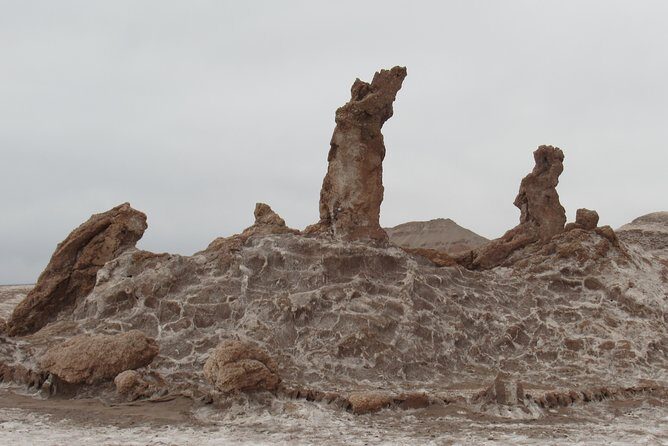
- Las Tres Marías: salt and mud guardians
- Duna Mayor: where your legs feel it (a little)
- Piedra del Coyote and Mirador de Kari: dusk colors and a canyon view
- What the walking is like (and how to prep your body)
- Price and value: what $65 really covers
- Who this tour fits best
- Should you book Moon Valley from San Pedro de Atacama?
- FAQ
- How long is the Moon Valley tour?
- What is the group size?
- Is the Valle de la Luna entrance fee included in the $65 price?
- Do I get hotel pickup and drop-off?
- What should I bring for the walk and sunset?
- Do I need to worry about altitude?
- Is the tour allowed for pregnant travelers?
- Do I need to share passport details when booking?
- What happens if weather is poor?
Key highlights to know before you go
- Maximum 15 people keeps the day from feeling like a cattle prod
- Valle de la Luna in Flamencos National Reserve for the classic lunar-looking rock-and-salt scenes
- Salt Mountain Range + Amphitheatre views built by nature, not architecture
- Great Dune (Duna Mayor) gives you a real sense of scale toward the Andes and surrounding ranges
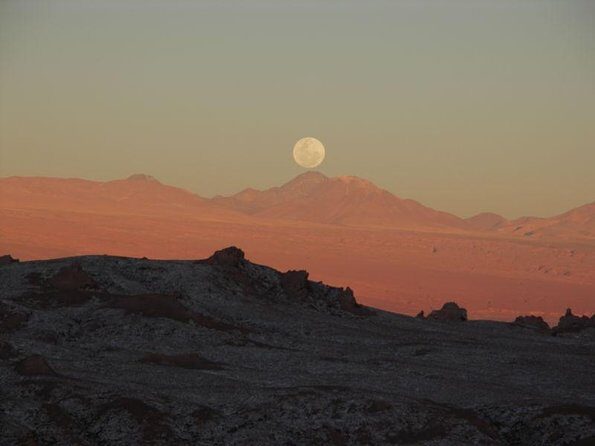
- Mirador de Kari at Piedra del Coyote for a dramatic dusk color shift at 2,550 masl
Why the Moon Valley actually looks lunar
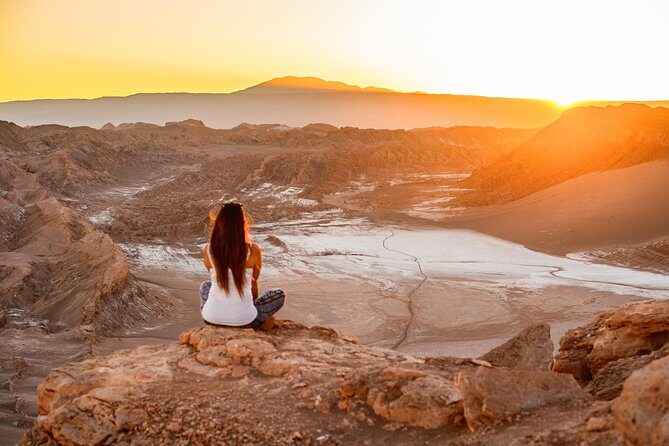
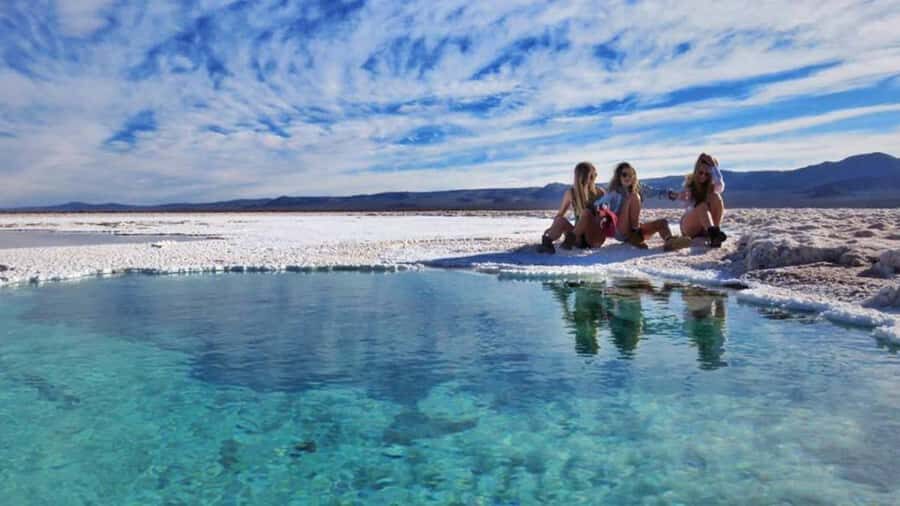
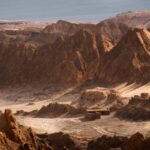
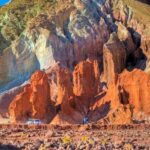
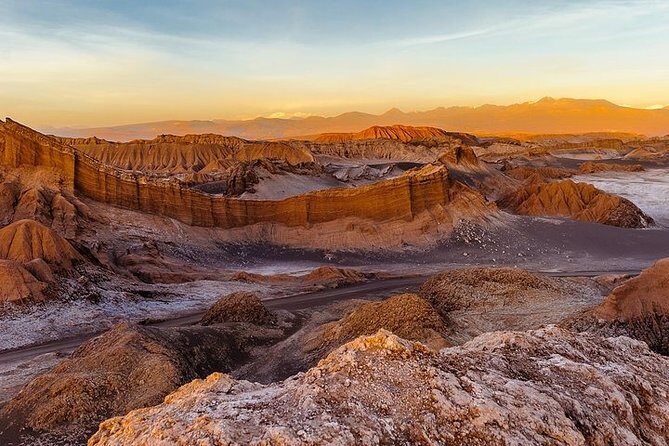
San Pedro de Atacama is already otherworldly, but Valle de la Luna takes it one step further. This is one of the driest, most hostile zones on Earth, and the scenery comes from a mix of clay and salt sculpted over time. When your guide ties the shapes you see (ridges, basins, carved-looking walls) to how the desert chemistry and wind work, the whole place stops being just pretty and starts making sense.
What I particularly like about this tour is that you’re not just dropped at one overlook. You move through several “chapters” of the reserve, so the geology keeps changing. At one stop you’re close enough to notice textures in the salt and mud; at the next, you’re looking out across long distance views toward mountain lines. That rhythm matters because the Atacama can be visually overwhelming. A good guide helps you focus on what you’re looking at in the moment.
And yes, you’ll likely feel like you’re walking on a movie set. The Amphitheatre-like formation and the salt ridges really do have that raised-stage vibe—minus the actors, plus a sky so crisp it feels sharpened.
You can also read our reviews of more tours and experiences in San Pedro de Atacama.
Getting from San Pedro: timing, group size, and the vehicle you’ll appreciate
This is built as a small-group half-day. Your group size tops out at 15, which usually means faster communication at stops and more chance to ask questions without waiting your turn at the front like it’s a theme park ride.
The tour runs in the afternoon for roughly 4 to 5 hours. Schedules are estimated, and sometimes the order of stops shifts for operational reasons—so don’t plan a tight dinner reservation for the exact minute the tour ends. Aim for something flexible.
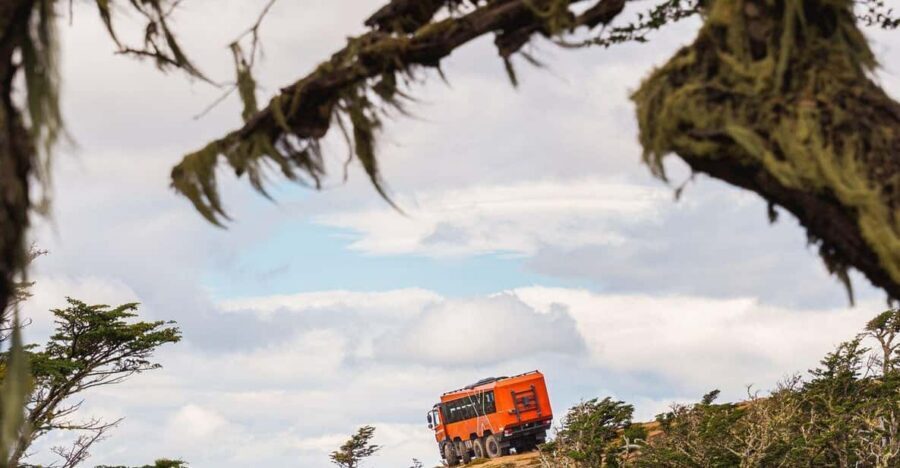
You also get an air-conditioned vehicle. In Atacama, that sounds like a small detail until you’ve spent time under the desert sun and your body is done negotiating with warm air. The vehicle doesn’t magically make the desert comfortable, but it does help keep the day pleasant between viewpoints and short walks.
A practical note: you’ll reach about 2,550 masl during the experience. Most people can join, but some may feel altitude effects. If you’re prone to headaches or get winded easily, take it easy on your first steps on the Duna Mayor and sip water often.
Stop-by-stop: what you’ll see in Valle de la Luna
Start near San Pedro: the desert lesson begins
You’ll begin from San Pedro de Atacama in the afternoon and head into the Atacama Desert environment. One early feel-good point: the tour starts with context, so when you arrive at the salt-and-clay formations inside the reserve, you’re not staring at shapes you can’t name.
Expect a quick orientation while you’re entering the broader area of the Valley of the Moon. The main goal here is to help you understand what you’re about to see: geology made by clay and salt working together in an extreme climate.
Salt Mountain Range and the Amphitheatre: the big “wow” structure
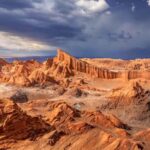
Inside the reserve, you’ll visit the geological phenomenon known as the Salt Mountain Range. This is one of the moments where the tour earns its reputation. The views change as you walk and reposition, and the formations feel sculpted—more like a natural set than a random pile of rocks.
Then comes the Amphitheatre, a natural structure that evokes Roman civilization. It’s over 40 meters high and visible from far away. Even if you’re not a history person, it helps to realize why the formation looks the way it does: salt and rock behavior plus wind and erosion create crisp edges and dramatic drops. It’s the kind of structure that photographs well, but it’s even better when you take ten seconds to look up and scan the whole wall.
This portion includes multiple spots for admiring the terrain. Plan for walking on uneven ground and for dust to cling to clothing if the wind picks up.
Las Tres Marías: salt and mud guardians
Next you’ll head toward Las Tres Marías, where salt and mud forms show up like figures. The tour frames them as the female guardians of the cosmic landscape, which sounds poetic—but the more important part is that this is another change of scale and texture.
This stop tends to be shorter, but it’s memorable because you can’t always get close to formations like this elsewhere. Look closely for the way the shapes are layered, with tones that shift depending on light angle. It’s one of those places where your phone camera might exaggerate contrast. Don’t fight it—use it, then rely on your eyes for the real story.
Duna Mayor: where your legs feel it (a little)
After the salt formations, you’ll walk on Duna Mayor, the Great Dune. The hike is described as easy difficulty, but there is some slope. That’s why closed or trekking shoes matter. Flip-flops and slick soles make sand feel like it’s running a personal grudge.
What makes this stop valuable is the payoff: from the dune you can see the Andes, the Domeyko mountain range, and the Salt mountain range. This is the moment when the desert stops being a set of close-up textures and becomes a giant system stretching into the distance.
Take your time. At Atacama altitude, effort turns into breath quickly. Go slow, follow the group pace, and you’ll enjoy the view instead of racing the dune.
Piedra del Coyote and Mirador de Kari: dusk colors and a canyon view
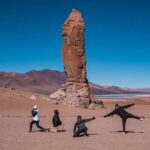
On the way back to San Pedro, you’ll stop at Kari viewpoint, also known as Piedra del Coyote, for dusk. This is the classic postcard location people come for. At around 2,550 masl, the viewpoint gives panoramic sightlines over the salt mountain area and a canyon carved by water, wind, and temperature changes over time.
This is also the stop with the most “expectation management” in the desert. If you’re hoping for dramatic clouds turning the sky into a painting, that may not happen. On clear days, the sunset can feel more about color shifts and light intensity than a full sky show. Either way, it’s a great finale because it pulls the day into one wide scene: dunes, ridges, and distant mountains under shifting light.
Plan to stand where your guide suggests and let your eyes adjust to the changing brightness. If you’re tempted to speed through photos, pause anyway. The best photos come from waiting for your eyes to catch up.
What the walking is like (and how to prep your body)
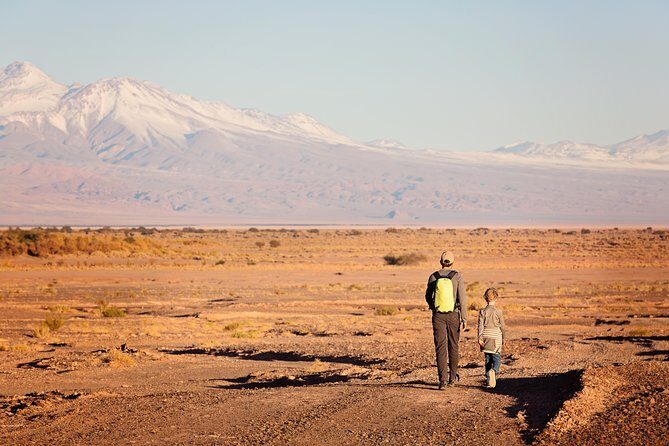
This tour is labeled easy difficulty, but you should still treat it like a real desert outing. The main “physical” moment is the Great Dune slope. If you’ve walked in sand before, you already know the rule: your legs work harder than your mind expects.
Here’s how to prepare without overthinking it:
- Wear closed or trekking shoes
- Bring a jacket (even in daylight, evenings and wind can cool fast)
- Pack sunscreen, sunglasses, and a hat
- Carry water
- Use layers you can adjust as you move between sun and shade
If you’re older or have mobility limits, you’ll still likely be okay on the short walks, but you may benefit from taking breaks when the group pauses. In one guide story attached to this tour, a guide even offered walking support like a pole for tricky bits—so don’t be shy about speaking up if you need a slower pace.
Finally, altitude. You’re not going to summit Everest, but you will climb to 2,550 masl. If you feel headachy, slow down immediately, drink water, and give yourself permission to take a breather before the dune.
Price and value: what $65 really covers
The headline price is $65 per person, which is solid for a small-group guided half day that includes an air-conditioned vehicle and bilingual driver-guide assistance.
But the real value equation depends on what’s extra. The Moon Valley reserve entrance fee (CLP 11,000 per person) is not included. So your true cost is the $65 plus that entry fee. For many people, that’s still a good deal because you’re paying for organized access, route guidance, and a structured way to see multiple highlights without doing logistics on the fly.
If you’re the type who likes to drive yourself and explore at your own speed, it can feel like you’re paying to be led rather than to be surprised. In that case, the key is to compare how much you value:
- having a guide explain what you’re seeing,
- not worrying about timing between stops and the sunset lookout,
- getting to the best spots without trial-and-error in a reserve.
Also, plan ahead for park access paperwork. This experience requires your passport name, number, and nationality at booking, and the park entry process is tied to those rules. It’s not hard, but it’s one more reason to handle the admin early rather than on the day.
So is it worth it? For most first-timers to San Pedro, yes—because the reserve is close enough to do in a half day, but detailed enough that going alone can mean missing the “why” behind the scenery. For repeat visitors or independent planners with their own transport, you might be happier doing it at your own pace—especially if you already know the formations.
Who this tour fits best
I think this works best if you want:
- a guided first visit to Valle de la Luna,
- an efficient afternoon with multiple viewpoints,
- short walks over long hikes,
- a sunset finale that feels like a wrap-up instead of a random stop.
It’s also a good choice if you’re traveling with mixed interests. One person might care about geology, another might care about the dune view toward the Andes, and the group gets both—without everyone splitting up.
I’d be more cautious if you:
- feel altitude quickly, because you do reach 2,550 masl,
- have health conditions that need medical clearance (the tour notes medical authorization for Hypertension, Edema, or Embolism),
- are pregnant, since this excursion is not allowed for pregnant travelers.
If you’re visiting with kids, the minimum age is 7 years old, and the walking is described as easy, so it can be manageable with the right shoe-and-layer setup.
Should you book Moon Valley from San Pedro de Atacama?
Book it if you want a well-paced half-day that turns Valle de la Luna from pretty desert into understandable geology, with a small group and a classic dusk viewpoint. It’s especially worth it if you’d rather spend your energy on the views than on figuring out where to go inside the reserve.
Skip or reconsider if you prefer total freedom, if you’re very sensitive to altitude, or if you’re the type who hates paying reserve fees on top of a tour price. In that case, you can still enjoy Moon Valley—but you’ll want to be organized about park access and your own timing.
If you do book, my biggest practical tip is simple: treat this like a desert walk, not a casual stroll. Closed shoes, a warm layer, water, and slow steps on the dune will make the day feel smooth instead of scratchy.
FAQ
How long is the Moon Valley tour?
The tour runs about 4 to 5 hours (estimated). Schedules are marked as estimated, and stops may be visited in a different order.
What is the group size?
This is a small-group experience with a maximum of 15 travelers.
Is the Valle de la Luna entrance fee included in the $65 price?
No. The reserve entrance fee is listed as CLP 11,000 per person and is not included.
Do I get hotel pickup and drop-off?
Hotel pickup and drop-off is not included on this tour (private tour is noted as different). The activity meets in San Pedro de Atacama and ends back at the meeting point.
What should I bring for the walk and sunset?
Bring closed or trekking shoes, a jacket, a hat, sunglasses, sunscreen, and water. Snacks are also fine to bring.
Do I need to worry about altitude?
You will reach around 2,550 masl, and some people may suffer from altitude sickness. If you’re sensitive, plan to take it slow and consider medical advice.
Is the tour allowed for pregnant travelers?
No. This excursion is not allowed for pregnant women.
Do I need to share passport details when booking?
Yes. The booking requires the passport name, number, and nationality for all participants.
What happens if weather is poor?
This experience requires good weather. If it’s canceled due to poor weather, you’ll be offered a different date or a full refund.