REVIEW · HANGA ROA
Easter Island: The Moai Trail Private Archeological Tour
Book on GetYourGuide →Operated by KAVA KAVA TOURS · Bookable on GetYourGuide
Moai feel bigger in person. This private Easter Island tour strings together the key ceremonial sites, the quarry, and the island’s dramatic coastal views in one efficient day. I like how the guide-led storytelling makes the stone feel less mysterious and more human, and I also like the way you walk among hundreds of moai instead of just snapping a few photos.
You start with pickup in Hanga Roa, so you’re not hunting for transport before the day’s even started. A possible drawback: the tour’s advertised price does not include entrance fees (listed as $80 per person), and the route isn’t set up for wheelchair users or people with mobility impairments.
The big promise here is scale plus context: you’ll stand at the island’s most imposing moai platform, see where the heads were carved, and end at the white sands of Anakena. If it’s your first time on Rapa Nui, this is a strong way to get oriented fast.
In This Review
- Key Highlights You’ll Actually Care About
- How This Private Moai Day Works (And Why It’s Worth Doing Once)
- Starting at Ahu Akahanga: The Ceremonial Center Vibe
- Rano Raraku Quarry: Where the Moai Story Turns into Stonework
- Tongariki: The Island’s Most Imposing Moai Platform
- Hare Paenga and Moai After Conflict: The Human Side of the Stones
- Te Pito Kura, Paro Moai, and the Legendary Navel Stone
- Anakena Beach: White Sand Meets the Island’s Arrival Story
- Ahu Nau Nau: Moai with Pukao and Petroglyphs
- Price and Logistics: What You’re Really Paying For
- Who This Tour Fits Best (And Who Should Skip It)
- The Guide Factor: What to Expect from the Storytelling
- Weather, Walking, and What to Bring
- Should You Book This Easter Island Moai Trail Private Tour?
- FAQ
- Where are you picked up for this tour?
- What’s the tour duration?
- Which moai platforms and sites are included?
- Is entrance to the sites included in the price?
- Do you get a private vehicle and guide?
- What languages are the guides?
- Is the tour suitable for wheelchair users or people with mobility impairments?
- Is this tour available for cruise ship passengers?
- What should I bring?
- What’s the cancellation policy?
Key Highlights You’ll Actually Care About
- Hotel pickup and drop-off in Hanga Roa makes the day feel stress-free
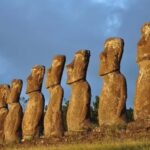
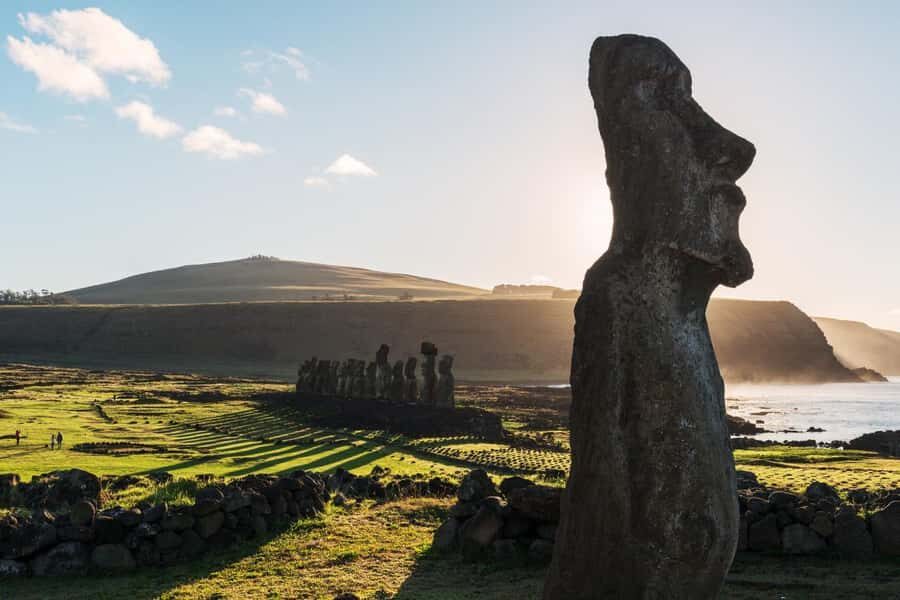
- Ahu Tongariki: see the island’s largest moai platform with 15 moai
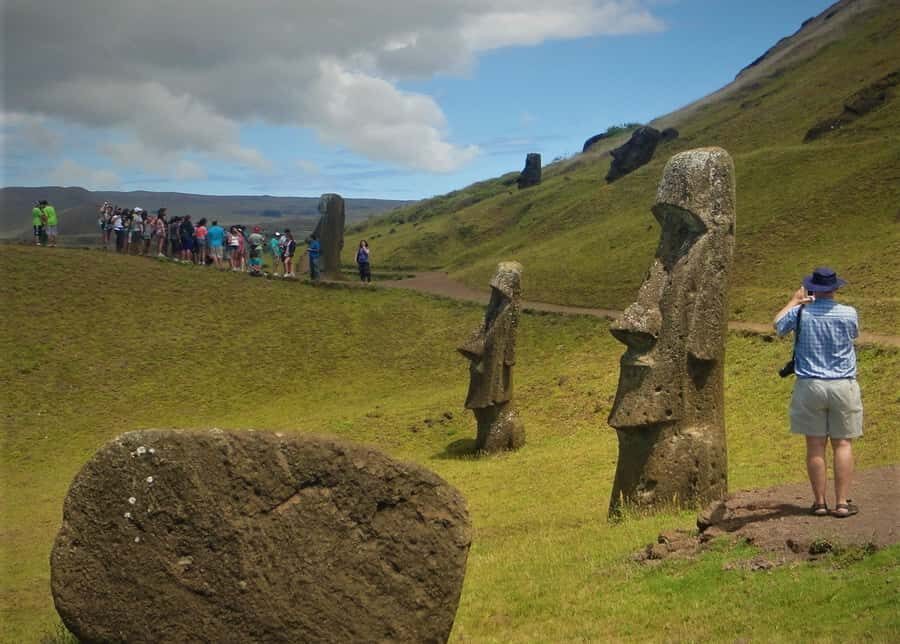
- Rano Raraku quarry: visit the carving source and see about 400 moai in different stages
- Te Pito Kura and Paro moai: check out the highest statue area plus the legendary “navel of the world” stone
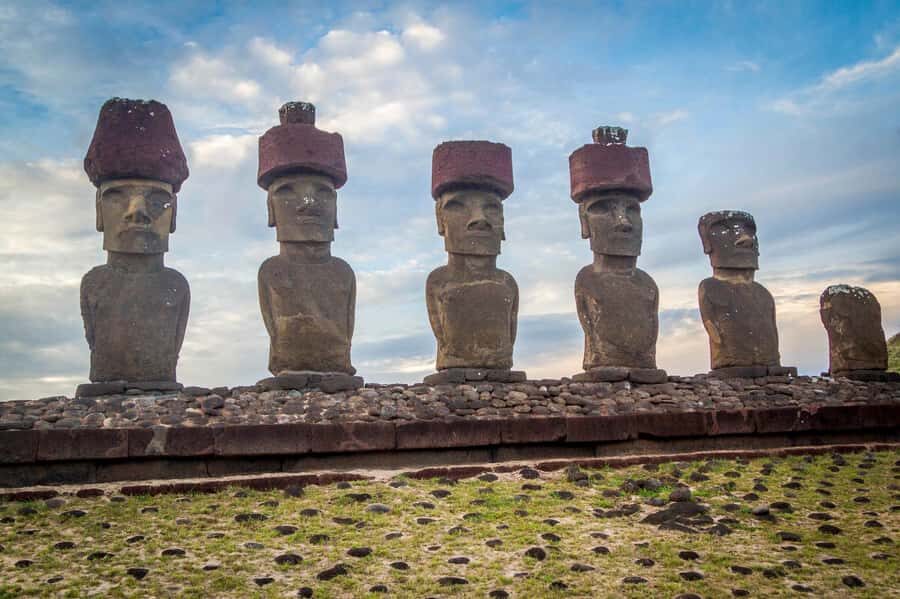
- Anakena Beach and Ahu Nau Nau: pair moai with the island’s iconic shoreline and a site with moai wearing pukao
- Professional English/Spanish guidance with names like Sol, Isa, Hugo, Miguel, and Yoyo showing up in feedback for a reason
How This Private Moai Day Works (And Why It’s Worth Doing Once)
This is a 6-hour private archaeological tour built for maximum “wow per hour.” You’re picked up in Hanga Roa, then driven between major sites without the delays that come with larger group logistics. On Easter Island, where distances are real and weather can change quickly, that alone saves energy you can spend on actually looking.
What makes it feel different from a checklist tour is the pacing. You don’t rush past every stop. You get guided time at Ahu Akahanga, a longer chunk at Rano Raraku (where the moai story turns from legend into craft), and dedicated visits to Tongariki and Anakena. That means you’re not just seeing moai—you’re understanding how they fit into Rapa Nui life, beliefs, and conflict.
One more practical note: the tour is not available for cruise ship passengers. If you’re arriving by ship, you’ll need a different setup. And if you have mobility limits, this won’t be a good fit since it isn’t suitable for wheelchair users.
You can also read our reviews of more private tours in Hanga Roa
Starting at Ahu Akahanga: The Ceremonial Center Vibe
Your day begins near the village area of Ahu Akahanga, with about 30 minutes of guided time. This is where the tour earns its “archaeological” label. You’re not just shown statues; you’re pointed to what an ahu represents in Rapa Nui culture—ceremonial and public space, tied to the island’s social and spiritual structure.
You’ll also get an important part of the moai narrative early: tribal wars took place on the island, and during fighting, moai were knocked down. That detail matters because it explains why the sight of broken or fallen stones can feel emotional instead of random. Even if you’ve heard moai “mystery” stories before, this day frames them with cause and consequence.
What to expect: short, focused learning time, then moving on before your legs get too tired.
My practical tip: wear shoes you’re happy to get dusty or a bit sore—this island is not the place for fragile soles.
Rano Raraku Quarry: Where the Moai Story Turns into Stonework
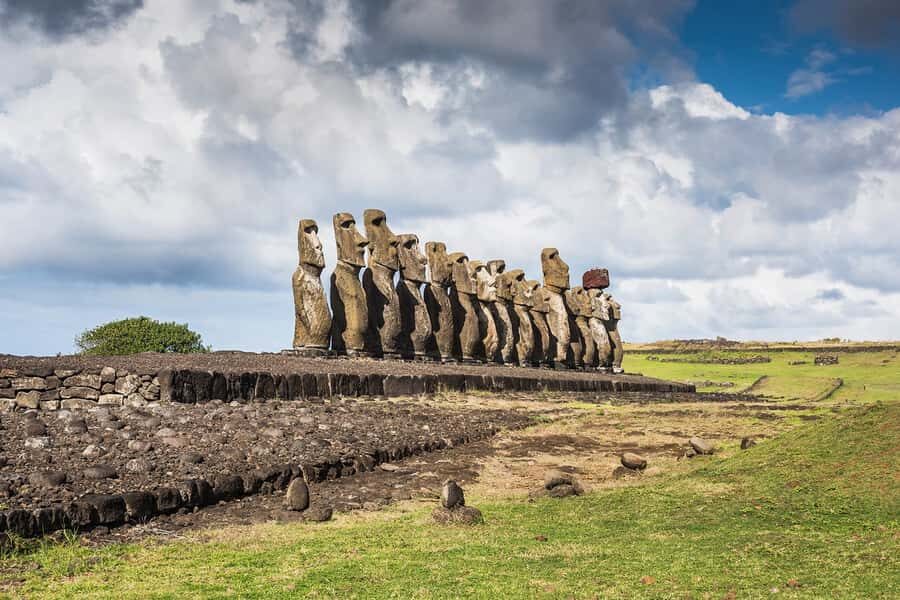
The longest stop is Rano Raraku, with about 3.5 hours on site. This is the moment when Easter Island stops being a “moai destination” and becomes a place where you can see production, not just monuments.
You’ll visit the volcanic rock quarry that provided the material for carving. That’s the key: moai didn’t just appear. The stone came from here, shaped here, and the island carried those ideas outward.
You’ll spend time admiring the hundreds of moai at the quarry in various carving stages. The effect is hard to fake in photos. Standing near pieces that are partly formed gives you a sense of how slow and careful the work must have been. Even if you don’t think in technical terms, your brain starts doing the math of time, labor, and planning.
Why this stop is valuable: it connects the icon to its workshop.
Possible drawback: it’s the longest walking and standing portion of the route, so if you’re sensitive to uneven ground, save your energy and pace yourself.
Tongariki: The Island’s Most Imposing Moai Platform
Next up is Ahu Tongariki—about 2 hours with a guided explanation. This is described as the most imposing moai platform on the island, and it earns the hype. The scale hits immediately: you’ll be seeing 15 moai arranged on a major ahu, a wall of stone presence across the landscape.
This is also where the tour balances sight with meaning. The guide doesn’t only point out faces; you’ll learn how these monumental platforms connect to ceremony and status. When you’ve already seen the quarry, Tongariki feels like the “finished chapter.” You’re watching the same craft become public identity.
What I like about Tongariki on this itinerary: it’s long enough to notice details. You’re not sprinting to the next photo point.
Quick tip: bring a layer. Even on a bright day, wind can pick up near exposed areas.
Hare Paenga and Moai After Conflict: The Human Side of the Stones
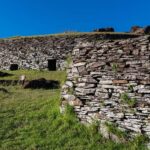
Between major moai moments, the tour includes the remains of hare paenga—the boat-shaped stone houses built by the island’s ancient inhabitants. Even though your time here can be brief compared to quarry and Tongariki, it changes how you see everything else.
Moai can feel like they belong to the sky. Hare paenga pulls them back down to daily life: where people lived, how they organized their homes, and how the island’s architecture supported community. Then the story of moai knocked down during tribal wars ties in again, giving you a sharper sense that conflict altered not only people’s lives but the island’s visible symbols.
Why you’ll probably remember this: it turns the day from sightseeing into narrative. The stones start acting like evidence.


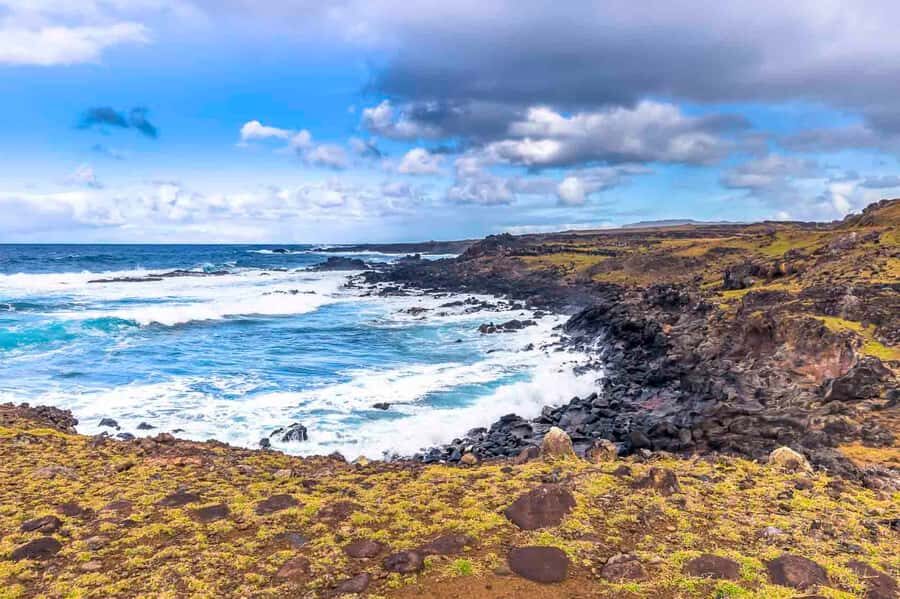
Te Pito Kura, Paro Moai, and the Legendary Navel Stone
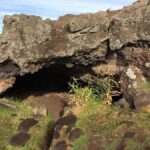
You continue to Ahu Te Pito Kura, where the tour visits the area of the highest statue on the island plus the Paro moai. This part leans into myth and meaning: you’ll also see a spherical stone said to be the navel of the world (Te Pito / Te Henua), brought to the island in the legend of Hotu Matua arriving by boat with his sister, Avareipua.
Even if you treat the legend as story instead of literal history, it’s still useful. Myth tells you what people valued. It’s also one of the reasons moai aren’t just impressive art objects. They’re part of a worldview.
My practical take: this stop is shorter (about 30 minutes), so give it your full attention. It’s easy to mentally switch to “next stop mode,” but the myth details help the day click.
Anakena Beach: White Sand Meets the Island’s Arrival Story
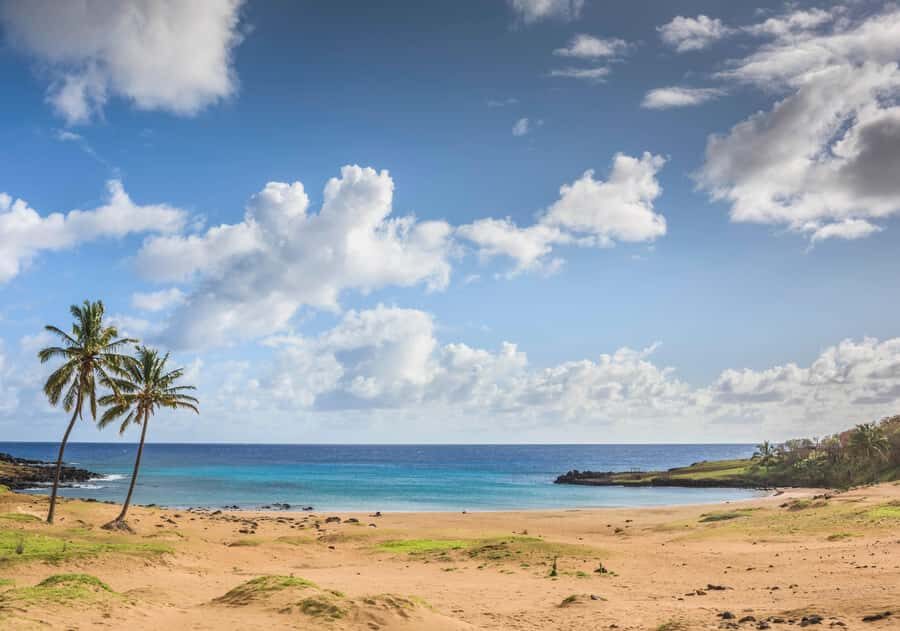
Then you head to Anakena Beach, with about 1.5 hours of guided time. This is the emotional reset of the route. After stone sites and volcanic quarry terrain, the white sand and open water make the island feel less like a museum and more like a place where real people arrived and began again.
The tour ties Anakena to the legend of first arrival: Ariki Hotu Matua and his sister Avareipua are said to have landed here. Whether you’re a legend person or not, standing at the shoreline helps the story make sensory sense. It also explains why so many visitors remember this beach first, even if the moai are what bring them here.
Ahu Nau Nau: Moai with Pukao and Petroglyphs
At Anakena, you visit Ahu Nau Nau, an archaeological site of an ancient complex construction. Here, you’ll see 5 moai with pukao, and you’ll look for petroglyphs on the back of the statues.
That detail is a big deal. Many moai sightings emphasize the front-facing look. With pukao and petroglyphs, you’re nudged to think of the statues as three-dimensional communication, not just “heads on platforms.” It’s also a reminder that the stone you see was once embedded in a bigger cultural design.
Value of this stop in the full itinerary: it adds variation, so the day doesn’t become repetitive moai after moai.
Price and Logistics: What You’re Really Paying For
The tour price is listed as $200 per person, and the big extra cost to plan for is entrance fees of $80 per person (not included). Food and drinks aren’t included either.
Is it worth it? For Easter Island, private guide time has real value because the sites are spread out and the story is complex. You’re paying for:
- Hotel pickup and drop-off in Hanga Roa
- Private transportation so you don’t spend half the day waiting
- A professional guide in English or Spanish
- Time at the highest-priority sites, including the quarry and Tongariki
If you’re coming with a small group, splitting the total can make this feel like one of the better “structured day” choices on the island. If you’re solo, it’s still reasonable because the quarry visit alone is the kind of place where a guide helps you see more than shapes.
One more logistics note: the tour is private, so you’ll usually get a smoother flow and fewer crowd-pressure moments at the biggest stops.
Who This Tour Fits Best (And Who Should Skip It)
This private route is ideal if you want:
- A first-time Easter Island overview with the right mix of moai platforms, quarry, and beach
- Guided context for conflict, carving, and ceremonial spaces
- A day that stays efficient while still giving you time to look
It’s not a good choice if you’re:
- Using a wheelchair or need mobility accommodations
- Arriving by cruise ship, since it’s not offered for cruise ship passengers
If you love archaeology plus scenery, this itinerary hits a sweet spot: stone and shoreline in one day.
The Guide Factor: What to Expect from the Storytelling
This tour runs with professional guides, and the names that show up in feedback—Sol, Isa, Hugo, Miguel, and Yoyo—all point to the same thing: people come away praising the clarity and engagement of the explanations.
What matters for you is the style. The good guides here don’t only recite dates. They connect what you see—platforms, quarry rock, fallen moai, house remains—to what it likely meant on the island. That’s how moai stop feeling like a riddle and start feeling like a culture you can picture.
Weather, Walking, and What to Bring
The day includes outdoor walking and standing, with uneven terrain possible around archaeological areas and viewpoints. Bring comfortable shoes and warm clothing. Even if you think you’re packing for sun, remember the island can surprise you.
If you’re the type who gets cold easily, bring a real layer. This is not a “just a T-shirt and hope” kind of trip.
Should You Book This Easter Island Moai Trail Private Tour?
I’d book it if you want one guided day that covers the big hitters with solid context—especially if it’s your first time on Easter Island. Rano Raraku quarry and Ahu Tongariki are the centerpieces, and the itinerary keeps momentum without feeling like a drive-by.
I would hesitate if entrance fees add stress to your budget, or if you need mobility support. Also, if you already plan to focus only on one area (say, only the quarry) and you’re comfortable doing the rest on your own, you might prefer a shorter or more niche plan.
If you want a focused, high-value introduction to Rapa Nui—moai, carving, ceremony, and Anakena in one day—this is a strong bet.
FAQ
Where are you picked up for this tour?
You’re picked up at your hotel in Hanga Roa.
What’s the tour duration?
The tour duration is 6 hours.
Which moai platforms and sites are included?
You visit Ahu Akahanga, Rano Raraku Quarry, Ahu Tongariki, Ahu Te Pito Kura, Anakena Beach, and Ahu Nau Nau (with moai that have pukao).
Is entrance to the sites included in the price?
No. Entrance fees are listed as $80 per person and are not included.
Do you get a private vehicle and guide?
Yes. This is a private tour with private transportation and a professional guide.
What languages are the guides?
Guides are listed as available in English and Spanish.
Is the tour suitable for wheelchair users or people with mobility impairments?
No. It’s listed as not suitable for mobility impairments and wheelchair users.
Is this tour available for cruise ship passengers?
No. It is not available for cruise ship passengers.
What should I bring?
Bring comfortable shoes and warm clothing.
What’s the cancellation policy?
You can cancel up to 24 hours in advance for a full refund.