REVIEW · HANGA ROA
Easter Island: Customized recreational-tourist diving
Book on GetYourGuide →Operated by Buceo Tortuga Hanga Piko · Bookable on GetYourGuide
Rapa Nui looks unreal above water, then gets better underwater. This private scuba outing is built around personalized coaching and crystal-clear marine life in the waters of Rapa Nui. I especially like the way they walk you through everything first, so you’re not guessing once you hit the water, and I like that you stay with a guide the whole time.
The main trade-off to consider is that it’s not a casual activity. It’s not suitable for people with respiratory issues, recent surgeries, or who are pregnant, and it also isn’t set up for wheelchair users.
If you’re fit enough and you follow instructions, this is a great value way to see what Easter Island’s sea has to offer, without feeling rushed or left on your own.
In This Review
- Key highlights at a glance
- Rapa Nui’s sea: why this water session feels special
- What’s included in the $135 price (and why it’s not just a “cheap add-on”)
- Your 45 minutes on land: getting set up without stress
- How the transfer works: boat vs van and why it matters
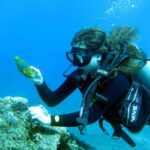
- Underwater time: constant help, colorful reefs, and endemic life
- Moai below the surface: a bonus for certified divers
- Photos and videos: you’ll get your memories without fiddling
- Scheduling on Rapa Nui: why your first day helps
- Who this is best for (and who should not go)
- Price vs. value: what you’re really paying for
- One last logistics note: pickup expectations
- Should you book this Rapa Nui scuba session?
- FAQ
- How long is the experience?
- How much does it cost?
- What is included in the price?
- What about food?
- Do I need to be a certified diver?
- Where do I meet the group?
- What should I bring?
- Is it suitable for children?
- Is it suitable for wheelchair users or people with respiratory issues?
- What languages are the guides?
Key highlights at a glance
- Private, customized coaching with a guide staying close during the experience
- Crystalline waters with clear visibility and colorful corals
- Endemic species you can’t really see anywhere else
- Free digital photos and videos included in the activity
- Boat or van transfer depending on the underwater site
- Moai and underwater caverns are an option for certified divers
Rapa Nui’s sea: why this water session feels special
Rapa Nui (Easter Island) sits far out in the Pacific, and the marine scene matches the island’s remote vibe. When conditions are right, you get genuinely clear water and a lot going on in the reef zone. That matters because the whole point of a guided plan is letting you enjoy the scene, not constantly manage worry, gear, or buoyancy.
The format here is designed for comfort and safety. You get a proper introduction, full equipment provided, and continuous support from certified tour guides. That’s what turns “I hope I can do this” into “okay, I get it now.”
And there’s a big bonus for repeat scuba folks: if you’re already certified, there’s the chance to go for a legendary submerged moai and explore underwater caverns, always with specialized supervision.
You can also read our reviews of more scuba diving tours in Hanga Roa
What’s included in the $135 price (and why it’s not just a “cheap add-on”)
At $135 per person for about 2.5 hours, you’re paying for a complete package: gear, instruction, and the on-water experience. The included items are practical and you’d otherwise rent them separately:
- Wetsuit
- Mask and fins
- BCD (buoyancy control device)
- Scuba tank
- Personalized tour guide
- Transfer to the water area (by boat or van, depending on the site)
- Digital photos and videos
To me, the value is the combination. Equipment rental alone can add up, and a truly hands-on guide costs real money. Here, they also cover the “how do I get there” part with pickup and transport back, so you spend energy on the sea, not logistics.
One small reminder: food isn’t included. Bring a plan for before and after so you’re not hungry and distracted during prep.
Your 45 minutes on land: getting set up without stress
Before you ever go underwater, the experience starts with a complete, personalized introduction. You’ll get a walkthrough of the scuba equipment and the steps for the activity, so you know what’s happening at each point.
In plain terms: this is where you learn how to feel confident. You’ll be taught the basics, shown how the gear works, and coached through what to expect. If it’s your first time, this part matters a lot because underwater success is less about strength and more about calm, timing, and technique.
Another helpful detail: the guide stays with you throughout. That support reduces the mental load. You’re not expected to swim on your own while trying to learn everything at once.
What to bring is simple: beachwear. I also suggest bringing a windbreaker, plus a light layer you can put on when you’re between water and transport. The activity includes outdoor transfer time, and Rapa Nui wind can turn cold fast even when the sun is doing its job.
How the transfer works: boat vs van and why it matters
The experience includes transfer, and the route depends on where you’ll go underwater. You might ride in a van or a boat to reach the right site.
That detail matters because the “best looking” spot isn’t always the “closest” spot. A good operator plans the day around the conditions and the underwater features they’re aiming for, not just convenience. With this setup, you’re being moved to the water they want you to see.
Also, having transfer included helps if you don’t want to spend time figuring out local transport right after gear prep.
Underwater time: constant help, colorful reefs, and endemic life
Once you’re in, your guide remains close and provides continuous assistance. That’s a big deal for beginners and for anyone who gets nervous about controlling buoyancy.
Here’s what you can expect to focus on:
- Colorful corals and reef life
- Fish endemic to Rapa Nui
- The feeling of being guided through the reef, not sent off alone
The experience is described as safe and personalized, and the practical difference is that you’ll get help through the process. You’re not left to figure it out mid-water. One more thing I like: the guides are described as respectful and focused on keeping the experience smooth.
If you’re the kind of traveler who loves photos and wants the best chance of capturing fish and reef colors, the guide-led approach helps. You can look, breathe, and enjoy the scene while they handle the pacing.



Moai below the surface: a bonus for certified divers
If you’re already a certified diver, you get an option that’s pretty special for Easter Island fans: a visit to the submerged moai.
This is also where the experience shifts from standard reef viewing to more exploration-focused underwater features. You may also have the chance to explore underwater caverns, still under the supervision of specialized guides.
What I think is valuable here is the combination of “legendary feature” plus “trained control.” Caverns and underwater structures can be amazing, but they demand guidance. If you meet their certification needs, this is the kind of add-on that makes the trip feel less like a routine outing and more like a story you’ll remember.
Photos and videos: you’ll get your memories without fiddling
They include free digital photos and videos as part of the activity. You won’t need to bring a camera setup to capture the moment.
One practical tip from real-world experience: if you were planning to rely on your own GoPro-style setup, it may be unnecessary. The guides take their own photos and video, and those are sent to you after the session (one traveler notes delivery through WhatsApp). The point is simple: you can enjoy the water instead of constantly adjusting your camera.
Scheduling on Rapa Nui: why your first day helps
Rapa Nui weather can change, and sea conditions can shift with it. The activity length stays around 2.5 hours, but the schedule might need adjustment.
That’s why I recommend planning your scuba session for the first day of your stay. If conditions don’t cooperate, you’re more likely to have another day in your schedule to fix it. If your whole trip is tight with fixed plans, you’ll feel that pressure.
Who this is best for (and who should not go)
This is a good match if you want a guided scuba experience with real support. It’s especially good for:
- First-timers who want step-by-step instruction
- Travelers who prefer a close guide and clear direction
- People who care about seeing endemic marine life
- Certified divers who want a shot at the submerged moai and caverns
It’s not suitable for several categories listed by the operator:
- Children under 9 years old
- Wheelchair users
- Pregnant women
- People with respiratory issues
- People over 80 years old
- People over 331 lbs (150 kg)
- People with recent surgeries
- Babies under 1 year
- Hearing-impaired people
If you’re right on the edge with age or health, treat that as a signal to confirm eligibility in advance. With scuba, safety rules aren’t negotiable.
Also: alcohol and drugs are not allowed. If you’re choosing a shore day before your session, keep it sensible so you show up feeling clear-headed.
Price vs. value: what you’re really paying for
It’s easy to compare scuba prices across destinations. What’s harder is comparing what’s actually included. Here, you get:
- Full equipment
- Personalized guide time
- Transfer to and from the water area
- Digital photos and videos
For $135, that stack is the reason this feels fair. You’re not just buying “time in the water.” You’re buying coaching, supervision, and the logistical parts that usually eat up your energy.
One more value point: the group type is private. That usually means less waiting around and more attention from the guide.
One last logistics note: pickup expectations
The info provided says you’ll be picked up at your hotel and returned there afterward. But one traveler also points out that pickup might not happen as expected and recommends meeting at the scuba center instead.
So here’s my practical advice: confirm the pickup plan the day before. If you don’t get clear confirmation, plan to head to the meeting point location to avoid starting your day in a stress spiral.
Should you book this Rapa Nui scuba session?
Book it if you want a private, guided underwater experience in Rapa Nui with full gear, transfers, and digital photos/video included. It’s a smart choice for first-timers because the instruction and constant guide support are built in, not tacked on.
Skip it if you fall into any of the stated non-suitable categories (respiratory issues, pregnancy, wheelchair use, age limits, recent surgery) or if you’re expecting a do-it-yourself water swim. This experience is structured. That structure is what makes it safe and enjoyable.
If you’re ready to follow directions, enjoy marine life up close, and bring beachwear plus a windbreaker, this is a strong way to spend a short chunk of your time on Rapa Nui.
FAQ
How long is the experience?
The activity lasts about 2.5 hours.
How much does it cost?
It costs $135 per person.
What is included in the price?
You get complete scuba equipment (wetsuit, mask, fins, BCD, and scuba tank), a personalized tour guide, digital photos and videos, and transfer.
What about food?
Food is not included.
Do I need to be a certified diver?
For certified divers, there’s an opportunity to visit the submerged moai and explore underwater caverns under guide supervision. The experience also includes introductory support and equipment for participants.
Where do I meet the group?
You should meet at the starting location arrangements. The information says pickup is from your hotel and the tour ends back at the meeting point, but you should confirm where to meet to avoid confusion.
What should I bring?
Bring beachwear. The operator also advises bringing a windbreaker, plus a hat or light item like a tolla and sandals.
Is it suitable for children?
Children under 9 years old are not suitable.
Is it suitable for wheelchair users or people with respiratory issues?
No. It is not suitable for wheelchair users and not suitable for people with respiratory issues.
What languages are the guides?
The instructors are listed as speaking English, Portuguese, and Spanish.