REVIEW · HANGA ROA
Rapa Nui Highlights Program: 3 incredible tours to discover!
Book on GetYourGuide →Operated by Koa Ma´ara Travel · Bookable on GetYourGuide
Moai, volcano craters, and rituals—on a tight schedule. This Rapa Nui Highlights Program strings together the island’s biggest hits in just 2 days, with story-led guiding in English or Spanish and time at the places you actually came for.
I especially like how the route covers the key “why” behind the sites, from the seven explorers story at Ahu Akivi to the astronomy hints at Ahu Uri Aurenga. I also like the practical pace: you get stops spread across the island rather than getting rushed through everything. The one drawback to weigh is that it’s not a sit-and-stare tour—some sections are uneven and it’s not suitable for wheelchair users or pregnant women.
In This Review
- Key Things You’ll Notice Right Away
- A Two-Day Circuit That Hits the Real Highlights
- Ahu Akivi, Puna Pau, and Uri Aurenga: Moai with Ocean and Sky Clues
- Vinapu, Rano Kau, and Orongo: Basalt Roofs and the Birdman Ceremony
- Rano Raraku, Tongariki, Te Pito Kura, and Anakena: East Side “Wow” Stops
- The Guides and Small-Group Pace That Make It Work
- Price, Value, and What You Need to Budget Separately
- Who This Program Fits Best (and Who It Doesn’t)
- Should You Book This 2-Day Rapa Nui Highlights Program?
- FAQ
- FAQ
- What tours are included in the 2-day program?
- How long is the overall experience?
- Which days do the Ahu Akivi and Orongo half-day tours run?
- Which days does the full-day Anakena & Rano Raraku tour run?
- What languages are the guides?
- How many people are in the group?
- What isn’t included in the price?
Key Things You’ll Notice Right Away
- A fast path through Rapa Nui’s core sites: Ahu Akivi, Orongo, Rano Raraku, Tongariki, and Anakena in 2 days
- Astronomy and taboos, not just statues: Ahu Uri Aurenga is described as tied to the winter solstice and seasonal restrictions
- Vinapu’s basalt craftsmanship: roof tiles fitted together in a way compared to Machu Picchu
- Rano Raraku’s sculptor’s workshop: you see the crater where moai were carved and where hundreds still remain
- Small group energy (up to 15 people): you should feel like you get attention, not like you’re stuck in a herd
- Regular, sane pacing: one highlight from past guests is stress-free timing and bathroom breaks
A Two-Day Circuit That Hits the Real Highlights
Rapa Nui (Easter Island) has a way of making you feel small—in a good way. The Pacific is loud, the volcanic ground is dramatic, and the moai look like they’re watching you back. This program is designed for the time-crunched traveler who still wants context, not just photos.
You’re looking at three linked tours over two days: a half day focused on Ahu Akivi and the red-crater area, a half day around Vinapu, Rano Kau, and Orongo, and a full day covering the east side—Rano Raraku, major ceremonial platforms, and Anakena. The guide’s job is to stitch it all together so you understand what you’re seeing: people, beliefs, and the practical reasons sacred sites were placed where they were.
One more thing to know: the schedule is set to certain weekdays. The half-day Ahu Akivi tour and the half-day Orongo tour run on Mondays, Wednesdays, and Fridays. The full day Anakena & Rano Raraku runs on Tuesdays, Thursdays, and Saturdays. If your trip dates don’t match, you may have fewer options.
You can also read our reviews of more tours and experiences in Hanga Roa.


Ahu Akivi, Puna Pau, and Uri Aurenga: Moai with Ocean and Sky Clues
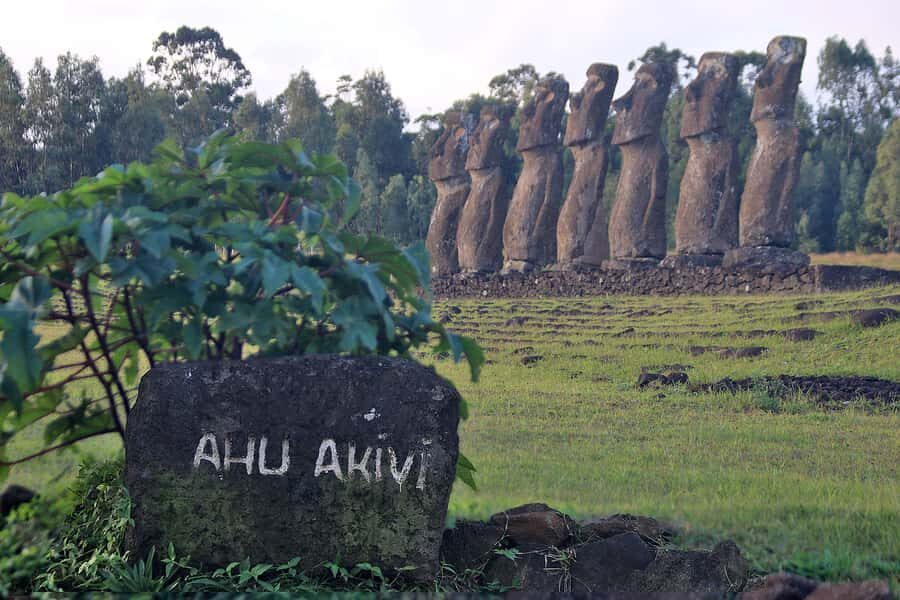
This first half day is built like a story with three chapters. You start with pickup from your hotel area and head toward Ahu Akivi, one of the few platforms where the moai are described as facing the ocean. That detail matters because it changes how you read the whole site. You’re not just looking at a monument—you’re seeing a direction, an idea of orientation, and a connection to the wider horizon.
At Ahu Akivi, the setting is tied to a legend: these figures represent the seven explorers sent by King Hotu Matu’a before his colonization voyage. The tour framing helps you notice the feeling of “arrival” and “voyage” that’s built into the arrangement. It’s a reminder that Rapa Nui history isn’t only carved in stone—it’s carried in stories.
Next comes Puna Pau, the small crater of red slag where the Pukao—the hat-like stone pieces—were made. This stop is where the tour shifts from monuments to materials. You begin to understand the moai as a full outfit: the head alone is only part of the design. Seeing the quarry idea behind the red pieces gives the whole island “craft” energy.
Then you finish at Ahu Uri Aurenga, which has a single statue and an orientation tied to seasonal timing. The guide explains it as aligned with the line of the winter solstice, marking the beginning of the season called tonga and also the time of taboos that regulate fishing and other activities. On top of that, it faces east and is described as aligned with nearby hills, including Maunga Mataengo and Maunga Tararaina, plus nearby smaller ahu.
If you like astronomy and practical ritual calendars, this is a satisfying ending. If you don’t, it can still feel powerful—because it shows how deeply daily life and sacred timing were linked on the island.
Vinapu, Rano Kau, and Orongo: Basalt Roofs and the Birdman Ceremony
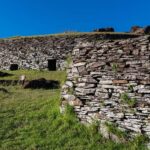
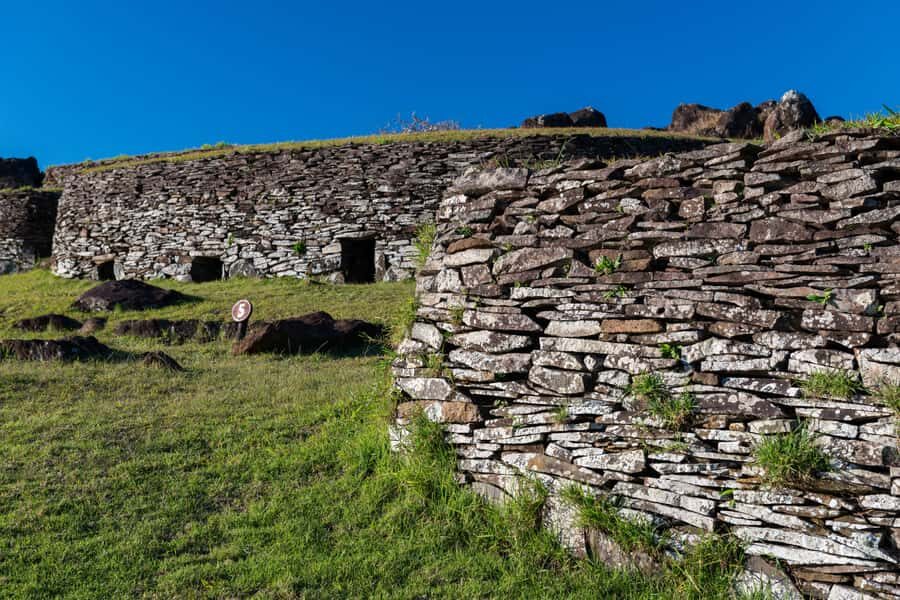
The second half day is the one that most people remember for mood. You begin in the Vinapu sector, an archaeological area known for its large basalt roof tiles that fit together like construction techniques compared to Machu Picchu. Even if you don’t care about engineering, that “fit and finish” detail helps you appreciate the skill behind the ruins.
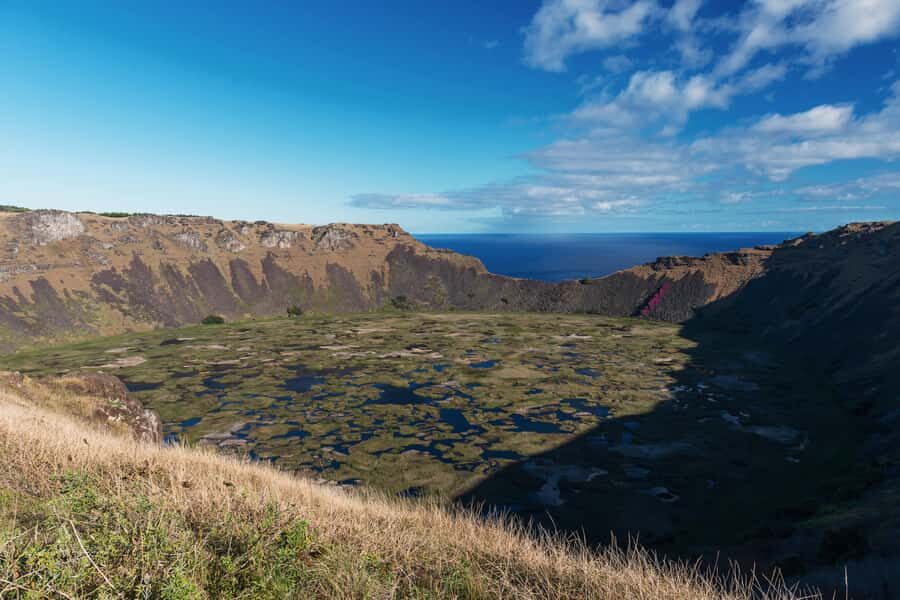
From there, the tour heads to Rano Kau, where you’ll find a lake with small islands of reeds and strong vegetation, plus micro fauna (tiny life forms) described as part of the setting. This is where the island stops being only “stone artifacts” and starts being an ecosystem. The air feels different too—more humid near the crater lake, more alive around the edges.
The day culminates at Orongo, the ceremonial village linked to the Birdman contest. The guide’s narrative turns this area into something more than ruins with views. You get a sense of competition, ritual preparation, and how an annual ceremony could reshape status and community behavior. It’s easy to picture people treating the place as sacred space with real stakes.
One small tip for this tour: bring a layer for the wind. Orongo and the crater area can feel exposed, and you’ll want to stay comfortable while the guide explains the sequence of the ceremony and what visitors at the time would have been focused on.
Rano Raraku, Tongariki, Te Pito Kura, and Anakena: East Side “Wow” Stops
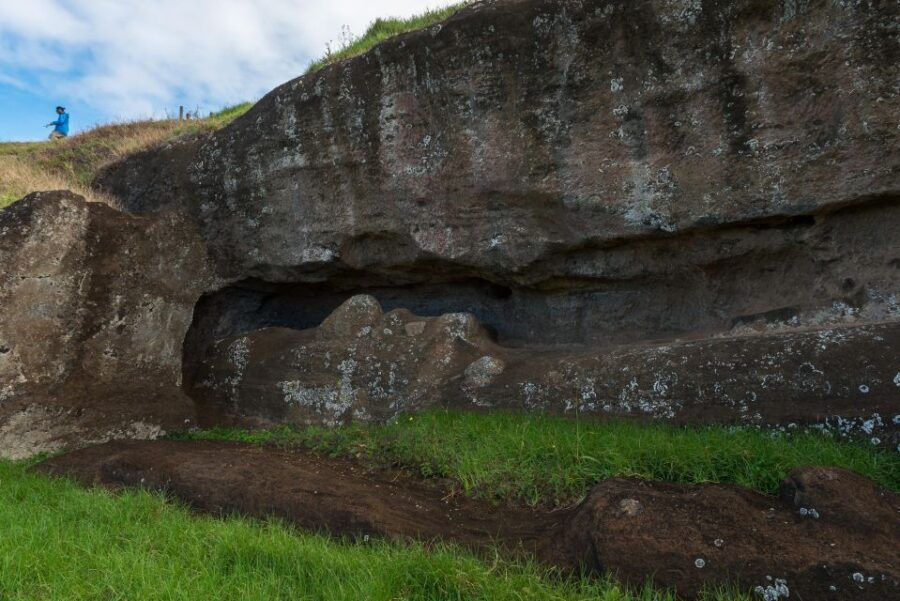
The full day is the heavyweight. It takes you to the east side, where many of Rapa Nui’s most talked-about sites sit within a day’s drive.
You start at Ahu Vaihu and Akhahanga. These are described as temples formed by platforms or stone altars, where moai and their Pukaos were gathered. I like starting here because it keeps you grounded in the idea that moai weren’t just “found objects.” They were arranged and set into a system tied to ceremony and display.
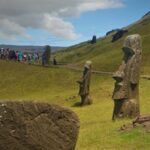
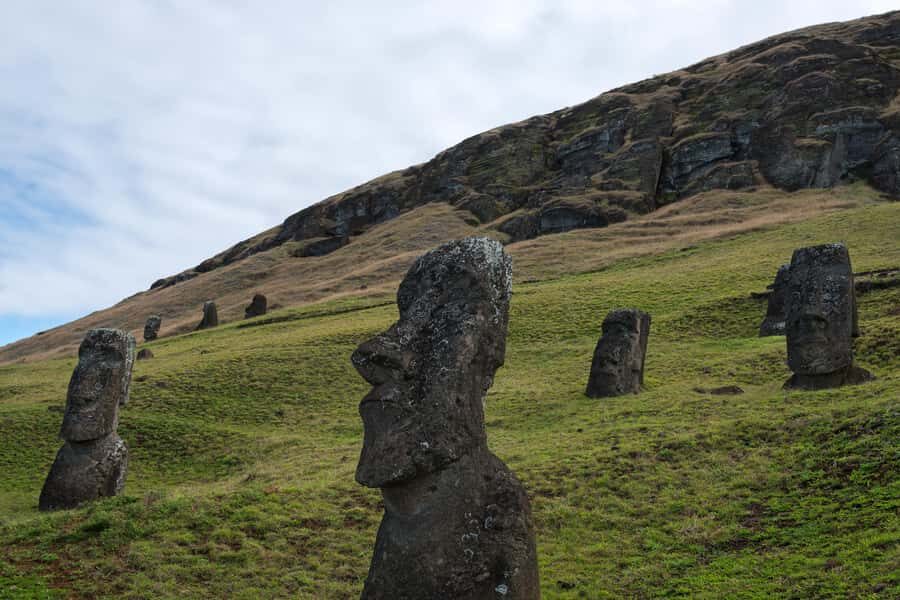
Then you head to Rano Raraku, the volcanic crater formed by consolidated ash, with a lagoon inside. This stop is special because the crater isn’t just a backdrop—it’s connected to production. You’re told the moai were sculpted on the slopes, and that today 397 sculptures remain there. That number is a gut-check. You’re standing in a place that acted like a quarry and workshop, where stone work literally became culture.
After the crater, the tour moves to Ahu Tongariki, known for 15 huge moai. This is the “long wall of statues” moment, the one that makes you stop walking for a second just to take in scale. The key value here is how the guide helps you read the platform as a ceremonial structure, not a random lineup.
Next is Te Pito Kura, described as having the largest statue erected on an ahu: Moai Paro, 10 meters high and 85 tons. Then there’s Te Pito o Te Henua, a large spherical stone identified as the navel of the world. Even if you’re not fully into the symbolism, the physical contrast is striking: a massive carved figure paired with a perfectly round stone. It’s one of those combinations that makes you realize meaning can be both mythic and practical.
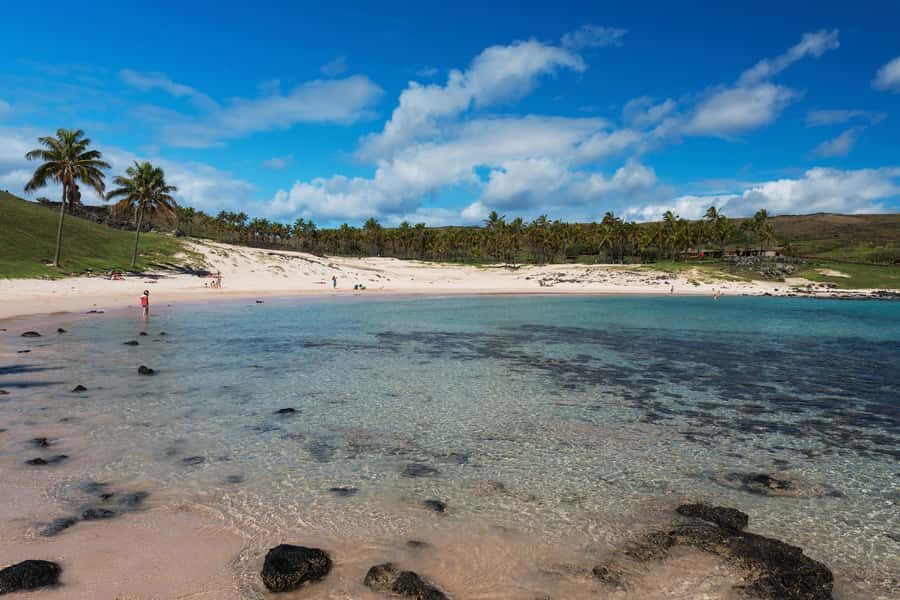
You wrap the day at Anakena, the most popular beach on the island. Here’s what makes it unique: there’s a row of moai that turn their backs to the sea. That orientation forces you to think differently. Instead of facing the ocean like the Ahu Akivi moai, these statues seem to relate to the land, the living space, and the ritual viewpoint.
When you’re done for the day, Anakena feels like a natural landing point: sun, sand, and a break from constant walking through archaeological zones.
The Guides and Small-Group Pace That Make It Work
The program is built for small groups—limited to 15 participants—and that matters on Rapa Nui. Sites are spread out, roads can be slow, and attention span is limited when the sun is doing the heavy lifting. A small group helps you hear the guide clearly and actually absorb the story as you move.
English and Spanish guiding is offered, and past experiences with guides like Ugo and Jaime stand out for how well they explain the island’s history and culture with energy. That’s the difference between “seeing” and understanding. When someone can connect moai placement, materials like Pukao, and ceremonial timing, the ruins stop being disconnected objects.
Past guests also highlighted that the tours keep a reasonable rhythm, including planned breaks and good sanitary facilities. One extra point from real-world experiences: pickup is prompt, but communication about the approximate pickup time can be improved. My advice is simple—message the operator the day before and confirm your pickup window, especially if your schedule is tight.


Price, Value, and What You Need to Budget Separately
At $220 per person for two days, you’re paying for guided access to a high-density cluster of major sites. The value is in the coverage plus interpretation: you don’t just drive around; you get the story thread that links each stop.
Here’s what you should budget separately:
- National Park ticket (not included)
- Food and drinks (not included)
- Explora Hotel pickup and drop-off (not included), even though standard hotel pickup is part of the plan
On the practical side, pickup is included, but you’ll want to be ready: wait in the hotel lobby about 10 minutes before your scheduled pickup time. Since your comfort matters, plan for warm conditions and bring water for the day trips even if you’re not sure where you’ll stop for supplies.
Who This Program Fits Best (and Who It Doesn’t)
This is a strong fit if you:
- Want to see the island’s most famous sites in a short window
- Like history that comes with stories, symbols, and practical context
- Prefer a small group over large bus tours
- Are comfortable walking on uneven ground around archaeological areas
It’s not suitable for:
- Wheelchair users
- Pregnant women
- Cruise ship guests
Also, because the program is packed across multiple sites, it’s better for travelers who can handle a busy day. If you’re the type who hates changing locations quickly, you might feel rushed on the full day east-side loop.
Should You Book This 2-Day Rapa Nui Highlights Program?
If your goal is to hit the core Rapa Nui sites fast—and understand what you’re looking at—this booking makes sense. The mix of Ahu Akivi + Puna Pau, the Orongo Birdman ritual area, and the Rano Raraku to Anakena east-side circuit creates a complete arc: origins, materials, ceremony, and final viewpoints by the sea.
I’d book it if you value guiding quality and want your photos backed by context. I’d also confirm pickup timing in advance, just to avoid any last-minute uncertainty.
Skip it if you need a more relaxed pace, or if you have mobility limits that don’t work with uneven terrain. And remember the National Park ticket and meals are on you, so don’t underestimate daily expenses.
FAQ
FAQ
What tours are included in the 2-day program?
You get three guided experiences: a half-day Ahu Akivi tour, a half-day Orongo tour, and a full-day Anakena & Rano Raraku tour.
How long is the overall experience?
The full program is 2 days.
Which days do the Ahu Akivi and Orongo half-day tours run?
The half-day Ahu Akivi and half-day Orongo tours run on Mondays, Wednesdays, and Fridays.
Which days does the full-day Anakena & Rano Raraku tour run?
The full-day Anakena & Rano Raraku tour runs on Tuesdays, Thursdays, and Saturdays.
What languages are the guides?
Guides speak English and Spanish.
How many people are in the group?
The group is limited to 15 participants.
What isn’t included in the price?
You’ll need to cover the National Park ticket separately, and food and drinks are not included. Explora Hotel pickup and drop-off is also not included.