REVIEW · HANGA ROA
Easter Island: Tropical Diving
Book on GetYourGuide →Operated by Dreams come Tour · Bookable on GetYourGuide
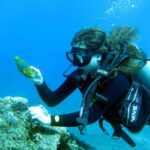
That first look over the water sets the mood. Off Hanga Piko, you get clear, tropical underwater views with colorful fish and turtles, plus a chance to see the island’s underwater archaeology. The big consideration: access to the deeper sunken moai depends on your scuba certification, so what you can reach may be limited on an intro-style trip.
You’ll be with an English/Spanish instructor who stays close and guides you step-by-step, and you can count on a small group of up to 10 people. One more thing to plan around: transfers use boat or vehicle and timing can shift with sea conditions, so build in a little buffer on the day.
In This Review
- Key Highlights You’ll Care About
- Hanga Piko’s Underwater Setup: Why This Spot Works
- The 150 Minutes Plan: What Happens Before and After the One Hour
- What You’ll See Underwater: Tropical Fish, Turtles, and Sunken Moai Limits
- Instruction Style and Safety: Small Group Support That Helps You Relax
- Gear and the Photo Factor: What’s Included and How to Prepare
- Timing, Transfers, and Day-Of Reality on Rapa Nui
- Who Should Book This (and Who Should Skip It)
- Price and Value: Is $139 Worth It for a 150-Minute Experience?
- Should You Book This Tropical Underwater Experience?
- FAQ
- Where is the meeting point?
- How long does the experience last?
- Do I need to know how to swim?
- What equipment is included?
- Can I go if I have flown within the last 12 hours?
- What languages are the instructors speaking?
- Is this suitable for children or people with medical conditions?
Key Highlights You’ll Care About
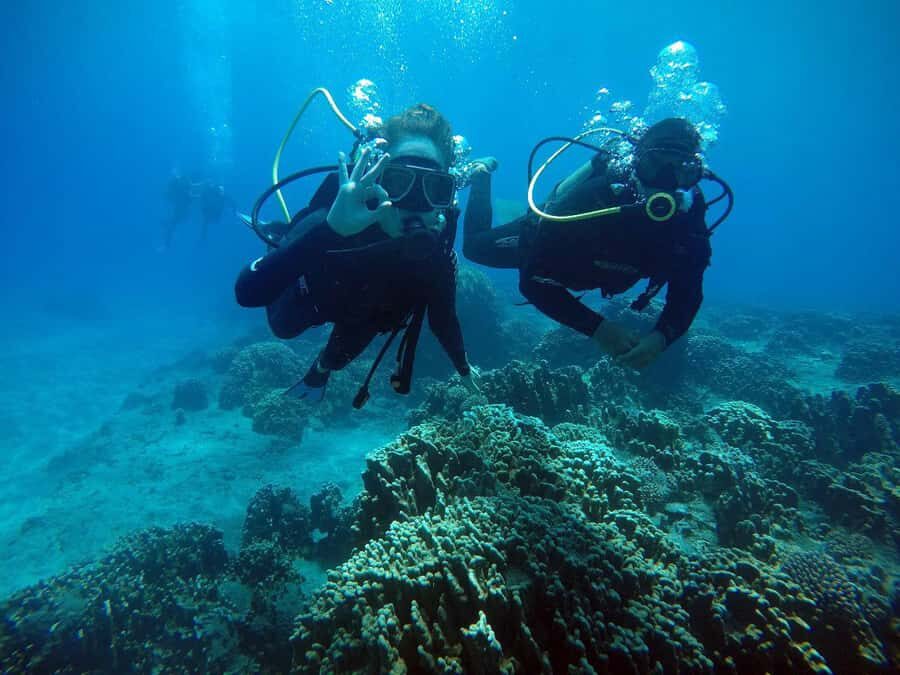
- Clear tropical visibility off Hanga Piko makes it easier to spot fish, coral, and turtles fast
- An instructor-led intro format includes a safety briefing and close support throughout
- Sunken moai access depends on certification, so don’t assume you’ll reach the deepest spot
- Equipment is included (suit, mask, fins, vest, and air tank), so you travel lighter
- Photos and video are part of the package and you can copy them to your phone with your own cable/drive
- Boat or vehicle transfers happen based on maritime conditions, not a fixed route
Hanga Piko’s Underwater Setup: Why This Spot Works
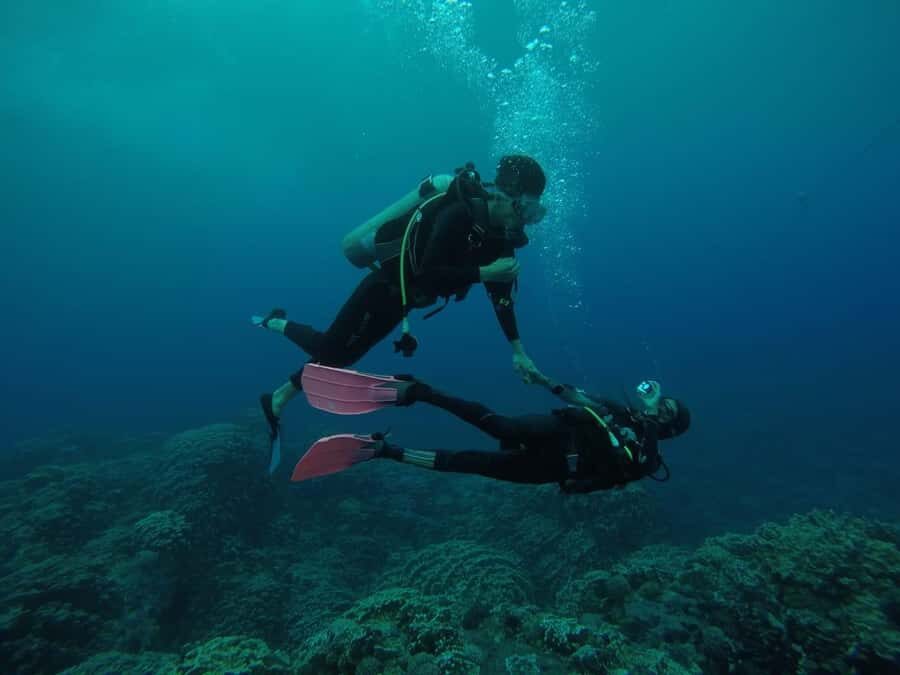
Easter Island, or Rapa Nui, is famous for stone statues above water. What surprises you here is that the island also shows its story underwater. Around Hanga Piko, the water is known for strong visibility in a way that makes the whole trip feel “bigger” than just an exercise in gear and buoyancy. When you can actually see what’s around you, you relax and enjoy the experience more.
This outing leans into two kinds of rewards. The first is the living stuff: tropical fish, coral, and turtles. The second is the human mark: submerged moai you may encounter depending on depth and certification. That mix is why this is more than a routine scuba outing. It’s also why it works for beginners who want something memorable without needing to be an advanced underwater explorer.
You can also read our reviews of more scuba diving tours in Hanga Roa
The 150 Minutes Plan: What Happens Before and After the One Hour
The schedule is tight, but it’s not rushed. You start at Hanga Piko with a safety briefing that runs about 30 minutes. This is where you learn the basics of what to do, what to avoid, and how the instructor will keep you comfortable in the water. If you’re worried you’ll be thrown in cold, this structure helps a lot.
Then you shift to the water transfer stage for about 30 minutes. The operator moves you from the Hanga Piko cove to the dive site using boat or vehicle, depending on maritime conditions. Practically, that means your comfort depends on sea state; it also means you should dress for quick temperature changes because Easter Island weather can turn faster than you’d expect.
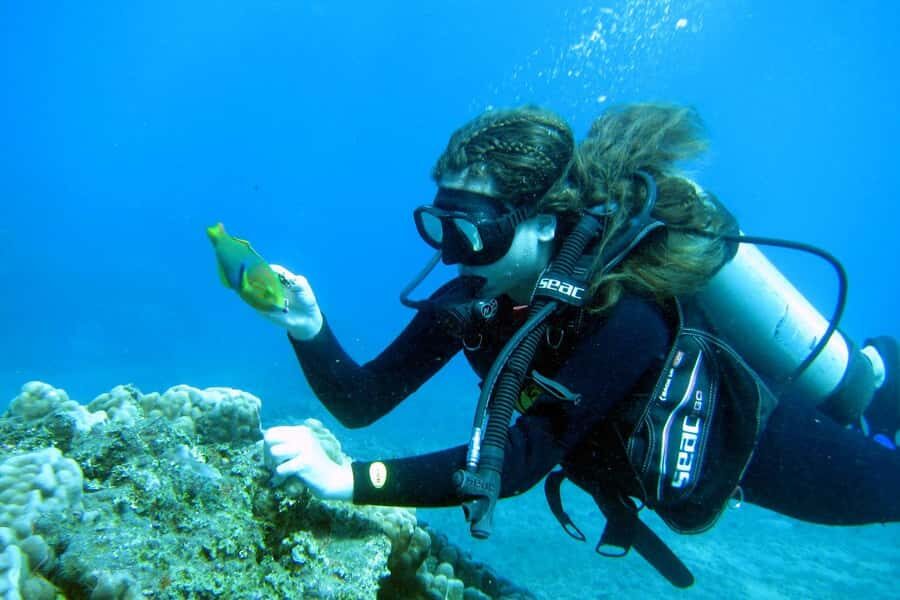
Next comes the main underwater window: about 1 hour scuba time. Expect to spend that hour following the instructor’s guidance, enjoying the marine life, and looking for underwater archaeological features when conditions and depth allow. After that, there’s another 30-minute transfer back. You end with the feeling of a full outing that still fits into a normal travel day.
What You’ll See Underwater: Tropical Fish, Turtles, and Sunken Moai Limits
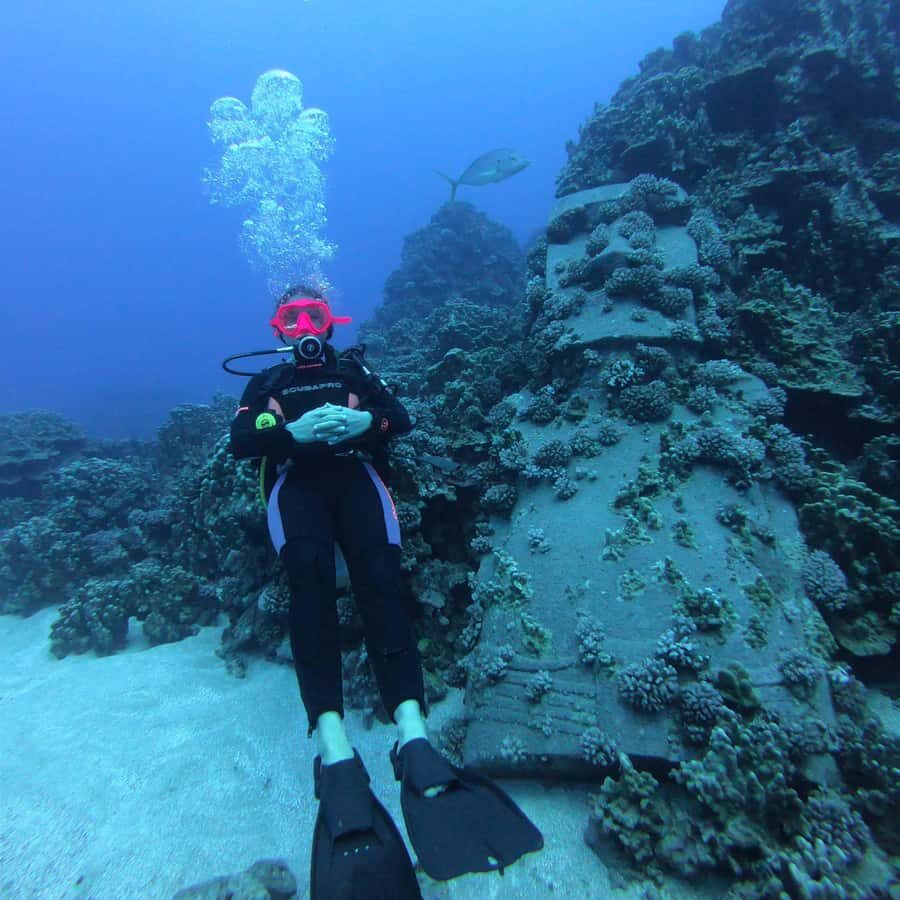
The highlights are exactly the kind you’ll remember later: close views of tropical fish, coral, and turtles. Clear water matters here. With good visibility, fish don’t just pass by as quick flashes—they hang around long enough for you to actually notice patterns and behavior.
You’ll also be looking out for submerged moai. The key detail is access. Reaching the drowned moai may require scuba certification, and you likely won’t be able to swim to the deeper parts without that training. So go in with the right expectations. Treat the trip as an intro-friendly underwater experience that may include archaeology sightings, but not necessarily the deepest or most technical target.
One practical tip: even if you’re focused on the moai, keep your attention on the living stuff. The underwater architecture is cool, but the turtles and tropical fish are what make the water feel alive. If you get a chance to choose where to look first, start with the marine life. You’ll still have time to scan for stone features if your route allows it.
Instruction Style and Safety: Small Group Support That Helps You Relax
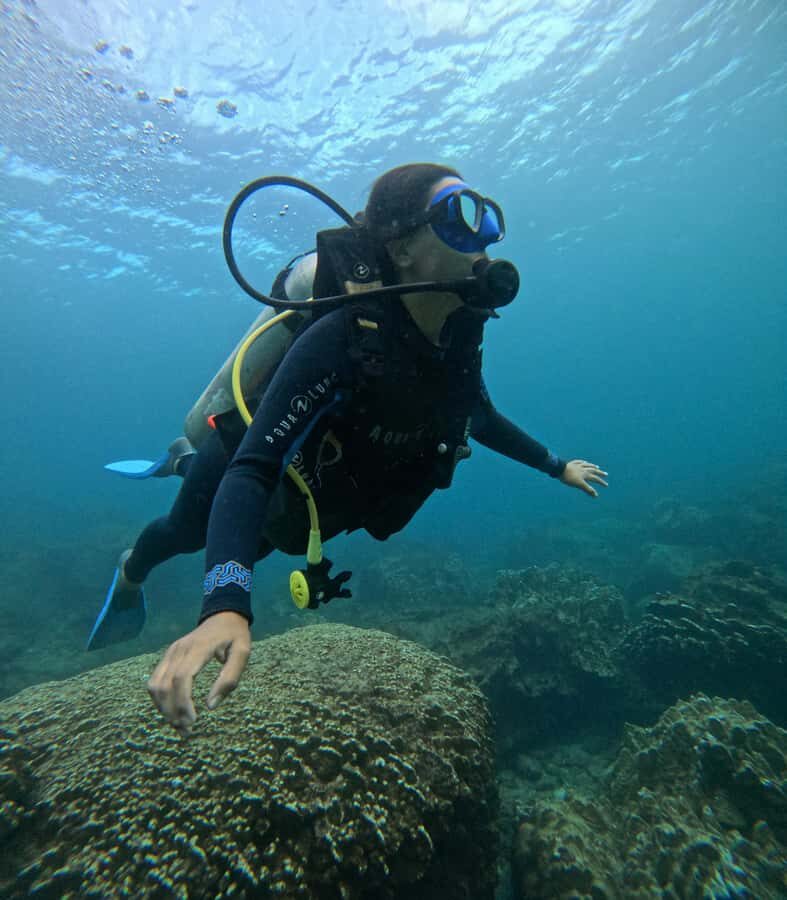
This experience runs with a small group capped at 10 participants, and the instructor stays with you in a personalized way throughout the experience. That combination is a big deal. Intro scuba works best when you can ask questions quickly and get individual adjustments, not generic instructions for a crowd.
You don’t need to know how to swim to take part. That’s not the same thing as being fearless in water, but it does tell you the program is built for people with basic comfort only. In other words, the operator isn’t requiring advanced athleticism; they’re prioritizing comfort, safety, and clear coaching.
If you’re trying to pick a day to go, I’d also pay attention to how clearly your coordinator communicates before you arrive. This operator is set up for careful coordination, and it can really help on islands like Rapa Nui where schedules can feel fluid. On the day, stay focused on the instruction team and follow the plan—even if timing shifts a bit.
Gear and the Photo Factor: What’s Included and How to Prepare
You’re not left to figure out rentals on your own. The package includes full equipment rental: suit, mask (the listing calls it mascara), fins, vest, and the diving bottle, meaning the air tank setup. That matters for value. Scuba gear can be pricey to rent, and finding the right fit on an island can be annoying.
Then there’s the bonus most people don’t plan for: photos and video. You’ll get them as part of the activity, and you’ll want to bring what you need to transfer files afterward—like a pendrive, memory card, or the right cable for your Android or iPhone. If you show up without a transfer option, you risk turning a great souvenir moment into a hassle.
Comfort-wise, you should also be ready for layering. Even if water feels warm (it can, depending on the season), being suited up and out on the transfer means you might want something light to wear while you wait. This is one of those trips where small prep choices affect how relaxed you feel once you’re geared up.




Timing, Transfers, and Day-Of Reality on Rapa Nui
This is where you should be a little flexible. Transfers from the cove to the water can happen by boat or vehicle depending on maritime conditions. That’s normal for ocean activities, but it can affect how long you spend in each phase of the day.
There’s also the real-world issue of schedule drift. In one case, the departure time was later than expected, which cut into the day’s available time. You can’t control that, but you can respond well: give yourself a buffer around the activity and avoid tight follow-up plans right after. If you’re booking other tours, schedule them with space.
For many people, the upside is that the underwater hour still feels like the main event. Once you’re in the water with good visibility, the day’s delay often matters less. Still, plan like a local: expect some movement, check updates when you can, and don’t stack time-sensitive reservations back-to-back.
Who Should Book This (and Who Should Skip It)
This program is designed for people who want an intro-friendly scuba experience with strong support and a clear focus on marine life. It’s a great fit if you want to see tropical fish up close, spot turtles if conditions allow, and get a shot at underwater moai sights without needing advanced scuba planning.
It’s not for everyone. The operator lists these “not suitable” categories:
- children under 12
- people with heart problems
- people with altitude sickness
- people with high blood pressure
On top of that, you cannot do this if you flew within 12 hours. So if you’re connecting through another island or city, build in time for your body to settle before you go underwater. It’s a straightforward safety rule, and it’s worth respecting.
Also, note the alcohol and drugs restriction. It’s part of the standard safety culture for controlled water activities, but you should take it seriously, especially with a small group and an instructor who’s personally guiding you.
Price and Value: Is $139 Worth It for a 150-Minute Experience?
At $139 per person, the value mostly comes from the included pieces. You get full equipment rental, a guided instruction format with safety briefing, and an organized schedule with transfers plus about one hour underwater. On top of that, you get photos and video, which can easily become the souvenir you’re actually happy you have.
If you were paying separately for equipment, a guide, and documentation, the price would likely climb fast. So for many visitors, this is a “bundle that makes sense” option—especially on Easter Island, where logistics are part of the cost of doing the right thing.
Where you should compare is with what you truly want from the trip. If your top goal is deep moai access, then you’ll want to confirm what your scuba certification allows. If you’re after a clear-water intro and the chance to see marine life at close range, the $139 price point is easier to justify.
Should You Book This Tropical Underwater Experience?
I’d book it if you want a guided, intro-level underwater session with strong odds of seeing turtles and tropical fish, plus the chance to spot underwater moai features when conditions and depth permit. The small group size and the instructor staying close are exactly the kind of setup that helps you enjoy the experience instead of worrying about whether you’re doing it right.
I would think twice or look for an alternative if you’re in a restricted health category, if you might have flown in the last 12 hours, or if deep underwater moai access is your non-negotiable goal. For everyone else, it’s a smart way to add a truly different Rapa Nui moment: not just stone statues on land, but a look at the island’s story underwater.
If you’re deciding right now, go with practical confidence: you can often keep flexibility with reserve options and later payment, and you can cancel up to 24 hours in advance for a full refund. That reduces the risk if your travel schedule changes.
FAQ
Where is the meeting point?
The meeting point is set and shared with you 48 hours before the activity starts.
How long does the experience last?
The total duration is 150 minutes.
Do I need to know how to swim?
No. It is stated that it is not necessary to know how to swim.
What equipment is included?
Equipment rental is included: suit, mask, fins, vest, and the diving air tank.
Can I go if I have flown within the last 12 hours?
No. You cannot do the underwater activity if you fly within 12 hours.
What languages are the instructors speaking?
The instructor speaks English and Spanish.
Is this suitable for children or people with medical conditions?
Children under 12 are not allowed. It also isn’t suitable for people with heart problems, altitude sickness, or high blood pressure.